
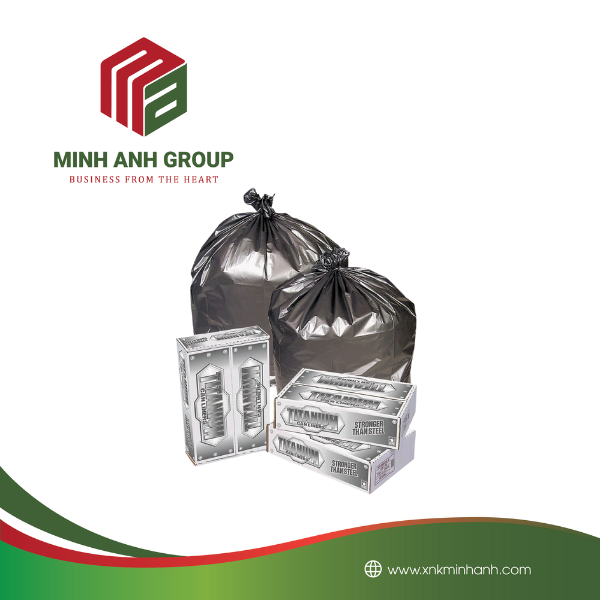
Why Are Biodegradable Can Liners Better?
In recent years, the growing awareness of environmental issues has led to a shift in how we think about waste management. Among the many changes we can make to reduce our environmental footprint, one small but impactful choice is the use of biodegradable can liners. While they may not seem like a game-changer at first glance, these eco-friendly alternatives offer a host of benefits that make them a better option for both the planet and our daily lives. Let’s dive into why biodegradable can liners are worth considering.
In recent years, the growing awareness of environmental issues has led to a shift in how we think about waste management. Among the many changes we can make to reduce our environmental footprint, one small but impactful choice is the use of biodegradable can liners. While they may not seem like a game-changer at first glance, these eco-friendly alternatives offer a host of benefits that make them a better option for both the planet and our daily lives. Let’s dive into why biodegradable can liners are worth considering.
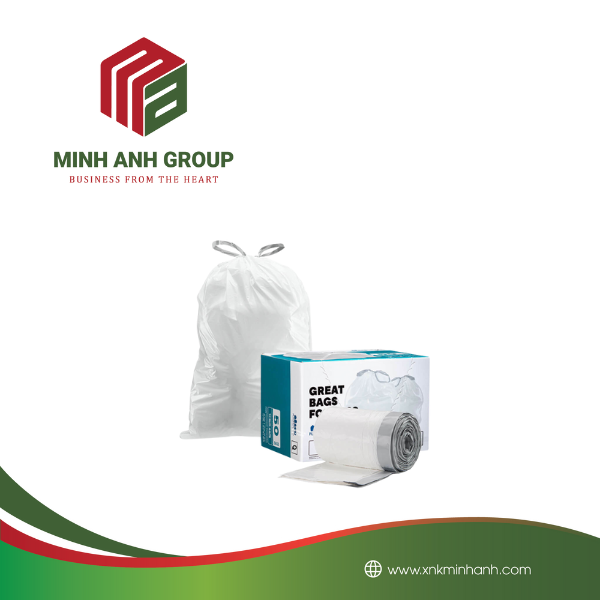
What Are Biodegradable Can Liners?
Before we explore their benefits, it’s important to understand what biodegradable can liners actually are. Unlike traditional plastic liners made from petroleum-based materials, biodegradable liners are designed to break down naturally over time. They are typically made from plant-based or other renewable materials, such as cornstarch, potato starch, or polylactic acid (PLA). When disposed of properly, these liners decompose into natural elements like water, carbon dioxide, and organic matter, leaving behind no harmful residues.
1. Environmental Benefits
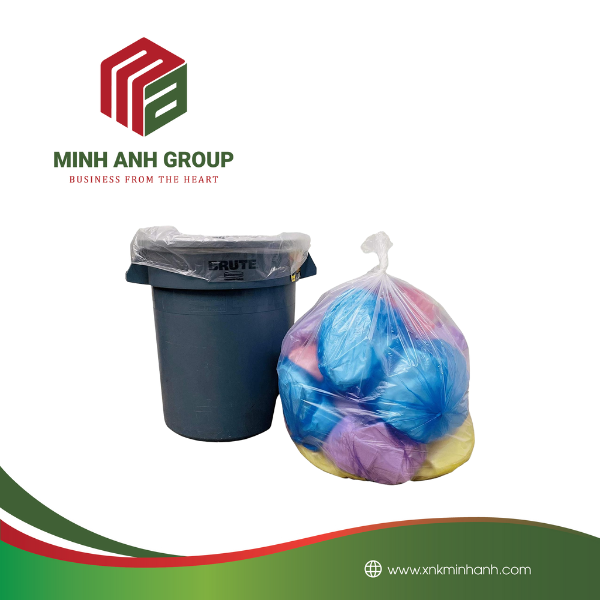
The most obvious advantage of biodegradable can liners is their positive impact on the environment. Traditional plastic bags can take hundreds of years to decompose, clogging landfills and polluting ecosystems in the process. Worse yet, they often break down into microplastics that can harm wildlife and contaminate soil and water sources.
Biodegradable liners, on the other hand, are designed to decompose in a fraction of the time under the right conditions. This reduces the amount of waste lingering in landfills and helps prevent pollution. By switching to biodegradable options, you’re contributing to a cleaner, healthier planet.
2. Reduced Carbon Footprint
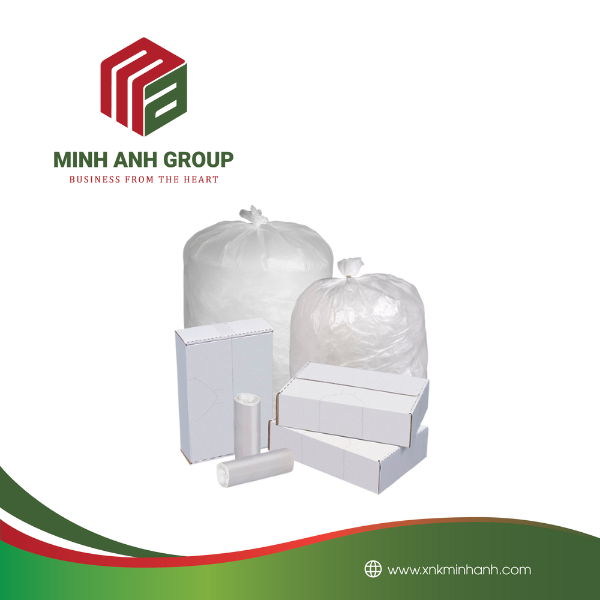
Another key benefit of biodegradable can liners is their lower carbon footprint. Producing traditional plastic bags requires significant amounts of fossil fuels, contributing to greenhouse gas emissions and climate change. Biodegradable liners are often made from renewable resources, which means they require less energy to produce and have a smaller environmental impact.
Additionally, some biodegradable liners are compostable, meaning they can break down into nutrient-rich compost when processed in an industrial composting facility. This not only diverts waste from landfills but also creates a valuable resource for enriching soil.
3. Safer for Wildlife
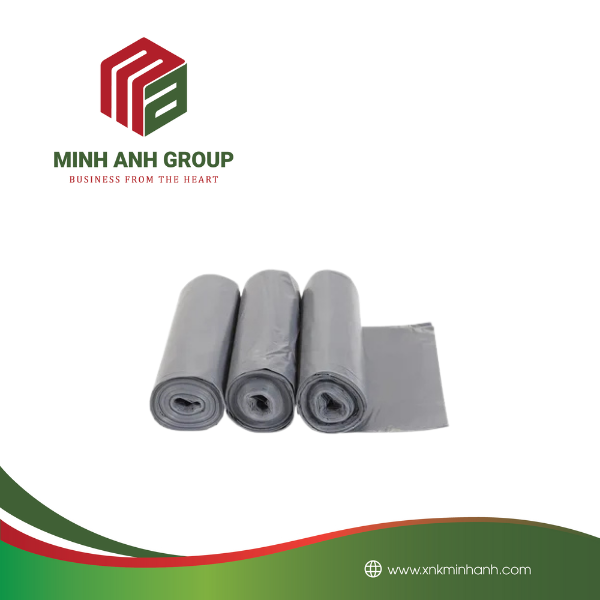
Plastic waste is a major threat to wildlife, particularly marine animals that often mistake plastic bags for food. Ingesting plastic can lead to choking, starvation, or other fatal consequences for these creatures. Because biodegradable can liners break down more quickly and naturally, they pose far less risk to animals if they end up in the environment.
While it’s always best to dispose of waste responsibly, using biodegradable liners adds an extra layer of protection for wildlife in case accidents happen.
4. Supporting Sustainable Practices
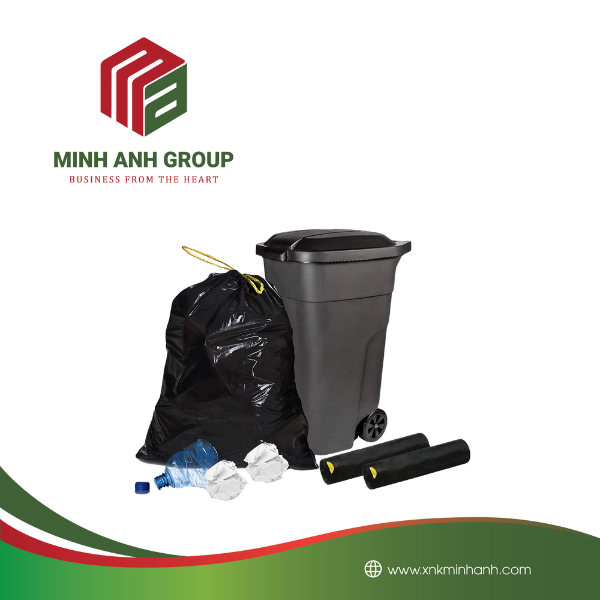
By choosing biodegradable can liners, you’re supporting companies and industries that prioritize sustainability. Many manufacturers of biodegradable products are committed to reducing environmental harm and promoting eco-friendly alternatives. Your purchase helps drive demand for sustainable goods, encouraging further innovation and investment in green technologies.
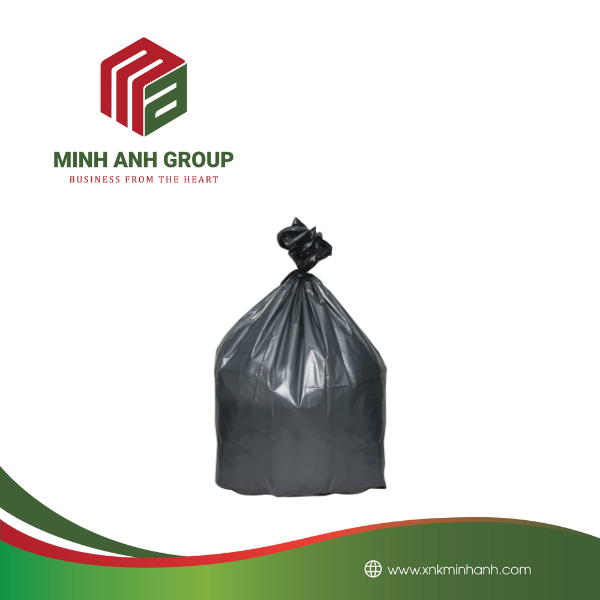
5. A Simple Swap with Big Impact
One of the best things about switching to biodegradable can liners is how easy it is. Unlike some lifestyle changes that require significant effort or expense, swapping out your traditional trash bags for biodegradable ones is a simple yet effective way to make a difference. It’s a small change that doesn’t disrupt your routine but still contributes to a larger movement toward sustainability.
Things to Consider
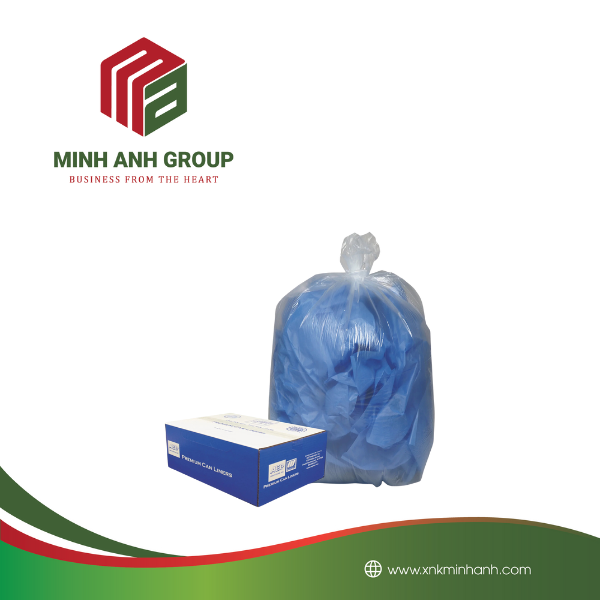
While biodegradable can liners have many advantages, it’s important to keep a few things in mind. Not all biodegradable products are created equal—some require specific conditions, such as high heat or industrial composting facilities, to break down effectively. Be sure to read the product label and check whether the liner is suitable for home composting or needs to be processed elsewhere.
Additionally, using biodegradable liners doesn’t mean you can ignore proper waste disposal practices. Recycling and composting where possible are still essential steps in reducing your environmental impact.
Biodegradable can liners are a small but meaningful step toward a more sustainable future. They help reduce waste, lower carbon emissions, protect wildlife, and support eco-friendly practices—all while being an easy swap for traditional plastic bags. By making this simple change in your household or workplace, you’re contributing to a cleaner planet and setting an example for others to follow.
So why not give biodegradable can liners a try? It’s a choice that benefits not just you but also future generations—and that’s something we can all feel good about.
Hãy là người đầu tiên nhận xét “Why Are Biodegradable Can Liners Better?”
Sản phẩm tương tự

Tin Tức Bao Bì

Tin Tức Bao Bì


Tin Tức Bao Bì
Food Cling Film: Outstanding Advantages in Food Preservation


Tin Tức Bao Bì

Tin Tức Bao Bì


Đánh giá
Chưa có đánh giá nào.