
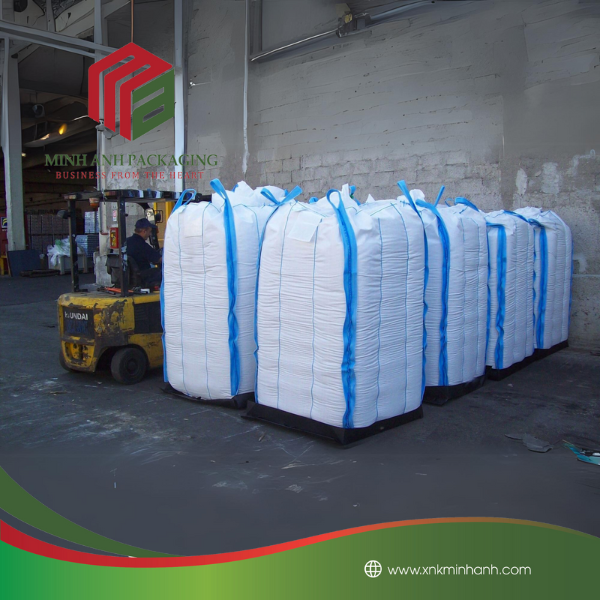
Bulk Bags vs Traditional Packaging: Which is Better?
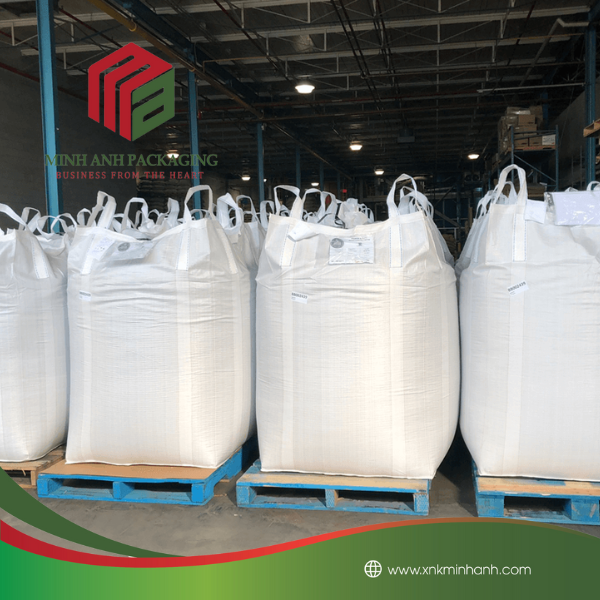
Bulk bags are designed for efficiency in storage. When empty, they can be folded flat, taking up minimal space in a warehouse. Even when filled, their stackable design allows for optimal use of vertical storage space. Traditional packaging, especially rigid containers like barrels or boxes, often takes up more room and may not be as easy to store when empty.
When it comes to packaging, businesses and industries have a wide range of options to choose from. Two of the most common methods are bulk bags (also known as FIBCs, or Flexible Intermediate Bulk Containers) and traditional packaging options like boxes, barrels, or smaller plastic bags. Both have their advantages and disadvantages, and the choice between the two often depends on the specific needs of a business. Let’s take a closer look at how these two packaging solutions compare and what might make one better suited for your needs.

What Are Bulk Bags?
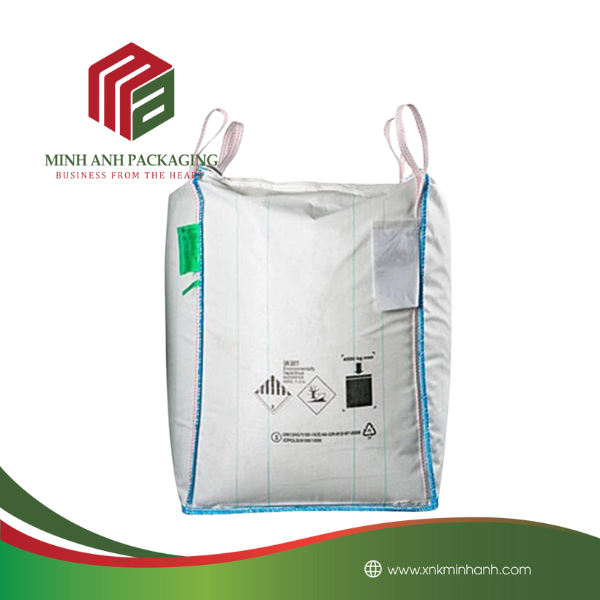
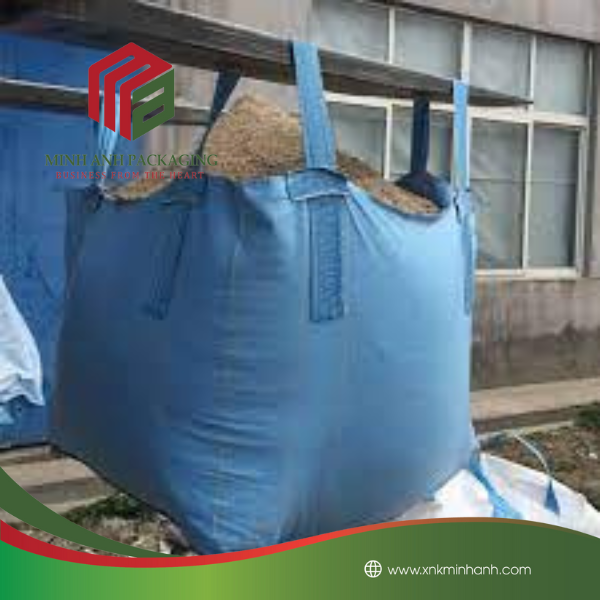
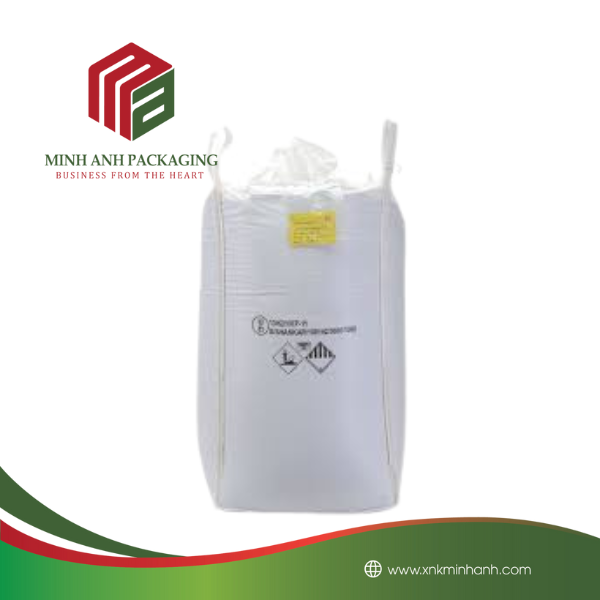
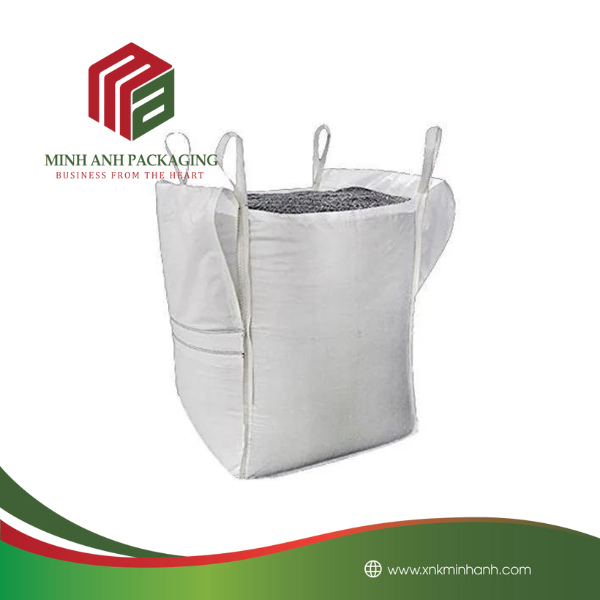
Bulk bags are large, flexible containers made of woven polypropylene fabric. They’re designed to store and transport bulk quantities of materials, such as grains, powders, chemicals, and construction materials. Bulk bags can hold anywhere from 500 to 4,000 pounds of material, making them ideal for industries that deal with large volumes.
What Is Traditional Packaging?
Traditional packaging refers to a variety of smaller, more rigid containers like cardboard boxes, plastic bags, metal barrels, or glass jars. This type of packaging is commonly used for consumer goods, smaller-scale industrial processes, and products that require precise portioning or individual packaging.
Comparison: Bulk Bags vs. Traditional Packaging
1. Cost Efficiency
One of the biggest advantages of bulk bags is their cost-effectiveness. Because they can hold large quantities of material, fewer individual containers are needed. This reduces the cost of packaging materials and minimizes labor expenses for filling and handling. Traditional packaging, on the other hand, often requires more materials and labor due to its smaller size. While this may not be a concern for small-scale operations, it can add up quickly for businesses dealing with high volumes.
2. Storage Space
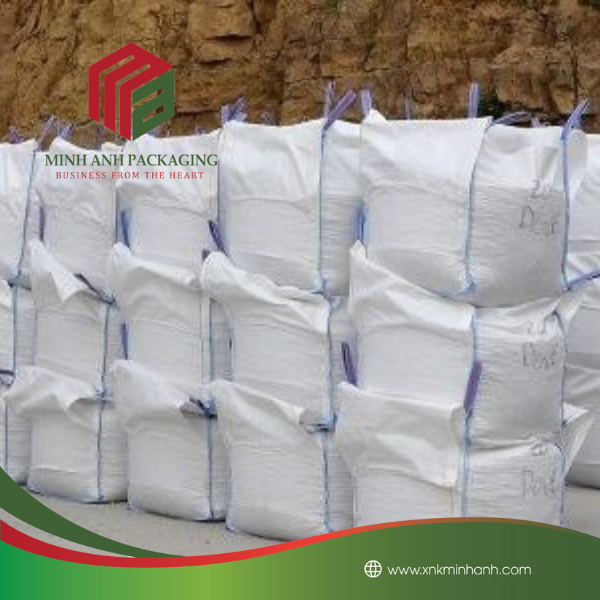
Bulk bags are designed for efficiency in storage. When empty, they can be folded flat, taking up minimal space in a warehouse. Even when filled, their stackable design allows for optimal use of vertical storage space. Traditional packaging, especially rigid containers like barrels or boxes, often takes up more room and may not be as easy to store when empty.
3. Ease of Transportation
For industries that rely on shipping large quantities of goods, bulk bags are a game-changer. Their durable construction allows them to be transported safely without the need for additional protective packaging. They’re also compatible with forklifts and cranes, making loading and unloading a breeze. Traditional packaging often requires more careful handling and may involve additional costs for pallets or protective wrapping during transit.
4. Environmental Impact
Sustainability is an increasingly important consideration for businesses today. Bulk bags are often reusable and recyclable, making them a more eco-friendly choice compared to single-use traditional packaging options. Many bulk bags can be used multiple times if handled properly, reducing waste significantly. On the other hand, traditional packaging—especially single-use plastic or cardboard—can contribute to higher levels of waste and environmental degradation.
5. Versatility
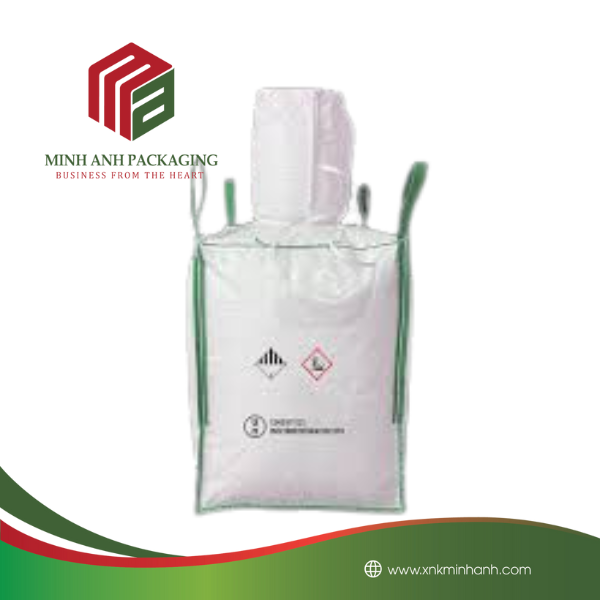
Bulk bags are incredibly versatile and can be customized to suit specific needs. They come in various sizes and designs, with options for spouts, liners, or reinforced materials depending on the product being stored or transported. However, traditional packaging offers more variety in terms of shapes and sizes for smaller-scale needs or consumer-facing products. For example, if you’re selling individual items like snacks or beverages, traditional packaging is likely the better choice.
6. Product Protection
Both bulk bags and traditional packaging provide good protection for the materials they hold, but the level of protection depends on the product in question. Bulk bags are excellent for dry goods like grains or powders but may require liners for liquid or highly sensitive products. Traditional packaging often provides more specialized options for fragile or perishable items, such as padded boxes or vacuum-sealed plastic.
7. Aesthetic Appeal
If your product is consumer-facing, traditional packaging has the upper hand in terms of branding and presentation. Boxes, jars, and smaller packages can be printed with logos, vibrant colors, and detailed product information to attract customers on store shelves. Bulk bags, while practical for industrial use, aren’t designed with aesthetics in mind.
Which Is Better for Your Business?
The answer depends on your specific needs and priorities. Here’s a quick breakdown:

– Choose Bulk Bags If…
– You’re dealing with large volumes of material.
– Cost efficiency is a priority.
– You want to minimize environmental impact.
– Storage space is limited.
– Your focus is on industrial or wholesale operations.
– Choose Traditional Packaging If…
– You’re selling directly to consumers.
– Branding and visual appeal are important.
– You need precise portioning or smaller containers.
– Your product requires specialized protection (e.g., fragile or perishable items).
Both bulk bags and traditional packaging have their unique strengths and weaknesses. The key is to evaluate your business’s needs carefully and choose the option that aligns best with your operational goals and priorities. Whether you’re looking to streamline your logistics with bulk bags or create eye-catching consumer products with traditional packaging, there’s a solution out there for you.
Remember, the choice doesn’t have to be all-or-nothing! Many businesses successfully use a combination of both methods to meet different requirements within their operations. Whatever you decide, investing in the right packaging can make a world of difference in efficiency, cost savings, and customer satisfaction.
Hãy là người đầu tiên nhận xét “Bulk Bags vs Traditional Packaging: Which is Better?”
Sản phẩm tương tự

Tin Tức Bao Bì

Tin Tức Bao Bì


Tin Tức Bao Bì


Tin Tức Bao Bì

Tin Tức Bao Bì

Tin Tức Bao Bì


Đánh giá
Chưa có đánh giá nào.