

Innovative Designs in Bulk Bags: Trends to Watch


For businesses that rely on bulk bags, staying informed about these innovations can provide a competitive edge—whether it’s through cost savings, improved efficiency, or a reduced environmental footprint. With so many advancements on the horizon, it’s clear that the humble bulk bag is anything but ordinary.
Bulk bags, also known as FIBCs (Flexible Intermediate Bulk Containers), have long been a staple in industries requiring the transport and storage of large quantities of materials. From agriculture and construction to pharmaceuticals and food processing, these versatile containers have proven to be indispensable. However, like any product, bulk bags are evolving to meet the changing needs of industries and the growing emphasis on sustainability, efficiency, and safety. Let’s explore some of the latest trends shaping the future of bulk bag design.

1. Sustainability Takes Center Stage
As businesses across the globe strive to reduce their environmental footprint, sustainability has become a key focus in bulk bag manufacturing. Many companies are now producing bags made from recycled materials or designing them for multiple uses. Reusable bulk bags, for instance, are gaining popularity as they reduce waste and provide cost savings over time.
Additionally, manufacturers are exploring biodegradable options. While traditional polypropylene bulk bags are durable and reliable, they can take decades to decompose. The development of biodegradable alternatives could provide industries with an eco-friendly solution without compromising on performance.
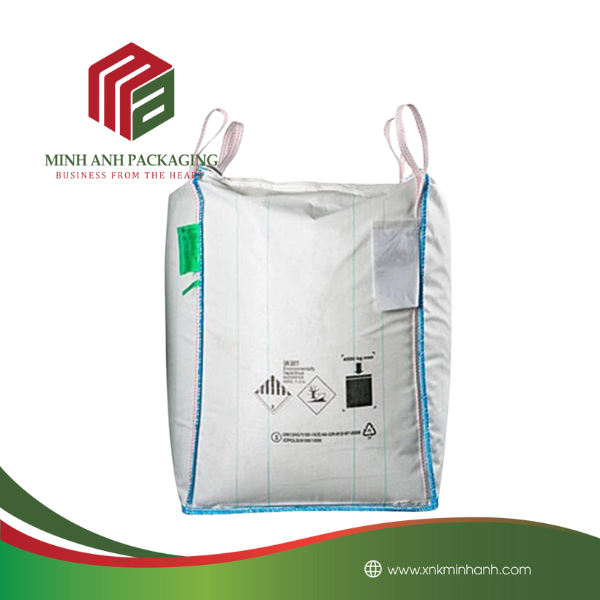
2. Customization for Specific Needs
Gone are the days of one-size-fits-all bulk bags. Today, manufacturers are offering highly customizable designs to cater to the unique requirements of different industries. For example:
– Food-grade bulk bags: Designed with strict hygiene standards, these bags often include liners that protect against contamination.
– Conductive or anti-static bags: Essential for industries handling flammable or explosive materials, these bags prevent static buildup.
– UV-resistant bags: Ideal for outdoor storage, these bags are treated to withstand prolonged exposure to sunlight.
Customization doesn’t stop at functionality. Companies can now order bulk bags in various sizes, shapes, and even colors, ensuring they fit seamlessly into their operations.

3. Enhanced Safety Features
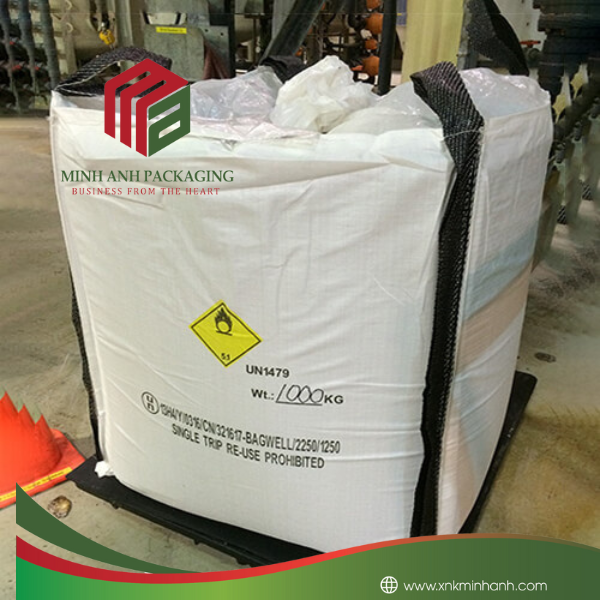
Safety is a top priority when handling heavy loads, and modern bulk bag designs reflect this focus. Innovations such as reinforced seams, double-layered fabrics, and advanced lifting loops ensure that the bags can handle increased weights without risk of failure.
Some manufacturers are also integrating smart safety features. For instance, tags or markings that indicate the bag’s weight capacity and usage limits help prevent overloading. Additionally, tamper-evident closures are becoming more common in industries where product integrity is critical.
4. Integration of Smart Technology
The rise of the Internet of Things (IoT) has even found its way into the world of bulk bags. Smart bulk bags equipped with RFID (Radio Frequency Identification) tags or QR codes allow businesses to track their inventory more efficiently. These technologies provide real-time data on the bag’s location, contents, and condition, streamlining logistics and reducing losses.
For industries dealing with perishable goods or sensitive materials, sensors embedded in bulk bags can monitor temperature, humidity, or pressure levels during transport and storage. This ensures that products remain in optimal condition throughout the supply chain.
5. Innovative Handling Solutions
Efficiency in handling is critical when dealing with bulk materials, and new designs are making it easier than ever to move and manage bulk bags. Features like discharge spouts with built-in closures allow for precise material release, minimizing waste. Meanwhile, designs with multiple lifting loops or forklift-compatible sleeves simplify transportation.
Some manufacturers are also experimenting with collapsible designs. These bags can be folded flat when empty, saving valuable storage space and reducing shipping costs when returned for reuse.

6. Focus on Lightweight Durability
While strength has always been a hallmark of bulk bags, there’s a growing demand for lighter designs that don’t compromise durability. Advances in material science have led to the creation of fabrics that are both lightweight and incredibly strong. These innovations not only make the bags easier to handle but also reduce shipping costs due to lower overall weight.

7. Aesthetic Appeal for Branding
In today’s competitive market, branding is more important than ever—even for something as utilitarian as a bulk bag. Many companies are now opting for custom printing on their bags to showcase their logo, slogan, or other branding elements. Not only does this enhance brand visibility during transport and storage, but it also helps prevent mix-ups when multiple companies share a storage or shipping facility.

8. Regulatory Compliance
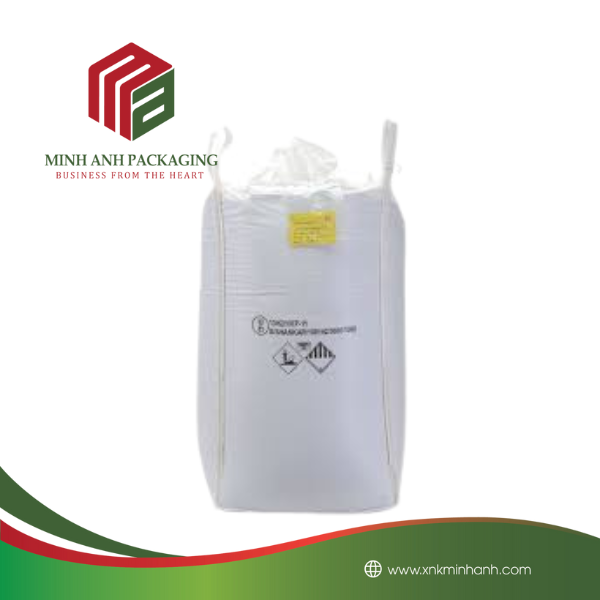
As regulations around packaging and material handling become stricter in many industries, compliance is driving innovation in bulk bag design. Manufacturers are staying ahead by ensuring their products meet the latest standards for safety, hygiene, and environmental impact. For example, food-grade bulk bags must adhere to FDA guidelines in the U.S., while pharmaceutical-grade bags must meet even stricter criteria.
The future of bulk bag design is undoubtedly exciting. As industries continue to evolve, so will the demands placed on these versatile containers. From sustainability and smart technology to enhanced safety and customization, the trends we’re seeing today are just the beginning.
For businesses that rely on bulk bags, staying informed about these innovations can provide a competitive edge—whether it’s through cost savings, improved efficiency, or a reduced environmental footprint. With so many advancements on the horizon, it’s clear that the humble bulk bag is anything but ordinary.

So next time you see one of these workhorses in action, take a moment to appreciate the thought and innovation behind its design—it’s carrying more than just materials; it’s carrying the future of industry forward!
Hãy là người đầu tiên nhận xét “Innovative Designs in Bulk Bags: Trends to Watch”
Sản phẩm tương tự


Tin Tức Bao Bì
Food Cling Film: Outstanding Advantages in Food Preservation


Tin Tức Bao Bì

Tin Tức Bao Bì

Tin Tức Bao Bì

Tin Tức Bao Bì

Tin Tức Bao Bì


Đánh giá
Chưa có đánh giá nào.