

Tips for Efficiently Filling and Handling FIBC Bags
Efficiently filling and handling FIBC bags requires an understanding of their specifications, careful selection of equipment, adherence to safety protocols, and a commitment to environmental responsibility. By implementing these best practices, businesses can optimize their operations, enhance safety, and contribute to sustainable logistics solutions. Whether you’re handling grains or chemicals, mastering these techniques will ensure your operations run smoothly and safely.
Flexible Intermediate Bulk Containers (FIBCs), commonly known as bulk bags or big bags, are a vital component in the logistics and materials handling industries. Used for storing and transporting dry, flowable products such as sand, fertilizer, grains, and chemicals, FIBCs offer a cost-effective and efficient solution. However, to maximize their utility and ensure safety, it is crucial to follow best practices in filling and handling these containers. This article provides professional insights into optimizing the use of FIBC bags.

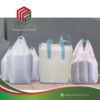
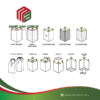
Before delving into filling and handling techniques, it’s essential to understand the specifications of the FIBC bags you are using. FIBCs come in various designs, including U-panel, circular, four-panel, and baffle bags, each suited for different materials and applications. The choice of bag should align with the material’s characteristics, such as density and flowability, as well as the required safety factor.
1. Select the Appropriate Filling Equipment:
Using the right filling equipment is crucial. Gravity fillers are suitable for free-flowing materials, while auger fillers are ideal for non-free-flowing products. The choice of equipment impacts the filling speed and accuracy, so ensure compatibility with your material type.
2. Ensure Proper Bag Positioning:
Position the bag correctly under the filling station to avoid spillage and ensure even distribution of material. The bag should be fully opened and secured at all lifting loops to maintain stability during filling.
3. Control Filling Speed:
Adjust the filling speed based on the material’s properties and the bag’s capacity. A controlled filling speed prevents overfilling and reduces dust generation, which is particularly important for fine powders.

4. Use Vibration or Tamping:
For materials that tend to settle unevenly, use vibration or tamping to compact the contents evenly within the bag. This technique minimizes voids and maximizes bag capacity utilization.
5. Monitor Bag Weight:
Utilize weighing systems integrated with filling equipment to ensure each bag is filled to its designated weight. This practice helps maintain consistency across shipments and prevents overloading.

1. Inspect Bags Before Use:
Before filling, inspect each FIBC for signs of damage or wear. Look for tears, weakened seams, or compromised lifting loops, which could lead to failure during handling.
2. Use Proper Lifting Equipment:
Always use equipment designed for handling FIBCs, such as forklifts with spreader bars or cranes with appropriate lifting attachments. This ensures even weight distribution and reduces stress on individual loops.
3. Adhere to Load Limits:
Never exceed the safe working load (SWL) specified by the manufacturer. Overloading can compromise the structural integrity of the bag and pose safety hazards.

4. Ensure Stable Stacking:
When stacking filled FIBCs, ensure stability by following recommended stacking patterns and heights. Uneven stacks can collapse, causing damage or injury.
5. Train Personnel:
Provide comprehensive training for all personnel involved in filling and handling FIBCs. They should be familiar with equipment operation, safety protocols, and emergency procedures.

1. Minimize Dust Emission:
Implement dust control measures such as dust extraction systems or enclosed filling stations to minimize environmental impact and improve workplace safety.
2. Promote Recycling:
Encourage recycling of used FIBCs where possible. Many bags are designed for multiple uses or can be recycled into new products, reducing waste.
3. Choose Eco-Friendly Materials:
Consider using FIBCs made from recyclable or biodegradable materials to align with sustainable practices.
Efficiently filling and handling FIBC bags requires an understanding of their specifications, careful selection of equipment, adherence to safety protocols, and a commitment to environmental responsibility. By implementing these best practices, businesses can optimize their operations, enhance safety, and contribute to sustainable logistics solutions. Whether you’re handling grains or chemicals, mastering these techniques will ensure your operations run smoothly and safely.
Hãy là người đầu tiên nhận xét “Tips for Efficiently Filling and Handling FIBC Bags”
Sản phẩm tương tự

Tin Tức Bao Bì

Tin Tức Bao Bì

Tin Tức Bao Bì


Tin Tức Bao Bì
Food Cling Film: Outstanding Advantages in Food Preservation


Tin Tức Bao Bì

Tin Tức Bao Bì

Tin Tức Bao Bì


Đánh giá
Chưa có đánh giá nào.