
The Role of FIBC Bags in the Construction Industry

In the dynamic and ever-evolving construction industry, efficient material handling and storage solutions are critical to maintaining productivity and ensuring safety. Flexible Intermediate Bulk Containers (FIBCs), commonly known as bulk bags, have emerged as a pivotal resource in this sector. These versatile containers offer numerous advantages that cater to the unique demands of construction projects.
In the dynamic and ever-evolving construction industry, efficient material handling and storage solutions are critical to maintaining productivity and ensuring safety. Flexible Intermediate Bulk Containers (FIBCs), commonly known as bulk bags, have emerged as a pivotal resource in this sector. These versatile containers offer numerous advantages that cater to the unique demands of construction projects.

FIBC bags are large, flexible containers made from woven polypropylene fabric. They are designed to store and transport dry, flowable products such as sand, gravel, cement, and other construction materials. Typically, these bags can hold anywhere from 500 kg to 2000 kg, making them ideal for bulk handling.
1. FIBC bags are a cost-effective solution for transporting and storing bulk materials. Their ability to hold large quantities reduces the need for multiple smaller containers, thereby cutting down on packaging costs and handling time.
2. These bags are highly space-efficient, particularly when compared to rigid containers. When empty, FIBC bags can be easily folded and stored, freeing up valuable space on construction sites.
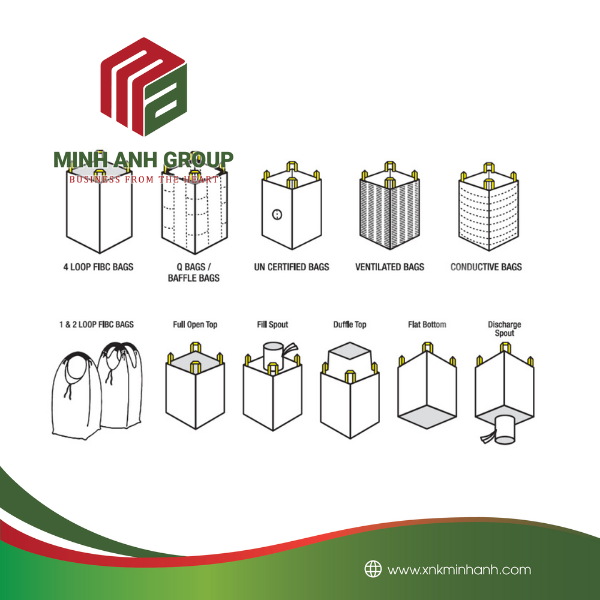
3. FIBCs can be customized with various features such as liners for moisture protection, coated fabric for dust control, and different discharge options to suit specific project needs. This versatility makes them suitable for a wide range of applications in the construction industry.

4. Constructed from strong woven polypropylene, FIBC bags are designed to withstand the rigors of transportation and handling. Their robust nature ensures that they can handle heavy loads without tearing or breaking, providing a reliable solution for material transport.
5. Safety is paramount in construction, and FIBC bags contribute by reducing the risk of spillage and contamination. Their secure design ensures that materials remain contained during transit, minimizing hazards on-site.
6. Many FIBC bags are reusable and recyclable, aligning with the growing emphasis on sustainability within the construction industry. By opting for reusable bags, companies can reduce waste and their overall environmental footprint.
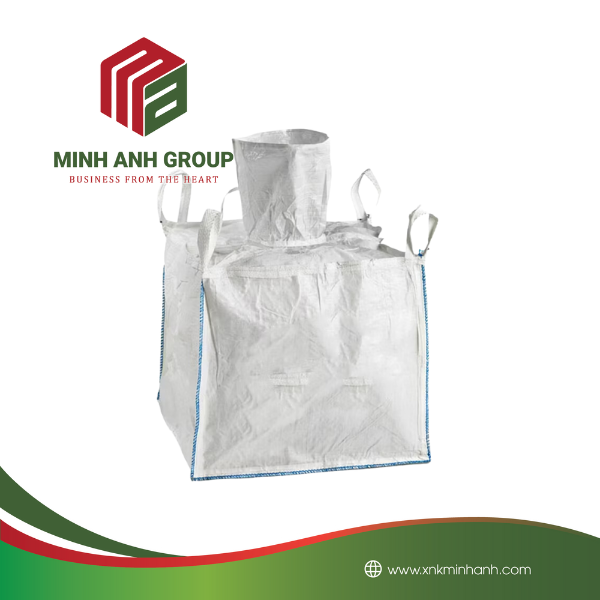
FIBC bags are utilized across various stages of construction projects:
– Bulk bags are ideal for transporting raw materials such as sand, gravel, and cement from suppliers to construction sites. Their large capacity reduces the number of trips required, thereby improving logistical efficiency.
– On-site storage of materials is simplified with FIBC bags. They provide a secure method for storing materials until they are needed, protecting them from environmental elements like rain and wind.
– Construction sites generate significant amounts of waste. FIBC bags can be used to collect and transport debris and other waste materials efficiently, ensuring a cleaner work environment.
The integration of FIBC bags into the construction industry exemplifies how innovative solutions can enhance operational efficiency and safety. Their cost-effectiveness, durability, and versatility make them an invaluable asset for managing bulk materials on construction sites. As the industry continues to prioritize sustainability and efficiency, the role of FIBC bags is likely to expand, further cementing their importance in modern construction practices.
Hãy là người đầu tiên nhận xét “The Role of FIBC Bags in the Construction Industry”
Sản phẩm tương tự

Tin Tức Bao Bì

Tin Tức Bao Bì

Tin Tức Bao Bì

Tin Tức Bao Bì

Tin Tức Bao Bì


Tin Tức Bao Bì

Tin Tức Bao Bì


Đánh giá
Chưa có đánh giá nào.