
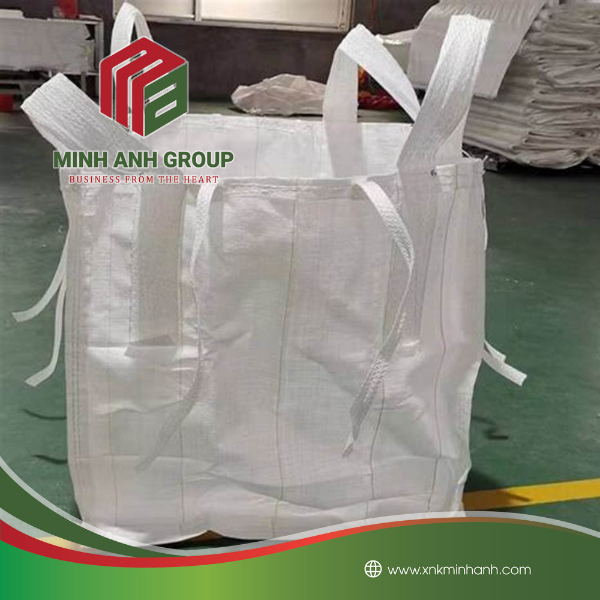
How to Properly Dispose of FIBC Bags After Use
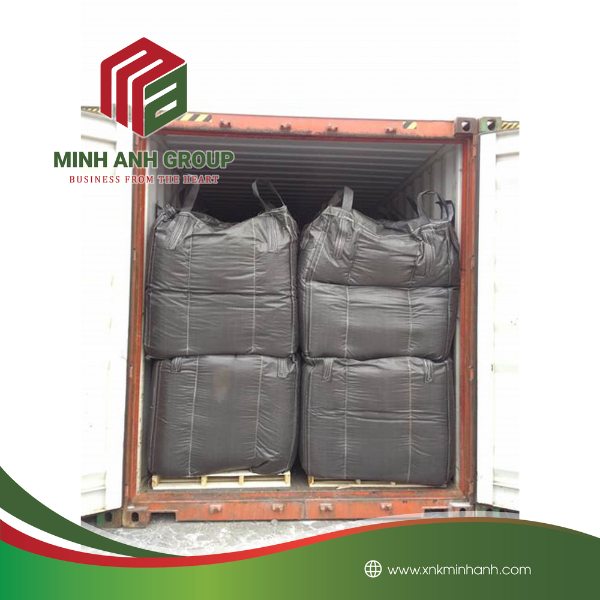
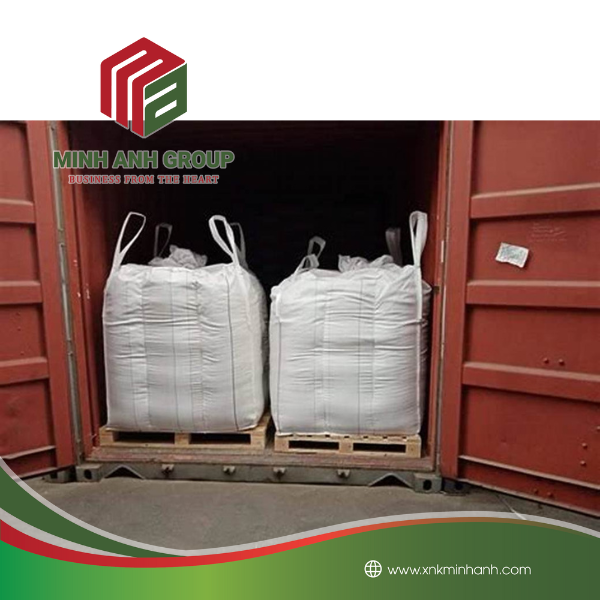
Flexible Intermediate Bulk Containers (FIBCs), commonly known as bulk bags or big bags, are widely used in industries such as agriculture, construction, and manufacturing for the efficient storage and transportation of bulk materials. These durable and versatile containers are designed for multiple uses, but eventually, they reach the end of their lifecycle. Proper disposal of FIBC bags is essential for environmental sustainability, workplace safety, and compliance with regulations. Below, we outline the best practices for responsibly handling FIBC bags after use.
Flexible Intermediate Bulk Containers (FIBCs), commonly known as bulk bags or big bags, are widely used in industries such as agriculture, construction, and manufacturing for the efficient storage and transportation of bulk materials. These durable and versatile containers are designed for multiple uses, but eventually, they reach the end of their lifecycle. Proper disposal of FIBC bags is essential for environmental sustainability, workplace safety, and compliance with regulations. Below, we outline the best practices for responsibly handling FIBC bags after use.

1. Assess the Condition of the FIBC Bag
Before deciding on disposal, evaluate the condition of the bag. Some FIBC bags are designed for single use (Type A or Type B), while others are reusable (Type C or Type D). If the bag is reusable and still in good condition, consider cleaning and reusing it for similar applications. However, if the bag is damaged, contaminated, or no longer fit for reuse, proceed with proper disposal methods.
2. Determine the Type of Material Contained
The contents previously stored in the FIBC bag play a critical role in determining the appropriate disposal method. Bags that have carried non-hazardous materials, such as grains or sand, can often be recycled or disposed of more easily. On the other hand, bags that have been used to transport hazardous materials—such as chemicals, fertilizers, or toxic substances—require special handling to prevent environmental contamination and adhere to legal regulations.
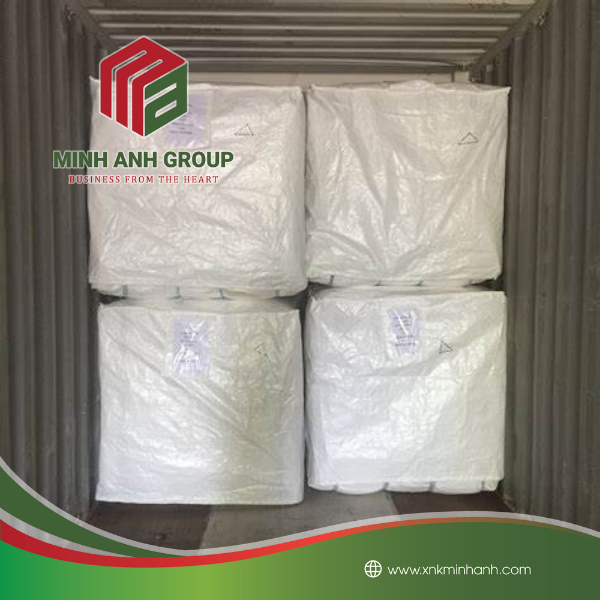
If an FIBC bag has been exposed to hazardous materials, consult local environmental authorities or hazardous waste management services for guidance on proper disposal.
3. Clean the Bag if Possible
For non-hazardous applications, cleaning the FIBC bag can make it suitable for recycling or reuse. Remove any residual material from the bag by shaking it out or using compressed air. Ensure that no contaminants remain before proceeding with recycling or disposal. Be mindful that cleaning should only be performed if it is safe and practical; otherwise, direct disposal may be necessary.
4. Recycle FIBC Bags When Feasible
Recycling is one of the most environmentally friendly ways to dispose of FIBC bags. Most bulk bags are made from woven polypropylene (PP), a recyclable thermoplastic material. To recycle FIBC bags:
– Check Local Recycling Programs: Confirm whether your local recycling facilities accept polypropylene materials. Some facilities specialize in industrial plastics and may have specific requirements for accepting FIBC bags.
– Sort and Separate: If possible, separate FIBC bags by material type and remove any additional components such as zippers, liners, or labels that may not be recyclable.
– Partner with Recycling Companies: Many recycling companies specialize in industrial packaging waste. Partnering with these organizations ensures that your FIBC bags are properly processed and repurposed into new products such as pellets, fibers, or construction materials.
5. Repurpose or Upcycle
If recycling facilities are unavailable, consider repurposing or upcycling old FIBC bags for alternative uses. For example:
– Use cleaned bags for storage or transportation of non-critical items.
– Convert them into tarps, ground covers, or protective barriers in construction or agricultural settings.
– Donate them to organizations or individuals who may find creative ways to reuse them.
Repurposing extends the lifecycle of FIBC bags and reduces waste sent to landfills.
6. Dispose of Non-Recyclable Bags Responsibly
In cases where recycling or repurposing is not an option—such as with heavily contaminated or damaged bags—responsible disposal is critical. Follow these steps:
– Consult Waste Management Services: Work with licensed waste management companies that specialize in industrial waste disposal.
– Comply with Local Regulations: Ensure that disposal methods align with local laws and environmental guidelines. Improper disposal can result in fines and environmental harm.
– Avoid Burning: Do not burn FIBC bags, as this can release harmful toxins into the air and contribute to pollution.
7. Implement a Disposal Policy
For businesses that use FIBC bags regularly, implementing a clear disposal policy can streamline the process and ensure compliance with environmental standards. A comprehensive policy should include:
– Guidelines for inspecting and sorting used bags.
– Procedures for cleaning and preparing bags for recycling or reuse.
– Partnerships with recycling or waste management companies.
– Training for employees on proper handling and disposal practices.
8. Promote Sustainability in Procurement
To minimize environmental impact in the long term, consider sustainability when procuring FIBC bags:
– Choose manufacturers that use recycled materials in their production processes.
– Opt for reusable FIBC bags when possible to reduce waste.
– Work with suppliers who prioritize eco-friendly practices and offer recycling programs for used bags.

Proper disposal of FIBC bags after use is a shared responsibility between businesses and individuals. By assessing the condition of the bags, recycling when feasible, repurposing creatively, and adhering to local regulations for waste management, you can reduce environmental impact and contribute to a more sustainable future. Implementing these best practices not only ensures compliance but also demonstrates a commitment to responsible resource management—a value increasingly important in today’s business landscape.
Hãy là người đầu tiên nhận xét “How to Properly Dispose of FIBC Bags After Use”
Sản phẩm tương tự

Tin Tức Bao Bì


Tin Tức Bao Bì
Food Cling Film: Outstanding Advantages in Food Preservation


Tin Tức Bao Bì

Tin Tức Bao Bì

Tin Tức Bao Bì


Đánh giá
Chưa có đánh giá nào.