

What Are the Safety Considerations When Using Jumbo Bags?

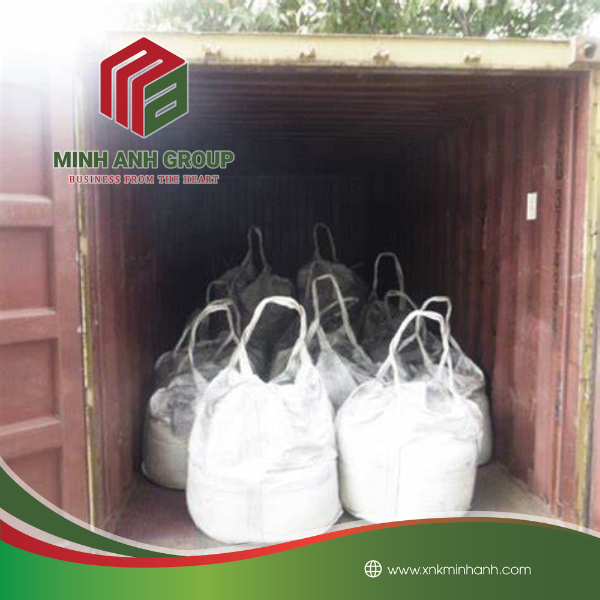
Jumbo bags, also known as FIBCs (Flexible Intermediate Bulk Containers), are widely used in industries such as agriculture, construction, chemicals, and food processing for the storage and transportation of bulk materials. While these bags offer significant advantages in terms of efficiency and cost-effectiveness, their use requires strict adherence to safety protocols to ensure the well-being of workers, the protection of goods, and the prevention of accidents. Below are the key safety considerations when using jumbo bags.
Jumbo bags, also known as FIBCs (Flexible Intermediate Bulk Containers), are widely used in industries such as agriculture, construction, chemicals, and food processing for the storage and transportation of bulk materials. While these bags offer significant advantages in terms of efficiency and cost-effectiveness, their use requires strict adherence to safety protocols to ensure the well-being of workers, the protection of goods, and the prevention of accidents. Below are the key safety considerations when using jumbo bags.

1. Understanding the Bag Specifications
Each jumbo bag is designed for specific uses and load capacities. It is crucial to select the appropriate bag that matches the material type, weight, and handling requirements. Key specifications to consider include:
– Safe Working Load (SWL): Always adhere to the SWL indicated by the manufacturer. Overloading the bag can lead to structural failure.
– Safety Factor (SF): Most FIBCs have a safety factor of 5:1 or 6:1, meaning they are designed to handle five or six times their SWL under controlled conditions. However, this does not mean they should be overloaded.
– Material Compatibility: Ensure that the bag material is compatible with the contents. For example, antistatic or conductive bags are required for flammable or hazardous materials.
2. Proper Handling and Lifting
Improper handling of jumbo bags is one of the leading causes of workplace accidents. To minimize risks:
– Use Appropriate Equipment: Always use equipment like forklifts or cranes with properly designed hooks or lifting devices to handle the bags. Avoid using makeshift tools that can damage the loops or fabric.
– Secure Lifting Loops: Ensure that all lifting loops are evenly loaded and securely attached to the lifting mechanism. Uneven loading can cause the bag to tilt or tear.
– Avoid Dragging: Never drag jumbo bags across rough surfaces, as this can weaken the fabric and lead to tears.
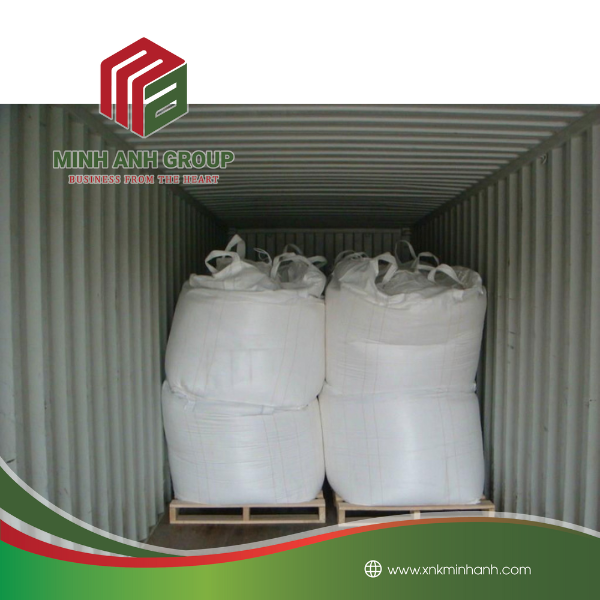
3. Storage Guidelines
Proper storage is essential to maintain the integrity of jumbo bags and their contents. Key storage considerations include:
– Avoid Direct Sunlight: Prolonged exposure to UV light can degrade the polypropylene material of the bags. Store them in a shaded or covered area.
– Keep Dry: Moisture can weaken the bag’s fabric and compromise its load-bearing capacity. Store bags in a dry environment with adequate ventilation.
– Stacking: If stacking is necessary, follow the manufacturer’s guidelines regarding maximum stacking height to prevent instability and collapses.
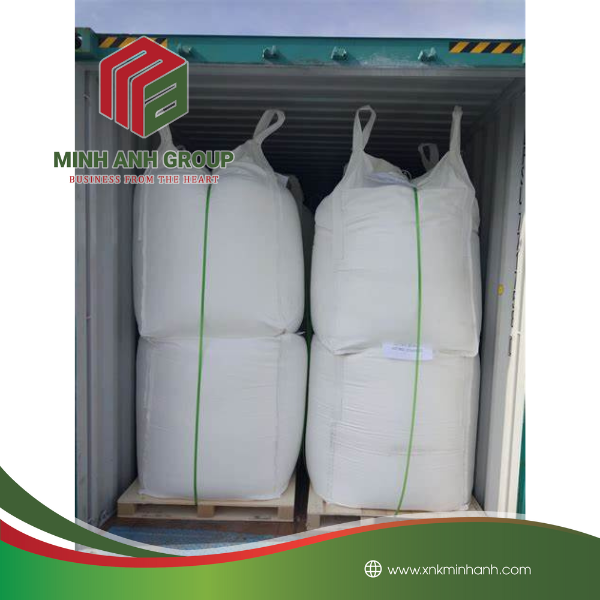
4. Filling and Discharging Safely
The processes of filling and discharging jumbo bags require precision and care to avoid accidents:
– Stabilize During Filling: Ensure that the bag is properly supported during filling to prevent tipping or uneven loading.
– Use Dust Control Measures: When handling fine powders or hazardous materials, use dust-tight spouts or liners to minimize exposure and environmental contamination.
– Monitor Discharge Speed: Discharging materials too quickly can create static electricity, especially with dry powders. Use grounding equipment if necessary.
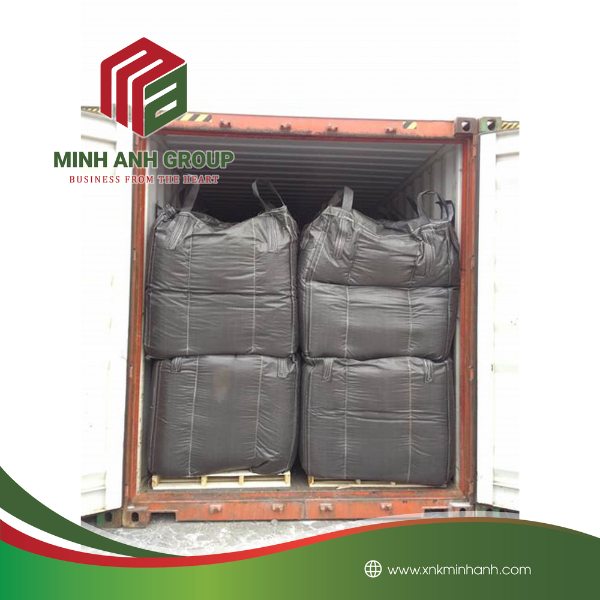
5. Static Electricity Risks
Static electricity is a significant concern when handling jumbo bags, especially in environments where flammable materials are present. To mitigate this risk:
– Use Conductive Bags: For flammable or combustible materials, use Type C or Type D FIBCs that are designed to dissipate static electricity.
– Grounding: Ensure proper grounding of equipment and bags during filling and discharging operations.
– Avoid Contaminants: Keep the working environment free from contaminants like oil or grease that could increase static buildup.

6. Inspection and Maintenance
Regular inspection of jumbo bags is essential to ensure their continued safe use:
– Check for Damage: Inspect bags for tears, punctures, or weakened seams before each use. Damaged bags should not be used under any circumstances.
– Monitor Loops and Handles: Examine lifting loops for fraying or wear, as these are critical for safe handling.
– Follow Reuse Guidelines: While some FIBCs are designed for multiple uses (multi-trip bags), others are single-use only. Reusing single-trip bags can lead to failure and accidents.
7. Training and Awareness
Proper training of personnel involved in handling jumbo bags is vital for maintaining safety standards:
– Educate Workers: Train workers on proper lifting techniques, equipment usage, and emergency procedures.
– Highlight Hazards: Make employees aware of potential risks such as overloading, improper stacking, or static electricity buildup.
– Encourage Reporting: Foster a culture where employees feel comfortable reporting damaged bags or unsafe practices.
8. Compliance with Regulations
Adhering to industry standards and regulations is non-negotiable when using jumbo bags:
– Follow Manufacturer Guidelines: Always use the bags according to the manufacturer’s instructions.
– Comply with Local Laws: Ensure compliance with local and international regulations related to material handling, hazardous goods transportation, and workplace safety.
– Labeling Requirements: Clearly label bags with information about their contents, SWL, and handling instructions.

Jumbo bags are an indispensable tool for bulk material handling across many industries, but their safe usage requires careful planning, proper equipment, and ongoing vigilance. By understanding bag specifications, adhering to handling protocols, ensuring proper storage, and providing adequate training, organizations can minimize risks and create a safer working environment. Always prioritize safety over convenience when working with FIBCs to protect both personnel and property.
Hãy là người đầu tiên nhận xét “What Are the Safety Considerations When Using Jumbo Bags?”
Sản phẩm tương tự

Tin Tức Bao Bì


Tin Tức Bao Bì

Tin Tức Bao Bì

Tin Tức Bao Bì

Tin Tức Bao Bì

Tin Tức Bao Bì

Tin Tức Bao Bì


Đánh giá
Chưa có đánh giá nào.