

How to Improve Efficiency with Jumbo Bag Automation
Jumbo bag automation represents a significant step forward for industries that rely on bulk material handling. By replacing manual processes with advanced machinery and systems, businesses can achieve higher productivity, improved accuracy, cost savings, and enhanced safety. While implementing automation requires careful planning and investment, the long-term benefits far outweigh the initial challenges.
In today’s fast-paced industrial environment, efficiency is not just a goal—it is a necessity. As businesses strive to meet increasing demands while minimizing costs and maximizing productivity, automation has emerged as a vital solution. One area where automation has made significant strides is in the handling, filling, and transportation of jumbo bags, also known as bulk bags or FIBCs (Flexible Intermediate Bulk Containers). These large, durable containers are widely used across industries such as agriculture, construction, chemicals, and food processing for storing and transporting bulk materials.

Jumbo bag automation has proven to be a game-changer for businesses looking to streamline operations and reduce manual labor. By integrating automated systems into the handling process, companies can achieve higher throughput, improved accuracy, and enhanced safety. In this article, we’ll explore how automation can improve efficiency in jumbo bag operations and the benefits it offers to modern industries.
The Role of Automation in Jumbo Bag Handling
Traditionally, the handling of jumbo bags has been labor-intensive and prone to inefficiencies. Workers are often required to manually lift, position, and fill the bags, which can lead to inconsistencies in weight, slower production rates, and potential safety hazards. Automation addresses these challenges by introducing advanced machinery and systems that perform repetitive tasks with precision and speed.
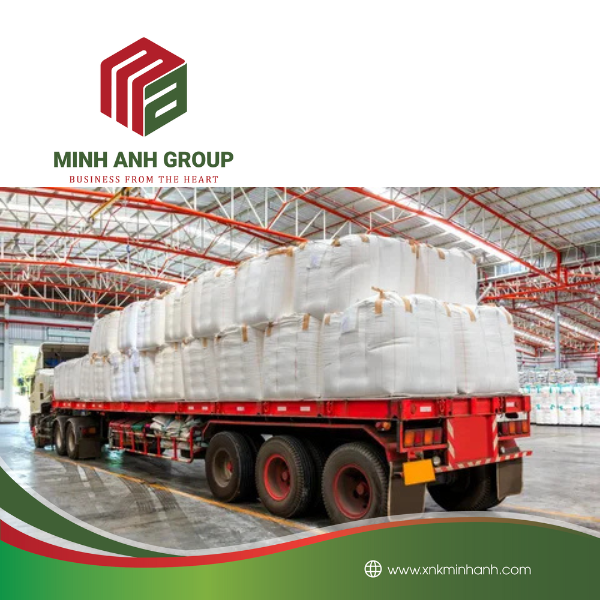
Automated jumbo bag systems typically include components such as bagging machines, filling stations, conveyors, palletizers, and robotic arms. These systems are designed to handle various stages of the process with minimal human intervention. For instance:
– Bag Filling: Automated filling stations ensure accurate and consistent filling of jumbo bags with bulk materials. Sensors and weighing systems monitor the weight in real-time, ensuring precision and reducing material waste.
– Bag Handling: Robotic arms or conveyor systems handle the movement of jumbo bags, from positioning empty bags under filling spouts to transferring filled bags to storage or shipping areas.
– Sealing and Labeling: Automation can also streamline the sealing process, whether by tying, stitching, or heat-sealing the bags. Additionally, automated labeling systems ensure that each bag is correctly identified for inventory management or shipping purposes.
By automating these processes, companies can eliminate bottlenecks, reduce errors, and improve overall productivity.

Key Benefits of Jumbo Bag Automation
1. Enhanced Productivity
Automated systems operate at a much faster pace than manual labor. Machines can handle multiple bags simultaneously or work continuously without fatigue, allowing businesses to meet tight production schedules. This increased throughput ensures that companies can scale their operations to meet growing demand without compromising on quality.
2. Improved Accuracy
Precision is critical when handling bulk materials. Overfilled or underfilled bags can lead to inventory discrepancies, customer dissatisfaction, or financial losses. Automated systems equipped with advanced weighing technology ensure that each bag is filled to the exact required weight. This level of accuracy not only reduces material waste but also ensures compliance with industry standards.
3. Cost Savings
While the initial investment in automation may seem significant, the long-term cost savings are substantial. By reducing reliance on manual labor, companies can lower operational costs related to wages, training, and workplace injuries. Additionally, automation minimizes material wastage and downtime caused by human error.
4. Enhanced Safety
Handling heavy jumbo bags manually poses significant risks to workers, including musculoskeletal injuries and accidents caused by improper lifting techniques. Automation eliminates these risks by reducing the need for physical interaction with heavy loads. Moreover, automated systems are designed with safety features such as emergency stop mechanisms and protective barriers to ensure safe operation.
5. Consistency and Quality Control
Automated systems deliver consistent results every time. Whether it’s ensuring uniform bag weights or maintaining the integrity of the packaging process, automation helps businesses uphold high-quality standards. This consistency is particularly important in industries like food processing or chemicals, where even minor deviations can have serious consequences.
6. Space Optimization
Automated systems are often designed with compact layouts that maximize floor space in manufacturing or storage facilities. With efficient use of space, companies can accommodate more equipment or inventory without requiring additional infrastructure.
Implementing Jumbo Bag Automation: Key Considerations

While the benefits of jumbo bag automation are clear, successful implementation requires careful planning and consideration. Here are some factors to keep in mind:
1. Assess Your Needs
Every business has unique requirements based on its industry, production volume, and material type. Conduct a thorough assessment of your current operations to identify inefficiencies and determine which aspects of jumbo bag handling would benefit most from automation.
2. Choose the Right Equipment
There are various types of automated systems available for jumbo bag handling. Consider factors such as bag size, material properties (e.g., density or flowability), and production capacity when selecting equipment. Consulting with an experienced supplier or integrator can help you choose the best solution for your needs.
3. Integration with Existing Systems
Ensure that the automated system you choose can seamlessly integrate with your existing production line or warehouse management system (WMS). Compatibility with other equipment and software is essential for a smooth transition to automation.
4. Employee Training
While automation reduces the need for manual labor, employees will still play a crucial role in overseeing operations and maintaining equipment. Provide comprehensive training to your team to ensure they can effectively operate and troubleshoot the automated system.
5. Maintenance and Support
Like any machinery, automated systems require regular maintenance to function optimally. Work with a supplier that offers reliable technical support and maintenance services to minimize downtime and extend the lifespan of your equipment.
Future Trends in Jumbo Bag Automation
As technology continues to advance, the future of jumbo bag automation looks even more promising. Innovations such as artificial intelligence (AI), machine learning, and the Internet of Things (IoT) are expected to further enhance efficiency and flexibility in automated systems.
– AI-Powered Systems: AI algorithms can optimize bag filling processes by analyzing data in real-time and making adjustments for maximum efficiency.
– IoT Connectivity: IoT-enabled devices allow for remote monitoring and diagnostics of automated systems, helping businesses identify issues before they escalate.
– Sustainability Features: With growing emphasis on sustainability, future automation solutions may incorporate eco-friendly features such as energy-efficient motors or recyclable materials for packaging.
By staying ahead of these trends, companies can continue to leverage automation as a competitive advantage in their industries.

Jumbo bag automation represents a significant step forward for industries that rely on bulk material handling. By replacing manual processes with advanced machinery and systems, businesses can achieve higher productivity, improved accuracy, cost savings, and enhanced safety. While implementing automation requires careful planning and investment, the long-term benefits far outweigh the initial challenges.

As technology evolves and industries continue to embrace innovation, automated solutions will play an increasingly important role in shaping efficient and sustainable operations. For businesses looking to stay competitive in today’s market, adopting jumbo bag automation is no longer an option—it is a strategic imperative.
Hãy là người đầu tiên nhận xét “How to Improve Efficiency with Jumbo Bag Automation”
Sản phẩm tương tự


Tin Tức Bao Bì


Tin Tức Bao Bì
Food Cling Film: Outstanding Advantages in Food Preservation

Tin Tức Bao Bì

Tin Tức Bao Bì

Tin Tức Bao Bì

Tin Tức Bao Bì


Đánh giá
Chưa có đánh giá nào.