

How Jumbo Bags Help in Disaster Relief Efforts
Disaster relief efforts demand swift, efficient, and reliable solutions to mitigate the impact of natural and man-made calamities. From floods and hurricanes to earthquakes and industrial accidents, the logistics of providing aid often determine the success of relief operations. Among the many tools utilized in these efforts, jumbo bags, also known as FIBCs (Flexible Intermediate Bulk Containers), have proven to be indispensable. Their versatility, durability, and cost-effectiveness make them a crucial resource in managing disaster response. This article explores how jumbo bags play a vital role in disaster relief operations and why they are an essential component of emergency preparedness.
Disaster relief efforts demand swift, efficient, and reliable solutions to mitigate the impact of natural and man-made calamities. From floods and hurricanes to earthquakes and industrial accidents, the logistics of providing aid often determine the success of relief operations. Among the many tools utilized in these efforts, jumbo bags, also known as FIBCs (Flexible Intermediate Bulk Containers), have proven to be indispensable. Their versatility, durability, and cost-effectiveness make them a crucial resource in managing disaster response. This article explores how jumbo bags play a vital role in disaster relief operations and why they are an essential component of emergency preparedness.
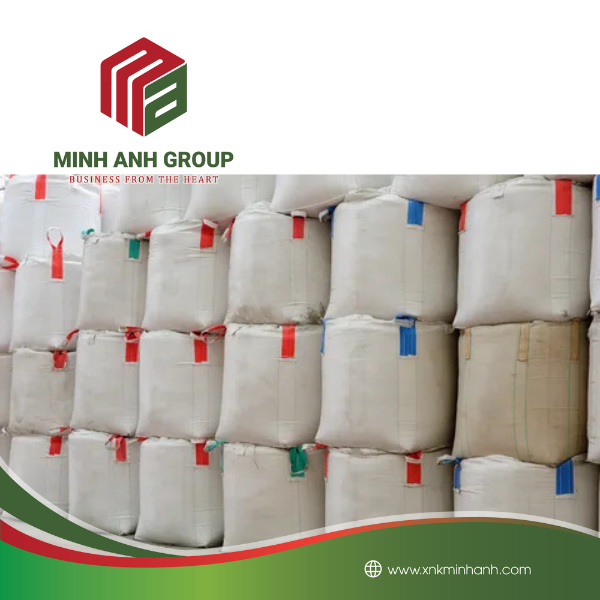
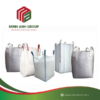
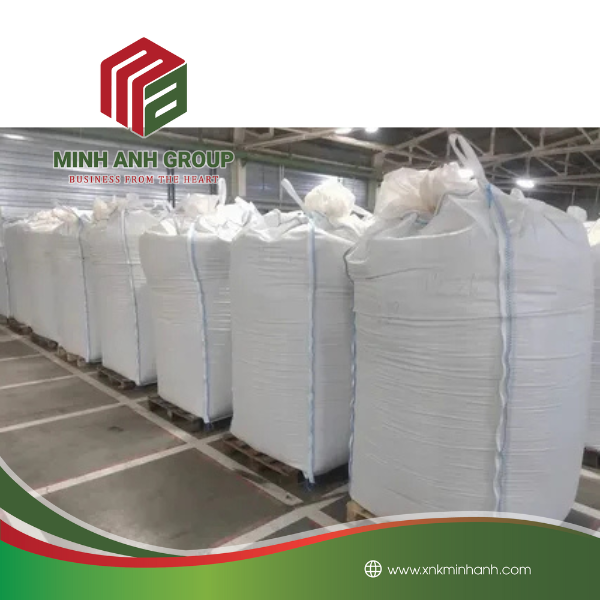
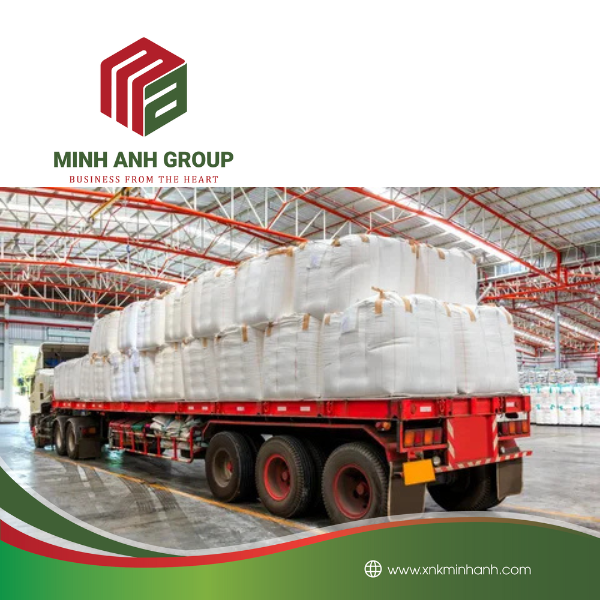
Jumbo bags are large, flexible containers made from woven polypropylene fabric, designed to store and transport bulk materials. They are lightweight yet strong enough to handle heavy loads, typically ranging from 500 kg to 2,000 kg. Available in various designs and configurations, jumbo bags can be tailored to suit specific needs, including those of disaster relief operations. Their features, such as UV resistance, water resistance, and ease of handling, make them an ideal choice for challenging environments.
1. Transportation of Essential Supplies
In the aftermath of a disaster, the immediate priority is to deliver essential supplies such as food, water, medical equipment, and clothing to affected areas. Jumbo bags provide a practical solution for transporting these items in bulk. Their high load capacity reduces the need for multiple trips, saving time and resources. Additionally, their compact design allows for efficient storage and transportation, even in limited spaces.
2. Sandbagging for Flood Control
One of the most common applications of jumbo bags in disaster scenarios is flood control. During floods or storms, large-scale sandbagging is often necessary to create barriers and prevent water from inundating critical areas. Jumbo bags can be filled with sand or soil and used as an alternative to traditional sandbags. Their size and durability make them more effective in holding back large volumes of water, offering better protection for infrastructure and communities.

3. Debris Removal
Disasters such as earthquakes, landslides, and hurricanes often leave behind significant amounts of debris that must be cleared to facilitate recovery efforts. Jumbo bags are ideal for collecting and transporting rubble, construction waste, and other debris. Their robust construction ensures that they can withstand sharp or heavy materials without tearing, making cleanup operations more efficient.
4. Storage of Emergency Supplies
Relief organizations often need to stockpile emergency supplies in preparation for disasters. Jumbo bags provide a secure and space-efficient storage solution for items such as grains, seeds, chemicals, and other bulk materials. Their resistance to moisture and pests ensures that stored goods remain safe and usable over extended periods.
5. Waste Management
Managing waste generated during relief operations is another critical aspect of disaster response. Jumbo bags can be used to collect and transport waste materials safely and hygienically. This helps prevent the spread of diseases and maintains sanitary conditions in temporary shelters or disaster-stricken areas.

1. Cost-Effectiveness
Jumbo bags are an economical option for bulk handling compared to traditional packaging or containers. Their reusability further enhances their cost-efficiency, making them a preferred choice for relief organizations operating on limited budgets.
2. Ease of Handling
Designed with lifting loops or sleeves, jumbo bags can be easily handled using forklifts, cranes, or other equipment. This simplifies loading and unloading processes, especially in remote or challenging terrains where manual labor may be limited.

3. Customizability
Jumbo bags can be customized to meet specific requirements, such as adding liners for waterproofing or using anti-static materials for handling hazardous goods. This adaptability ensures that they can be used for a wide range of applications in disaster relief.
4. Durability
Built to withstand harsh conditions, jumbo bags are resistant to tearing, UV radiation, and moisture. This durability ensures that they can perform reliably even in extreme environments, reducing the risk of material loss or damage during transportation.
5. Environmental Benefits
Many jumbo bags are recyclable and reusable, making them an environmentally friendly option compared to single-use packaging materials. This aligns with the global push towards sustainable practices in disaster management.
1. Flood Mitigation in Southeast Asia
In recent years, countries in Southeast Asia have faced severe flooding due to monsoons and typhoons. Relief agencies have extensively used jumbo bags filled with sand to construct temporary flood barriers around residential areas and critical infrastructure. These barriers have proven effective in minimizing damage and protecting vulnerable communities.
2. Earthquake Recovery in South America
Following a devastating earthquake in South America, jumbo bags were deployed to clear debris from collapsed buildings. Their ability to handle heavy loads allowed rescue teams to expedite cleanup efforts and focus on rebuilding efforts.
3. Hurricane Relief in the United States
During hurricane relief operations in the United States, jumbo bags were used to store and distribute food supplies to affected populations. Their large capacity reduced logistical challenges and ensured that aid reached those in need promptly.

While jumbo bags offer numerous advantages, there are certain challenges associated with their use in disaster relief:
– Proper Handling: Improper handling during loading or transportation can lead to damage or spillage. Training personnel on correct handling techniques is essential.
– Disposal: Although many jumbo bags are reusable or recyclable, managing their disposal after use requires careful planning to avoid environmental harm.
– Availability: Ensuring a sufficient supply of jumbo bags during emergencies may require preemptive procurement and stockpiling by relief organizations.
Jumbo bags have emerged as a versatile and reliable tool in disaster relief efforts worldwide. Their ability to store, transport, and protect essential materials makes them invaluable in managing crises effectively. As climate change continues to increase the frequency and intensity of natural disasters, the demand for practical solutions like jumbo bags is likely to grow. By integrating these flexible containers into emergency preparedness plans, governments and humanitarian organizations can enhance their capacity to respond swiftly and efficiently when disaster strikes.

In conclusion, jumbo bags not only support immediate relief efforts but also contribute to long-term recovery by streamlining logistics and reducing operational costs. Their role in disaster management underscores the importance of innovative yet practical solutions in addressing global challenges.
Hãy là người đầu tiên nhận xét “How Jumbo Bags Help in Disaster Relief Efforts”
Sản phẩm tương tự

Tin Tức Bao Bì

Tin Tức Bao Bì


Tin Tức Bao Bì


Tin Tức Bao Bì
Food Cling Film: Outstanding Advantages in Food Preservation


Đánh giá
Chưa có đánh giá nào.