
FIBC Bags in Space Logistics: Lessons for Earth-Based Supply Chains
Earth-based supply chains could definitely use some of this star power. Who wouldn’t want their logistics operation to feel like a scene out of *The Martian*? Just don’t start growing potatoes in your warehouse unless you’re prepared for some weird looks.
Ah, space—the final frontier, where humans boldly go to… well, figure out how to pack snacks and spare socks for a trip to the Moon. Among the many challenges of space travel—like not floating away mid-sneeze or finding out your crewmate snores in zero gravity—there’s the age-old conundrum of logistics. How do you transport stuff in space without it turning into an orbiting junkyard? Enter the unsung hero of both Earthly warehouses and intergalactic expeditions: the Flexible Intermediate Bulk Container (FIBC) bag.
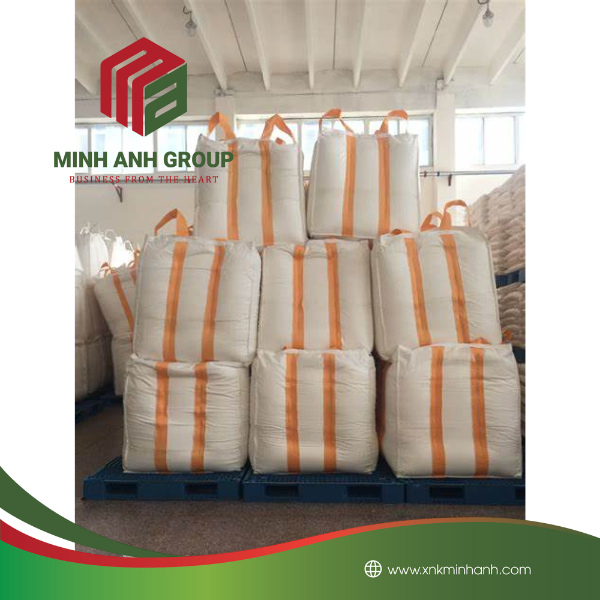
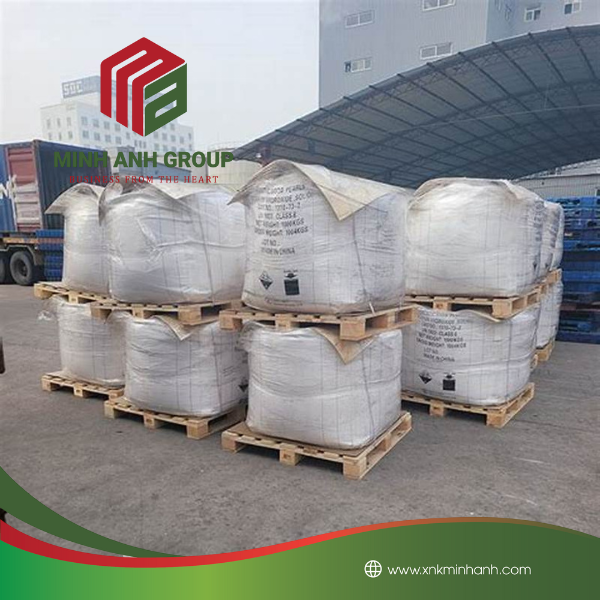
For the uninitiated, FIBC bags are those gigantic, durable sacks that can carry anything from grains to gravel. They’re like the reusable shopping bags of the industrial world, but on steroids. And as it turns out, they’re also a secret weapon for space logistics. So, what can Earth-based supply chains learn from their cosmic counterparts? Let’s unpack it—pun absolutely intended.
1. Weightlessness is No Joke
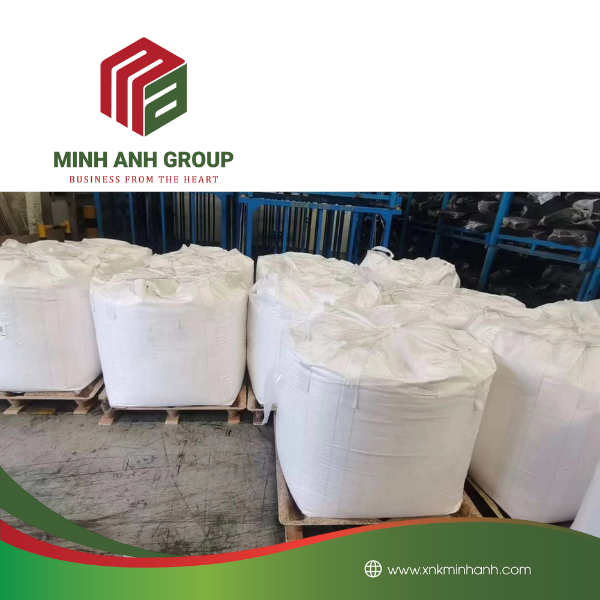
In space, weightlessness is a double-edged sword. Sure, it’s fun to float around like a human balloon, but try keeping your cargo in one place when it’s determined to drift off like an unbothered cloud. FIBC bags, with their sturdy straps and customizable sizes, are perfect for tethering down supplies. They’re like the clingy friend who never lets go—annoying at parties but lifesaving in zero-G.
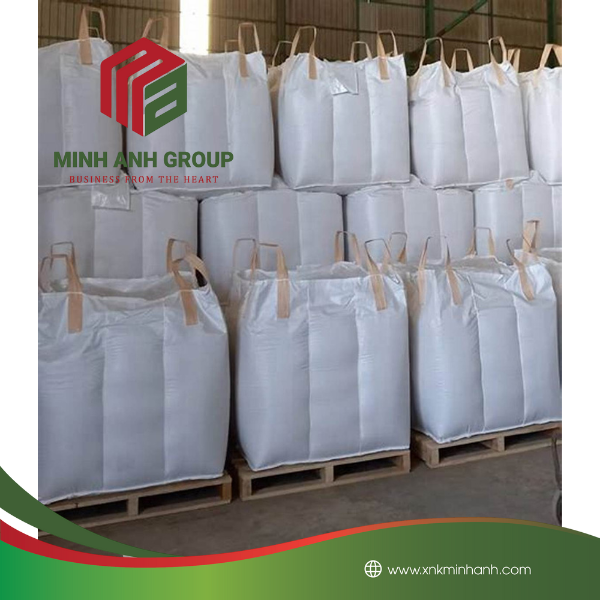
Earth lesson? While we don’t have floating bananas in warehouses (yet), we do have chaotic forklifts and slippery floors. Using FIBC bags to securely bundle goods can prevent spills, accidents, and those awkward moments when someone trips over a rogue box of cereal.
2. Space is Tight—Literally
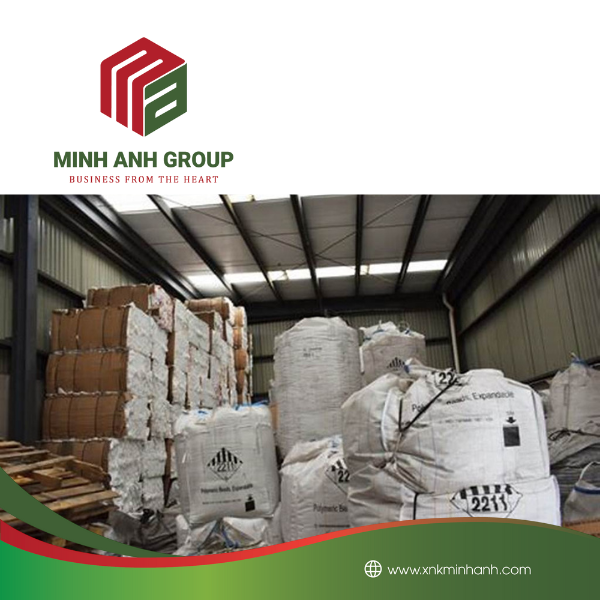
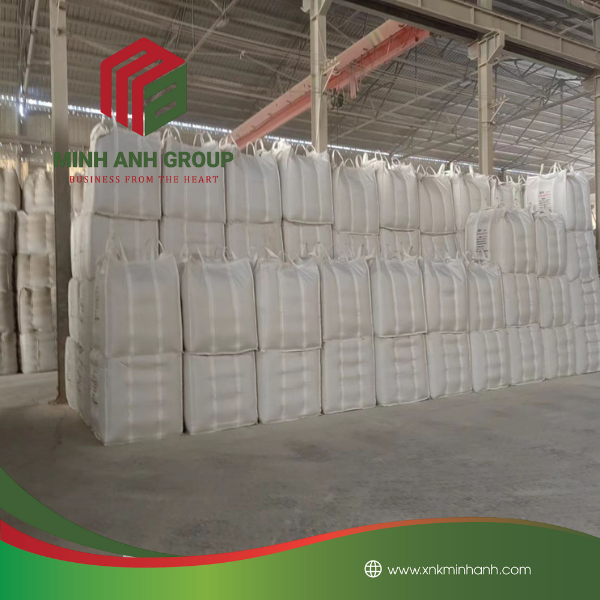
On a spaceship, every square inch counts. You can’t just toss things into a corner and hope for the best. FIBC bags are designed to maximize storage efficiency. They’re stackable, collapsible, and capable of holding ridiculous amounts of stuff without bursting like your jeans after Thanksgiving dinner.
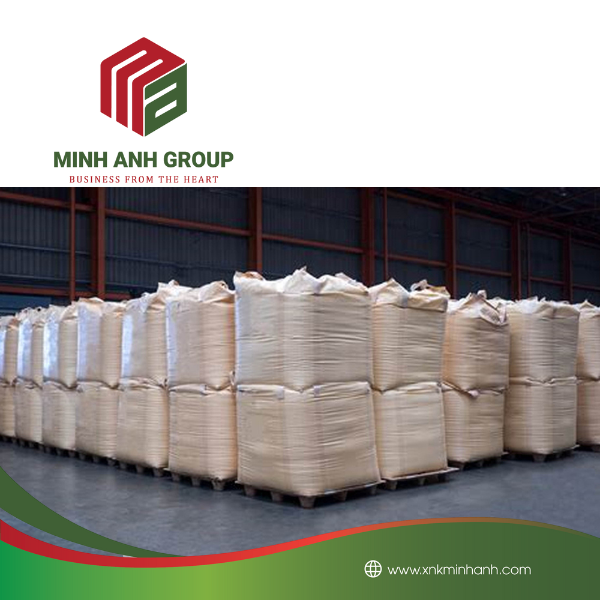
For Earth supply chains, this translates to better warehouse organization and reduced shipping costs. Why waste money on half-empty containers when you can pack like an interstellar pro? Plus, let’s be honest—who doesn’t want their storage room to look as sleek as a NASA control center?
3. Durability is Key
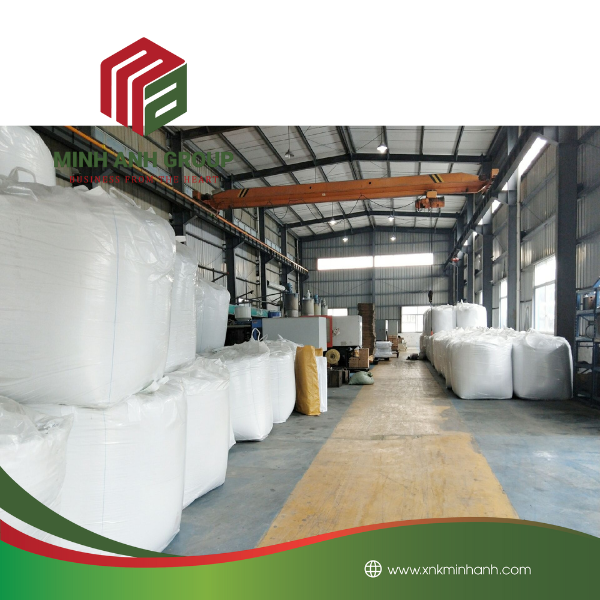
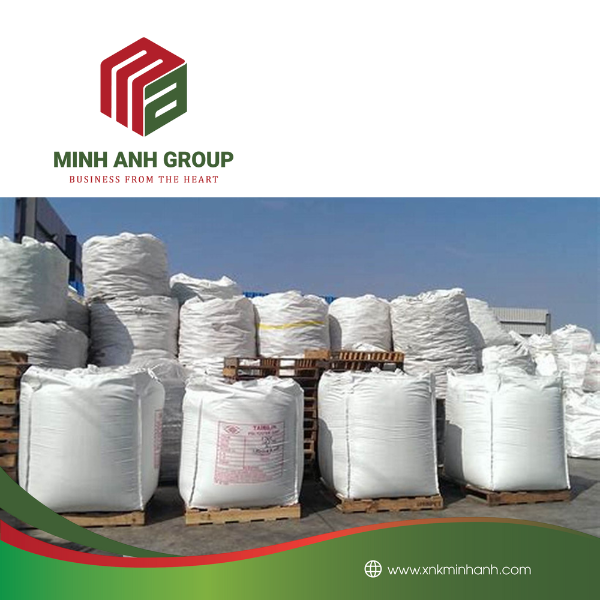
Space is not kind to fragile things. Between extreme temperatures and cosmic radiation, only the toughest materials survive. FIBC bags are made from woven polypropylene, which sounds like something out of a sci-fi movie but is actually just fancy plastic. They’re tear-resistant, weatherproof, and capable of withstanding more abuse than your inbox on a Monday morning.
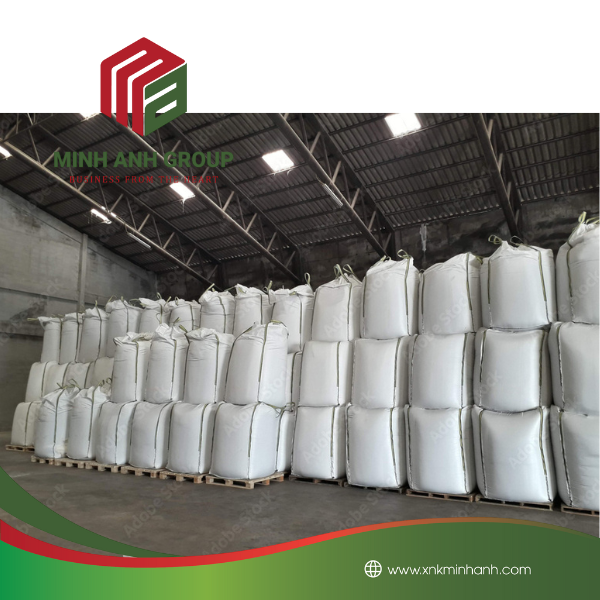
Back on Earth, this durability means fewer damaged goods and lower replacement costs. It’s also great for outdoor storage—because while we don’t have meteors raining down on us (yet), we do have unpredictable weather and that one raccoon who thinks your warehouse is his personal buffet.
4. Adaptability is Everything
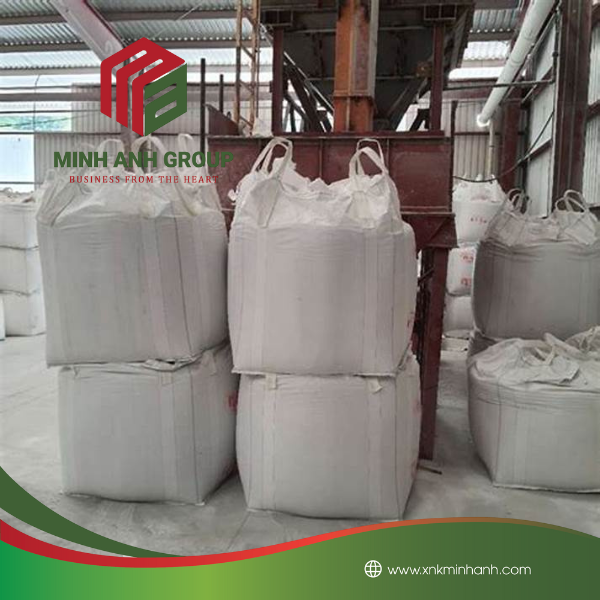
Need to transport freeze-dried astronaut ice cream? No problem. How about liquid fuel? Easy peasy. FIBC bags can be customized for different types of cargo, making them as versatile as duct tape (but way less sticky). In space, this adaptability is crucial for carrying everything from food to scientific equipment.
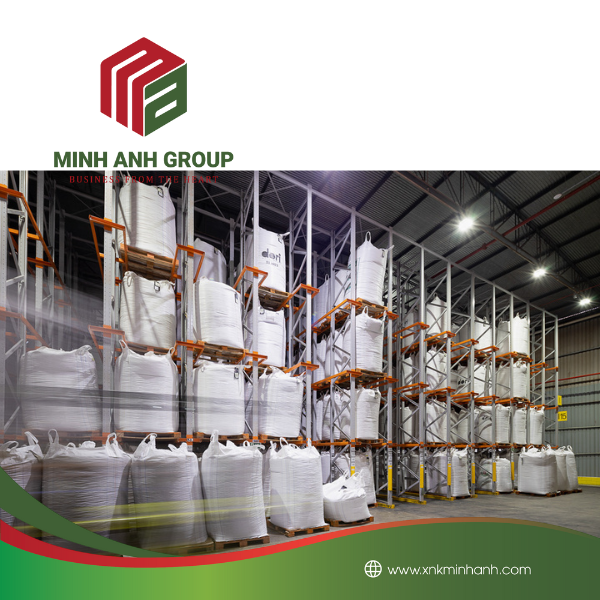
On Earth, it means supply chains can handle diverse products without needing a million different packaging solutions. It’s like having one outfit that works for the office, the gym, and a wedding—if only such a thing existed.
5. Reduce, Reuse, Recycle
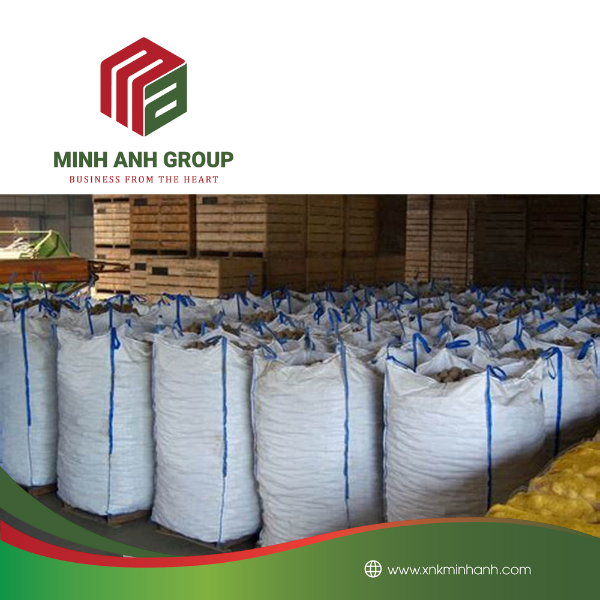
Space missions are all about efficiency. Every ounce of waste is a missed opportunity to carry something useful—like oxygen or more astronaut ice cream. FIBC bags are reusable and recyclable, making them an eco-friendly choice for space and Earth alike.
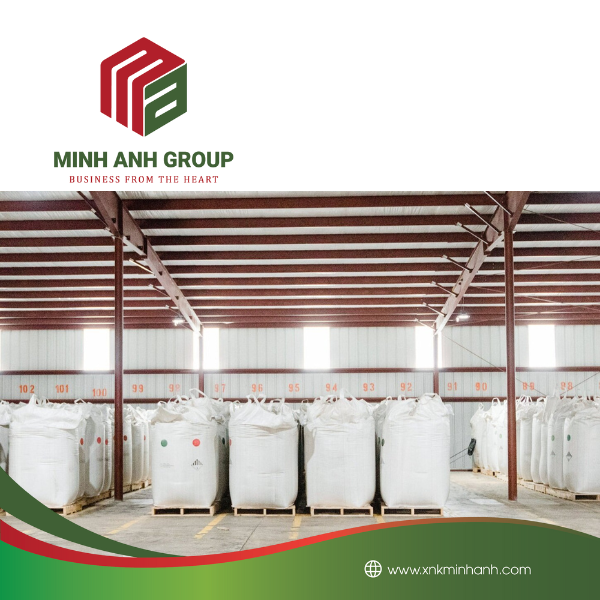
For terrestrial supply chains, this focus on sustainability is more important than ever. With consumers demanding greener practices and governments cracking down on waste, reusable packaging like FIBC bags is a no-brainer. Plus, they’re way cooler than single-use plastic wrap—just saying.
6. The Cool Factor
Let’s be real: anything associated with space automatically becomes cooler. Slap “NASA-approved” on an FIBC bag, and suddenly it’s not just a sack—it’s a *space sack*. Imagine the marketing possibilities! “Our products are packed with the same technology used by astronauts.” Boom. Instant credibility.
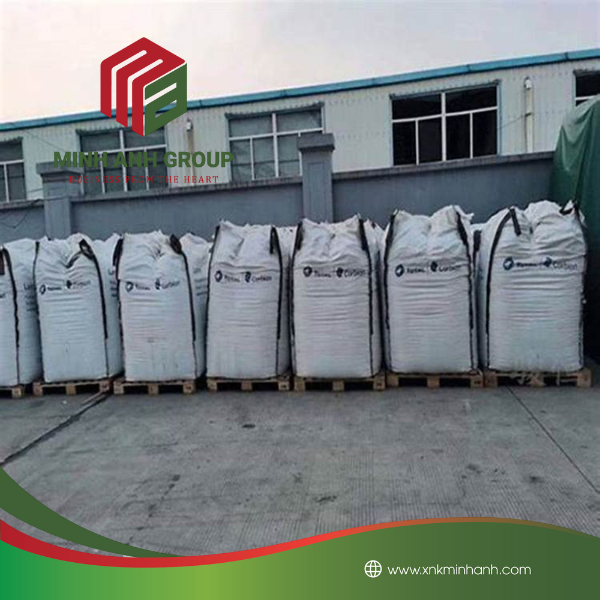
Earth-based supply chains could definitely use some of this star power. Who wouldn’t want their logistics operation to feel like a scene out of *The Martian*? Just don’t start growing potatoes in your warehouse unless you’re prepared for some weird looks.
Final Thoughts: The Space-Earth Connection
While most of us won’t be hopping on a spaceship anytime soon (unless Elon Musk has some surprises up his sleeve), there’s a lot we can learn from space logistics. FIBC bags may not be as glamorous as rocket engines or moon rovers, but they’re proof that even the simplest tools can have out-of-this-world applications.
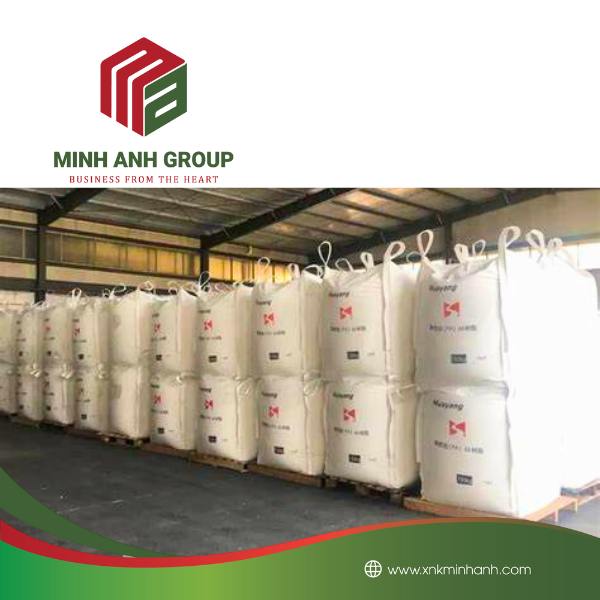
So next time you see one of these giant sacks in a warehouse or on a construction site, give it a little nod of respect. Who knows? It might just be the unsung hero that keeps humanity afloat—both literally and figuratively—as we reach for the stars.
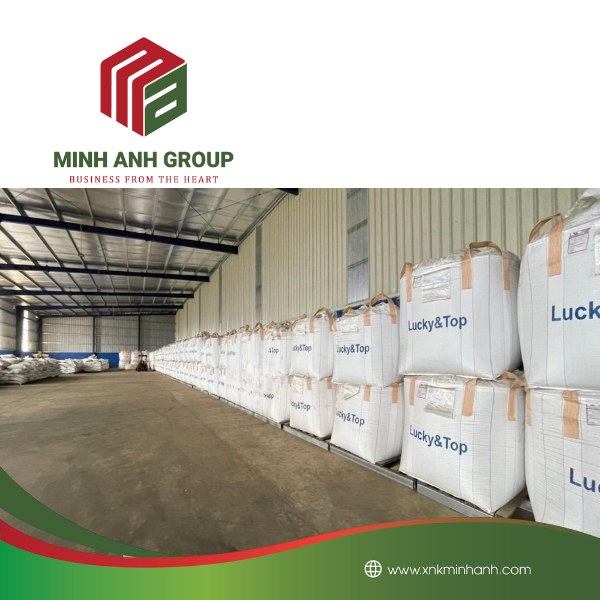
And if you ever find yourself packing for Mars, remember: always double-knot your FIBC straps. No one wants their snacks floating away mid-flight.
Hãy là người đầu tiên nhận xét “FIBC Bags in Space Logistics: Lessons for Earth-Based Supply Chains”
Sản phẩm tương tự


Tin Tức Bao Bì


Tin Tức Bao Bì

Tin Tức Bao Bì

Tin Tức Bao Bì

Tin Tức Bao Bì

Tin Tức Bao Bì


Đánh giá
Chưa có đánh giá nào.