
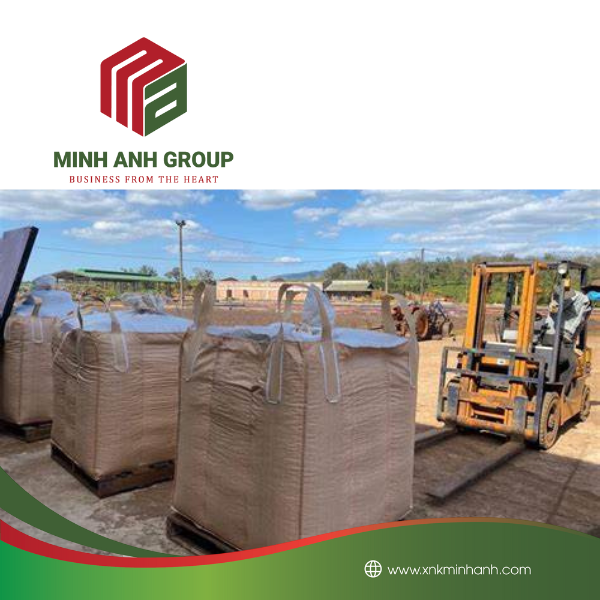
Self-Healing FIBC Bags: Nanotech for Uninterrupted Industrial Use
If you’re in an industry where material spills are your worst nightmare, then yes, self-healing FIBC bags are worth every penny. Sure, they might cost more upfront than regular bulk bags, but think about all the money you’ll save on cleanup crews and replacement bags—not to mention the priceless peace of mind knowing your cargo is safe.
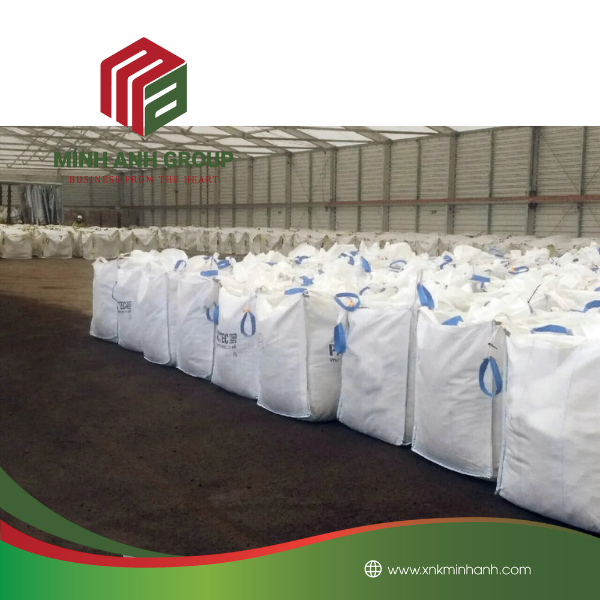
Let’s face it—industrial work is not exactly the glamorous, red-carpet lifestyle we all dream of. It’s tough, messy, and full of surprises. And by surprises, I mean things breaking down when you need them the most. Enter Flexible Intermediate Bulk Containers (FIBCs), also known as bulk bags. These oversized sacks are the unsung heroes of the industrial world, hauling everything from sand to sugar to mysterious powders that no one asks too many questions about. But even heroes have their kryptonite: rips, tears, and punctures.
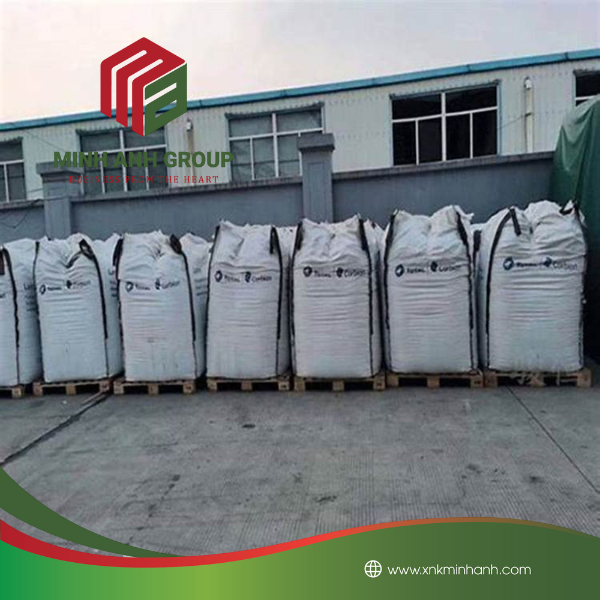
Imagine this: you’re in the middle of moving a ton (literally) of materials when—*rip*—your trusty FIBC bag gives up on life. Cue the panic, the mess, and possibly a dramatic slow-motion shot of you yelling, “Noooooooo!” as your precious cargo spills everywhere. Well, fret no more, because science has swooped in with a cape and a clipboard to save the day. Ladies and gentlemen, I present to you: self-healing FIBC bags, powered by nanotechnology. Yes, nanotech. The same science that sounds like it belongs in a Marvel movie is now saving your industrial operations from chaos. Let’s dive into this weirdly wonderful innovation.
What Are Self-Healing FIBC Bags?
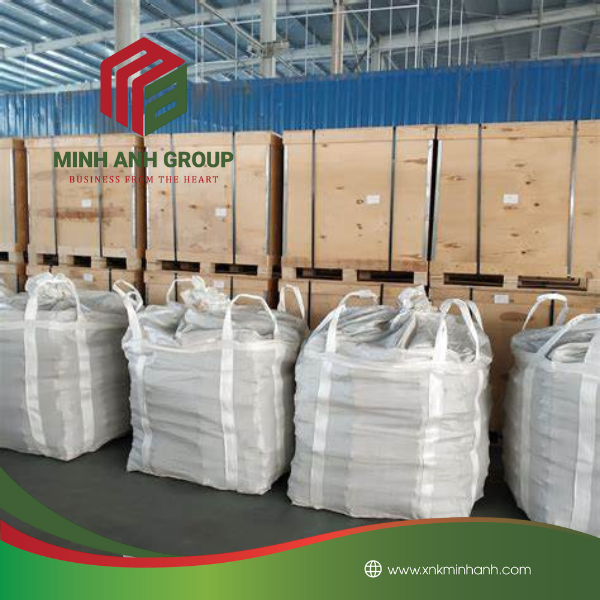
First off, let’s break this down. A self-healing FIBC bag is exactly what it sounds like: a bag that can repair itself when it gets damaged. Think of it as the Wolverine of industrial packaging. Got a small tear? No problem—it’ll patch itself up like it’s auditioning for a role in a sci-fi film. The secret sauce here is nanotechnology, which involves manipulating materials at an atomic or molecular level. In the simplest terms, scientists have figured out how to make tiny particles act like tiny doctors for your bag.
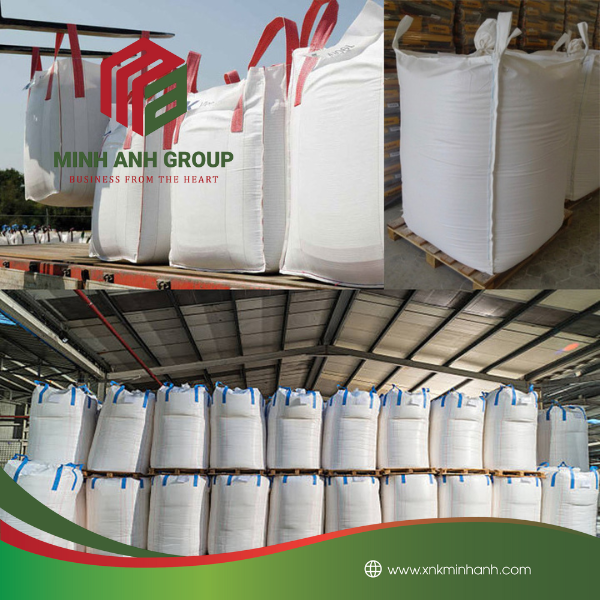
These bags are coated with a special polymer infused with nanoparticles that react to damage. When the bag gets a tear or puncture, the nanoparticles spring into action, bonding together to seal the wound. It’s like a first-aid kit built right into the fabric. Honestly, if these bags could also make coffee, they’d be perfect.
Why Do We Need This?
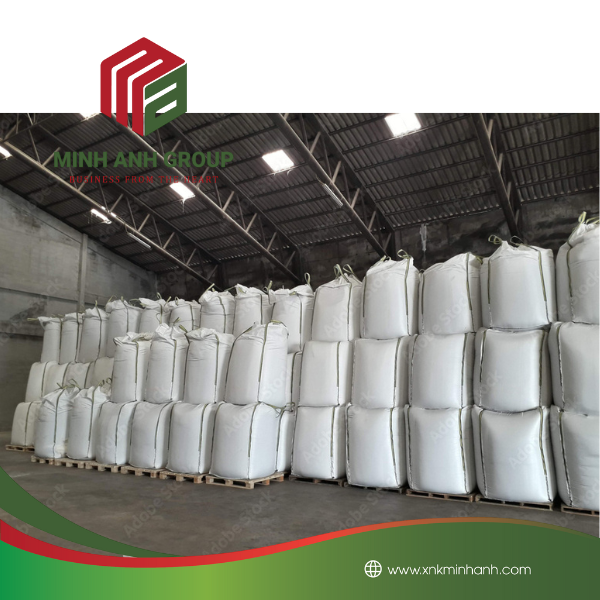
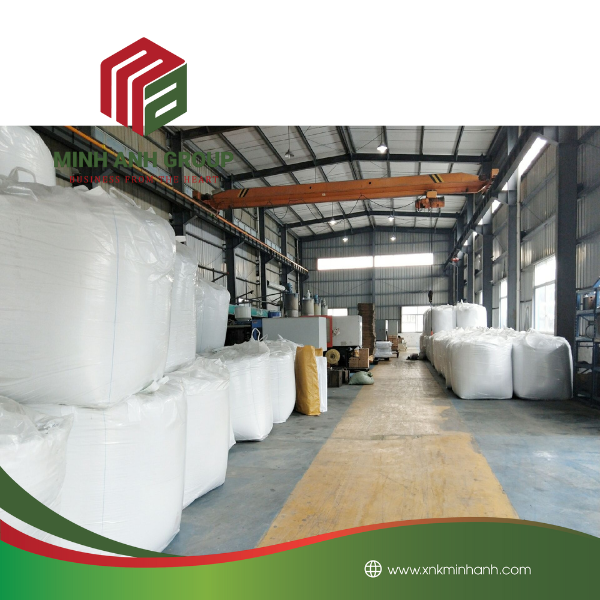
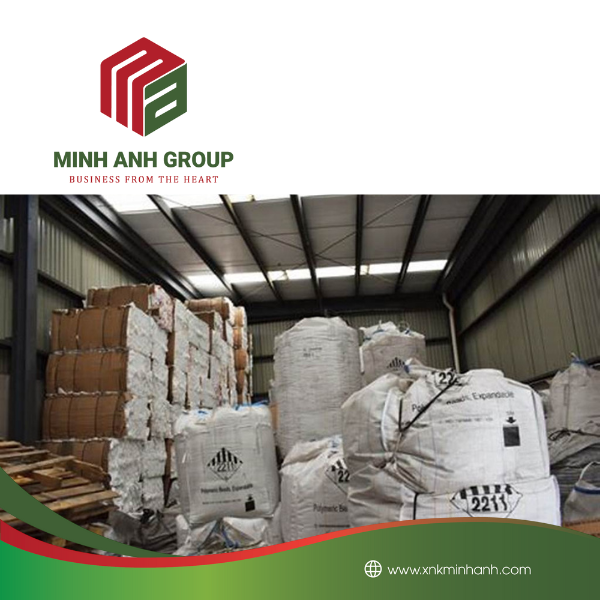
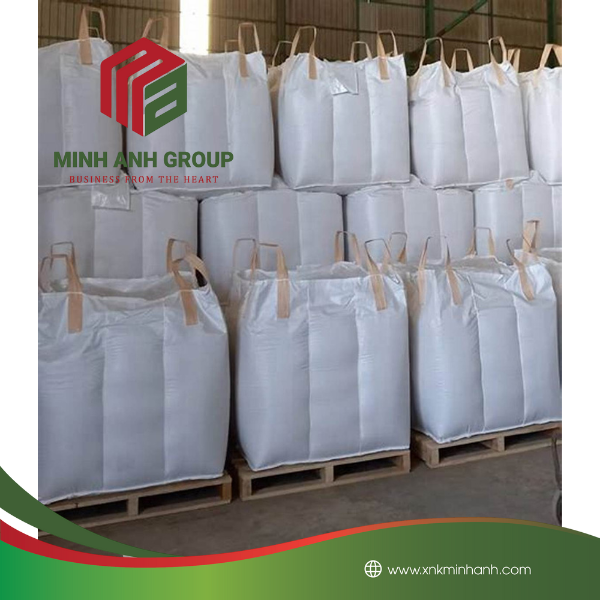
Great question! Let me paint you a picture: You’re in a warehouse filled with hundreds of FIBC bags stacked like industrial Jenga towers. One rogue forklift driver (you know who you are) accidentally grazes a bag with the forklift’s prongs. Normally, this would lead to a catastrophic spill that would take hours to clean up and possibly result in some very awkward conversations with management. But with self-healing FIBC bags? The tear seals itself before anyone even notices. Crisis averted. Forklift guy lives to see another day.
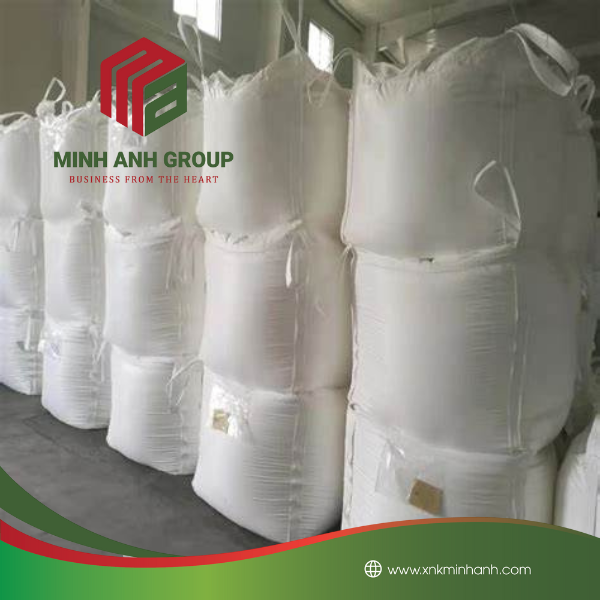
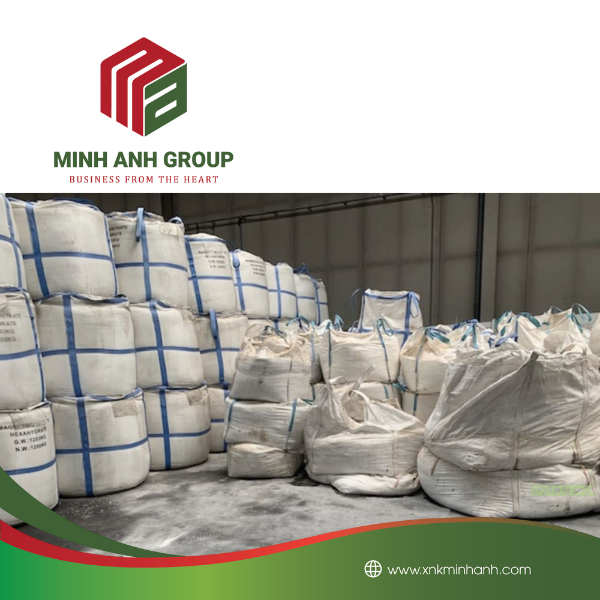
These bags are especially useful for industries dealing with hazardous materials or fine powders that can’t afford to leak everywhere like glitter at an arts-and-crafts party. Plus, they reduce waste since you won’t have to toss out damaged bags as often. It’s good for your wallet *and* the planet. Who knew saving the environment could be so high-tech?
How Do They Work?
Okay, let’s get nerdy for a second (but not too nerdy—I promise this won’t feel like a chemistry lecture). The magic lies in those nanoparticles we mentioned earlier. These particles are programmed to respond to physical damage by chemically bonding together or melting slightly to fill in gaps. Think of them as tiny construction workers who never take coffee breaks.
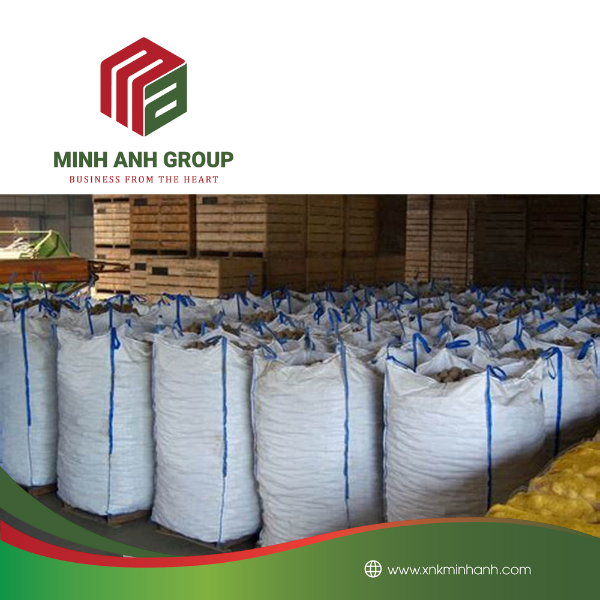
Here’s an example: If a sharp object punctures the bag, the nanoparticles detect the breach and activate their self-healing properties. Depending on the material used, this process can take anywhere from a few seconds to a couple of minutes. It’s like watching your bag perform surgery on itself—minus the scalpel and dramatic background music.
The Pros and Cons
Pros:
1. Less Downtime: No more stopping operations to deal with torn bags.
2. Reduced Costs: Fewer damaged bags mean fewer replacements.
3. Environmentally Friendly: Less waste ends up in landfills.
4. Cool Factor: Let’s be honest—telling people you use “self-healing nanotech bags” makes you sound like Tony Stark.
Cons:
1. Price Tag: Advanced technology doesn’t come cheap (yet).
2. Limited Healing: These bags can’t fix *every* type of damage—if you take a chainsaw to one, don’t expect miracles.
3. Overconfidence: You might start testing their limits just to see how much they can take. (Spoiler alert: Don’t.)
Are They Worth It?
If you’re in an industry where material spills are your worst nightmare, then yes, self-healing FIBC bags are worth every penny. Sure, they might cost more upfront than regular bulk bags, but think about all the money you’ll save on cleanup crews and replacement bags—not to mention the priceless peace of mind knowing your cargo is safe.
Plus, let’s not overlook the sheer joy of watching your bag heal itself like it’s auditioning for the next Avengers movie. That alone might be worth the investment.
What’s Next?
The future of self-healing technology is looking brighter than a freshly polished forklift (seriously, who polishes those things?). Researchers are already working on making these bags even smarter—imagine bags that can *sense* changes in temperature or pressure and adjust accordingly. Or bags that can send you a text when they’re damaged: “Hey boss, got a small tear but don’t worry—I’m on it.”
And who knows? Maybe one day we’ll have self-healing everything: clothes that fix themselves when you snag them on something, phone screens that repair cracks overnight, or even cars that can heal dents after minor fender benders. The possibilities are endless—and slightly terrifying.
Final Thoughts
Self-healing FIBC bags might sound like something out of a sci-fi novel, but they’re very real—and very cool. They’re proof that even in the gritty world of industrial work, there’s room for innovation and a little bit of magic (okay, fine, science). So the next time you’re hauling tons of materials across a warehouse floor, take a moment to appreciate the humble bulk bag—and maybe upgrade to one that heals itself. Who knew industrial packaging could be so cutting-edge?
Hãy là người đầu tiên nhận xét “Self-Healing FIBC Bags: Nanotech for Uninterrupted Industrial Use”
Sản phẩm tương tự

Tin Tức Bao Bì

Tin Tức Bao Bì

Tin Tức Bao Bì


Tin Tức Bao Bì


Tin Tức Bao Bì


Đánh giá
Chưa có đánh giá nào.