
FIBC Bags as Kinetic Art: Transforming Industrial Waste into Public Installations


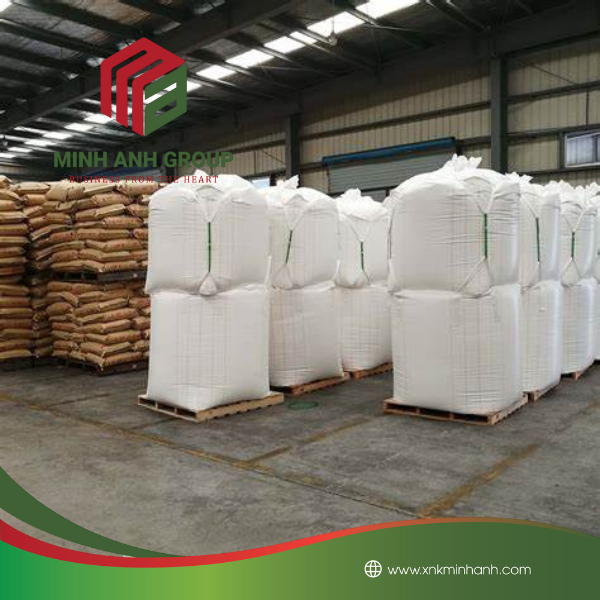
Let’s talk about FIBC bags. You know, those huge, industrial-sized, slightly intimidating sacks used for transporting bulk materials like sand, gravel, or maybe even the hopes and dreams of overworked construction workers. These bags are sturdy, utilitarian, and—let’s face it—not exactly the Mona Lisa of the industrial world. But what if I told you that these massive, floppy containers could be transformed into something a little less “gritty construction site” and a little more “avant-garde art exhibit”? Intrigued? Well, buckle up, because we’re about to dive into the wild world of turning FIBC bags into kinetic art.
Let’s talk about FIBC bags. You know, those huge, industrial-sized, slightly intimidating sacks used for transporting bulk materials like sand, gravel, or maybe even the hopes and dreams of overworked construction workers. These bags are sturdy, utilitarian, and—let’s face it—not exactly the Mona Lisa of the industrial world. But what if I told you that these massive, floppy containers could be transformed into something a little less “gritty construction site” and a little more “avant-garde art exhibit”? Intrigued? Well, buckle up, because we’re about to dive into the wild world of turning FIBC bags into kinetic art.
Wait, What Even Are FIBC Bags?
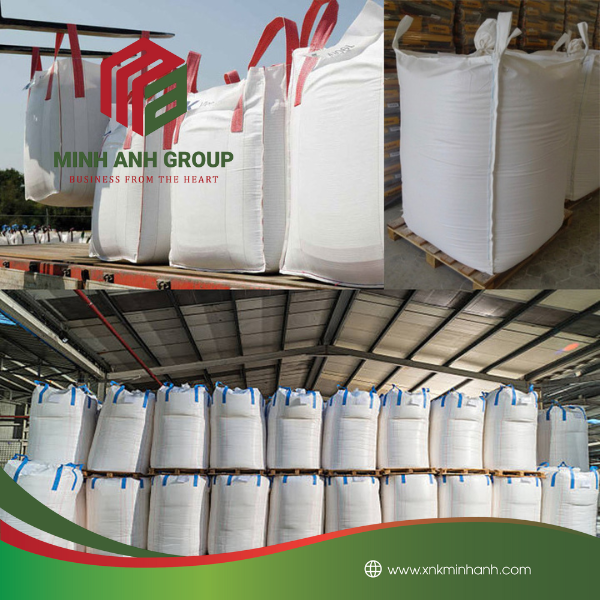
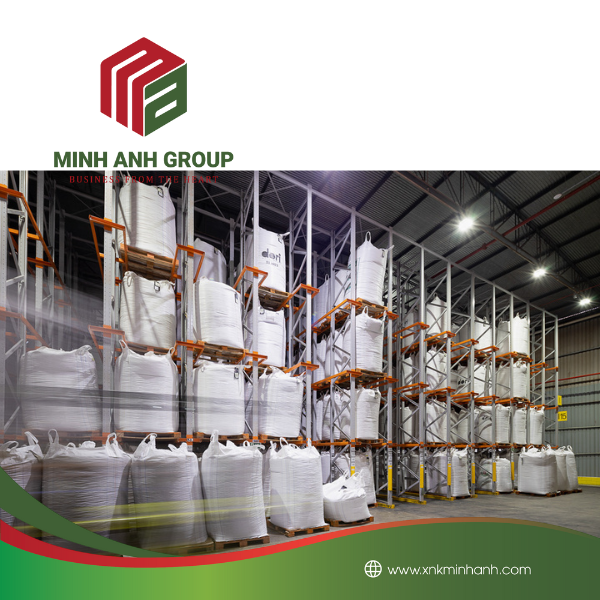
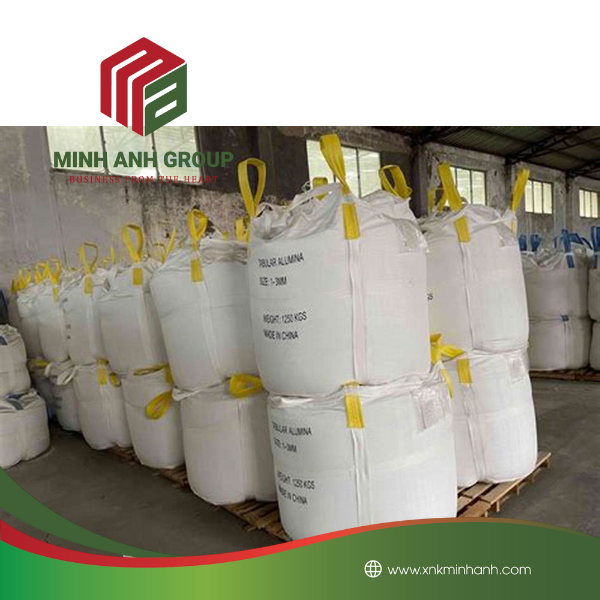
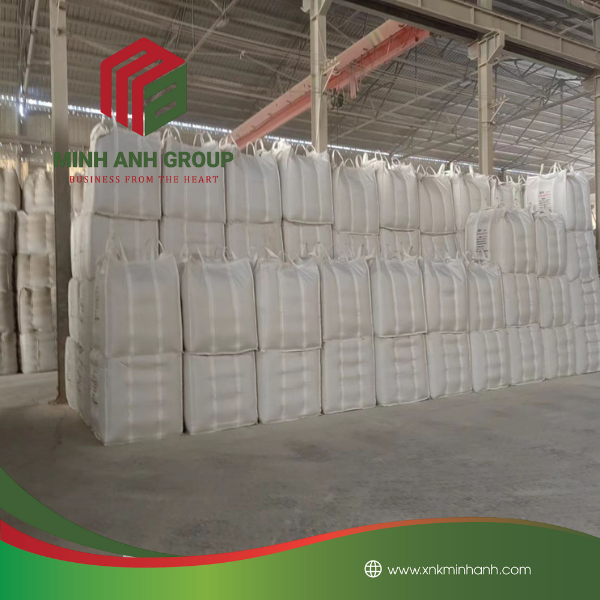
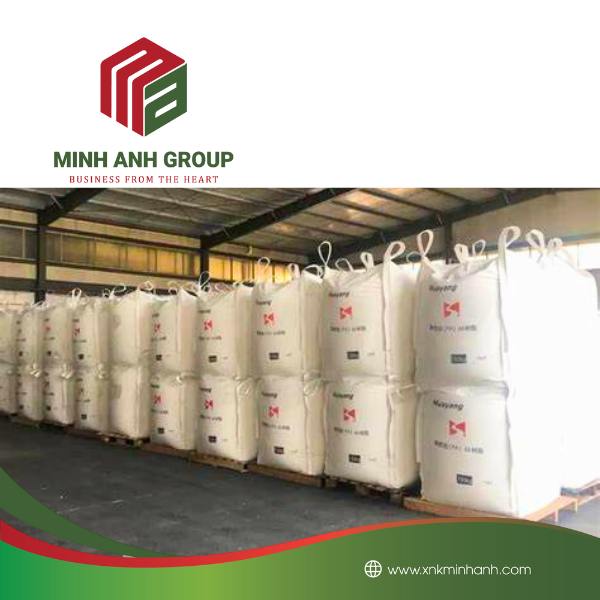
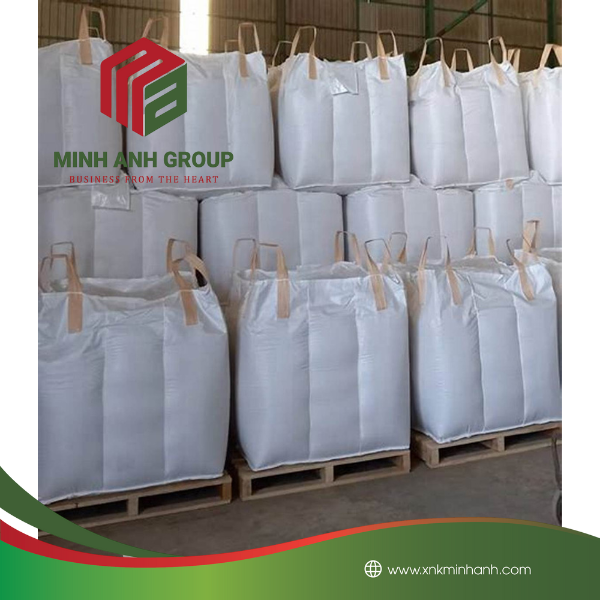
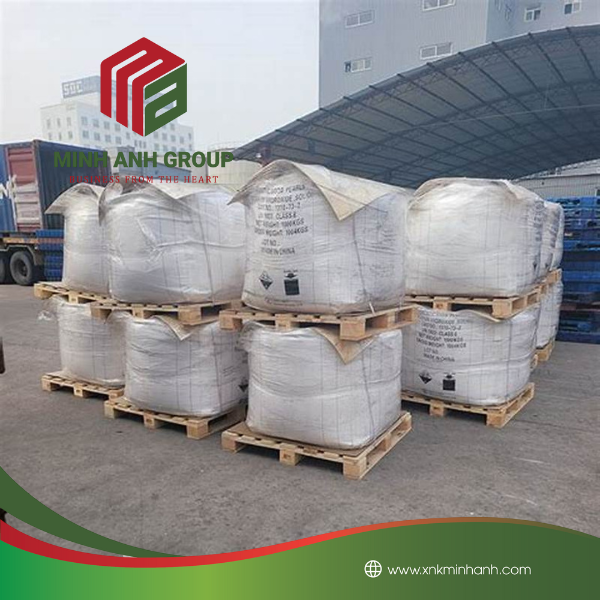
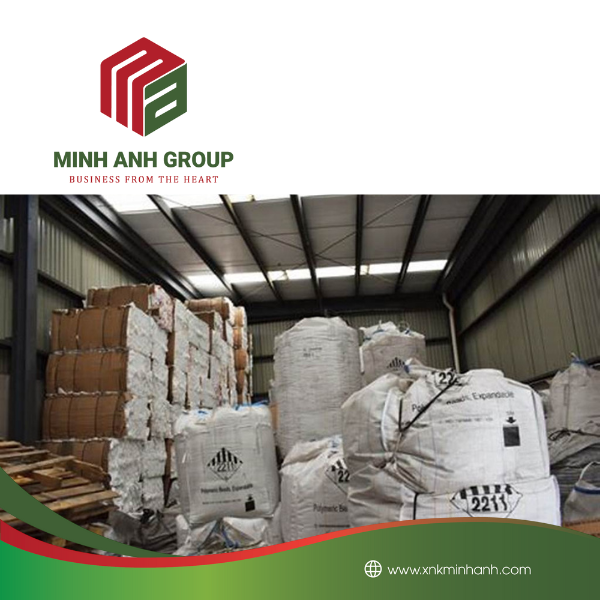
First of all, let’s demystify the acronym. FIBC stands for Flexible Intermediate Bulk Container. Fancy, right? But don’t let the name fool you—these bags are essentially the workhorses of the industrial sector. They’re big, they’re tough, and they’re often discarded once their job is done. Think of them as the unsung heroes of logistics, quietly hauling mountains of stuff while dreaming of a more glamorous life.
Enter: Kinetic art. For those who skipped art history class (or were too busy doodling in the margins), kinetic art is all about movement. It’s art that literally moves—sometimes with the help of wind, motors, or even overenthusiastic museum-goers who can’t resist poking things they shouldn’t. So, what happens when you combine these two unlikely elements: the humble FIBC bag and the dynamic world of kinetic art? You get something that’s equal parts genius and hilariously absurd.
From Trash to Treasure (or at Least Something People Will Instagram)
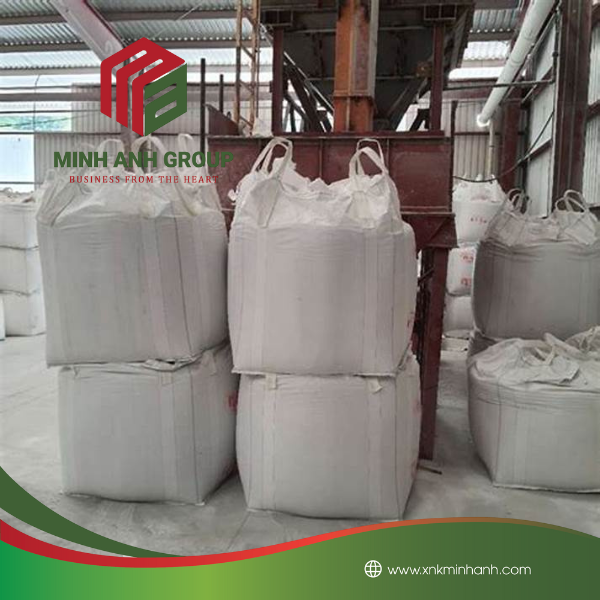
Imagine walking through a park and seeing a giant FIBC bag billowing in the wind like an overzealous parachute that missed its skydiver. Or picture a cluster of these bags rigged up to pulleys and motors, moving in synchronized chaos like some sort of industrial ballet. It’s weird. It’s wonderful. It’s… oddly mesmerizing.
Artists around the world are starting to see the potential in these discarded behemoths. Why let them sit in a landfill when they can become part of a public installation that makes people stop and say, “Wait, is that… a giant bag doing yoga?”
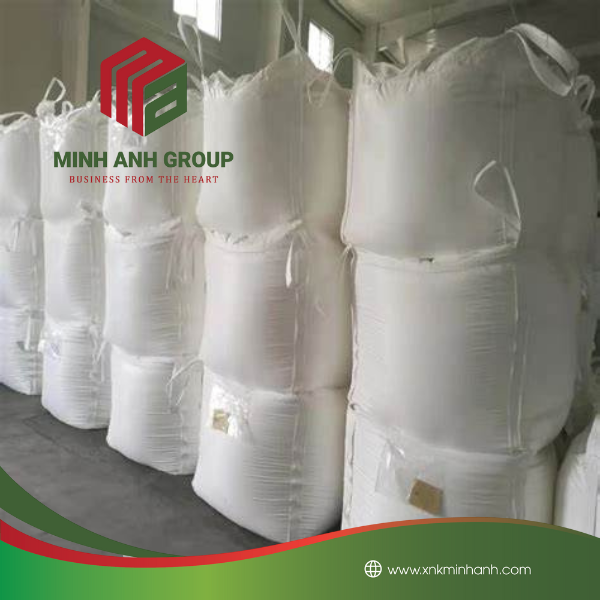
One artist created an installation called *The Dance of the FIBCs*, where dozens of these bags were suspended from wires and programmed to sway gently in the breeze. The result? A surreal forest of floating sacks that looked like they were practicing tai chi. Onlookers were equal parts confused and delighted—a true hallmark of modern art.
The Logistics of Turning Bags into Beauty
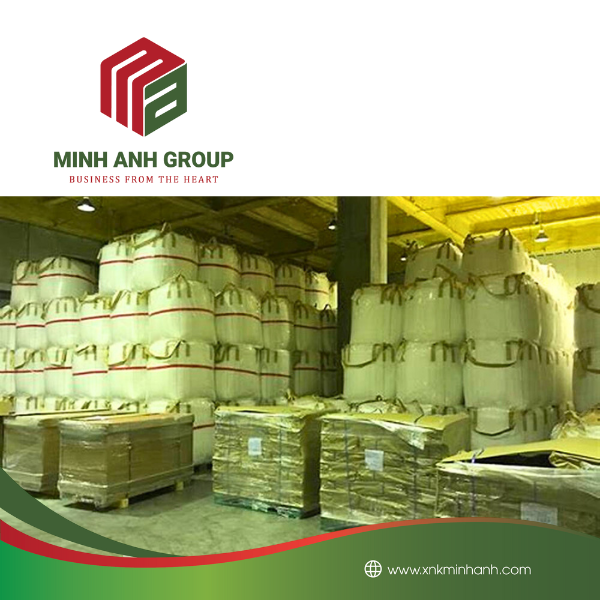
Now, before you start raiding your local construction site for discarded FIBC bags (please don’t), let’s talk logistics. Turning these industrial giants into art isn’t as simple as slapping some paint on them and calling it a day. For starters, they’re massive. Like, “you-could-fit-a-couple-of-goats-in-here” massive. Transporting them alone is an exercise in spatial reasoning—and possibly a test of your patience.
Then there’s the question of durability. Sure, these bags are tough enough to haul gravel, but can they withstand the harsh judgment of art critics? (Spoiler: probably not.) Artists often have to reinforce them, clean them up, and sometimes even dye them fun colors to make them more visually appealing. Because let’s be real—nobody wants to admire a bag that still smells like fertilizer.
Why Kinetic Art?
You might be wondering: Why not just turn these bags into stationary sculptures? Why all the movement? Well, for one thing, kinetic art adds an element of unpredictability—something that’s sorely lacking in the world of perfectly curated Instagram feeds and overly rehearsed TikTok dances. Watching an FIBC bag sway in the wind or spin on a motorized axis is surprisingly soothing, like watching a very large, very awkward jellyfish trying to find its groove.
Plus, there’s something inherently funny about taking something so mundane and giving it a dramatic new purpose. It’s like watching your introverted coworker suddenly break out into karaoke—it’s unexpected, it’s delightful, and it makes you see them in a whole new light.
The Environmental Angle (Because Saving the Planet is Cool)
Okay, let’s get serious for a second (but just for a second—I promise). One of the coolest things about turning FIBC bags into art is that it gives these industrial leftovers a second life. Instead of ending up in a landfill or floating in the ocean like some sad, oversized jellyfish imposter, these bags get to be part of something meaningful—or at least entertaining.
By repurposing FIBC bags as art, we’re not just creating something cool to look at; we’re also making a statement about waste and sustainability. And if that statement happens to be delivered by a 10-foot-tall bag doing interpretive dance in a public square? Even better.
Your Turn: Get Inspired (and Maybe a Little Weird)
So, could FIBC bags be the next big thing in public art? Who knows? What we do know is that there’s something undeniably fun about taking an object that was designed for pure utility and turning it into something whimsical and unexpected. It’s like giving a boring accountant a pair of roller skates and watching them transform into a disco king—it just works.
If you’re feeling inspired, why not try your hand at creating your own FIBC bag masterpiece? Sure, your neighbors might think you’ve lost your mind when they see you hoisting a giant sack onto your roof with a pulley system, but hey—that’s the price of artistic genius.
In conclusion: FIBC bags may have started their lives as humble workhorses of industry, but with a little imagination (and maybe some duct tape), they can become so much more. So here’s to the unsung heroes of logistics—and to the artists brave enough to turn them into something truly unforgettable.
Hãy là người đầu tiên nhận xét “FIBC Bags as Kinetic Art: Transforming Industrial Waste into Public Installations”
Sản phẩm tương tự

Tin Tức Bao Bì


Tin Tức Bao Bì


Tin Tức Bao Bì


Tin Tức Bao Bì


Đánh giá
Chưa có đánh giá nào.