
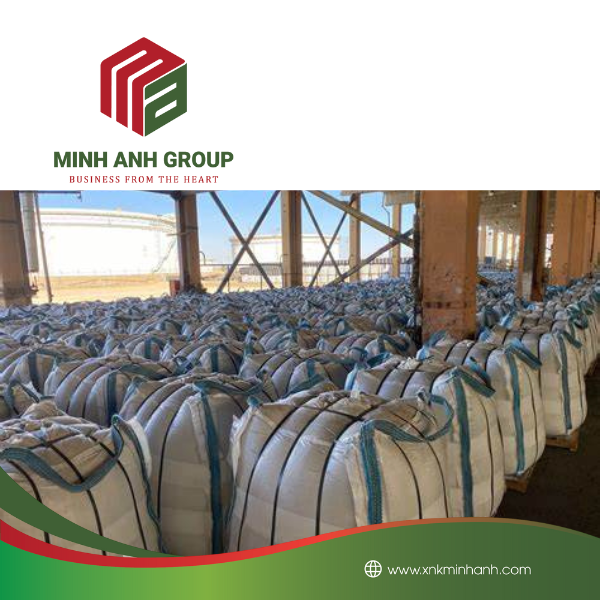
Ah, FIBC bags! The unsung heroes of the industrial world. For those of you scratching your head, wondering if FIBC is some new cryptocurrency or a trendy fitness craze, let me clarify: FIBC stands for Flexible Intermediate Bulk Containers. Essentially, they are big, sturdy bags that can carry more weight than your average gym bro can bench press. But today, we’re not here to talk about their generic uses. Oh no, my friend. We’re diving into how these jumbo sacks are revolutionizing the renewable energy sector. Yes, you heard that right—renewable energy. Let’s talk about transporting biomass and beyond, with a side of humor to keep things light (unlike the contents of these bags).
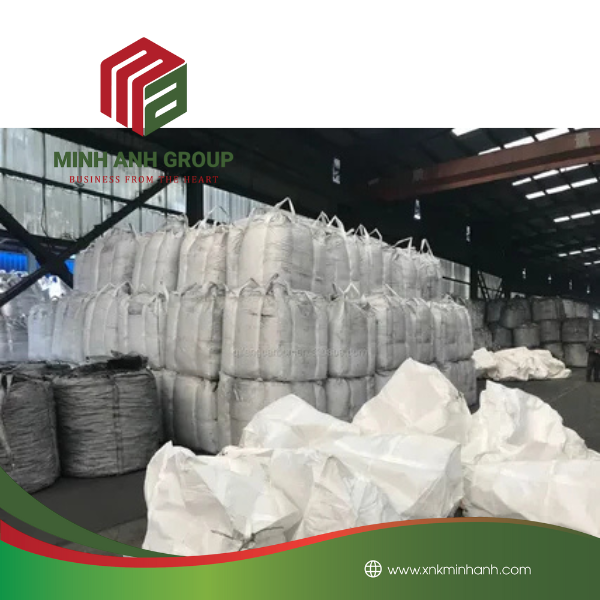
Biomass: The Fuel That’s Not Fossil
Before we get to the bags, let’s talk about biomass. What is it? Think of it as nature’s way of saying, “Hey, I can be fuel too!” Biomass includes organic materials like wood chips, agricultural residues, and other plant-based goodies that can be converted into energy. It’s like composting but with a much cooler endgame—powering your home or car instead of just making your garden look fabulous.
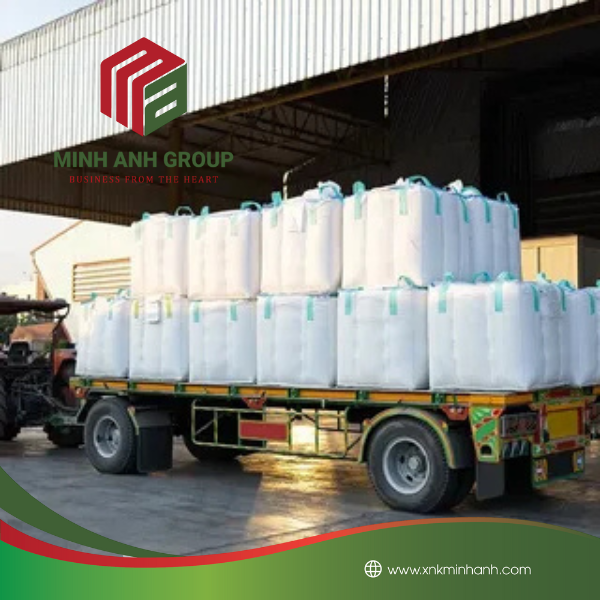
Now, transporting biomass is no easy feat. It’s bulky, messy, and has a tendency to scatter everywhere like confetti at a surprise party. Enter FIBC bags, the superheroes of the transport world. These bad boys can carry up to 2,000 pounds of biomass in one go. That’s like stuffing an entire family of grizzly bears into a bag—though I wouldn’t recommend trying that unless you have excellent health insurance.
Why FIBC Bags Are Perfect for Biomass
1. Size Matters
Let’s be real: biomass isn’t dainty. You’re not dealing with delicate pastries here; you’re hauling chunks of wood and bales of straw. FIBC bags come in sizes large enough to accommodate these hefty materials without breaking a sweat (or a seam).
2. Eco-Friendly Vibes
Renewable energy is all about saving the planet, so it would be pretty ironic to transport biomass in something environmentally unfriendly. Luckily, FIBC bags are often reusable and recyclable. They’re like the eco-conscious cousin who always remembers to bring their own shopping bags to the grocery store.
3. Durability That Won’t Quit
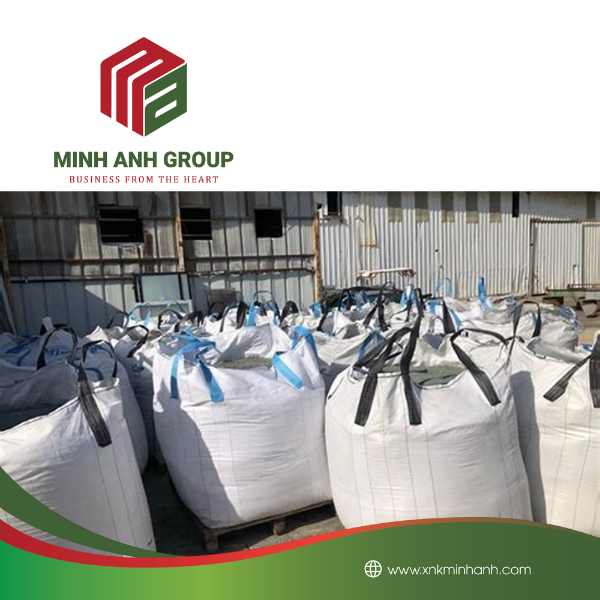
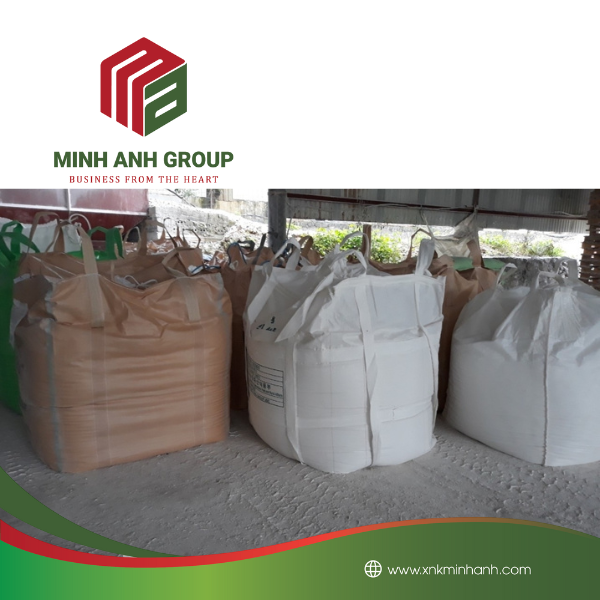
These bags are made from woven polypropylene, which is basically the superhero fabric of the industrial world. They’re tear-resistant, weather-resistant, and strong enough to hold more weight than your average moving truck. If FIBC bags were people, they’d be the kind who carry all the groceries in one trip.
4. Easy to Handle
With handy lifting loops and a design that screams “I was made for forklifts,” FIBC bags make loading and unloading a breeze. No more shoveling biomass into trucks like you’re auditioning for a coal miner reality show.
Beyond Biomass: Other Renewable Energy Uses
FIBC bags aren’t just one-trick ponies; they’re more versatile than a Swiss Army knife at a camping trip. Here are a few other ways they’re making waves in renewable energy:
1. Pellet Power
Wood pellets are another popular biomass product used for heating and power generation. Guess what? FIBC bags are perfect for storing and transporting these tiny energy nuggets. It’s like putting all your eggs in one basket—except the eggs are pellets and the basket won’t break if you drop it.
2. Solar Panel Components
Wait, what? Solar panels? Yep! Many of the raw materials used in solar panel production—like silicon granules—are transported in FIBC bags. So technically, these bags are helping harness the power of the sun. Talk about being multi-talented.
3. Wind Turbine Parts
Okay, maybe not the massive blades (unless someone invents an FIBC bag the size of a football field), but smaller components and materials used in wind turbine manufacturing often find their way into these trusty containers.
4. Biochar Transport
Biochar is like charcoal’s cooler, more sustainable cousin. It’s used in agriculture and carbon sequestration, and guess what it travels in? That’s right—FIBC bags! These sacks are like the Uber drivers of the renewable energy world.
A Funny Thought: If FIBC Bags Could Talk
Imagine if these bags had personalities. They’d probably be smug about their versatility:
“Oh, you’re just a regular tote bag? Cute. I can carry 2,000 pounds of biomass AND save the planet.”
Or maybe they’d complain about their workloads: “Another day, another ton of wood chips. Can I get a vacation already?”
The Future of FIBC Bags in Renewable Energy
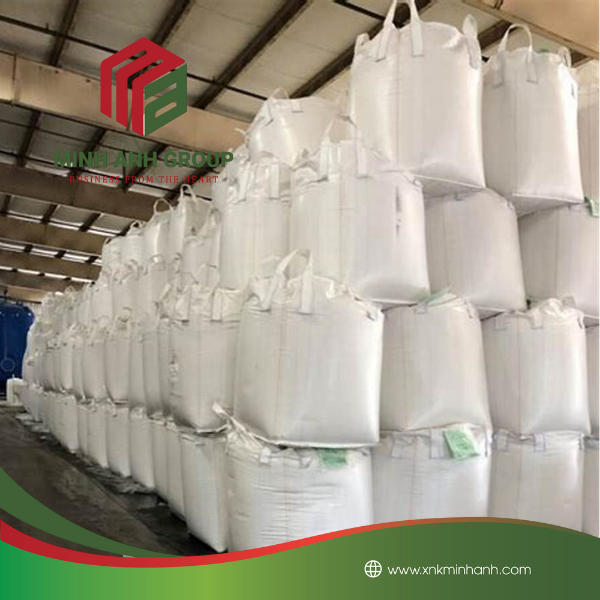
As renewable energy continues to grow (fingers crossed for saving the planet), the demand for efficient transport solutions will skyrocket. And guess who’s ready for the challenge? That’s right—our trusty FIBC bags.
Maybe one day we’ll even see high-tech versions with built-in sensors to monitor biomass levels or temperature controls to keep materials fresh. Who knows? The future is as flexible as these bags themselves.
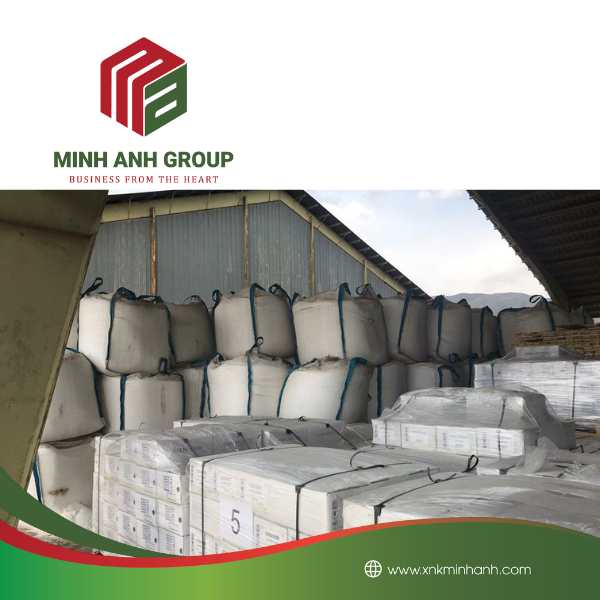
Final Thoughts
So there you have it: FIBC bags, the unsung heroes of renewable energy logistics. Whether it’s hauling biomass, storing wood pellets, or helping build solar panels, these giant sacks are proving that they’re more than just oversized grocery bags.
The next time you see one of these industrial marvels in action, give it a little nod of respect. After all, they’re not just carrying materials—they’re carrying the future of sustainable energy on their metaphorical shoulders (or loops). And if that doesn’t make you smile—or at least chuckle—then maybe you need to spend more time appreciating the humor in industrial packaging.
Hãy là người đầu tiên nhận xét “FIBC Bags in Renewable Energy: Transporting Biomass and Beyond”
Sản phẩm tương tự


Tin Tức Bao Bì


Tin Tức Bao Bì
Food Cling Film: Outstanding Advantages in Food Preservation

Tin Tức Bao Bì

Tin Tức Bao Bì

Tin Tức Bao Bì

Tin Tức Bao Bì

Tin Tức Bao Bì


Đánh giá
Chưa có đánh giá nào.