
FIBC Bags and Global Trade: The Unseen Backbone of Commodity Flows
Imagine this: a ship loaded with thousands of FIBC bags filled with cocoa beans heading to Europe to make chocolate (bless them). Or a train carrying bags of cement across vast landscapes to build skyscrapers in bustling cities. Without these bags, global trade would be a logistical nightmare. We’re talking spilled rice everywhere and a lot of very cranky dockworkers.
Ah, FIBC bags—those big, bulky, flexible friends that you’ve probably never thought about unless your life revolves around bulk goods. And let’s be honest, most of us don’t wake up in the morning thinking, “Wow, I wonder how rice, sugar, or fertilizer gets moved around the world.” But guess what? These unsung heroes of global trade are everywhere, quietly doing the heavy lifting—literally.
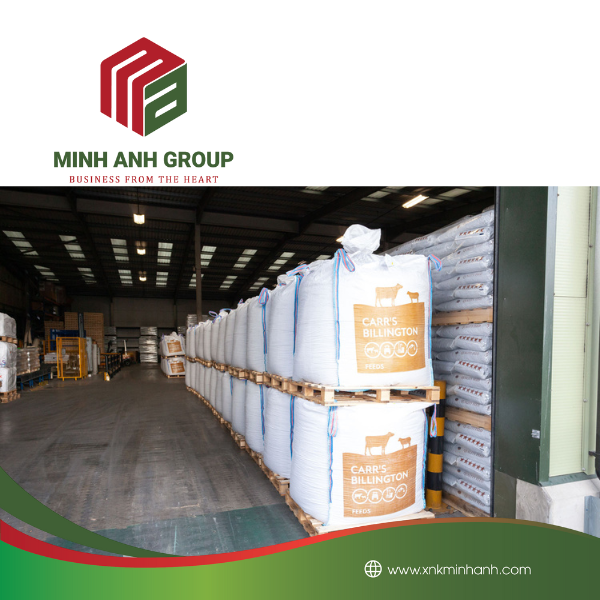
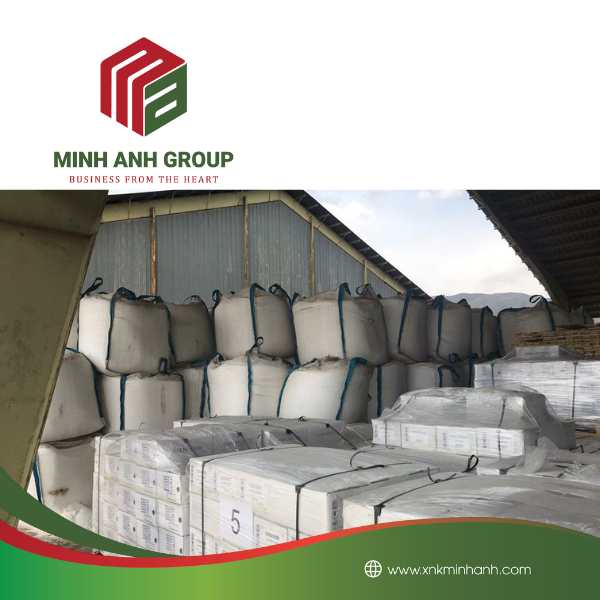
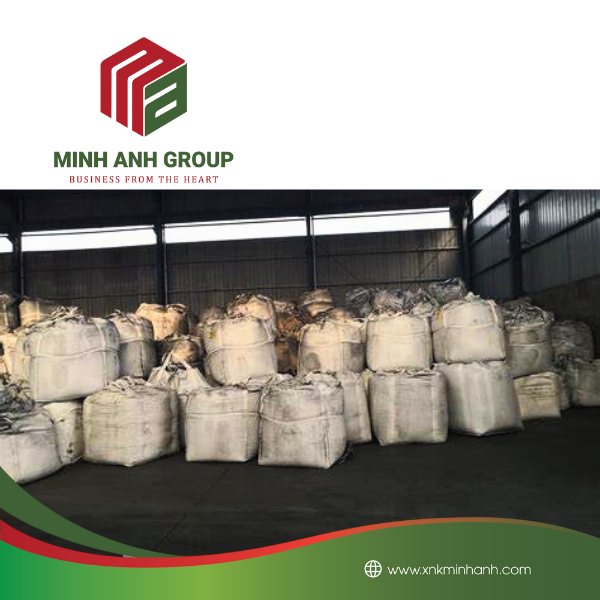
For those not in the know (and I’m assuming that’s most of us), FIBC stands for Flexible Intermediate Bulk Container. Fancy name, right? But don’t let it intimidate you. These are essentially giant, industrial-sized bags used to transport and store bulk materials. Think of them as the superheroes of the logistics world—if superheroes were made of woven polypropylene and could carry up to 2,000 pounds of stuff.
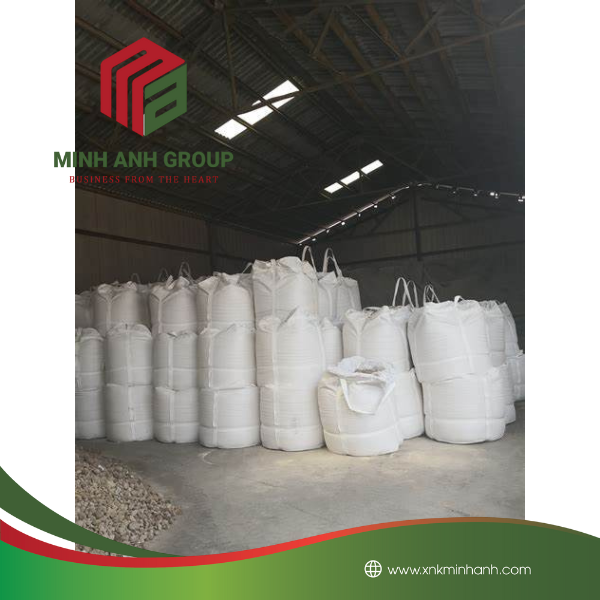
The Mighty FIBC: A Bag with Swagger
Picture this: a bag that can hold enough sugar to supply a year’s worth of baking disasters or enough coffee beans to fuel your caffeine addiction for a lifetime. These bad boys are no ordinary sacks. They’re strong, flexible, and surprisingly stylish in their utilitarian way. Sure, they’re not going to make it onto a Paris runway anytime soon, but in the world of commodity transport? Total icons.
And let’s talk about versatility. FIBCs are like the Swiss Army knives of packaging. Need to ship sand? No problem. Fertilizer? Bring it on. Chemicals? Sure thing (just don’t sniff them). They’re even used for food-grade products like flour and grains, which makes them the unsung heroes behind your morning toast. Who knew your breakfast had such an elaborate entourage?
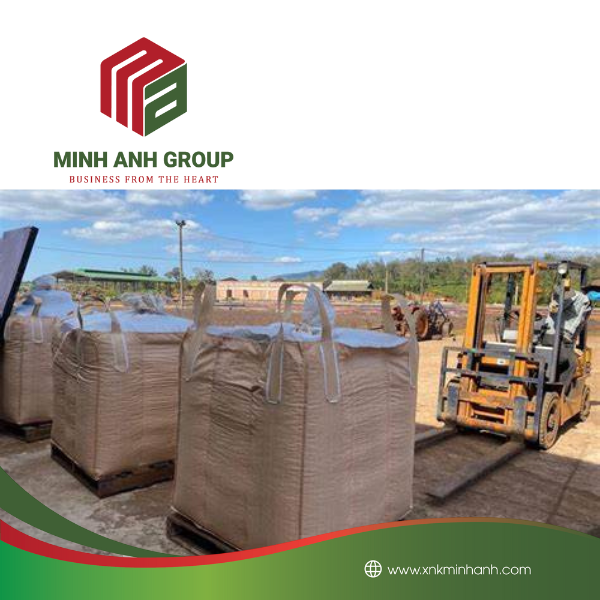
Global Trade’s Secret Weapon
Now, let’s zoom out a bit. You know that whole “globalization” thing everyone keeps talking about? Well, FIBC bags are quietly holding it together—literally. These bags are the silent enablers of international trade, moving commodities from one corner of the globe to another without so much as a squeak of complaint.
Imagine this: a ship loaded with thousands of FIBC bags filled with cocoa beans heading to Europe to make chocolate (bless them). Or a train carrying bags of cement across vast landscapes to build skyscrapers in bustling cities. Without these bags, global trade would be a logistical nightmare. We’re talking spilled rice everywhere and a lot of very cranky dockworkers.
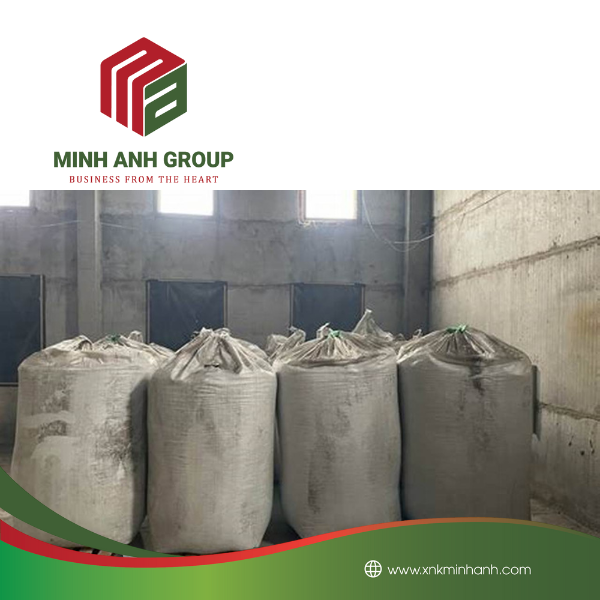
Why FIBCs Are Low-Key Amazing
Let’s take a moment to appreciate just how cool these bags are. First off, they’re reusable (yay for sustainability!), which means they’re not just practical but also environmentally friendly. They’re also lightweight yet strong enough to carry insane amounts of weight. It’s like watching a tiny ant carry a potato chip—except way less adorable and way more industrial.
And can we talk about how space-efficient they are? When empty, they fold down into neat little packages, saving storage space and making them easy to transport. It’s like they’ve been taking lessons from Marie Kondo: “Does this bulk material spark joy? If yes, pack it efficiently!”
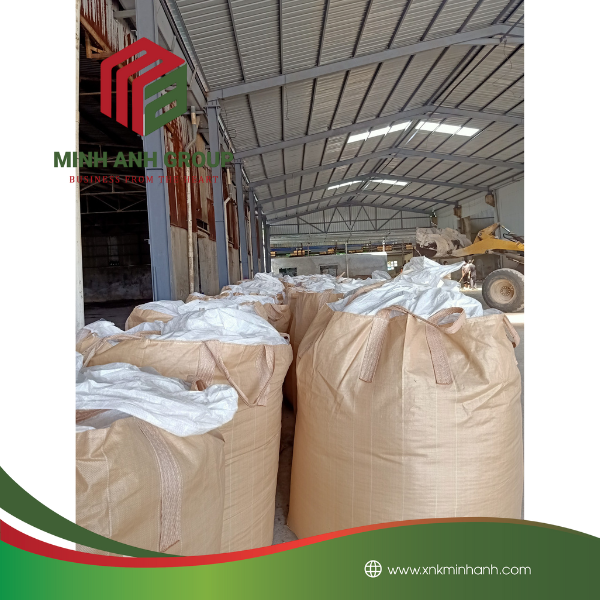
The Quirky World of FIBC Bags
Of course, no hero is without its quirks. For instance, FIBCs have an arch-nemesis: sharp objects. One rogue forklift prong or an overly enthusiastic claw machine operator (okay, unlikely) can turn these sturdy bags into a leaky mess. And while they’re great at carrying dry goods, throw in some liquids and things get… messy. Let’s just say you don’t want to be the person responsible for cleaning up 1,000 liters of spilled tomato paste.
Then there’s the static electricity issue. Yep, these bags can generate static like nobody’s business. In environments with flammable materials, this is less “fun science experiment” and more “potential disaster.” Thankfully, there are anti-static versions of FIBCs for just such occasions because even bags need safety features.
The Unsung Heroes We Don’t Deserve
At the end of the day (or shipping cycle), FIBC bags are the unsung heroes of global trade. They don’t get parades or awards or even a decent Instagram following (seriously, #FIBCbags has like zero traction). But they’re out there every day, holding the world’s commodities together—literally.
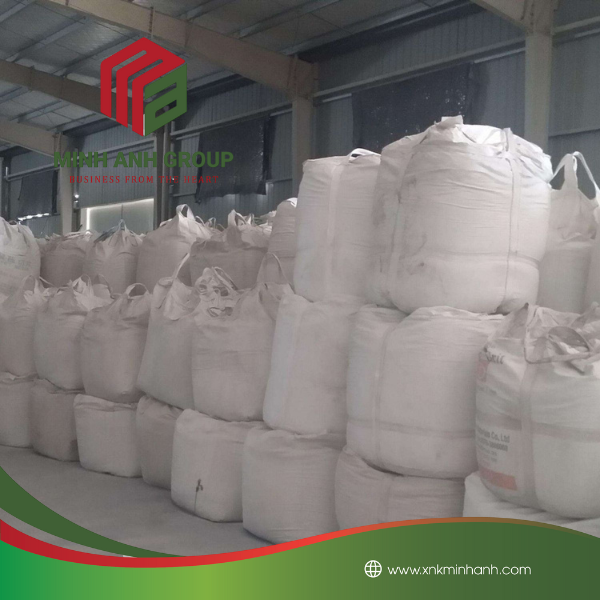
So next time you enjoy a cup of coffee or marvel at a shiny new building, spare a thought for the humble FIBC bag. Without them, we’d probably all be knee-deep in spilled grain or trying to carry sand in our pockets. And honestly? Nobody has time for that.
Cheers to you, FIBC bags—you big, flexible legends!
Hãy là người đầu tiên nhận xét “FIBC Bags and Global Trade: The Unseen Backbone of Commodity Flows”
Sản phẩm tương tự

Tin Tức Bao Bì


Tin Tức Bao Bì
Food Cling Film: Outstanding Advantages in Food Preservation

Tin Tức Bao Bì

Tin Tức Bao Bì


Tin Tức Bao Bì

Tin Tức Bao Bì

Tin Tức Bao Bì


Đánh giá
Chưa có đánh giá nào.