
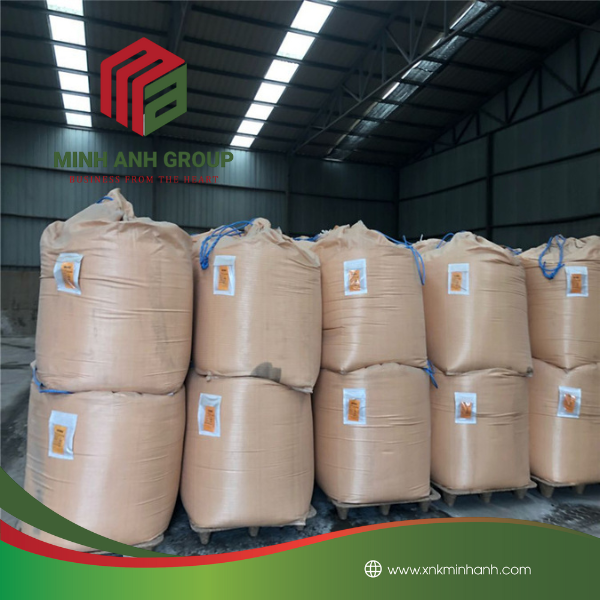

Ah, the age-old debate: FIBC bags versus traditional sacks. It’s a bit like comparing a luxury SUV to a trusty old station wagon—both get the job done, but one does it with a bit more flair and functionality. So, let’s dive into this battle of the bulk carriers and see who comes out on top.
Round 1: Capacity
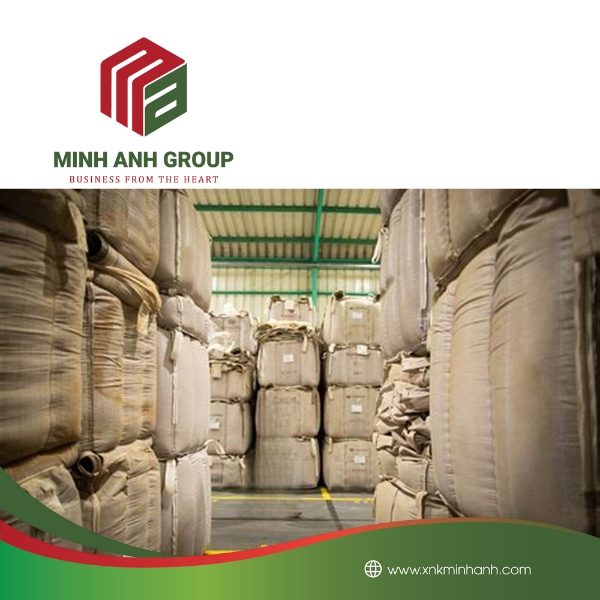
Traditional sacks are like that friend who insists on packing light for a weekend trip—great for small loads, but don’t expect miracles. They typically hold anywhere from 50 to 100 pounds, which is fine for smaller-scale operations. But when you’re moving serious quantities, they start to feel a bit… underwhelming.
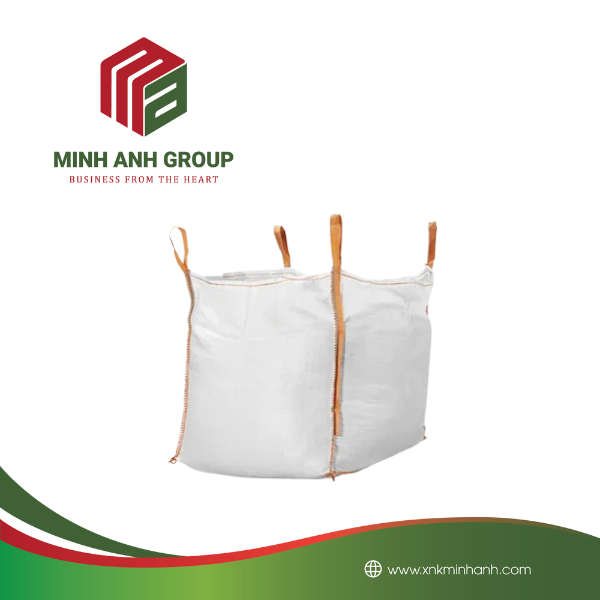
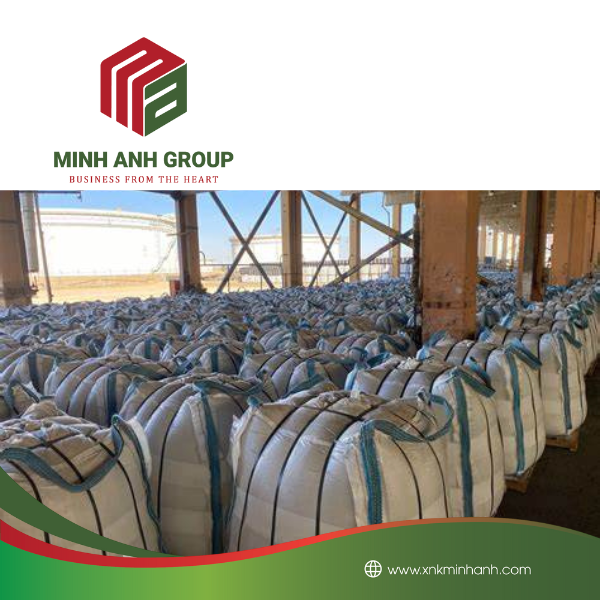
Enter FIBC bags, also known as bulk bags or big bags. These bad boys are the overachievers of the packaging world, capable of holding up to 2,000 pounds (or more). Need to transport an elephant-sized pile of flour? No problem. FIBCs are the Mary Poppins bag of storage—seemingly bottomless.
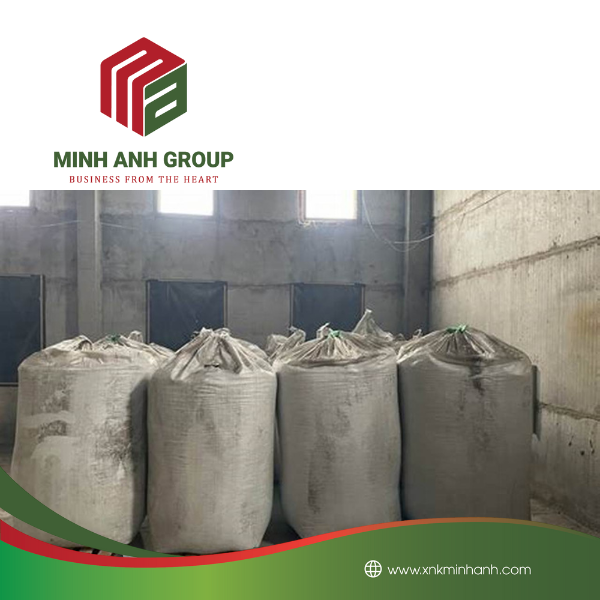
Winner: FIBC bags. Bigger is better, right?
Round 2: Durability
Traditional sacks have been around forever, and for good reason—they’re sturdy little workhorses. Made from materials like jute or woven polypropylene, they can handle rough handling to a certain extent. But let’s be honest: one sharp corner or an enthusiastic forklift driver, and you’ve got yourself a spillage situation.
FIBC bags, on the other hand, are built like tanks. Constructed from heavy-duty woven polypropylene, they laugh in the face of sharp edges and rough handling. Need UV protection? Moisture resistance? Reinforced stitching? FIBCs have it all. They’re like the bodybuilders of the bag world—strong, reliable, and not afraid to flex.
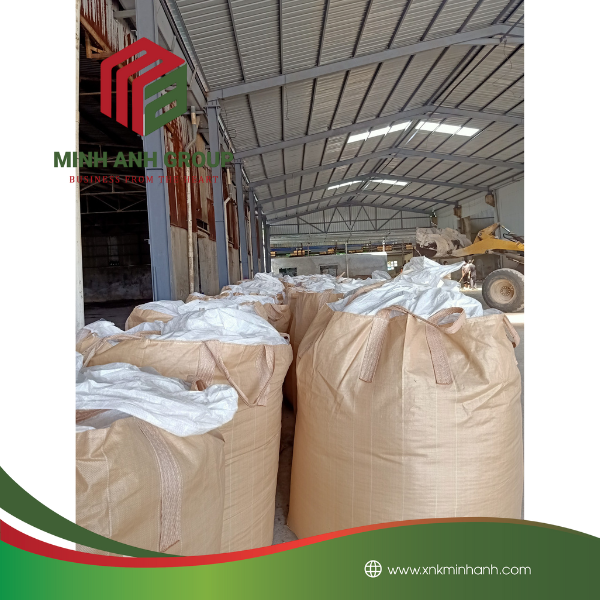
Winner: FIBC bags. Sorry, traditional sacks—you’re tough, but not *that* tough.
Round 3: Versatility
Traditional sacks are pretty straightforward. You fill them up, tie them off, and hope for the best. They’re great for smaller-scale tasks but don’t offer much in the way of customization. Need a specific size or shape? Too bad. Want to add a spout for easy pouring? Dream on.
FIBC bags, meanwhile, are like the Swiss Army knives of bulk storage. They come in all shapes and sizes—U-panel, circular, baffle—you name it. Need a spout for filling or discharging? Done. Want a liner for extra protection? Easy. They’re basically the “choose your own adventure” of packaging.
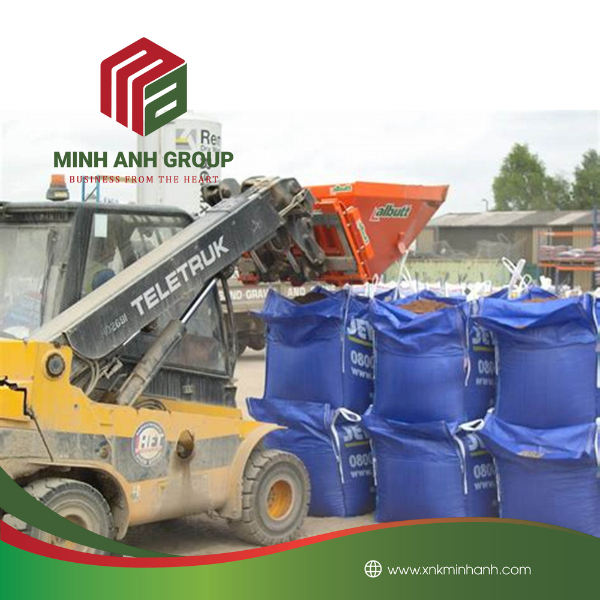
Winner: FIBC bags. Versatility is their middle name.
Round 4: Environmental Impact
Let’s talk green credentials. Traditional sacks made from natural materials like jute are biodegradable, which is a definite plus. However, many modern sacks are made from synthetic materials that aren’t exactly eco-friendly.
FIBC bags are primarily made from polypropylene, which isn’t biodegradable but is recyclable. Plus, their massive capacity means fewer trips and less packaging overall, which can reduce your carbon footprint. It’s not perfect, but it’s progress.
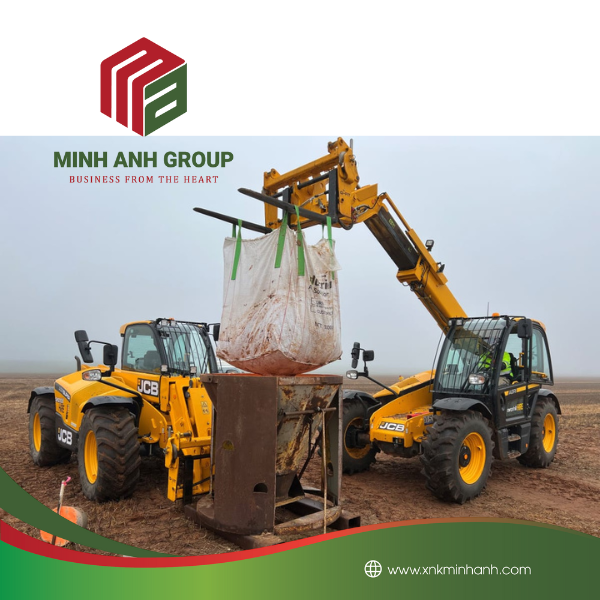
Winner: Draw. Both have their pros and cons when it comes to Mother Earth.
Round 5: Cost-Effectiveness
Traditional sacks are like that budget airline—you get what you pay for. They’re cheap upfront but can cost you in the long run if you’re dealing with frequent replacements or spillage losses.
FIBC bags might have a higher initial cost, but their durability and reusability make them a smart investment for larger operations. Plus, their ability to carry massive loads means fewer bags overall, which can save on labor and transportation costs.
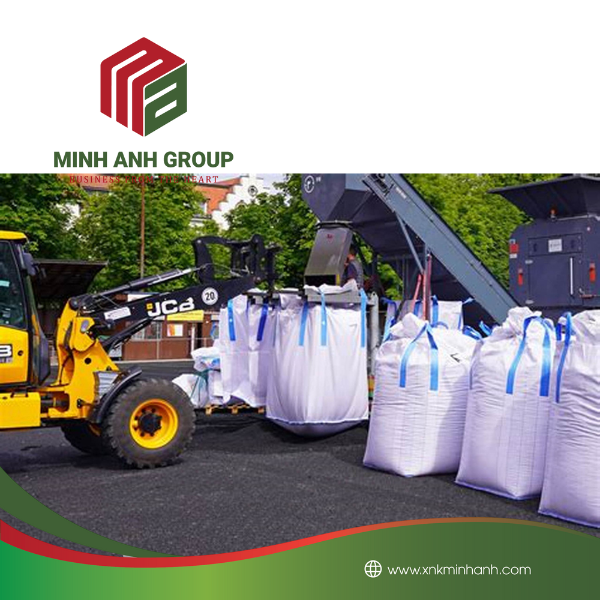
Winner: FIBC bags. Sometimes spending a little more upfront pays off.
Round 6: Cool Factor
Let’s face it: traditional sacks are kind of… boring. They’re functional but not exactly exciting. FIBC bags, on the other hand, have an undeniable “wow” factor. They’re big, bold, and make you feel like you’re running a high-tech operation—even if you’re just hauling potatoes.
Winner: FIBC bags. Because who doesn’t want to look cool while working?
The Verdict
While traditional sacks have their place in small-scale operations and certain applications, FIBC bags are the clear winners in this showdown. With their massive capacity, unmatched durability, and impressive versatility, they’re the ultimate choice for anyone looking to transport bulk materials with ease and efficiency.
So next time you’re faced with the choice between traditional sacks and FIBC bags, ask yourself: do I want to settle for “good enough,” or do I want to embrace the future of bulk storage? The answer is clear—go big or go home (preferably with an FIBC bag in tow).
Hãy là người đầu tiên nhận xét “FIBC Bags vs. Traditional Sacks: A Performance Breakdown”
Sản phẩm tương tự

Tin Tức Bao Bì

Tin Tức Bao Bì


Tin Tức Bao Bì

Tin Tức Bao Bì

Tin Tức Bao Bì


Đánh giá
Chưa có đánh giá nào.