
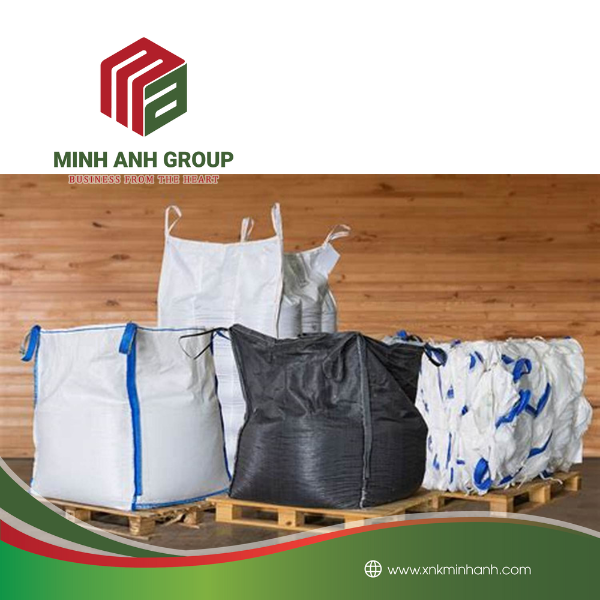
FIBC Bags: A Practical Solution for Bulk Powders
In the realm of industrial packaging, Flexible Intermediate Bulk Containers (FIBCs) have emerged as a versatile and practical solution for handling bulk powders. These large, flexible containers are designed to store and transport a variety of granular and powdered materials, offering significant advantages over traditional packaging methods.
In the realm of industrial packaging, Flexible Intermediate Bulk Containers (FIBCs) have emerged as a versatile and practical solution for handling bulk powders. These large, flexible containers are designed to store and transport a variety of granular and powdered materials, offering significant advantages over traditional packaging methods.

Understanding FIBC Bags
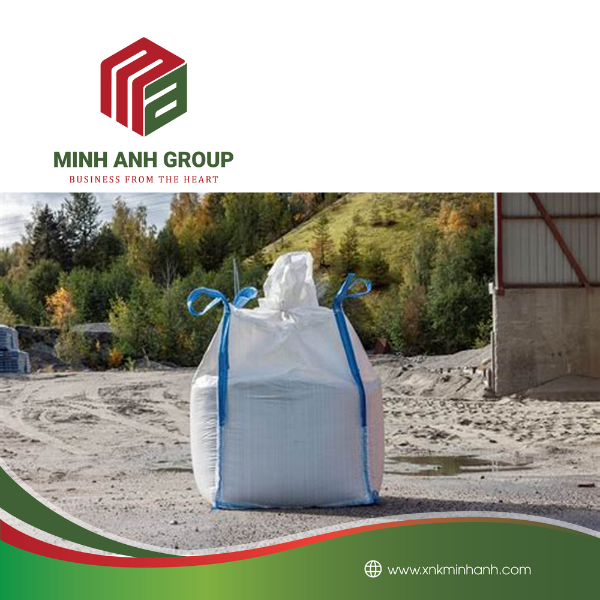
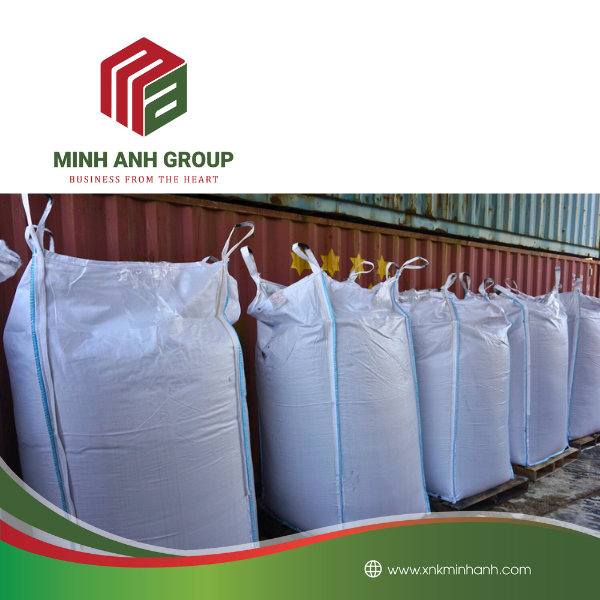
FIBC bags, often referred to as bulk bags or big bags, are made from woven polypropylene fabric. They are engineered to handle loads typically ranging from 500 to 2,000 kilograms, making them an ideal choice for industries dealing with substantial quantities of materials. The design of FIBCs allows for easy filling, discharging, and storage, which enhances operational efficiency and reduces labor costs.
Advantages of FIBC Bags
1. Cost-Effectiveness
One of the primary benefits of FIBC bags is their cost-effectiveness. Compared to other packaging options like drums or rigid containers, FIBCs are relatively inexpensive. Their lightweight nature reduces shipping costs, while their ability to be folded flat when empty minimizes storage space requirements.
2. Versatility
FIBCs are highly versatile and can be customized to meet specific industry needs. They come in various designs, including U-panel, circular, and baffle bags, each offering unique advantages for different applications. Additionally, FIBCs can be tailored with features such as liners, discharge spouts, and lifting loops to accommodate specific handling requirements.
3. Safety and Durability
Safety is a paramount concern in industrial operations, and FIBC bags are designed with this in mind. They are manufactured to withstand significant weight and stress, ensuring the safe transportation of materials. The robust construction of FIBCs minimizes the risk of punctures or tears, protecting the integrity of the contents.
4. Environmental Impact
In today’s environmentally conscious world, the sustainability of packaging solutions is crucial. FIBC bags are reusable and recyclable, reducing their environmental footprint. By opting for FIBCs, companies can contribute to sustainability efforts while also benefiting from reduced packaging waste.

Applications Across Industries
FIBC bags find applications across a wide range of industries due to their adaptability and efficiency.
Agriculture
In the agricultural sector, FIBCs are used to transport seeds, fertilizers, and animal feed. Their ability to protect contents from moisture and contaminants makes them ideal for preserving product quality during storage and transit.
Chemical Industry
The chemical industry benefits from FIBCs for transporting powders and granules such as polymers, resins, and additives. The option to include liners provides an additional barrier against moisture and contamination.
Food Industry
In the food industry, FIBCs are employed to handle bulk ingredients like sugar, flour, and grains. The food-grade quality of these bags ensures that products remain safe for consumption throughout the supply chain.
Construction
For the construction industry, FIBCs are used to transport materials such as sand, gravel, and cement. Their high load capacity and durability make them suitable for heavy-duty applications.

FIBC bags offer a practical and efficient solution for handling bulk powders across various industries. Their cost-effectiveness, versatility, safety features, and environmental benefits make them an attractive choice for companies looking to optimize their packaging processes. As industries continue to seek innovative ways to enhance operational efficiency and sustainability, FIBC bags stand out as a reliable option for bulk material management.
Hãy là người đầu tiên nhận xét “FIBC Bags: A Practical Solution for Bulk Powders”
Sản phẩm tương tự

Tin Tức Bao Bì


Tin Tức Bao Bì

Tin Tức Bao Bì

Tin Tức Bao Bì

Tin Tức Bao Bì

Tin Tức Bao Bì


Đánh giá
Chưa có đánh giá nào.