

How to Use FIBC Bags for Disaster Relief Operations
In the face of natural disasters and emergencies, efficient logistics and resource management are critical for ensuring timely aid to affected communities. Flexible Intermediate Bulk Containers (FIBCs), commonly known as bulk bags, have emerged as a practical and versatile solution in disaster relief operations.
In the face of natural disasters and emergencies, efficient logistics and resource management are critical for ensuring timely aid to affected communities. Flexible Intermediate Bulk Containers (FIBCs), commonly known as bulk bags, have emerged as a practical and versatile solution in disaster relief operations. These durable, lightweight, and cost-effective containers are ideal for transporting, storing, and distributing essential supplies under challenging conditions. This article explores the key applications, benefits, and best practices for using FIBC bags in disaster relief efforts.
What Are FIBC Bags?
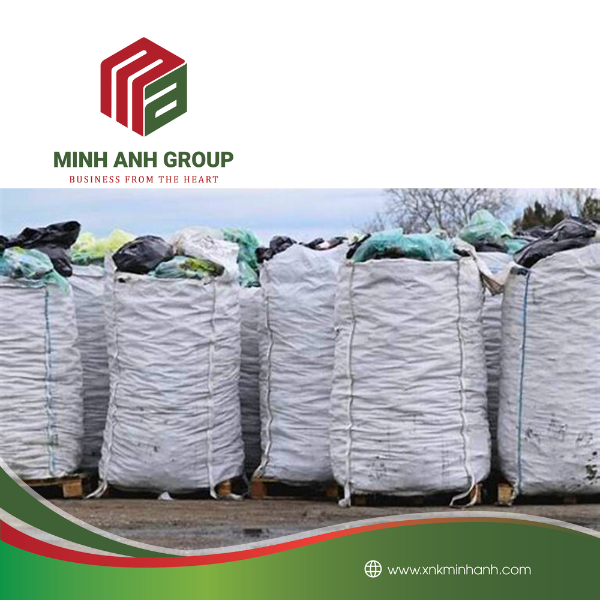
FIBC bags are industrial-grade containers made from woven polypropylene fabric. Designed to hold large quantities of materials, these bags typically have a capacity ranging from 500 to 2,000 kilograms (1,100 to 4,400 pounds). They are equipped with lifting loops for easy handling and can be customized with liners, spouts, or other features depending on the specific needs of the operation.
FIBCs are widely used across industries such as agriculture, construction, and manufacturing. However, their adaptability and resilience make them particularly useful in disaster relief scenarios where speed, efficiency, and durability are paramount.

Applications of FIBC Bags in Disaster Relief
1. Transporting Food Supplies
One of the primary uses of FIBC bags in disaster relief is the transportation and distribution of food supplies. These bags can hold large quantities of grains, rice, flour, or other non-perishable items, ensuring that essential nutrition reaches affected populations quickly. Their sturdy construction protects food from contamination and damage during transit.
2. Storing Emergency Water Supplies
Clean water is often scarce in disaster-hit areas. FIBC bags with inner liners can store potable water safely, providing a temporary solution until permanent water supply systems are restored. These bags can also be used to transport water purification chemicals or desalination materials.
3. Managing Sandbags for Flood Control
In flood-prone areas, FIBCs are invaluable for creating barriers or levees using sand or soil. Their large capacity allows for rapid deployment compared to traditional sandbags, making them an efficient tool for flood mitigation efforts.
4. Transporting Medical Supplies
During emergencies, medical supplies such as bandages, gloves, and medications must be delivered quickly to healthcare facilities or field hospitals. FIBCs can safely store and transport these items in bulk, ensuring they remain protected from moisture and contamination.
5. Handling Waste and Debris
Post-disaster cleanup often involves removing large amounts of debris and waste. Heavy-duty FIBC bags are ideal for collecting and transporting construction debris, hazardous materials, or other waste generated during recovery operations.
6. Storing Clothing and Shelter Materials
Relief efforts often involve distributing clothing, blankets, tarps, and other shelter materials to displaced individuals. FIBCs provide a convenient way to store and transport these items in bulk while protecting them from environmental damage.

Benefits of Using FIBC Bags in Disaster Relief
1. Durability and Strength
FIBCs are designed to withstand heavy loads and harsh conditions, making them reliable in disaster zones where infrastructure may be damaged. Their robust construction ensures that supplies remain secure during handling and transportation.
2. Cost-Effectiveness
Compared to other storage and transportation solutions, FIBC bags are highly cost-effective. Their lightweight design reduces shipping costs, while their reusability provides long-term savings for relief organizations.
3. Ease of Handling
Equipped with lifting loops, FIBCs can be easily moved using forklifts, cranes, or manual labor. This simplifies logistics and speeds up the distribution process in areas with limited access or damaged infrastructure.
4. Space Efficiency
When empty, FIBC bags can be folded flat for compact storage and transport. This feature is particularly useful in disaster relief operations where space is limited.
5. Customizability
FIBCs can be tailored to specific needs by adding features such as liners for moisture protection, discharge spouts for controlled unloading, or UV-resistant coatings for outdoor storage. This flexibility ensures that they meet the unique demands of each relief operation.
6. Environmental Sustainability
Many FIBCs are reusable and recyclable, making them an environmentally friendly choice for disaster relief efforts. Proper disposal or recycling of used bags minimizes waste generation during recovery operations.

Best Practices for Using FIBC Bags in Disaster Relief
1. Choose the Right Type of Bag
Selecting the appropriate FIBC bag is crucial for ensuring its effectiveness in a given situation. Consider factors such as load capacity, material type, and additional features like liners or coatings based on the intended use.
2. Ensure Proper Handling
While FIBCs are durable, improper handling can compromise their integrity. Train personnel on safe lifting techniques and use appropriate equipment to prevent damage during loading and unloading.
3. Follow Storage Guidelines
Store FIBC bags in a clean, dry environment to protect them from moisture and UV exposure when not in use. Avoid stacking them too high to prevent structural damage.
4. Inspect Bags Regularly
Before each use, inspect FIBCs for signs of wear or damage such as tears, frayed loops, or compromised seams. Discard any bags that show signs of failure to ensure safety during operations.
5. Plan Logistics Carefully
Incorporate FIBCs into a well-organized logistics plan that accounts for transportation routes, storage facilities, and distribution points. This ensures that supplies reach affected areas efficiently.
6. Collaborate with Suppliers
Partner with reliable FIBC manufacturers or distributors who can provide high-quality products tailored to your requirements. Establishing a supply chain with trusted vendors ensures timely availability during emergencies.
FIBC bags have proven to be an indispensable tool in disaster relief operations due to their versatility, durability, and cost-effectiveness. From transporting food and water to managing debris and waste, these bulk containers play a vital role in supporting communities affected by crises. By understanding their applications and adhering to best practices for their use, relief organizations can maximize the efficiency of their operations and deliver critical aid where it is needed most.
In an increasingly unpredictable world where disasters can strike at any moment, having reliable tools like FIBC bags at the ready is essential for saving lives and rebuilding communities swiftly and effectively.
Hãy là người đầu tiên nhận xét “How to Use FIBC Bags for Disaster Relief Operations”
Sản phẩm tương tự

Tin Tức Bao Bì

Tin Tức Bao Bì


Tin Tức Bao Bì

Tin Tức Bao Bì

Tin Tức Bao Bì

Tin Tức Bao Bì

Tin Tức Bao Bì


Đánh giá
Chưa có đánh giá nào.