

The Advantages of Using FIBC Bags in Agriculture

In the agricultural industry, the efficient handling, storage, and transportation of materials are vital for maintaining productivity and ensuring cost-effectiveness. Flexible Intermediate Bulk Containers (FIBC bags), also known as bulk bags or jumbo bags, have become an essential tool in modern agriculture due to their versatility, durability, and practicality. These large, woven polypropylene bags are designed to carry a wide range of materials, including grains, seeds, fertilizers, and even chemical products. Below, we explore the key advantages of using FIBC bags in agriculture and how they contribute to streamlined operations.
In the agricultural industry, the efficient handling, storage, and transportation of materials are vital for maintaining productivity and ensuring cost-effectiveness. Flexible Intermediate Bulk Containers (FIBC bags), also known as bulk bags or jumbo bags, have become an essential tool in modern agriculture due to their versatility, durability, and practicality. These large, woven polypropylene bags are designed to carry a wide range of materials, including grains, seeds, fertilizers, and even chemical products. Below, we explore the key advantages of using FIBC bags in agriculture and how they contribute to streamlined operations.
1. Cost-Effective Solution
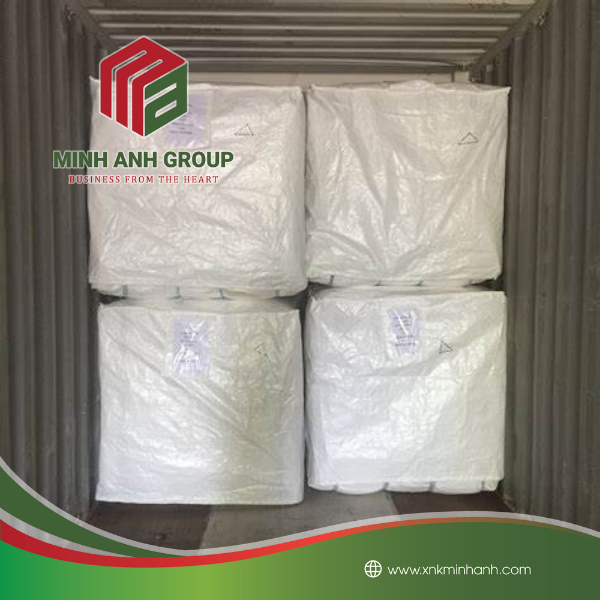
One of the most significant benefits of FIBC bags is their cost-efficiency. Compared to traditional packaging methods such as sacks or rigid containers, FIBC bags offer a more economical solution. Their lightweight design reduces shipping costs, while their high capacity minimizes the need for multiple containers. This allows agricultural businesses to save on both storage space and transportation expenses without compromising on quality or safety.
2. High Load Capacity
FIBC bags are capable of carrying substantial loads, with some models supporting weights ranging from 500 kg to 2,000 kg. This makes them ideal for transporting bulk quantities of agricultural products, such as grains or fertilizers. Their robust construction ensures that they can handle heavy materials without tearing or breaking, providing peace of mind for farmers and suppliers.

3. Versatility
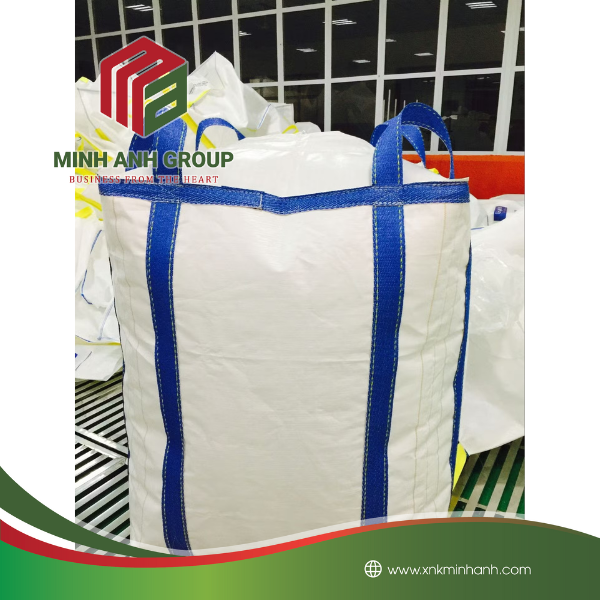
One of the standout features of FIBC bags is their adaptability to various agricultural needs. They can be used to store and transport a wide array of materials, including dry goods like seeds and grains, as well as powdered or granulated substances such as fertilizers and pesticides. Additionally, FIBC bags come in different designs—such as U-panel, circular, or baffle bags—allowing users to select the most suitable option for their specific requirements.
4. Ease of Handling
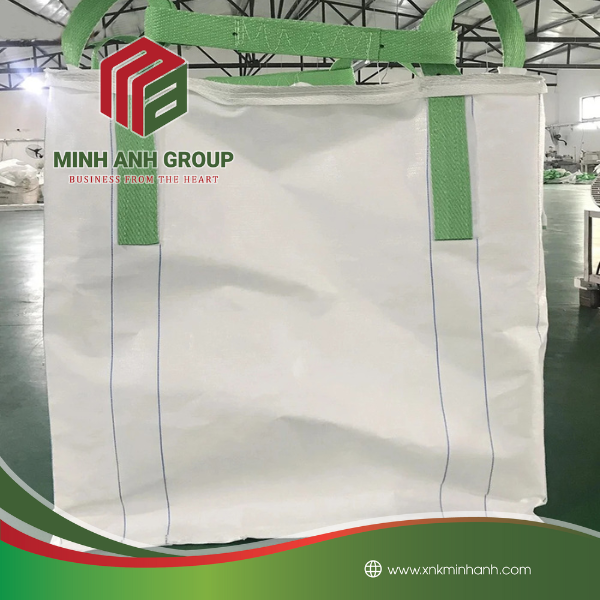
FIBC bags are designed with convenience in mind. Equipped with loops at the top, they can be easily lifted using forklifts or cranes, making loading and unloading operations more efficient. This reduces manual labor requirements and speeds up the handling process, which is especially beneficial during peak agricultural seasons when time is critical.

5. Space-Saving Design
Unlike rigid containers, FIBC bags are flexible and can be folded flat when not in use. This feature significantly reduces storage space requirements, making them an excellent choice for farms or warehouses with limited capacity. Their stackable nature also facilitates better organization, ensuring that agricultural operations remain orderly and efficient.
6. Durability and Weather Resistance
Agricultural products often need to be stored or transported under varying environmental conditions. FIBC bags are made from sturdy woven polypropylene materials that provide excellent resistance to wear and tear. Many models are also UV-stabilized, protecting the contents from sunlight exposure during outdoor storage or transportation. This durability ensures that the products remain safe and intact, even in challenging conditions.

7. Customizable Options
FIBC bags can be customized to meet the unique needs of agricultural businesses. For instance, bags can be designed with specific liners to protect sensitive materials from moisture or contamination. Additionally, different discharge options—such as spouts or duffle tops—can be incorporated to facilitate easy emptying of contents. Custom printing is also available, allowing companies to brand their bags with logos or product information for better market visibility.
8. Eco-Friendly and Sustainable
Sustainability is becoming increasingly important in agriculture as businesses strive to reduce their environmental impact. FIBC bags are reusable and recyclable, making them an eco-friendly packaging option. By opting for these bags, agricultural enterprises can minimize waste generation while contributing to a circular economy.
9. Improved Safety
Safety is a top priority in agriculture, particularly when handling heavy loads or hazardous materials. FIBC bags are designed with safety features such as anti-static properties and food-grade certifications (for products meant for human or animal consumption). These measures ensure that the bags can be used safely in various applications without posing risks to workers or end-users.
10. Compliance with Industry Standards
Modern FIBC bags are manufactured in compliance with international safety and quality standards. This ensures that they meet the stringent requirements of the agricultural sector, providing users with reliable and trustworthy solutions for their packaging needs.
The adoption of FIBC bags in agriculture has revolutionized the way materials are handled, stored, and transported. Their cost-effectiveness, versatility, durability, and eco-friendly nature make them an indispensable tool for farmers and agribusinesses alike. By investing in high-quality FIBC bags, agricultural operations can enhance efficiency, reduce costs, and maintain the integrity of their products throughout the supply chain. As the industry continues to evolve, these innovative bulk containers will undoubtedly play a crucial role in supporting sustainable and productive farming practices.a
Hãy là người đầu tiên nhận xét “The Advantages of Using FIBC Bags in Agriculture”
Sản phẩm tương tự

Tin Tức Bao Bì

Tin Tức Bao Bì


Tin Tức Bao Bì

Tin Tức Bao Bì

Tin Tức Bao Bì


Đánh giá
Chưa có đánh giá nào.