

What You Need to Know About FIBC Bag Certifications

Flexible Intermediate Bulk Containers (FIBCs), commonly referred to as bulk bags, are widely used in industries such as agriculture, construction, food processing, and chemicals for the transportation and storage of dry bulk materials. As these bags are tasked with carrying heavy loads and often hazardous materials, ensuring their quality and safety is paramount. This is where FIBC bag certifications come into play.
Flexible Intermediate Bulk Containers (FIBCs), commonly referred to as bulk bags, are widely used in industries such as agriculture, construction, food processing, and chemicals for the transportation and storage of dry bulk materials. As these bags are tasked with carrying heavy loads and often hazardous materials, ensuring their quality and safety is paramount. This is where FIBC bag certifications come into play.

Understanding the certifications associated with FIBC bags is crucial for manufacturers, suppliers, and end-users alike. These certifications not only guarantee the safety and reliability of the bags but also ensure compliance with industry standards and regulations. Below, we delve into the key aspects of FIBC bag certifications, why they matter, and what you should look for when selecting certified FIBC bags.
FIBCs are designed to carry loads ranging from 500 kg to 2,000 kg (1,100 lbs to 4,400 lbs) or more. Given their use in transporting sensitive or hazardous materials, any failure in quality can lead to serious safety risks, product losses, or environmental damage. Certifications provide assurance that the bags meet specific safety, performance, and environmental standards.

Certified FIBC bags undergo rigorous testing to ensure they can withstand the demands of their intended applications. These tests evaluate factors such as load capacity, resistance to tearing, UV stability, and electrostatic properties. For industries dealing with food or pharmaceutical products, certifications also verify compliance with hygiene and contamination prevention standards.
Several certifications and standards govern the production and use of FIBC bags. Below are some of the most commonly recognized certifications:

1. ISO 21898:2004
The International Organization for Standardization (ISO) developed this standard specifically for FIBCs used to transport non-dangerous goods. It outlines requirements for design, testing, and safety factors to ensure that the bags perform reliably under specified conditions. ISO 21898-certified FIBCs are tested for strength, durability, and resistance to environmental factors like UV exposure.
2. UN Certification
For industries handling dangerous goods, UN-certified FIBCs are a must. These bags comply with United Nations regulations for the transportation of hazardous materials. UN certification ensures that the bags meet stringent criteria for strength, leakproofing, and containment of hazardous substances during transit.
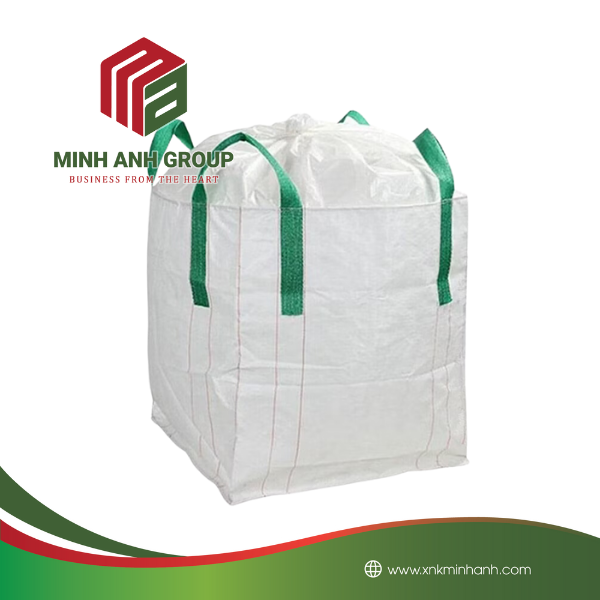
UN-certified FIBCs are categorized into different types based on their ability to handle specific classes of dangerous materials. For example:
– 13H1: Non-coated FIBCs without liners.
– 13H2: Coated FIBCs without liners.
– 13H3: Non-coated FIBCs with liners.
– 13H4: Coated FIBCs with liners.
3. Food-Grade Certifications
For industries such as food processing and pharmaceuticals, food-grade FIBCs are essential. These bags must meet strict hygiene standards to prevent contamination of the contents. Certifications such as the FDA (Food and Drug Administration) compliance in the U.S. or EC 1935/2004 compliance in the European Union indicate that the materials used in the bags are safe for direct contact with food products.
Food-grade FIBCs are manufactured in cleanroom environments to minimize exposure to dust, bacteria, and other contaminants. They often include additional features such as liners to provide an extra layer of protection.

4. Anti-Static and Conductive Certifications (IEC Standards)
In environments where flammable materials or explosive atmospheres are present, anti-static or conductive FIBCs are required to mitigate the risk of static electricity buildup. These bags are classified into four types based on their electrostatic properties:
– Type A: Standard FIBCs with no electrostatic protection.
– Type B: Bags that prevent sparks but do not dissipate static electricity.
– Type C: Conductive FIBCs that require grounding.
– Type D: Anti-static FIBCs that dissipate static electricity without grounding.
The relevant certification standards for these bags fall under the International Electrotechnical Commission (IEC), such as IEC 61340-4-4.

5. UV Resistance Certification
FIBCs used for outdoor storage or transport must be resistant to UV degradation caused by prolonged exposure to sunlight. UV-resistant certifications ensure that the material maintains its integrity over time, reducing the risk of tearing or failure during use.
6. REACH Compliance
In the European Union, REACH (Registration, Evaluation, Authorisation, and Restriction of Chemicals) compliance is essential for ensuring that the materials used in FIBC production do not contain harmful substances. This certification is particularly important for industries concerned about environmental impact and worker safety.
When purchasing FIBCs, it’s vital to ensure they meet the necessary certifications for your specific application. Here are some key considerations:

1. Intended Use: Determine whether you need standard FIBCs for non-hazardous materials or specialized bags (e.g., food-grade or anti-static) for specific applications.
2. Load Capacity: Check that the bag’s safe working load (SWL) matches your requirements. Certified bags will have a safety factor rating (e.g., 5:1 or 6:1) indicating their durability under repeated use.
3. Supplier Credentials: Work with reputable suppliers who can provide documentation verifying compliance with relevant certifications.
4. Testing Standards: Ensure that the bags have undergone rigorous testing for strength, UV resistance, electrostatic properties, and other critical factors.
5. Regulatory Compliance: Verify that the bags comply with local and international regulations governing your industry.
Certification bodies play a critical role in maintaining the integrity of FIBC standards. Accredited organizations conduct independent testing and audits to ensure that manufacturers adhere to established guidelines. Some well-known certification bodies include TÜV Rheinland, SGS, Intertek, and Bureau Veritas.
These organizations evaluate everything from raw materials to production processes and finished products. Their approval signifies that the FIBCs meet the highest levels of quality and safety.
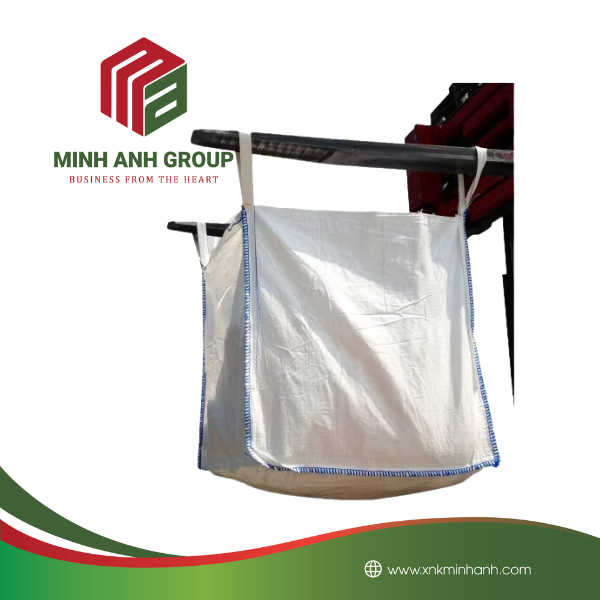
FIBC bag certifications are more than just a formality—they are a safeguard against risks associated with transporting and storing bulk materials. By choosing certified FIBCs, businesses can enhance operational efficiency, protect their products, and ensure compliance with industry standards.
Whether you’re handling food products, hazardous chemicals, or construction materials, understanding the certifications relevant to your needs is essential. Partnering with reliable suppliers who provide certified FIBC bags ensures peace of mind and contributes to a safer supply chain.
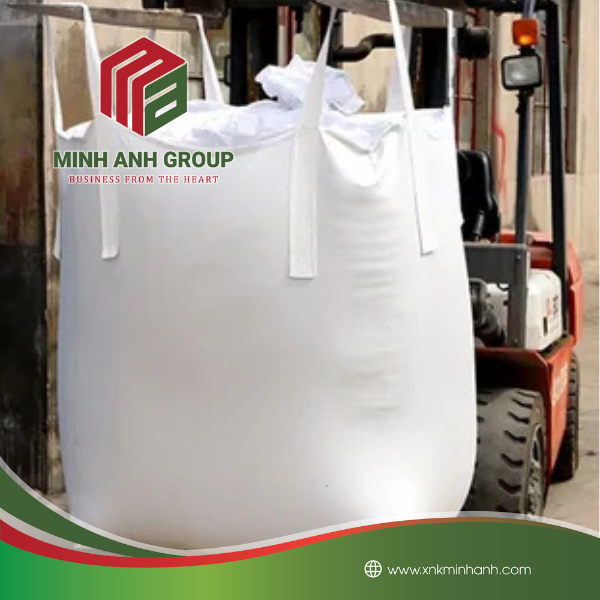
In an increasingly regulated global market, prioritizing certified solutions is not just a best practice—it’s a necessity for maintaining trust, safety, and sustainability in your operations.
Hãy là người đầu tiên nhận xét “What You Need to Know About FIBC Bag Certifications”
Sản phẩm tương tự

Tin Tức Bao Bì


Tin Tức Bao Bì

Tin Tức Bao Bì


Tin Tức Bao Bì

Tin Tức Bao Bì

Tin Tức Bao Bì


Đánh giá
Chưa có đánh giá nào.