
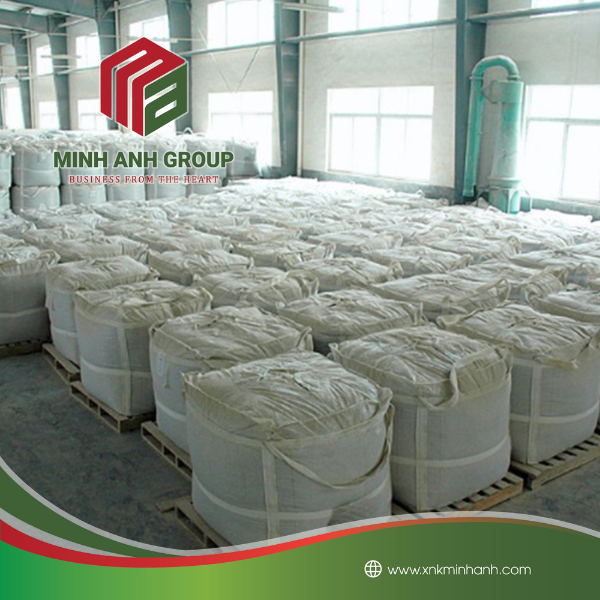
How to Identify Genuine FIBC Bags in the Market
Identifying genuine FIBC bags in the market requires a combination of careful inspection, verification of certifications, and assessment of supplier credibility. By following these guidelines, businesses can minimize risks associated with counterfeit products while ensuring they invest in high-quality bulk bags that meet their operational needs. Prioritizing authenticity not only enhances safety but also contributes to long-term cost savings by reducing the likelihood of product failure or damage during handling and transportation.
Flexible Intermediate Bulk Containers (FIBCs), commonly known as bulk bags, are widely used for the storage and transportation of dry, flowable products such as grains, chemicals, construction materials, and more. Due to their versatility and cost-effectiveness, FIBCs have become integral to industries worldwide. However, with the growing demand for bulk bags, counterfeit or substandard products have also entered the market. Identifying genuine FIBC bags is crucial to ensure safety, compliance, and optimal performance.
This article highlights key factors to consider when identifying authentic FIBC bags in the market and provides practical guidance for businesses and buyers.
1. Understand Industry Standards and Certifications
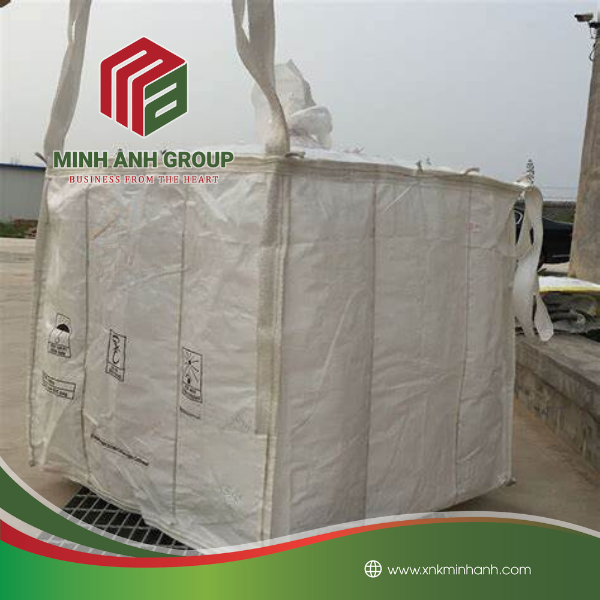
One of the most reliable ways to identify genuine FIBC bags is by checking for adherence to industry standards and certifications. Reputable manufacturers produce FIBCs that comply with globally recognized standards such as ISO 21898 (Packaging – Flexible Intermediate Bulk Containers). Additionally, some bags may meet specific food-grade or hazardous material handling certifications depending on their intended use.
Look for certifications like:
– UN certification for hazardous materials
– FDA or EU compliance for food-grade applications
– ISO certifications for quality management
Always verify the documentation provided by the manufacturer or supplier to ensure that the bag meets the required standards.
2. Examine the Material Quality
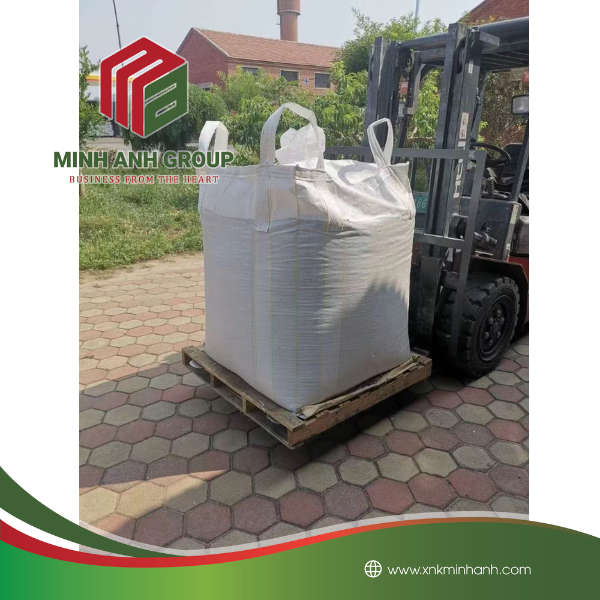
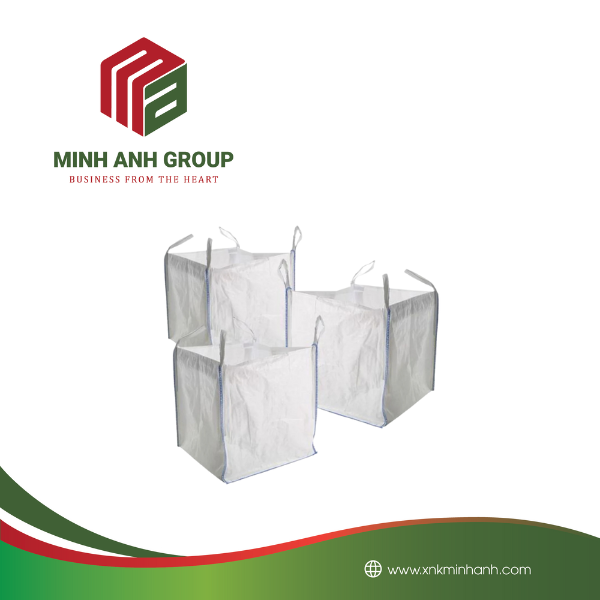
Genuine FIBC bags are made from high-quality polypropylene fabric that is durable, lightweight, and resistant to wear and tear. Counterfeit or low-quality bags may use substandard materials that compromise the bag’s strength and integrity.
When inspecting an FIBC bag:
– Check for uniform weaving and stitching.
– Ensure the fabric feels robust but flexible.
– Look for signs of poor workmanship, such as uneven seams or loose threads.
High-quality FIBCs are designed to handle specific weight capacities without failure. Substandard materials can lead to bag rupture, posing safety risks during transportation or storage.
3. Inspect the Manufacturing Details
Authentic FIBC bags are manufactured with precision and attention to detail. Pay close attention to:
– Stitching: Double-stitched seams or reinforced stitching are common in genuine FIBCs. Poorly stitched seams may indicate a counterfeit product.
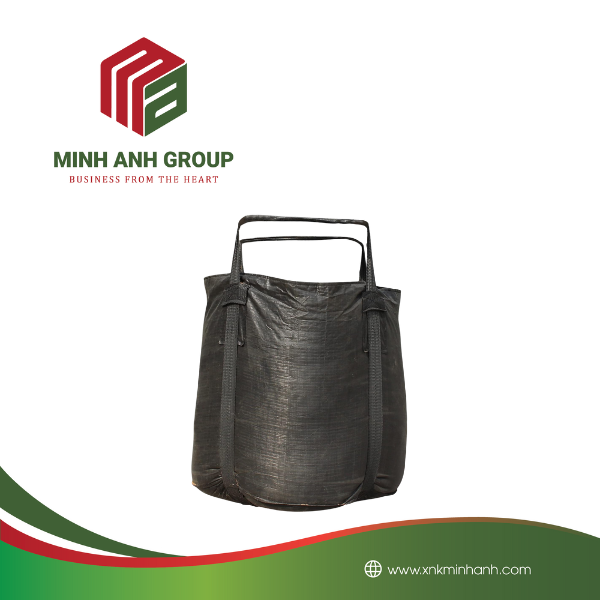
– Loops: Examine the lifting loops for strength and proper attachment. These loops should be securely stitched and capable of supporting the bag’s maximum load.
– Printing: Genuine FIBCs often include clear, legible printing with product specifications, safety instructions, and manufacturer details. Blurred or inconsistent printing may signal a fake product.
4. Verify the Manufacturer’s Reputation
The credibility of the manufacturer or supplier is a strong indicator of the authenticity of FIBC bags. Research the company’s background, including its history, customer reviews, and industry reputation. Reputable manufacturers often have established partnerships with well-known brands and adhere to strict quality control processes.
Key steps to verify a manufacturer:
– Request references from previous clients.
– Check for online reviews or testimonials.
– Confirm whether the manufacturer has a legitimate website and contact information.
Avoid purchasing from unknown or unverified sources, as this increases the risk of receiving counterfeit products.
5. Check for Product Documentation
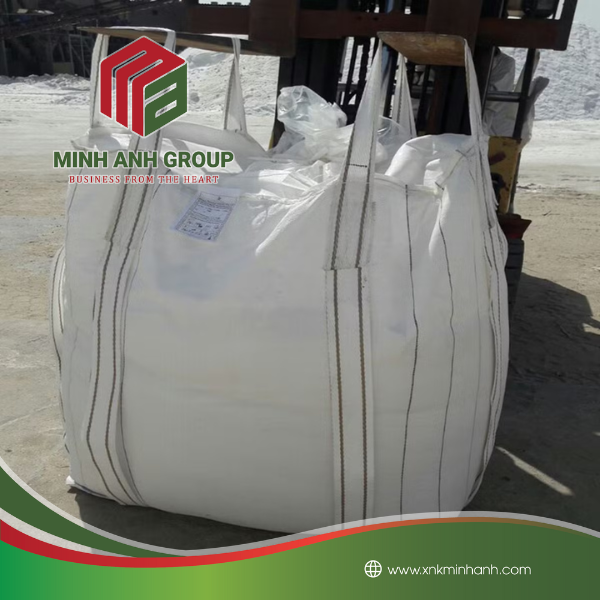
Authentic FIBCs are accompanied by detailed documentation that outlines their specifications, certifications, and intended use. This documentation may include:
– Product data sheets
– Certificates of compliance
– Testing reports
Ensure that the documentation matches the product you are purchasing. If a supplier cannot provide proper documentation or if the details seem inconsistent, it’s a red flag indicating potential counterfeit goods.
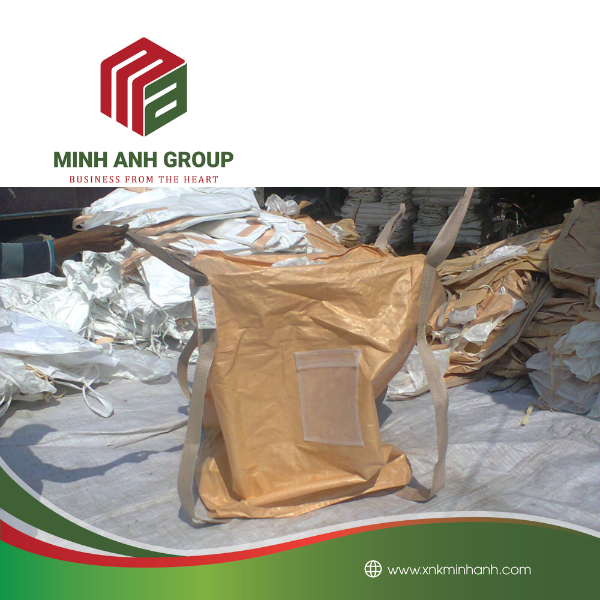
6. Assess Load Capacity and Safety Factors
Each FIBC bag is designed with a specific Safe Working Load (SWL) and Safety Factor (SF). For example, a standard FIBC may have an SWL of 1,000 kilograms and an SF of 5:1, meaning it can handle five times its intended load under test conditions.
To identify genuine FIBCs:
– Verify that the SWL and SF are clearly printed on the bag.
– Cross-check these values against the product documentation.
– Avoid bags that lack this information or appear to have exaggerated claims.
Testing reports from certified laboratories can further confirm that the bag meets its stated load capacity.
7. Evaluate Bag Design Features
FIBCs come in various designs tailored to specific applications. Genuine bags will have design features that align with their intended use. For example:
– Food-grade FIBCs should be made in cleanroom environments and may include liners to prevent contamination.
– Ventilated FIBCs are designed for products like potatoes or wood pellets and should have evenly spaced ventilation panels.
– UN-certified FIBCs for hazardous materials must meet stringent safety requirements.
Ensure that the bag’s design matches your application needs and that all features are functional and well-executed.

8. Perform a Visual Inspection
A thorough visual inspection can help identify counterfeit or substandard FIBCs. Look for:
– Consistent color and texture of the fabric
– Proper alignment of stitching and seams
– Absence of defects such as holes, tears, or discoloration
While visual inspection alone cannot guarantee authenticity, it is an essential step in identifying obvious quality issues.

9. Request Samples Before Bulk Purchase
If you are sourcing FIBC bags for large-scale operations, request samples from the supplier before committing to a bulk purchase. Testing a sample allows you to evaluate its quality, durability, and suitability for your specific application.
During sample testing:
– Fill the bag with your intended product to check its performance under load.
– Inspect how well it handles lifting, stacking, and transportation.
– Assess whether it meets your operational requirements.

10. Beware of Unusually Low Prices
While competitive pricing is important, unusually low prices may indicate counterfeit or inferior-quality products. Genuine FIBCs require high-quality materials and manufacturing processes, which come at a cost. If a deal seems too good to be true, it likely is.
Always balance cost considerations with quality assurance to avoid compromising safety and performance.
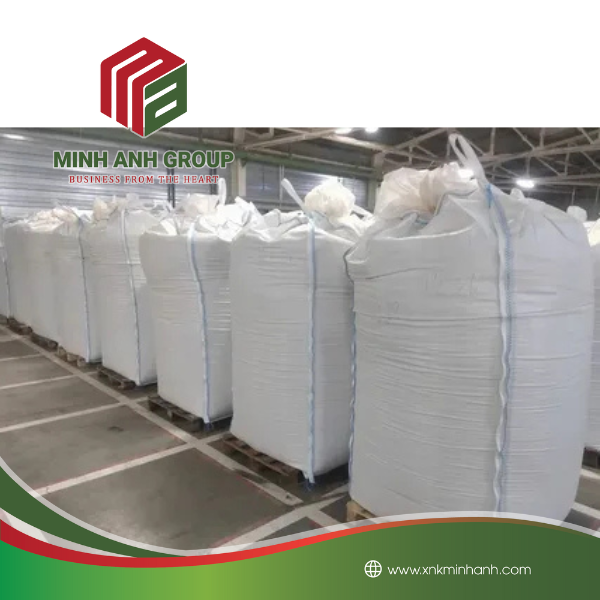
Identifying genuine FIBC bags in the market requires a combination of careful inspection, verification of certifications, and assessment of supplier credibility. By following these guidelines, businesses can minimize risks associated with counterfeit products while ensuring they invest in high-quality bulk bags that meet their operational needs. Prioritizing authenticity not only enhances safety but also contributes to long-term cost savings by reducing the likelihood of product failure or damage during handling and transportation.
When in doubt, consult with industry experts or trusted suppliers who can provide guidance on selecting reliable FIBC solutions tailored to your requirements.
Hãy là người đầu tiên nhận xét “How to Identify Genuine FIBC Bags in the Market”
Sản phẩm tương tự

Tin Tức Bao Bì


Tin Tức Bao Bì


Tin Tức Bao Bì
Food Cling Film: Outstanding Advantages in Food Preservation


Tin Tức Bao Bì


Đánh giá
Chưa có đánh giá nào.