
The Role of FIBC Bags in the Chemical Industry

The role of FIBC bags in the chemical industry is undeniably significant. Their advantages in terms of safety, versatility, cost-effectiveness, and environmental impact make them an indispensable tool for modern chemical operations. As the industry continues to grow and evolve, the demand for innovative packaging solutions like FIBCs will only increase. By addressing challenges and maintaining high standards of quality and safety, FIBC manufacturers can continue to support the chemical industry’s dynamic needs effectively.
In the ever-evolving landscape of the chemical industry, the need for efficient, safe, and cost-effective packaging solutions is paramount. Flexible Intermediate Bulk Containers (FIBCs), commonly known as bulk bags, have emerged as a vital component in addressing these needs. Their role in the chemical industry is multifaceted, encompassing storage, transportation, and handling of a wide variety of chemical products.
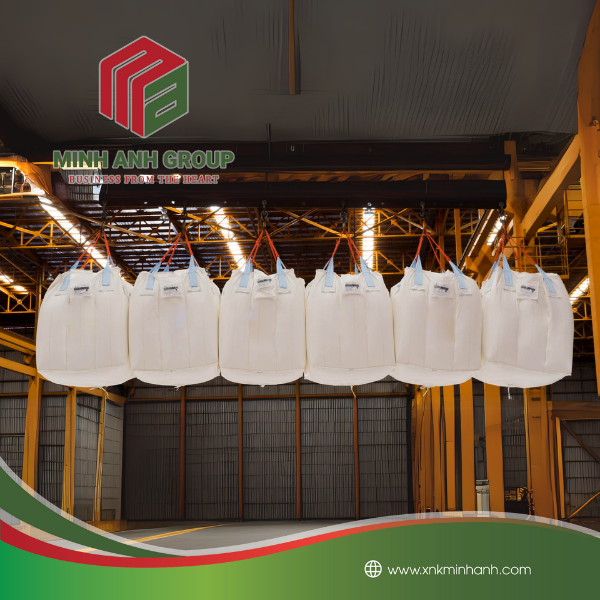
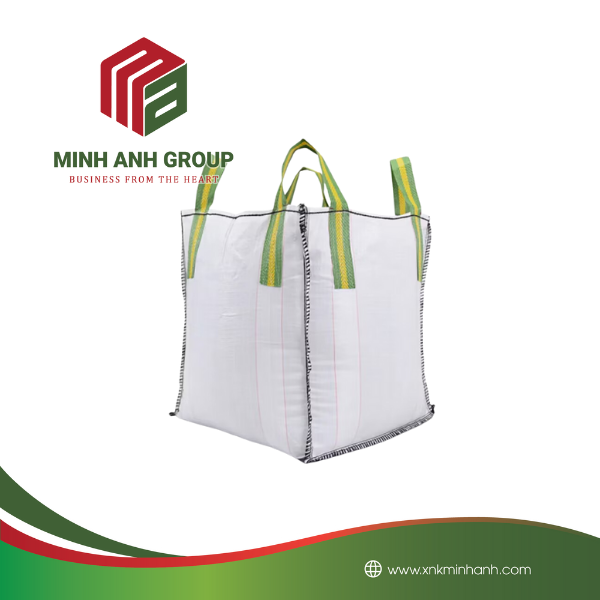
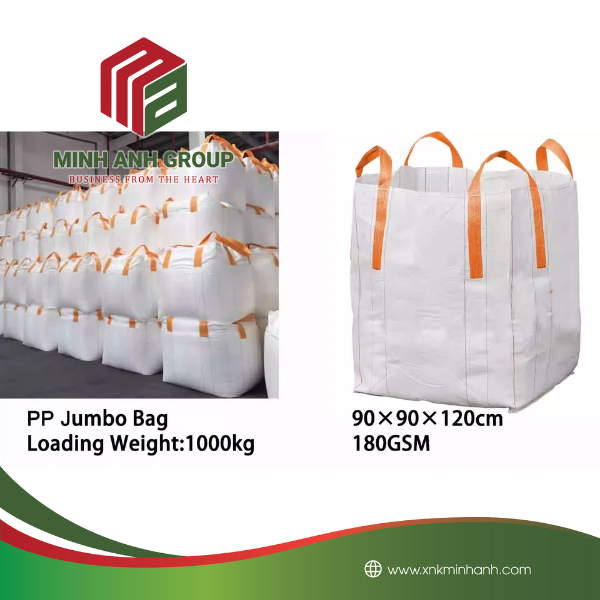
FIBC bags are large, flexible containers made from woven polypropylene fabric. They are designed to carry dry, flowable products and come in various sizes and specifications to accommodate different industrial needs. These bags can hold anywhere from 500 to 2,000 kilograms of material, making them an ideal choice for bulk transportation.
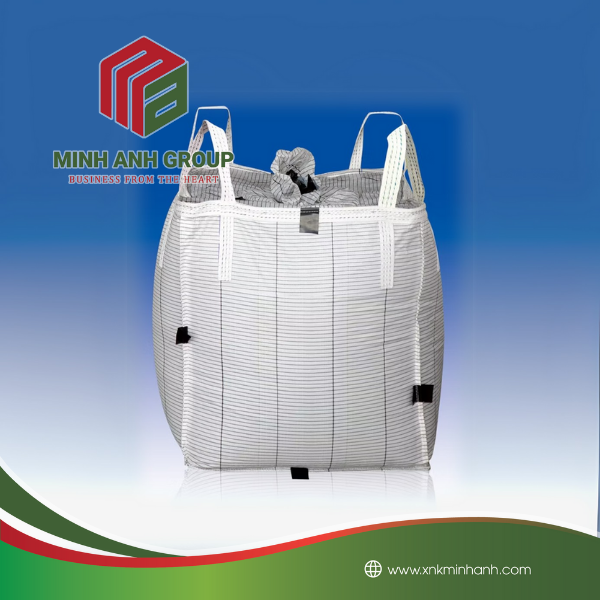
1. Safety and Compliance: Safety is a critical concern in the chemical industry. FIBC bags are manufactured to meet stringent safety standards, ensuring that hazardous materials are contained securely. Many FIBCs are designed with anti-static or conductive properties to prevent static discharge, which is crucial when handling flammable or explosive materials.
2. Versatility: FIBCs are incredibly versatile and can be customized to meet specific requirements. They can be designed with various features such as liners for moisture protection, spouts for easy filling and discharging, and reinforced lifting loops for safe handling. This adaptability makes them suitable for a broad range of chemical products, including powders, granules, and flakes.
3. Cost-Effectiveness: Compared to traditional packaging methods like drums or rigid containers, FIBC bags offer significant cost savings. Their lightweight nature reduces transportation costs, while their high capacity minimizes the number of containers needed for shipping. Additionally, FIBCs are reusable and recyclable, contributing to sustainability efforts within the industry.
4. Efficient Storage and Handling: The design of FIBC bags allows for easy stacking and storage, optimizing warehouse space. Their flexibility enables efficient handling using forklifts or cranes, reducing labor costs and improving operational efficiency.
5. Environmental Impact: As industries increasingly prioritize sustainability, FIBCs offer an environmentally friendly packaging solution. They are made from recyclable materials and can be reused multiple times before disposal. This reduces waste and aligns with the industry’s goals of minimizing environmental impact.
FIBC bags are used extensively across various segments of the chemical industry. Some common applications include:
– Agricultural Chemicals: Fertilizers, pesticides, and herbicides are often transported in FIBCs due to their ability to contain large volumes securely.
– Pharmaceuticals: For bulk transport of pharmaceutical ingredients, FIBCs provide a hygienic and contamination-free solution.
– Petrochemicals: In the petrochemical sector, FIBCs are used to handle raw materials like polymers and resins.
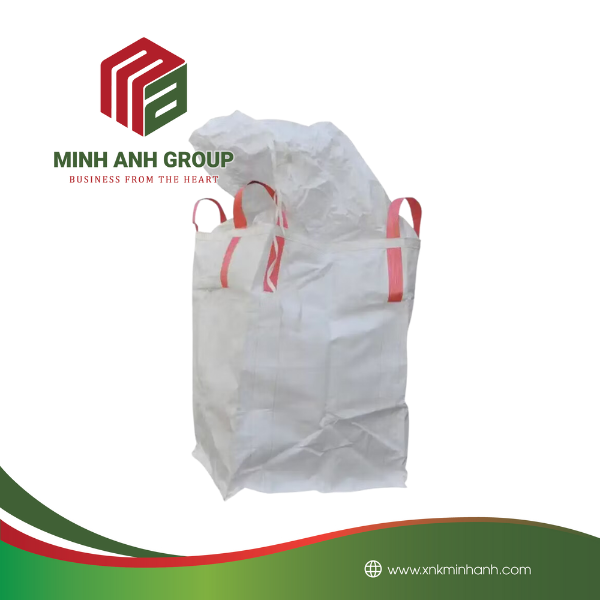
These bags cater to the unique needs of specialty chemicals, offering customized solutions for sensitive products.
While FIBC bags offer numerous benefits, there are challenges and considerations that must be addressed:
– Material Compatibility: It is essential to ensure that the materials used in FIBC construction are compatible with the chemical products being stored or transported to prevent reactions or contamination.
– Regulatory Compliance: Adherence to industry regulations and standards is crucial. Manufacturers must ensure that their products comply with relevant safety and quality certifications.
– Handling Procedures: Proper training and handling procedures must be in place to prevent accidents during filling, lifting, and discharging operations.
The role of FIBC bags in the chemical industry is undeniably significant. Their advantages in terms of safety, versatility, cost-effectiveness, and environmental impact make them an indispensable tool for modern chemical operations. As the industry continues to grow and evolve, the demand for innovative packaging solutions like FIBCs will only increase. By addressing challenges and maintaining high standards of quality and safety, FIBC manufacturers can continue to support the chemical industry’s dynamic needs effectively.
Hãy là người đầu tiên nhận xét “The Role of FIBC Bags in the Chemical Industry”
Sản phẩm tương tự


Tin Tức Bao Bì

Tin Tức Bao Bì

Tin Tức Bao Bì

Tin Tức Bao Bì


Đánh giá
Chưa có đánh giá nào.