
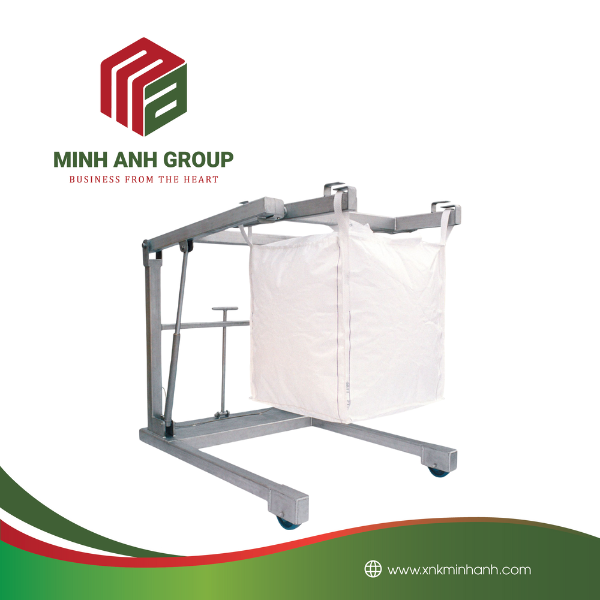
What Features to Look for in High-Quality Jumbo Bags?
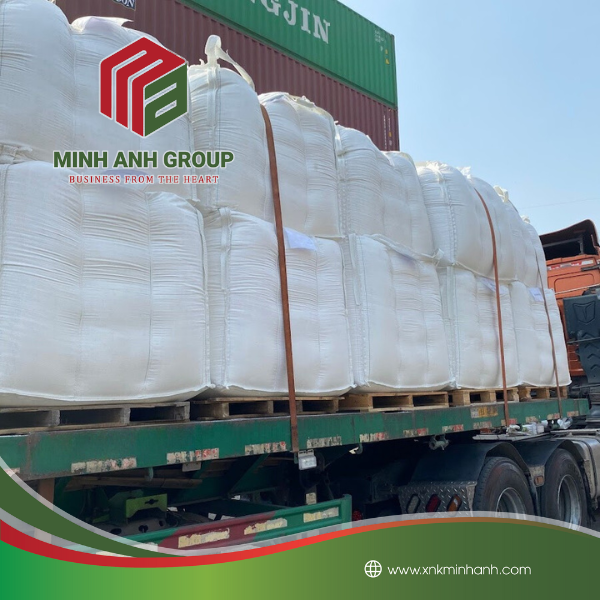
Jumbo bags, also known as FIBCs (Flexible Intermediate Bulk Containers), have become an essential part of industries that require the safe and efficient storage, handling, and transportation of bulk materials. From agriculture and construction to chemical and food industries, these versatile containers are widely used for their durability, cost-effectiveness, and adaptability. However, not all jumbo bags are created equal. To ensure optimal performance and safety, it is crucial to select high-quality jumbo bags that meet your specific needs. Below, we outline the key features to look for when evaluating the quality of jumbo bags.
Jumbo bags, also known as FIBCs (Flexible Intermediate Bulk Containers), have become an essential part of industries that require the safe and efficient storage, handling, and transportation of bulk materials. From agriculture and construction to chemical and food industries, these versatile containers are widely used for their durability, cost-effectiveness, and adaptability. However, not all jumbo bags are created equal. To ensure optimal performance and safety, it is crucial to select high-quality jumbo bags that meet your specific needs. Below, we outline the key features to look for when evaluating the quality of jumbo bags.

1. Material Strength and Durability
The primary function of a jumbo bag is to hold and transport heavy or bulk materials safely. Therefore, the material used in its construction must be robust and durable. High-quality jumbo bags are typically made from woven polypropylene, known for its strength, flexibility, and resistance to wear and tear. Look for bags with tightly woven fabric that can withstand heavy loads without tearing or breaking. Additionally, ensure that the material is UV-stabilized if the bags will be exposed to sunlight for extended periods.
2. Load Capacity
Jumbo bags come in various load capacities, typically ranging from 500 kg to 2000 kg or more. It is essential to select a bag with a load capacity that matches your specific requirements. Overloading a bag beyond its designated capacity can compromise safety and lead to accidents. High-quality jumbo bags are rigorously tested for their Safe Working Load (SWL) and Safety Factor (SF), which is usually indicated as a ratio (e.g., 5:1). This ratio means the bag can handle five times its rated capacity under test conditions.

3. Design Features
The design of a jumbo bag plays a significant role in its functionality. Depending on your application, you may need a specific type of bag. Common design features to consider include:
– Top and Bottom Construction: Bags can have open tops, duffle tops, or spout tops for easy filling. Similarly, bottom options include flat bottoms or discharge spouts for controlled emptying.
– Lifting Loops: High-quality bags have sturdy lifting loops that are securely stitched to withstand the weight of the load during handling.
– Ventilation: For materials like agricultural products that need airflow, consider bags with ventilated sides.
– Coating and Liners: Coated bags or those with inner liners are ideal for fine powders or moisture-sensitive materials, as they provide an additional layer of protection.
4. Customizability
Industries often have unique requirements for bulk material handling. High-quality jumbo bags can be customized to meet these specific needs. Whether it’s the size, shape, color, or additional features such as liners, printing, or reinforced stitching, having the option to tailor the bag ensures it aligns perfectly with your operational demands.
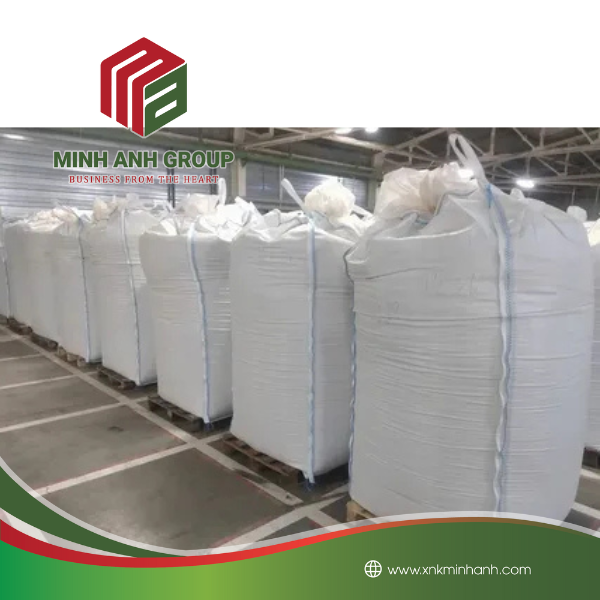
5. Compliance with Industry Standards
Safety is paramount when dealing with bulk materials. Ensure that the jumbo bags you purchase comply with relevant industry standards and certifications. For example:
– ISO 21898 outlines safety requirements for FIBCs.
– UN Certification is necessary for transporting hazardous materials.
Compliance with these standards ensures that the bags have undergone rigorous testing for strength, durability, and safety.
6. Resistance to Environmental Factors
Depending on the environment where the jumbo bags will be used or stored, they may need to withstand various external factors such as moisture, UV radiation, chemicals, or extreme temperatures. High-quality bags are designed to resist these elements:
– UV Resistance: Prevents degradation when exposed to sunlight.
– Moisture Resistance: Coated fabrics or inner liners protect contents from water damage.
– Chemical Resistance: Ensures compatibility with corrosive or reactive materials.

7. Ease of Handling
Efficient handling is a critical aspect of using jumbo bags in industrial operations. Features such as well-designed lifting loops, discharge spouts, and stackability contribute to smoother workflows and reduced downtime. High-quality jumbo bags are engineered for compatibility with forklifts, cranes, and other mechanical handling equipment.
8. Reusability and Sustainability
Sustainability is increasingly becoming a priority for businesses worldwide. While some jumbo bags are designed for single use (Type A or B), others can be reused multiple times (Type C or D) if handled properly. Reusable bags reduce waste and provide cost savings over time. Additionally, consider whether the manufacturer uses eco-friendly production processes or offers recyclable options.
9. Cost vs. Quality
While it may be tempting to opt for cheaper options, low-cost jumbo bags often compromise on quality and safety. Investing in high-quality bags ensures better performance, longer lifespan, and reduced risk of accidents or material loss. Evaluate the total cost of ownership rather than just the upfront price.
10. Supplier Reputation
Lastly, the reputation of the supplier or manufacturer plays a significant role in ensuring you receive high-quality jumbo bags. Choose a supplier with a proven track record of delivering reliable products that meet industry standards. Look for testimonials, reviews, and certifications to verify their credibility.
Selecting high-quality jumbo bags is essential for ensuring the safe and efficient handling of bulk materials in any industry. By considering factors such as material strength, load capacity, design features, compliance with standards, environmental resistance, and supplier reputation, you can make an informed decision that meets your operational needs while prioritizing safety and reliability. Remember that investing in superior quality upfront can save time, money, and resources in the long run while enhancing productivity and sustainability in your business operations.
Hãy là người đầu tiên nhận xét “What Features to Look for in High-Quality Jumbo Bags?”
Sản phẩm tương tự


Tin Tức Bao Bì

Tin Tức Bao Bì

Tin Tức Bao Bì


Tin Tức Bao Bì
Food Cling Film: Outstanding Advantages in Food Preservation

Tin Tức Bao Bì


Đánh giá
Chưa có đánh giá nào.