
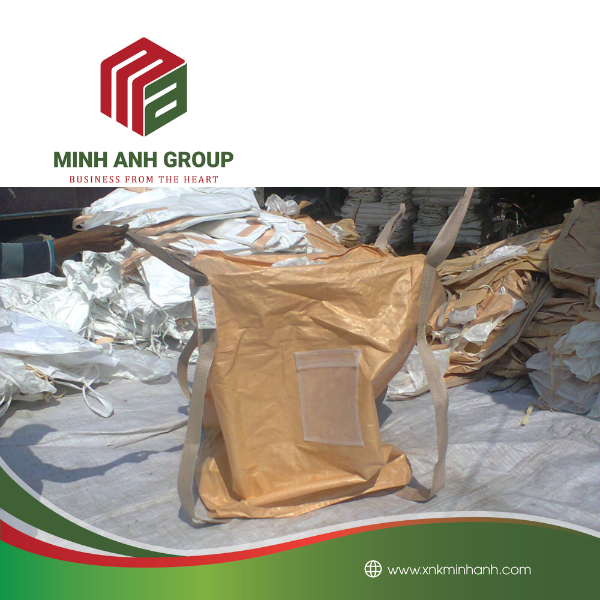
The Future of Jumbo Bags in Global Trade
In the dynamic and ever-evolving landscape of global trade, the demand for efficient, cost-effective, and sustainable packaging solutions continues to grow. Among the myriad of options available, jumbo bags, also known as Flexible Intermediate Bulk Containers (FIBCs), have emerged as a critical component in the transportation and storage of bulk goods. These versatile containers are widely used across industries such as agriculture, chemicals, construction, and food processing.
In the dynamic and ever-evolving landscape of global trade, the demand for efficient, cost-effective, and sustainable packaging solutions continues to grow. Among the myriad of options available, jumbo bags, also known as Flexible Intermediate Bulk Containers (FIBCs), have emerged as a critical component in the transportation and storage of bulk goods. These versatile containers are widely used across industries such as agriculture, chemicals, construction, and food processing. As global trade scales new heights, the role of jumbo bags is poised for significant transformation. This article explores the future of jumbo bags in global trade, focusing on their benefits, challenges, and the trends shaping their development.
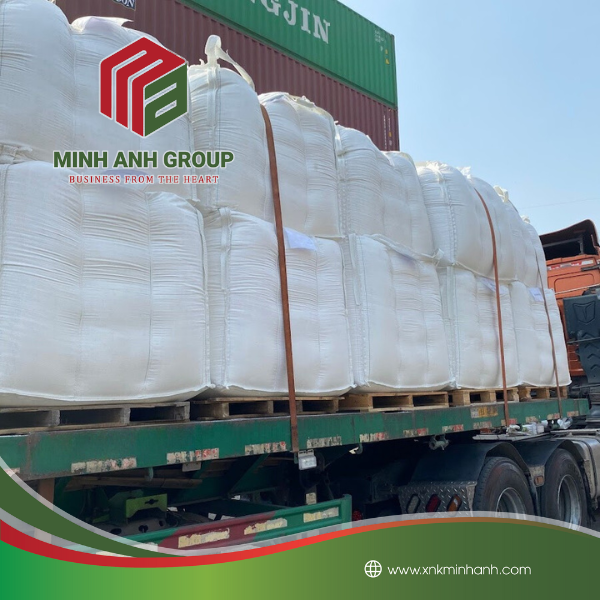
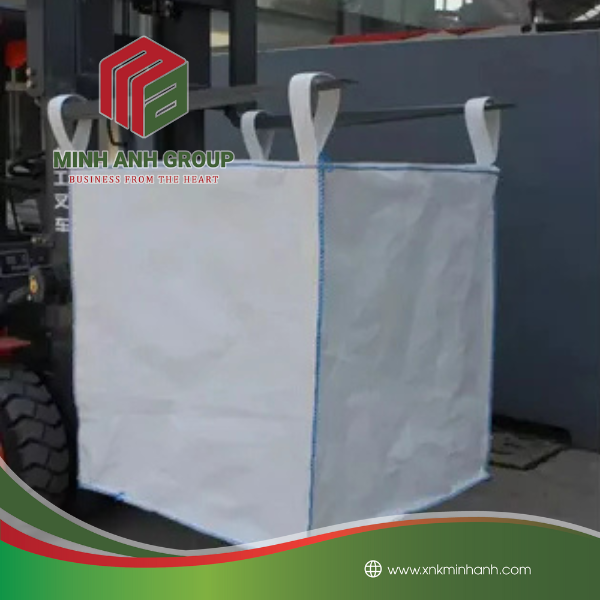
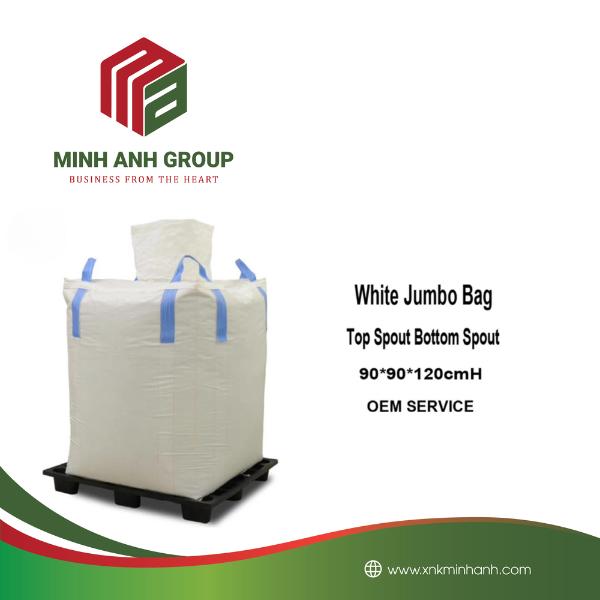
Jumbo bags have gained widespread popularity due to their ability to handle large quantities of goods efficiently. Typically made from woven polypropylene or polyethylene, these bags are lightweight yet durable, offering high strength-to-weight ratios. Their versatility allows them to store and transport a wide range of materials, including grains, fertilizers, sand, cement, and even hazardous chemicals.
One of the key drivers behind the adoption of jumbo bags is their cost-effectiveness. Compared to traditional packaging methods such as barrels or rigid containers, jumbo bags offer significant savings in transportation and storage costs. Their collapsible nature also reduces space requirements when not in use, further optimizing logistics.

Additionally, jumbo bags contribute to sustainability efforts. Many are designed to be reusable and recyclable, aligning with the increasing emphasis on reducing environmental impact in global trade. As industries and governments worldwide prioritize eco-friendly practices, the demand for sustainable packaging solutions like jumbo bags is expected to rise.
Despite their numerous advantages, jumbo bags face certain challenges that could impact their future in global trade. One major concern is quality control. Since these bags are often used to transport heavy or hazardous materials, any compromise in quality can lead to accidents or contamination. Ensuring consistent manufacturing standards is crucial to maintaining trust among users.

Another challenge lies in the disposal and recycling of used jumbo bags. While many are designed to be recyclable, improper disposal practices can lead to environmental pollution. Developing robust recycling infrastructure and raising awareness about proper disposal methods will be essential for addressing this issue.
Moreover, counterfeit products pose a significant risk in the jumbo bag market. Low-quality imitations not only undermine the reputation of legitimate manufacturers but also jeopardize the safety of goods being transported. Implementing stricter regulations and leveraging technology to authenticate products could help mitigate this problem.
The future of jumbo bags in global trade will be shaped by several key trends that reflect broader shifts in technology, sustainability, and market demands.
1. Smart Packaging Solutions
The integration of technology into packaging is revolutionizing supply chain management. Smart jumbo bags equipped with sensors and RFID tags are becoming increasingly popular. These advanced features enable real-time tracking of goods, monitoring of environmental conditions such as temperature and humidity, and enhanced inventory management. By providing greater transparency and control over logistics operations, smart jumbo bags are set to become a valuable asset for businesses engaged in global trade.
2. Focus on Sustainability
Sustainability remains a top priority for industries worldwide. To meet growing environmental concerns, manufacturers are developing eco-friendly jumbo bags made from biodegradable or recycled materials. Innovations such as compostable liners and water-based inks for printing further enhance the sustainability profile of these containers. As regulatory frameworks tighten around single-use plastics and carbon emissions, sustainable jumbo bags will play a pivotal role in meeting compliance requirements.

3. Customization and Innovation
As industries become more specialized, the demand for customized packaging solutions is increasing. Manufacturers are responding by offering tailor-made jumbo bags designed to meet specific requirements such as size, weight capacity, and resistance to certain chemicals or environmental conditions. Innovations like anti-static coatings for handling flammable materials or UV-resistant fabrics for outdoor storage are expanding the applications of jumbo bags across diverse sectors.
4. Expansion into Emerging Markets
The growth of emerging markets presents significant opportunities for the jumbo bag industry. Regions such as Asia-Pacific, Latin America, and Africa are witnessing rapid industrialization and urbanization, driving demand for bulk transportation solutions. Additionally, the rise of e-commerce in these regions is boosting the need for efficient packaging systems to support last-mile delivery networks.
5. Automation in Manufacturing
Advancements in automation are transforming the production process for jumbo bags. Automated cutting, stitching, and printing technologies not only enhance manufacturing efficiency but also improve product consistency and reduce lead times. This trend aligns with the broader push toward Industry 4.0 practices in manufacturing sectors globally.
The future of jumbo bags in global trade is bright, driven by their versatility, cost-effectiveness, and alignment with sustainability goals. While challenges such as quality control and recycling infrastructure remain, ongoing innovation and technological advancements are paving the way for a more efficient and environmentally friendly industry.
As businesses navigate the complexities of global trade, jumbo bags will continue to play a vital role in optimizing supply chains and meeting evolving market demands. By embracing trends such as smart packaging solutions, customization, and sustainable practices, stakeholders can unlock new opportunities and ensure the long-term viability of this indispensable packaging solution.
Hãy là người đầu tiên nhận xét “The Future of Jumbo Bags in Global Trade”
Sản phẩm tương tự

Tin Tức Bao Bì

Tin Tức Bao Bì

Tin Tức Bao Bì

Tin Tức Bao Bì

Tin Tức Bao Bì


Tin Tức Bao Bì
Food Cling Film: Outstanding Advantages in Food Preservation

Tin Tức Bao Bì


Đánh giá
Chưa có đánh giá nào.