

How to Choose the Right Jumbo Bag for Your Products
Choosing the right jumbo bag for your products involves a careful evaluation of your product’s characteristics, operational requirements, and safety considerations. By understanding these factors and working with a trusted supplier, you can ensure that your packaging solution meets both functional and regulatory standards. The right jumbo bag not only protects your products but also enhances efficiency and reduces costs in the long term.
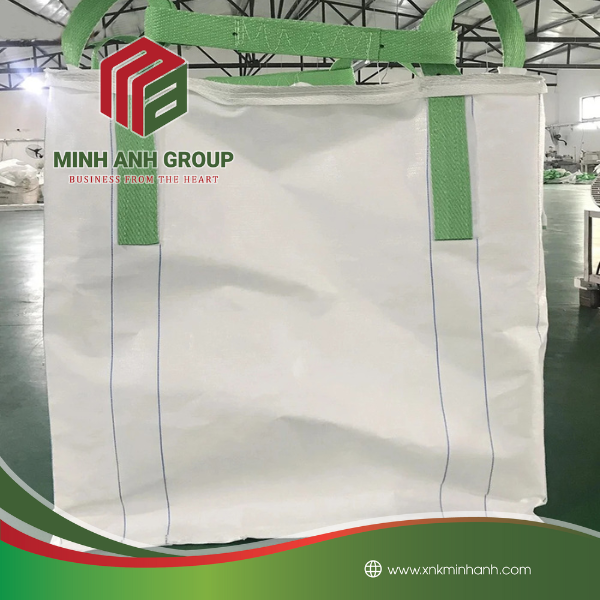
Jumbo bags, also known as FIBCs (Flexible Intermediate Bulk Containers), are a widely used packaging solution in industries such as agriculture, construction, chemicals, and food production. These versatile bags are designed to store and transport bulk materials efficiently, offering durability, cost-effectiveness, and ease of handling. However, selecting the right jumbo bag for your specific products is crucial to ensure safety, optimize performance, and meet regulatory requirements. Below, we outline key factors to consider when choosing the right jumbo bag for your needs.
1. Understand Your Product Characteristics
The first step in selecting the right jumbo bag is to assess the nature of the product you intend to store or transport. Consider the following product characteristics:
– Weight and Volume: Determine the weight and volume of the material. Jumbo bags come in various sizes and load capacities, typically ranging from 500 kg to 2000 kg. Ensure the bag’s safe working load (SWL) matches your product’s weight.
– Density: Products with high density, such as sand or cement, require bags with reinforced stitching and durable fabric to withstand the pressure.
– Flowability: If your product is free-flowing (e.g., grains or powders), you may need a bag with a spout for easy filling and discharge.
– Fragility: For delicate products like seeds or food items, choose bags with soft liners or additional protective layers to prevent damage.
2. Select the Appropriate Bag Type
Jumbo bags come in various designs tailored to different applications. Selecting the right type ensures efficiency and safety during use. Common types include:
– U-Panel Bags: Constructed with three main panels of fabric, these are ideal for heavy-duty materials and provide excellent stability.
– Circular Bags: Made from a single piece of tubular fabric, circular bags are suitable for fine powders or products requiring minimal spillage.
– Baffle Bags: These have internal baffles (panels) to maintain their shape and prevent bulging, making them ideal for stacking and space optimization.
– Four-Loop Bags: Designed for easy handling with forklifts or cranes, these bags are widely used across industries.
– Single-Loop or Two-Loop Bags: Economical options for lighter loads or single-use applications.
3. Consider Fabric and Construction
The material and construction of the jumbo bag play a critical role in its performance. Key considerations include:
– Fabric Strength: Most jumbo bags are made from woven polypropylene, which is lightweight yet strong. Ensure the fabric’s tensile strength is sufficient for your product’s weight.
– UV Protection: If your bags will be stored outdoors or exposed to sunlight, opt for UV-stabilized fabric to prevent degradation.
– Coated vs. Uncoated Fabric: Coated (laminated) fabric provides a moisture barrier, making it suitable for products sensitive to humidity. Uncoated fabric allows better ventilation for products like grains.
– Seams: Double-stitched or reinforced seams enhance durability and prevent leaks.
4. Evaluate Filling and Discharge Options
Efficient filling and emptying processes can save time and reduce product loss. Choose jumbo bags with features that suit your operational requirements:
– Top Options: Bags may have an open top, spout top, or duffle top. Spout tops are ideal for controlled filling, while open tops allow quick loading of larger materials.
– Bottom Options: Discharge spouts are commonly used for easy emptying. Some bags also have flat bottoms that require manual unloading.

5. Assess Safety Features
Safety is paramount when handling heavy loads. Look for the following safety features:
– Safe Working Load (SWL) and Safety Factor (SF): Ensure the bag can handle at least five times its SWL (e.g., a 1000 kg bag should have an SF of 5:1).
– Lifting Loops: Check that the lifting loops are securely attached and compatible with your handling equipment.
– UN Certification: For hazardous materials, select UN-certified bags that comply with international safety standards.
6. Check for Regulatory Compliance
Certain industries require packaging that meets specific regulations. For example:
– Food-grade jumbo bags must be manufactured in clean environments and may include additional liners to prevent contamination.
– Pharmaceutical-grade bags should adhere to strict hygiene standards.
– Hazardous material bags must comply with UN regulations for safe transport.

7. Consider Additional Features
Depending on your needs, you may require jumbo bags with special features:
– Liners: Inner liners provide an extra layer of protection against moisture, contamination, or leakage. They are especially useful for fine powders or hygroscopic materials.
– Antistatic Properties: For products prone to static buildup (e.g., flammable powders), choose bags with antistatic or conductive properties.
– Printing and Labeling: Custom printing can help with branding or provide important handling instructions.
8. Evaluate Cost vs. Value
While cost is an important consideration, it should not compromise quality or safety. Investing in high-quality jumbo bags tailored to your specific needs can save money in the long run by preventing product loss, damage, or accidents.

9. Partner with a Reliable Supplier
Finally, work with a reputable supplier who can provide expert guidance and ensure consistent quality. A reliable supplier will help you select the right bag type, customize features if needed, and provide after-sales support.
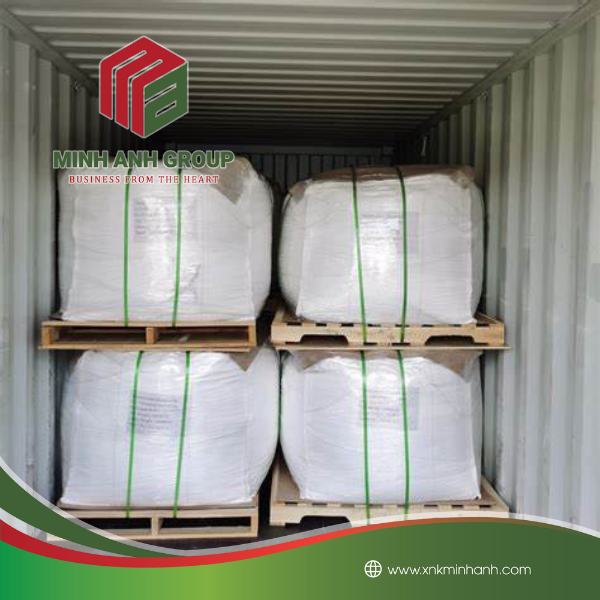
Choosing the right jumbo bag for your products involves a careful evaluation of your product’s characteristics, operational requirements, and safety considerations. By understanding these factors and working with a trusted supplier, you can ensure that your packaging solution meets both functional and regulatory standards. The right jumbo bag not only protects your products but also enhances efficiency and reduces costs in the long term.
Hãy là người đầu tiên nhận xét “How to Choose the Right Jumbo Bag for Your Products”
Sản phẩm tương tự

Tin Tức Bao Bì

Tin Tức Bao Bì

Tin Tức Bao Bì

Tin Tức Bao Bì

Tin Tức Bao Bì


Tin Tức Bao Bì


Đánh giá
Chưa có đánh giá nào.