
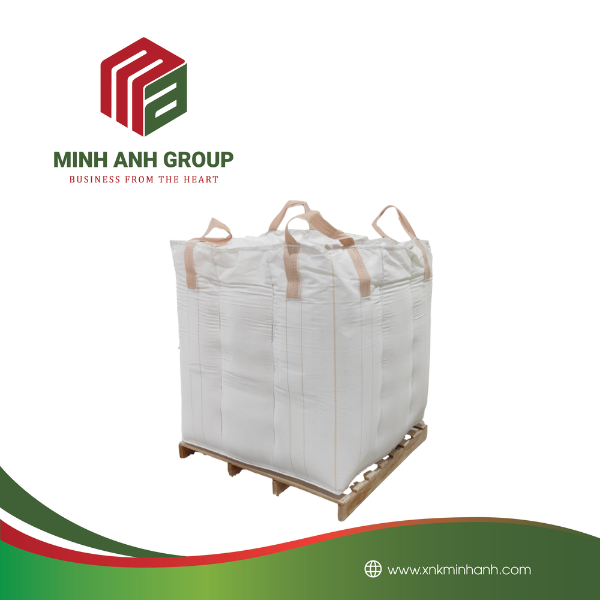
What Are the Environmental Impacts of FIBC Bags?
FIBC bags play a critical role in modern industrial operations, but their environmental impacts cannot be ignored. While their durability and efficiency make them a valuable asset, their reliance on non-renewable resources and challenges in waste management pose significant concerns. By prioritizing reusability, improving recycling systems, and investing in sustainable innovations, industries can mitigate the environmental footprint of FIBCs. As global demand for bulk packaging continues to grow, adopting responsible practices will be essential in balancing industrial needs with environmental stewardship.
Flexible Intermediate Bulk Containers (FIBCs), commonly referred to as bulk bags or jumbo bags, have become an essential tool in industries such as agriculture, construction, chemicals, and food production. These large, durable bags are valued for their ability to store and transport bulk materials efficiently. However, as global industries shift toward more sustainable practices, understanding the environmental impacts of FIBC bags has become increasingly important.

Composition and Reusability
FIBC bags are typically made from woven polypropylene (PP), a type of thermoplastic polymer. Polypropylene is lightweight, strong, and resistant to moisture, making it an ideal material for bulk storage. However, like many plastics, polypropylene is derived from non-renewable fossil fuels. The extraction and processing of these raw materials contribute to greenhouse gas emissions and environmental degradation.
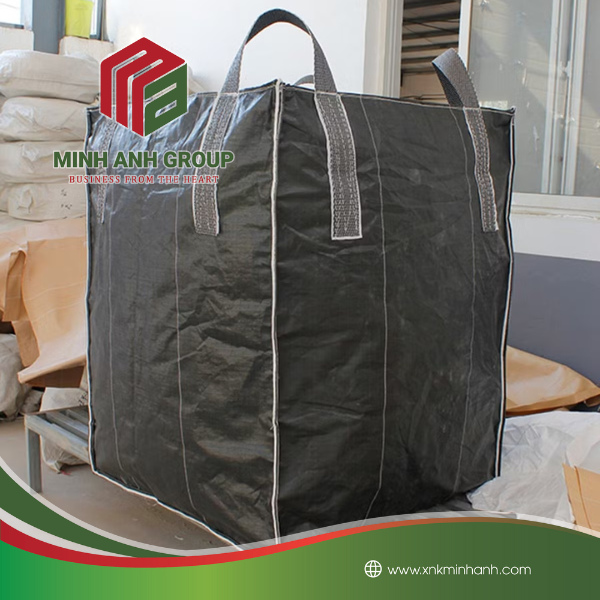
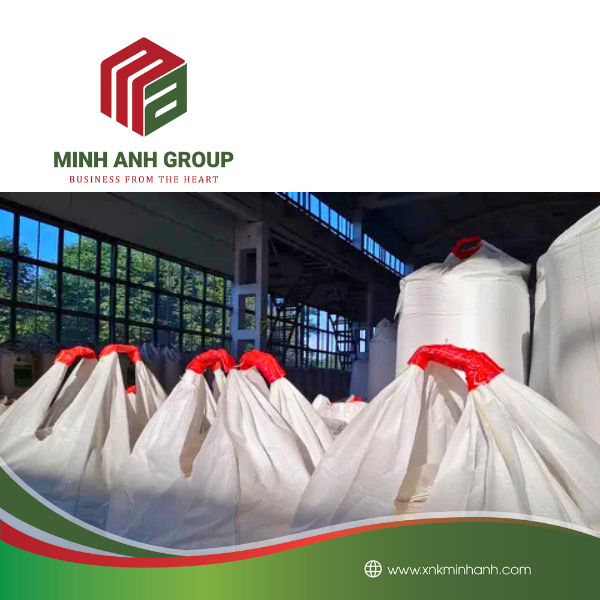
On a positive note, FIBC bags are highly reusable if handled properly. Many industries adopt multi-use practices for FIBCs, significantly reducing waste. Reusable FIBCs not only lower the demand for new materials but also decrease the energy consumption associated with manufacturing. However, their reusability depends on the type of bag and its intended application. Single-use FIBCs, often used in industries requiring strict hygiene standards, contribute more significantly to environmental waste compared to multi-use alternatives.

Waste Management Challenges
One of the primary environmental concerns associated with FIBC bags is waste management. Improper disposal of polypropylene bags can lead to long-term environmental issues. When discarded in landfills, these bags take decades or even centuries to decompose due to their durable synthetic composition. During this time, they can release microplastics into the soil and nearby water systems, posing risks to ecosystems and human health.
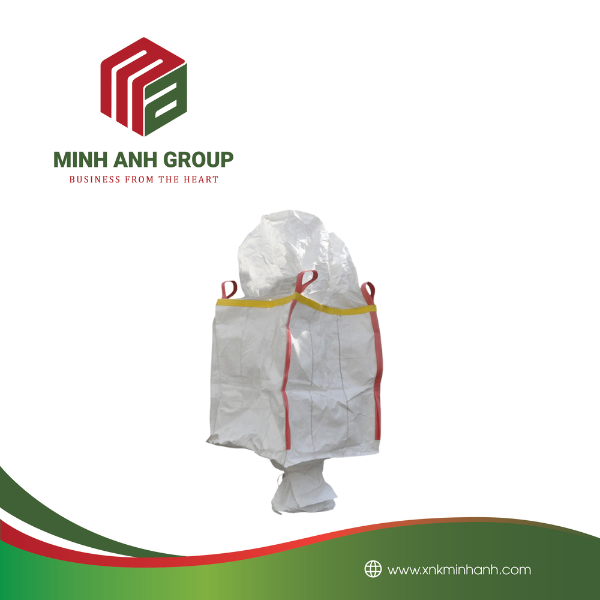
Recycling is a viable solution to mitigate these issues. Polypropylene is recyclable, and many facilities can process used FIBC bags into new products such as plastic pellets or fibers. However, the recycling process is not without challenges. Contamination from residual materials stored in the bags can complicate recycling efforts, requiring additional cleaning processes that consume water and energy. Furthermore, not all regions have adequate recycling infrastructure, limiting the effectiveness of this solution on a global scale.

Carbon Footprint
The production of FIBC bags involves energy-intensive processes, including polymer synthesis, extrusion, weaving, and sewing. These steps contribute to the carbon footprint of each bag. While the lightweight nature of polypropylene reduces transportation emissions compared to heavier alternatives like metal or glass containers, the overall carbon footprint remains a concern.
Efforts to reduce the carbon footprint of FIBC bags include adopting energy-efficient manufacturing techniques and exploring alternative materials. Some companies are experimenting with bio-based polypropylene derived from renewable resources such as sugarcane or corn. Although still in its infancy, this innovation has the potential to significantly lower the environmental impact of FIBC production.
Environmental Benefits of FIBCs
Despite their drawbacks, FIBC bags do offer some environmental benefits when compared to other bulk storage and transport options. Their lightweight design reduces fuel consumption during transportation, which can lead to lower emissions over time. Additionally, their high strength-to-weight ratio allows for efficient storage and minimizes material waste during handling.
When used responsibly, FIBC bags can also contribute to waste reduction in industries that rely on bulk packaging. For example, replacing smaller single-use plastic bags with a single FIBC for bulk materials can significantly cut down on packaging waste.
Industry Solutions and Best Practices
To minimize the environmental impacts of FIBC bags, industries and manufacturers are adopting several best practices:
1. Promoting Reusability: Encouraging the use of multi-trip FIBC bags wherever possible can significantly reduce waste and resource consumption.
2. Implementing Recycling Programs: Establishing closed-loop recycling systems ensures that used FIBCs are collected, processed, and repurposed rather than discarded.
3. Developing Alternative Materials: Research into biodegradable or bio-based materials offers promising avenues for reducing reliance on fossil fuels.
4. Educating Stakeholders: Training employees and customers on proper handling, cleaning, and disposal methods can extend the lifespan of FIBCs and reduce contamination in recycling streams.
5. Collaborating Across Industries: Partnerships between manufacturers, recyclers, and regulatory bodies can help address infrastructure gaps and standardize sustainable practices.

FIBC bags play a critical role in modern industrial operations, but their environmental impacts cannot be ignored. While their durability and efficiency make them a valuable asset, their reliance on non-renewable resources and challenges in waste management pose significant concerns. By prioritizing reusability, improving recycling systems, and investing in sustainable innovations, industries can mitigate the environmental footprint of FIBCs. As global demand for bulk packaging continues to grow, adopting responsible practices will be essential in balancing industrial needs with environmental stewardship.
Hãy là người đầu tiên nhận xét “What Are the Environmental Impacts of FIBC Bags?”
Sản phẩm tương tự

Tin Tức Bao Bì

Tin Tức Bao Bì

Tin Tức Bao Bì

Tin Tức Bao Bì


Tin Tức Bao Bì

Tin Tức Bao Bì


Đánh giá
Chưa có đánh giá nào.