
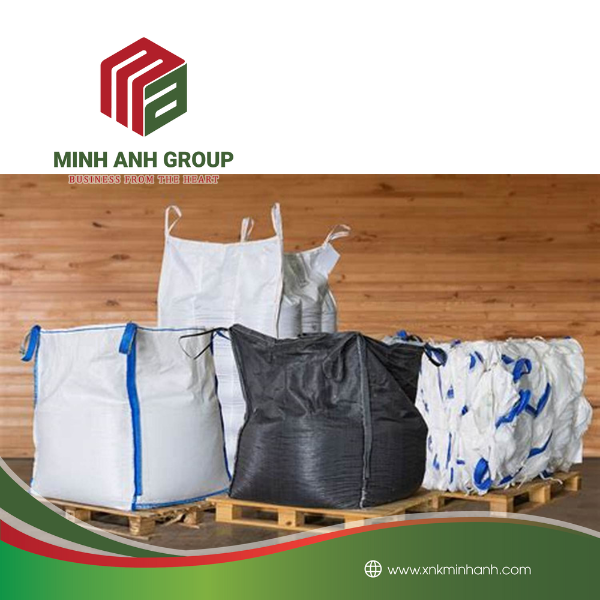
What Are the Key Features of Food-Grade FIBC Bags?
The production of food-grade FIBC bags takes place in cleanroom environments designed to minimize contamination risks. These facilities follow Good Manufacturing Practices (GMP), with strict controls on air quality, temperature, and humidity. Workers in these environments are required to wear protective gear, and all equipment is sanitized regularly to ensure the highest level of hygiene.
Food-grade FIBC (Flexible Intermediate Bulk Container) bags are widely used in industries that handle food products, such as agriculture, food processing, and distribution. These bags are specifically designed to meet stringent safety and hygiene standards to ensure the safe storage and transportation of consumable goods. Below, we explore the key features that make food-grade FIBC bags a reliable choice for food-related applications.

1. Compliance with Food Safety Standards
One of the most critical features of food-grade FIBC bags is their compliance with international food safety regulations. These bags are manufactured in facilities certified by organizations such as the FDA (Food and Drug Administration), BRC (British Retail Consortium), or ISO (International Organization for Standardization). This ensures that the bags meet strict guidelines for cleanliness, material safety, and manufacturing processes.
2. Use of Virgin Materials
Food-grade FIBC bags are made from 100% virgin polypropylene, a material that is free from recycled components. Virgin polypropylene is non-toxic, odorless, and safe for direct contact with food products. Using virgin materials eliminates the risk of contamination from impurities that could compromise the quality or safety of the stored goods.

3. Hygienic Manufacturing Environment
The production of food-grade FIBC bags takes place in cleanroom environments designed to minimize contamination risks. These facilities follow Good Manufacturing Practices (GMP), with strict controls on air quality, temperature, and humidity. Workers in these environments are required to wear protective gear, and all equipment is sanitized regularly to ensure the highest level of hygiene.
4. Customizable Design Options
Food-grade FIBC bags come in a variety of designs to suit different types of food products. For instance, they can be customized with features like inner liners for moisture protection, anti-static properties for handling powders, or vented sides for products that require airflow, such as vegetables or grains. The bags can also be tailored in size and capacity to meet specific storage or transportation needs.
5. Tamper-Proof Sealing
To maintain the integrity of the food products, food-grade FIBC bags often include tamper-proof sealing mechanisms. Features like heat-sealed liners or zip-lock closures ensure that the contents remain uncontaminated during storage and transit. This is particularly important for sensitive products like powdered milk, sugar, or spices.
6. Resistance to Contaminants
Food-grade FIBC bags are designed to resist external contaminants such as dust, moisture, and pests. Many of these bags are equipped with additional layers or liners that provide a barrier against environmental factors. This ensures that the food products remain fresh and safe for consumption even during long periods of storage or transportation.

7. Traceability Features
To enhance food safety and quality control, many food-grade FIBC bags include traceability features such as barcodes or batch numbers printed on the bag. This allows manufacturers and distributors to track the origin and handling history of the product, making it easier to address any quality or safety concerns.
8. Durability and Strength
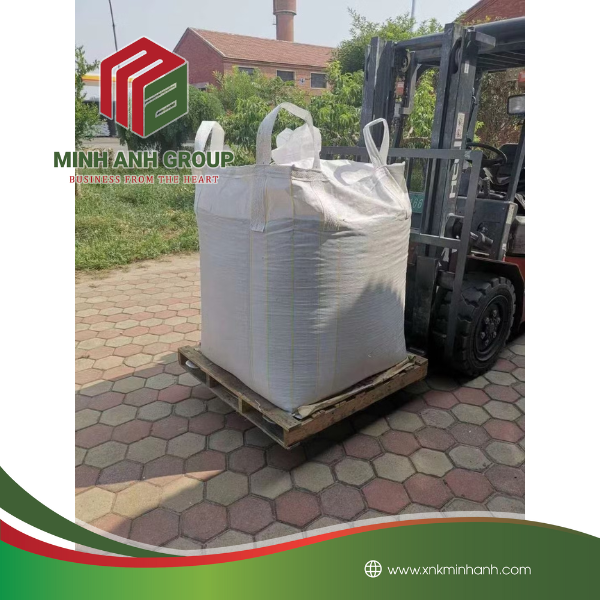
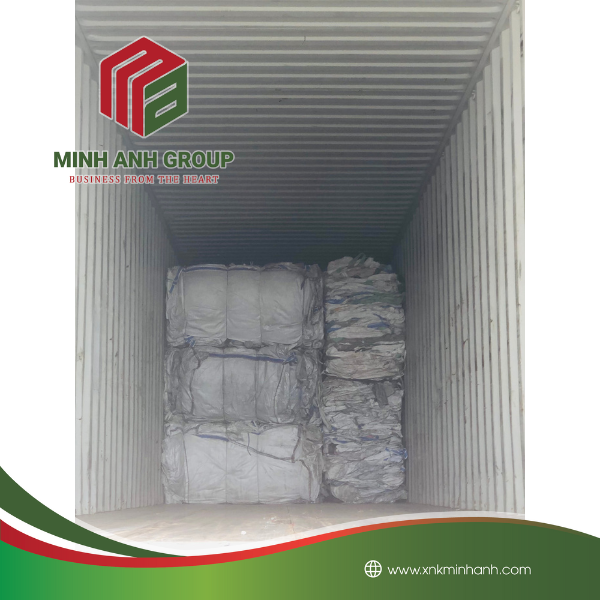
Despite their lightweight nature, food-grade FIBC bags are incredibly durable and capable of holding large quantities of food products—ranging from a few hundred kilograms to over a ton. Their high tensile strength ensures that they can withstand the rigors of transportation without tearing or rupturing, reducing the risk of product loss.
9. Eco-Friendly Options
Many manufacturers now offer eco-friendly food-grade FIBC bags made from recyclable materials or designed for multiple uses. While maintaining safety and hygiene standards, these sustainable options help reduce environmental impact by minimizing waste.
10. Versatility Across Food Industries
Food-grade FIBC bags are suitable for a wide range of applications across various food industries. They are commonly used for storing and transporting grains, flour, sugar, salt, nuts, seeds, coffee beans, dairy powders, and even liquid food products with appropriate liners. Their versatility makes them an indispensable solution for businesses handling bulk quantities of consumable goods.
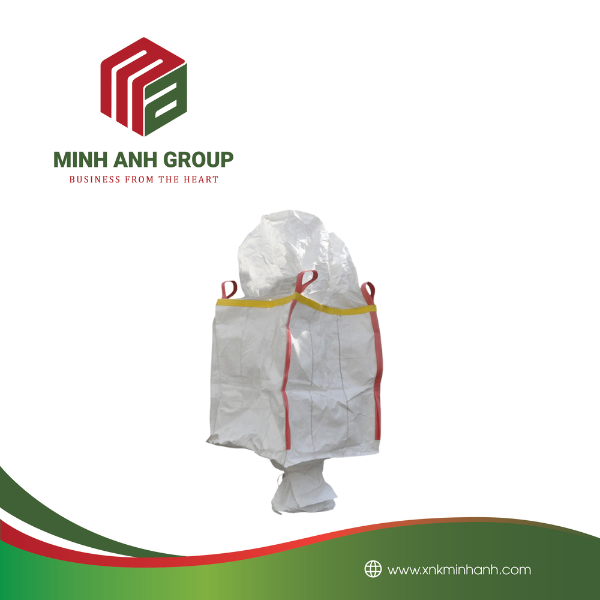
Food-grade FIBC bags are an essential tool for industries that prioritize safety, hygiene, and efficiency in handling food products. Their compliance with regulatory standards, use of virgin materials, customizable designs, and resistance to contamination make them a trusted choice for businesses worldwide. By investing in high-quality food-grade FIBC bags, companies can ensure the safe storage and transportation of their products while maintaining consumer trust and meeting industry requirements.
Hãy là người đầu tiên nhận xét “What Are the Key Features of Food-Grade FIBC Bags?”
Sản phẩm tương tự

Tin Tức Bao Bì

Tin Tức Bao Bì

Tin Tức Bao Bì

Tin Tức Bao Bì

Tin Tức Bao Bì


Tin Tức Bao Bì


Đánh giá
Chưa có đánh giá nào.