
What Are the Common Problems Encountered with FIBC Bags?
One of the most common problems with FIBC bags is physical damage during transportation or handling. Tears, punctures, or abrasions can occur due to improper handling with forklifts, hooks, or other equipment. Damaged bags compromise the structural integrity of the container and may lead to spillage or contamination of the contents.
Flexible Intermediate Bulk Containers (FIBC), often referred to as bulk bags, are widely used in various industries for storing and transporting dry bulk materials. Their versatility, cost-effectiveness, and durability make them a preferred choice for handling products like grains, chemicals, construction materials, and more. However, like any industrial product, FIBC bags are not without their challenges. Understanding these common problems can help businesses mitigate risks, enhance operational efficiency, and ensure the safe handling of materials. Below are some of the most frequent issues encountered with FIBC bags.

1. Bag Damage During Handling
One of the most common problems with FIBC bags is physical damage during transportation or handling. Tears, punctures, or abrasions can occur due to improper handling with forklifts, hooks, or other equipment. Damaged bags compromise the structural integrity of the container and may lead to spillage or contamination of the contents.
Solution: Proper training for personnel on handling FIBCs is essential. Using appropriate lifting equipment, such as forklifts with rounded tines or specialized bag lifting attachments, can reduce the risk of damage. Additionally, inspecting bags for defects before use is critical.
2. Overloading Beyond Safe Working Load (SWL)
Each FIBC bag is designed with a specific Safe Working Load (SWL) and Safety Factor (SF). Overloading a bag beyond its capacity can lead to ruptures, spills, and even workplace accidents. This issue often arises when operators are unaware of the bag’s limitations or when cost-saving measures lead to overfilling.
Solution: Always adhere to the manufacturer’s guidelines regarding SWL and SF. Clearly label bags with their maximum load capacity and provide training to staff on proper filling practices.

3. Static Electricity Build-Up
Static electricity is a significant concern when handling certain types of materials in FIBC bags, particularly in environments where flammable or combustible substances are present. Static build-up can occur during filling or discharging processes, posing a serious safety hazard.
Solution: Use anti-static or conductive FIBC bags (Type C or Type D) designed to dissipate static charges safely. Ensure that grounding procedures are followed if using Type C bags and that the work environment is compliant with safety regulations for static-sensitive operations.
4. Moisture and Contamination Issues
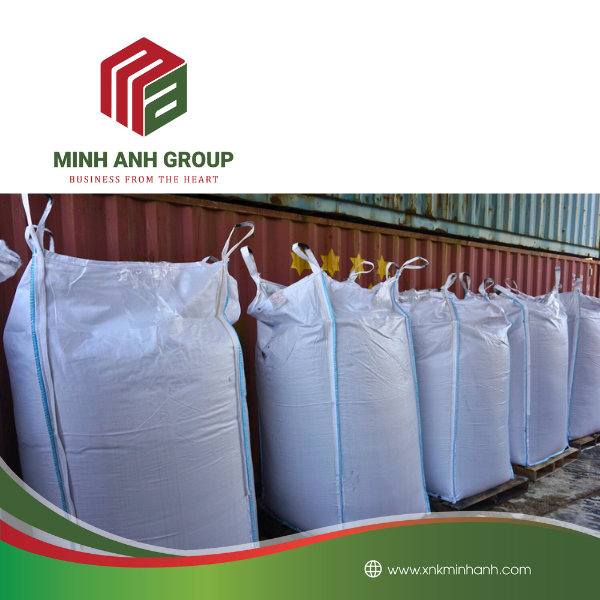
Moisture ingress or contamination can severely impact the quality of the contents stored in FIBC bags. This is particularly problematic for materials sensitive to moisture, such as grains, powders, or chemicals. Improper storage conditions or using non-laminated bags can exacerbate this issue.
Solution: Use FIBCs with inner liners or laminated exteriors for moisture-sensitive products. Store bags in dry, covered areas to prevent exposure to rain or humidity. Additionally, ensure proper sealing during filling and transportation.
5. Improper Filling or Discharging
Incorrect filling or discharging processes can lead to uneven weight distribution, spillage, or even bag failure. For instance, overfilling a bag without evenly distributing the material can cause instability during transport.
Solution: Use specialized filling and discharging equipment designed for FIBCs to ensure consistent material flow and weight distribution. Train operators on best practices for filling and emptying bulk bags safely.
6. UV Degradation
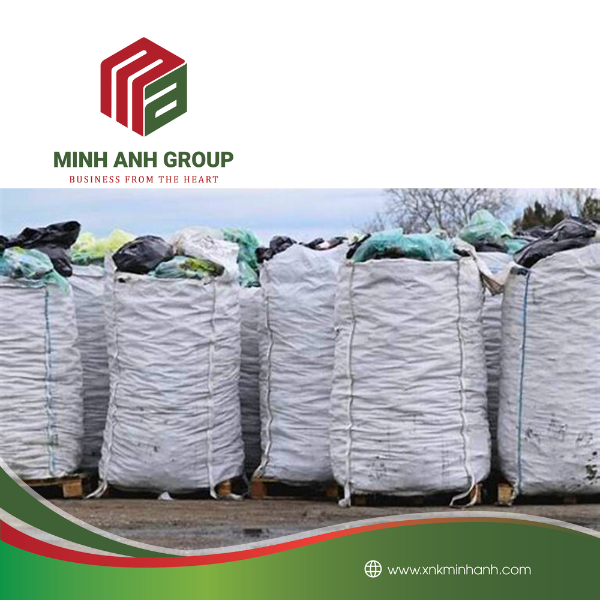
FIBC bags made from polypropylene are susceptible to UV degradation when exposed to sunlight for extended periods. Prolonged exposure can weaken the fabric, reducing its load-bearing capacity and lifespan.
Solution: Use UV-stabilized FIBCs if outdoor storage is unavoidable. Ideally, store bags in shaded or covered areas to minimize exposure to sunlight.

7. Incompatibility with Contents
Not all FIBC bags are suitable for every type of material. For example, hazardous materials may require UN-certified bags, while food-grade products demand compliance with strict hygiene standards. Using the wrong type of bag can result in contamination, regulatory non-compliance, or safety hazards.
Solution: Select FIBCs based on the specific requirements of the material being stored or transported. For food products, use food-grade FIBCs that meet FDA or other relevant standards. For hazardous materials, ensure compliance with UN regulations.
8. Bag Instability During Transport
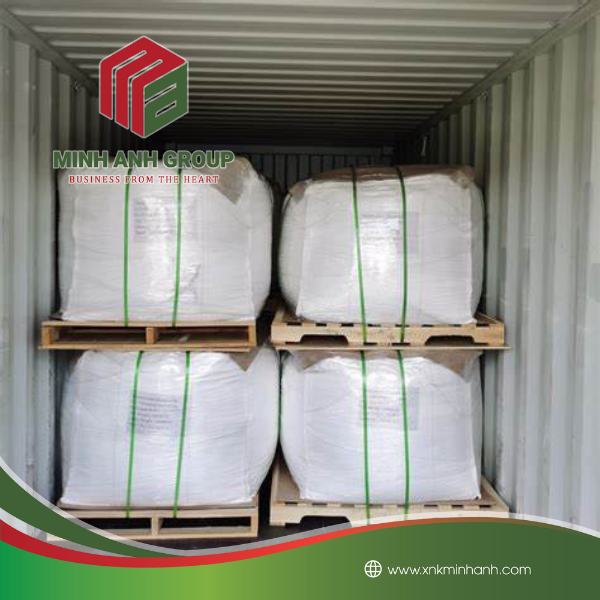
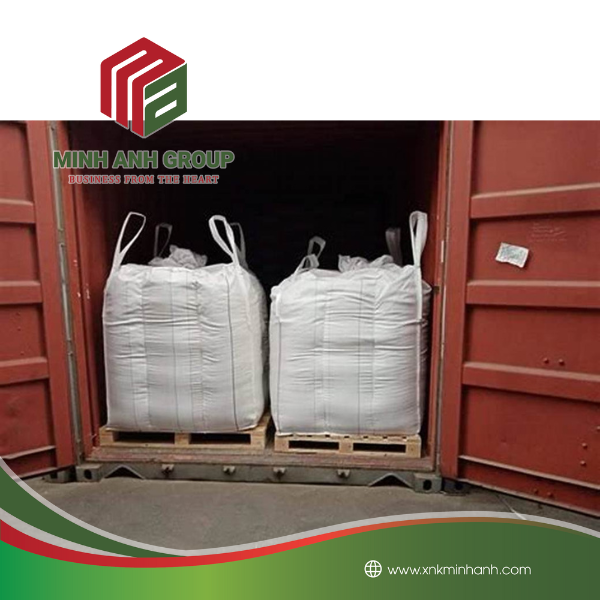
Instability during transport is another common issue with FIBC bags. This often occurs when bags are improperly stacked on pallets or loaded unevenly onto trucks, leading to tipping or shifting during transit.
Solution: Always follow proper stacking guidelines and secure bags with straps or stretch film if necessary. Ensure that pallets are in good condition and capable of supporting the weight of the loaded bags.

9. Environmental Concerns
Improper disposal of used FIBC bags can contribute to environmental pollution. While polypropylene is recyclable, not all facilities have the capability to process used bulk bags effectively.
Solution: Partner with recycling facilities that specialize in polypropylene products. Encourage reuse where possible and educate staff on proper disposal practices.
10. Custom Design Limitations
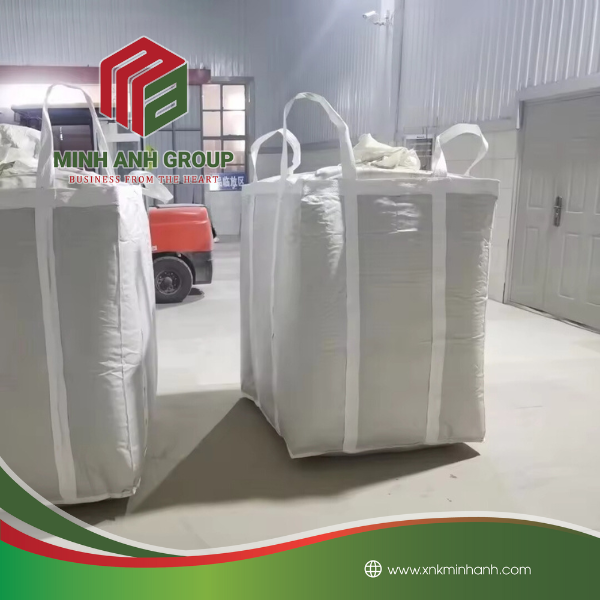
In some cases, standard FIBC designs may not meet specific operational requirements. For example, a company may need a bag with a unique spout configuration or specific dimensions for compatibility with their equipment.
Solution: Work with manufacturers to develop custom-designed FIBCs tailored to your needs. Many suppliers offer bespoke solutions that address unique challenges while maintaining safety and efficiency standards.

While FIBC bags offer numerous advantages for bulk material handling, understanding their limitations and potential issues is crucial for ensuring safe and efficient operations. By addressing these common problems proactively—through proper training, equipment usage, and adherence to best practices—businesses can maximize the utility of FIBCs while minimizing risks and inefficiencies.
Hãy là người đầu tiên nhận xét “What Are the Common Problems Encountered with FIBC Bags?”
Sản phẩm tương tự

Tin Tức Bao Bì

Tin Tức Bao Bì

Tin Tức Bao Bì


Tin Tức Bao Bì
Food Cling Film: Outstanding Advantages in Food Preservation


Tin Tức Bao Bì

Tin Tức Bao Bì


Đánh giá
Chưa có đánh giá nào.