
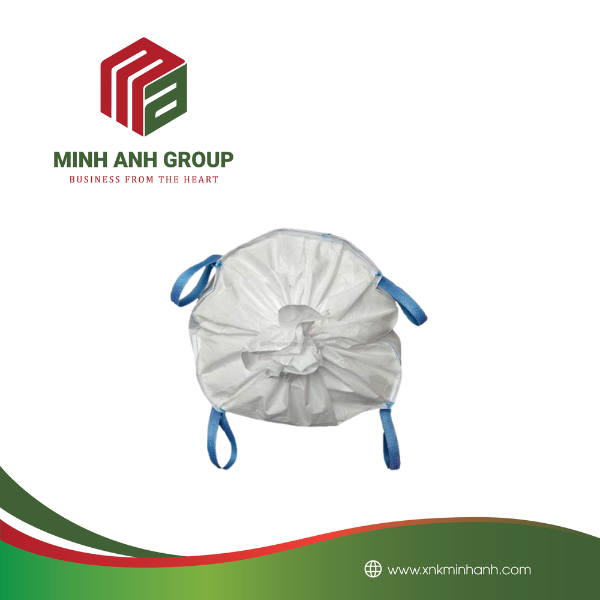
How to Effectively Market FIBC Bags to Customers
Flexible Intermediate Bulk Containers (FIBCs), commonly referred to as bulk bags, have become indispensable in industries such as agriculture, construction, chemicals, and food processing. Their versatility, durability, and cost-effectiveness make them a popular choice for transporting and storing bulk materials. However, to stand out in a competitive market, businesses need a well-defined strategy to effectively market FIBC bags to their target customers. Below are key strategies to help you successfully promote your FIBC products while building long-term customer relationships.
Flexible Intermediate Bulk Containers (FIBCs), commonly referred to as bulk bags, have become indispensable in industries such as agriculture, construction, chemicals, and food processing. Their versatility, durability, and cost-effectiveness make them a popular choice for transporting and storing bulk materials. However, to stand out in a competitive market, businesses need a well-defined strategy to effectively market FIBC bags to their target customers. Below are key strategies to help you successfully promote your FIBC products while building long-term customer relationships.
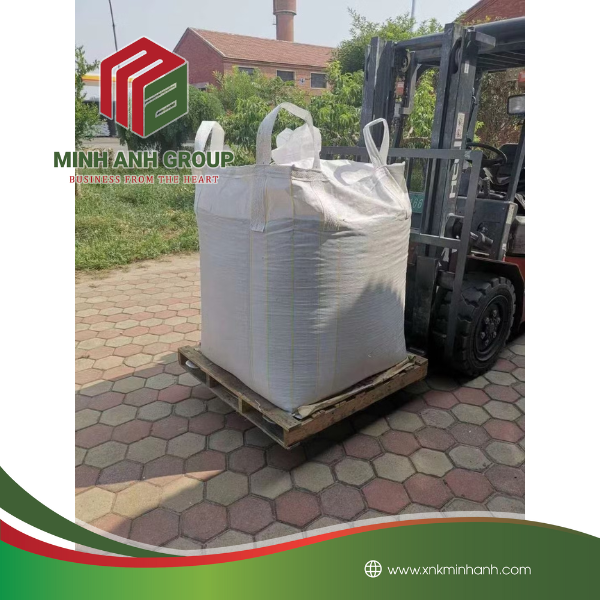
1. Understand Your Target Market
The first step in effectively marketing FIBC bags is identifying your target audience. FIBCs are used in a variety of industries, and each sector has unique requirements. For example:
– Agriculture: Farmers and agricultural companies often need FIBCs for transporting grains, seeds, and fertilizers.
– Construction: Builders may use bulk bags for sand, gravel, and cement.
– Chemical Industry: Manufacturers require specialized FIBCs that meet safety standards for hazardous materials.
– Food Industry: Food-grade FIBCs are essential for transporting sensitive products like sugar, flour, and spices.
Understanding the specific needs of each sector allows you to tailor your marketing message to resonate with the pain points and priorities of your target audience. Conduct market research to identify key decision-makers, preferred product features, and industry-specific compliance standards.

2. Highlight the Benefits of FIBC Bags
While the technical specifications of your FIBC bags are important, customers are more likely to respond to the benefits they provide. Focus on how your product solves their problems or improves their operations. Key benefits to emphasize include:
– Cost Efficiency: FIBCs can reduce packaging costs compared to traditional methods.
– Durability: Highlight their ability to handle heavy loads and withstand harsh environments.
– Customization: Showcase options for custom sizes, printing, and features like liners or discharge spouts.
– Safety Compliance: Emphasize adherence to industry standards such as UN certification for hazardous materials or FDA approval for food-grade bags.
– Environmental Impact: Promote eco-friendly options like recyclable or reusable FIBCs for businesses prioritizing sustainability.
By framing your marketing message around these benefits, you can demonstrate the value your product brings to your customers’ operations.

3. Leverage Digital Marketing Channels
In today’s digital age, having a strong online presence is essential for reaching potential customers. Here are some effective digital marketing strategies for promoting FIBC bags:
– Search Engine Optimization (SEO): Optimize your website with keywords related to FIBCs, such as “bulk bags,” “industrial packaging solutions,” or “custom FIBC manufacturers.” This will help your business rank higher in search engine results.
– Content Marketing: Publish informative blog posts, case studies, or whitepapers that address common questions or challenges related to FIBCs. For example, write articles about choosing the right FIBC for specific industries or maintaining product quality during transportation.
– Social Media Marketing: Use platforms like LinkedIn to connect with industry professionals and share updates about your products. Instagram and Facebook can also be effective for showcasing photos and videos of your FIBCs in action.
– Email Marketing: Send targeted email campaigns highlighting new product launches, special promotions, or success stories from existing customers.
Investing in digital marketing not only increases visibility but also establishes your brand as a trusted authority in the market.
4. Offer Customization Options
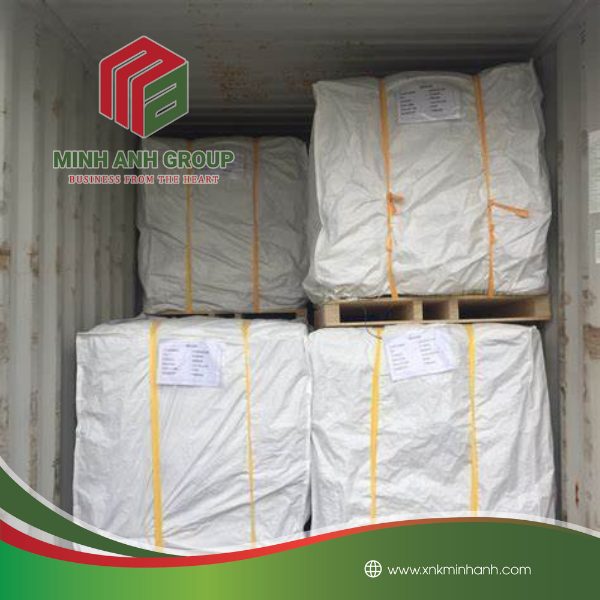
One-size-fits-all solutions rarely work in the industrial packaging sector. Offering customizable FIBC bags can give you a competitive edge by meeting the unique needs of different customers. Customization options may include:
– Size and Shape: Provide various dimensions and designs to accommodate specific storage or transportation requirements.
– Material Options: Offer different fabric types, such as coated or uncoated polypropylene, depending on the application.
– Printing and Branding: Allow customers to add logos, product information, or warnings directly onto the bags.
– Functional Features: Include options like liners for moisture protection, UV-resistant materials for outdoor use, or spouts for easy filling and discharge.
By positioning yourself as a flexible supplier capable of meeting diverse needs, you can attract a broader customer base and foster loyalty among existing clients.
5. Emphasize Quality Assurance
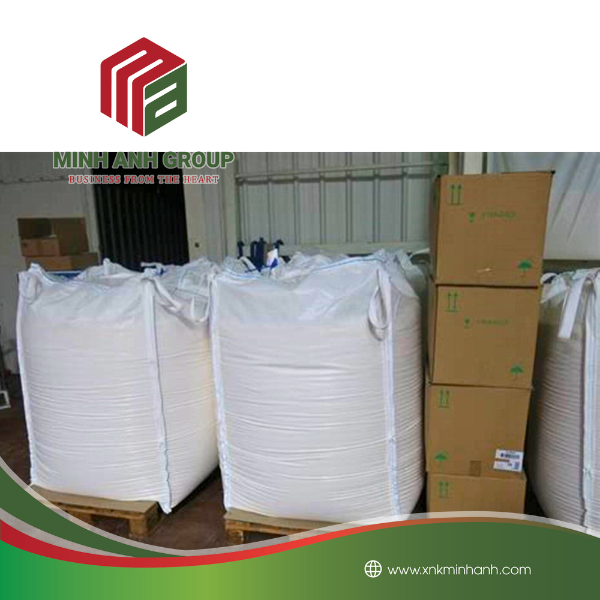
Customers in industries like food processing or chemicals cannot afford to compromise on quality. To build trust and credibility, highlight your commitment to quality assurance at every stage of production. This includes:
– Adhering to international standards such as ISO certifications.
– Conducting rigorous testing for load capacity, durability, and safety.
– Providing documentation or certifications for compliance with industry regulations.
Additionally, consider offering warranties or guarantees on your products as a demonstration of confidence in their quality.
6. Build Strong Relationships with Distributors and Partners
Collaborating with distributors and industry partners can help expand your reach and establish credibility in new markets. Focus on building mutually beneficial relationships by providing training on your products, offering competitive pricing, and delivering consistent support.
Additionally, attending trade shows or industry events can help you network with potential partners and showcase your products to a larger audience.
7. Provide Exceptional Customer Service
Exceptional customer service is a key differentiator in any industry. Make it easy for customers to reach you with inquiries or concerns by providing multiple communication channels such as phone, email, and live chat. Respond promptly and professionally to all queries.
Furthermore, offer post-sale support by providing guidance on proper usage, storage, or maintenance of FIBC bags. A satisfied customer is more likely to become a repeat buyer and recommend your products to others.

8. Use Case Studies and Testimonials
Real-world examples of how your FIBCs have benefited other businesses can be a powerful marketing tool. Develop case studies that highlight specific challenges faced by customers and how your products provided effective solutions. Include measurable outcomes such as cost savings, improved efficiency, or enhanced safety.
Similarly, collect testimonials from satisfied customers and display them prominently on your website or marketing materials. Positive reviews can build trust with potential buyers who may be hesitant about making a purchase.
9. Focus on Sustainability
Sustainability is becoming increasingly important across industries. Many companies are looking for eco-friendly packaging solutions to align with their environmental goals. If you offer recyclable or reusable FIBCs, make this a central part of your marketing strategy.
Additionally, consider implementing sustainable practices in your manufacturing process, such as reducing waste or using renewable energy sources. Highlighting these efforts can appeal to environmentally conscious customers and strengthen your brand reputation.

10. Monitor Performance and Adapt Your Strategy
Finally, regularly evaluate the effectiveness of your marketing efforts by tracking key performance indicators (KPIs) such as website traffic, lead conversions, or sales growth. Use analytics tools to gain insights into customer behavior and preferences.
Based on this data, refine your strategy to focus on what works best. For example, if you notice that certain industries respond more positively to email campaigns than social media ads, allocate more resources accordingly.
In conclusion, effectively marketing FIBC bags requires a combination of understanding customer needs, emphasizing product benefits, leveraging digital channels, and delivering exceptional service. By adopting these strategies and remaining adaptable to market trends, you can position your business as a trusted supplier of high-quality bulk bags while fostering long-term growth in this competitive industry.
Hãy là người đầu tiên nhận xét “How to Effectively Market FIBC Bags to Customers”
Sản phẩm tương tự


Tin Tức Bao Bì
Food Cling Film: Outstanding Advantages in Food Preservation

Tin Tức Bao Bì

Tin Tức Bao Bì

Tin Tức Bao Bì


Tin Tức Bao Bì


Tin Tức Bao Bì


Đánh giá
Chưa có đánh giá nào.