
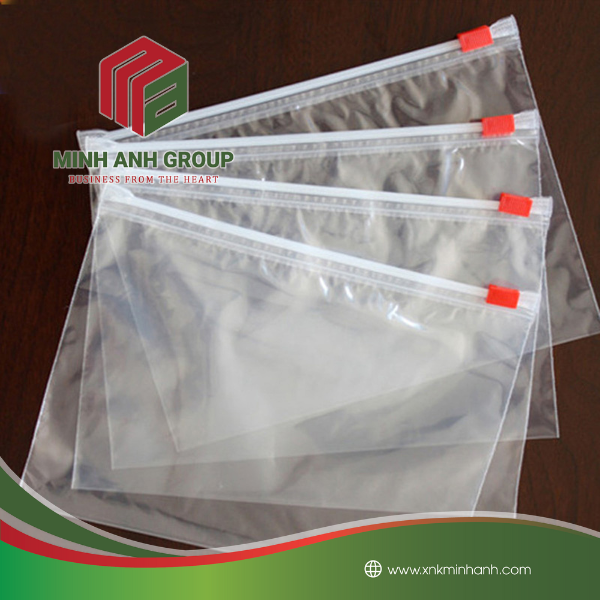
Tips for Storing Leftovers in Ziplock Bags
Properly storing leftovers is essential for maintaining their freshness, flavor, and safety. Ziplock bags are a convenient and versatile solution for this purpose, offering an airtight seal that helps preserve food quality. However, to maximize their effectiveness and ensure food safety, there are a few important tips and best practices to follow when using Ziplock bags for storage. Below, we’ll explore these tips in detail.
Properly storing leftovers is essential for maintaining their freshness, flavor, and safety. Ziplock bags are a convenient and versatile solution for this purpose, offering an airtight seal that helps preserve food quality. However, to maximize their effectiveness and ensure food safety, there are a few important tips and best practices to follow when using Ziplock bags for storage. Below, we’ll explore these tips in detail.
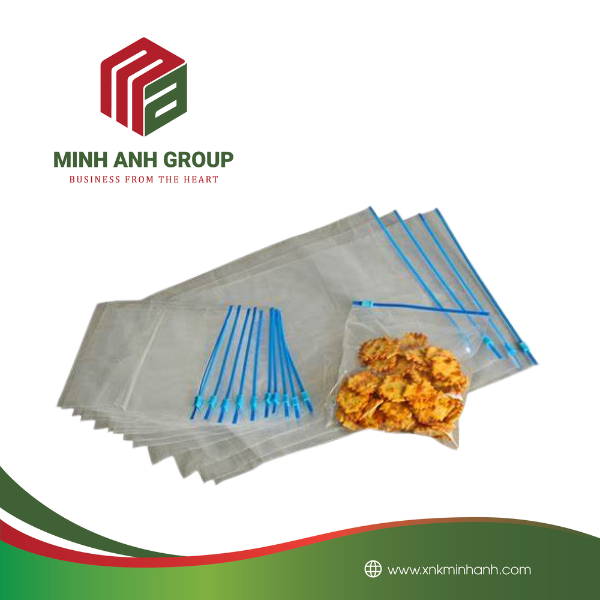
1. Choose the Right Size Bag
Selecting the appropriate bag size is critical for efficient storage. Using a bag that is too large can leave excess air inside, which may lead to freezer burn or spoilage. Conversely, overfilling a small bag can cause it to tear or fail to seal properly. Ensure you have a variety of sizes on hand—such as snack, sandwich, quart, and gallon sizes—to accommodate different types of leftovers.
2. Cool Food Before Storing
It’s important to allow hot leftovers to cool to room temperature before placing them in a Ziplock bag. Storing hot food directly can create condensation inside the bag, which promotes bacterial growth and compromises food quality. To expedite cooling, transfer the food into a shallow container and let it sit for 15–30 minutes before bagging.
3. Remove Excess Air
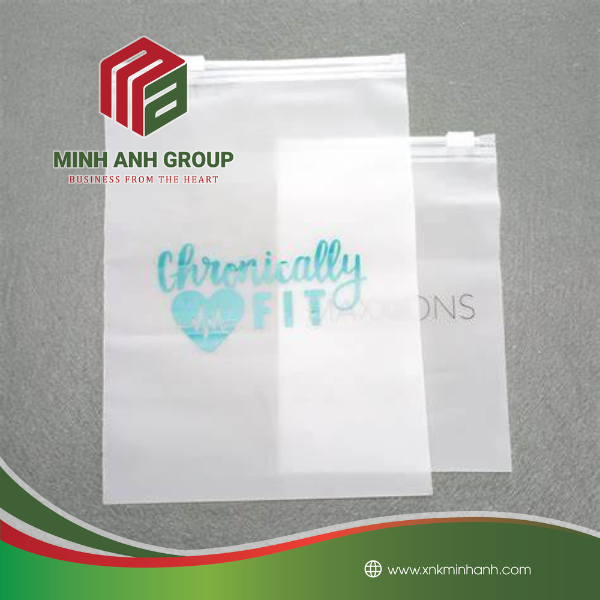
Air trapped inside the bag can lead to oxidation, which affects both taste and texture. For solid foods, press out as much air as possible before sealing the bag. For liquids or semi-liquid items like soups or stews, consider using the water displacement method: partially seal the bag, submerge it in water (up to the seal), and then close it fully while the water pressure pushes out the air.
4. Label and Date Each Bag
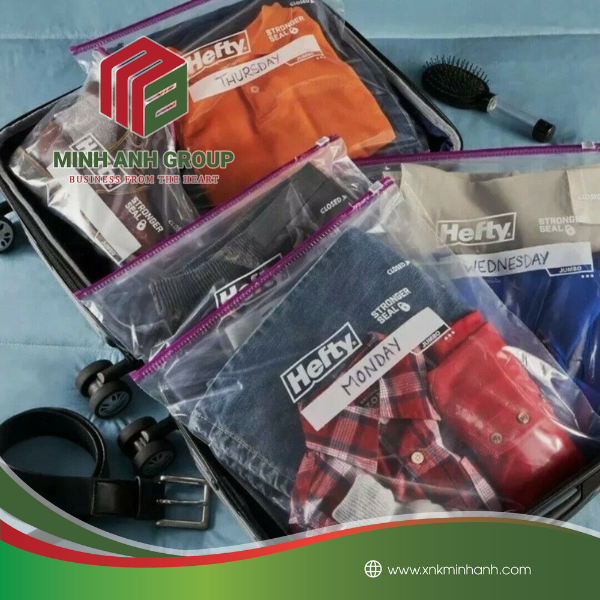
Proper labeling is essential for keeping track of your leftovers. Use a permanent marker to write the contents and the date of storage directly on the bag. This ensures you know what’s inside without having to open it and helps you prioritize older items to minimize waste.
5. Portion Food Appropriately
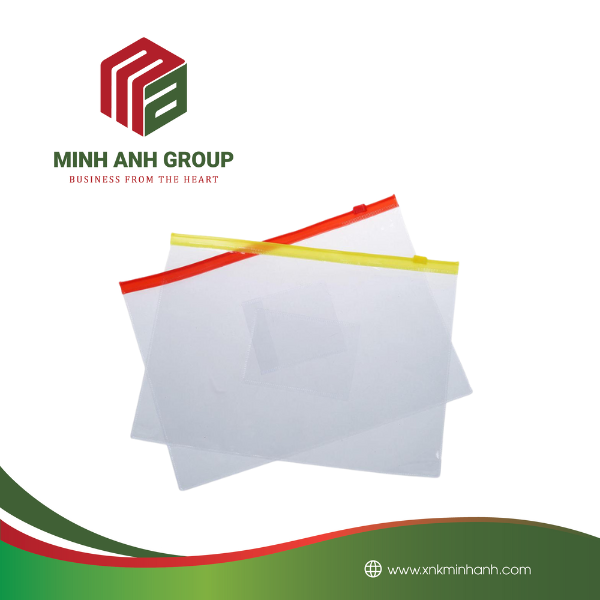
Divide large quantities of leftovers into smaller portions before storing them in Ziplock bags. This makes reheating more convenient and reduces the risk of repeatedly thawing and refreezing food, which can degrade its quality and safety.
6. Store Flat When Possible
For space efficiency, especially in freezers, store your Ziplock bags flat. For liquids like sauces or soups, lay the bag flat on a baking sheet until frozen, then stack or stand them upright. This not only saves space but also makes it easier to organize your freezer or refrigerator.
7. Double-Bag for Liquids
If you’re storing liquids or foods with a lot of moisture, consider double-bagging them to prevent leaks. Even high-quality Ziplock bags can occasionally fail under pressure or during thawing, so an extra layer of protection can save you from potential messes.
8. Use Freezer-Safe Bags for Long-Term Storage
Not all Ziplock bags are designed for freezing. When storing leftovers in the freezer, opt for bags labeled as “freezer-safe.” These are made with thicker plastic that resists cracking and provides better protection against freezer burn.
9. Avoid Overstuffing
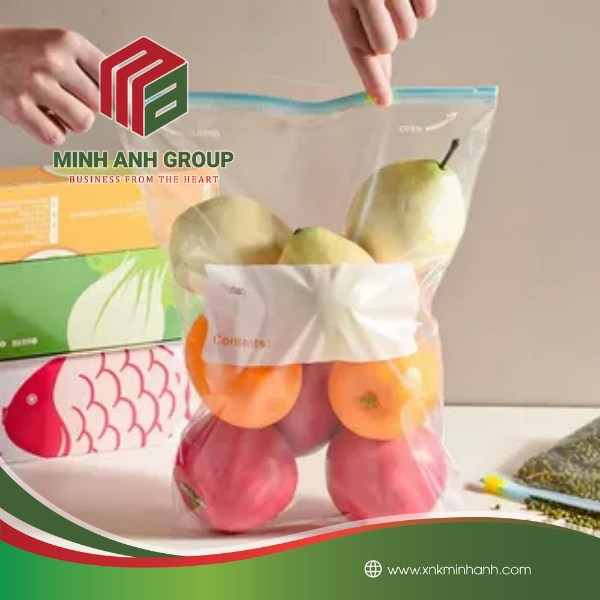
Overfilling a Ziplock bag can compromise its seal, allowing air and moisture to enter. Leave enough space at the top of the bag to ensure it seals properly while still accommodating the contents.
10. Keep Raw and Cooked Foods Separate
To prevent cross-contamination, always store raw and cooked foods in separate bags. For example, if you’re freezing raw meat alongside leftover cooked vegetables, use distinct bags and store them on different shelves in your freezer.
11. Thaw Safely
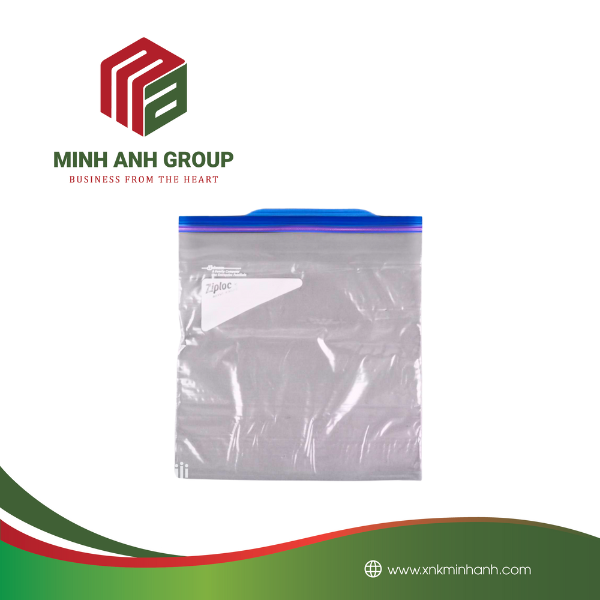
When it’s time to use your leftovers, thaw them safely by transferring the Ziplock bag from the freezer to the refrigerator overnight. For quicker thawing, place the sealed bag in cold water or use your microwave’s defrost setting. Avoid leaving food at room temperature for extended periods, as this increases the risk of bacterial growth.
12. Reuse Bags When Appropriate
While Ziplock bags are designed for single-use convenience, they can often be reused if cleaned properly—especially for dry or non-greasy items like bread or vegetables. Wash bags thoroughly with warm soapy water, rinse well, and allow them to air dry completely before reusing them. However, avoid reusing bags that have stored raw meat or strong-smelling foods.
13. Avoid Storing Certain Foods in Plastic Bags
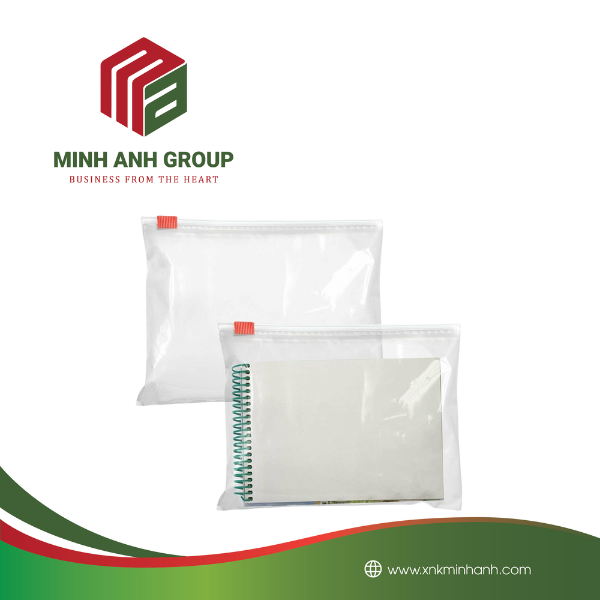
Some foods are better stored in other containers rather than Ziplock bags. For example:
– Foods with strong odors (like onions or garlic) may transfer their smell to other items.
– Highly acidic foods (like tomato sauce) can stain or degrade plastic over time.
– Delicate foods (like frosted cakes) may get crushed in a bag.
For these items, consider using airtight glass or plastic containers instead.
14. Practice FIFO (First In, First Out)
To minimize waste and ensure you’re consuming leftovers while they’re still fresh, use the FIFO method: first in, first out. Rotate older bags to the front of your refrigerator or freezer so they’re used before newer ones.
15. Inspect Bags Before Use
Before reusing or even initially using a Ziplock bag, check for any signs of damage such as small tears, holes, or compromised seals. Even minor defects can allow air and moisture to enter, reducing the effectiveness of the bag.
Ziplock bags are an excellent tool for storing leftovers when used correctly. By following these professional tips—choosing the right size, removing excess air, labeling clearly, and using freezer-safe options—you can extend the shelf life of your food while maintaining its quality and safety. With proper care and attention to detail, you’ll reduce food waste and make mealtime more convenient and efficient.
Hãy là người đầu tiên nhận xét “Tips for Storing Leftovers in Ziplock Bags”
Sản phẩm tương tự

Tin Tức Bao Bì

Tin Tức Bao Bì

Tin Tức Bao Bì

Tin Tức Bao Bì


Tin Tức Bao Bì

Tin Tức Bao Bì

Tin Tức Bao Bì


Đánh giá
Chưa có đánh giá nào.