
FIBC Bags: A Game Changer for the Food Processing Industry

The food processing industry requires packaging solutions that ensure product safety, maintain quality, and streamline logistics. FIBC bags meet these criteria exceptionally well, offering a range of benefits tailored to the sector’s unique challenges.
In recent years, Flexible Intermediate Bulk Containers (FIBC Bags) have emerged as a transformative solution across various industries, with the food processing sector being one of the most notable beneficiaries. These durable, lightweight, and versatile bulk bags have revolutionized how food products are stored, transported, and handled, offering significant advantages over traditional packaging methods. As the food industry continues to evolve, FIBC bags are proving to be an indispensable tool in meeting the demands of efficiency, safety, and sustainability.

What Are FIBC Bags?
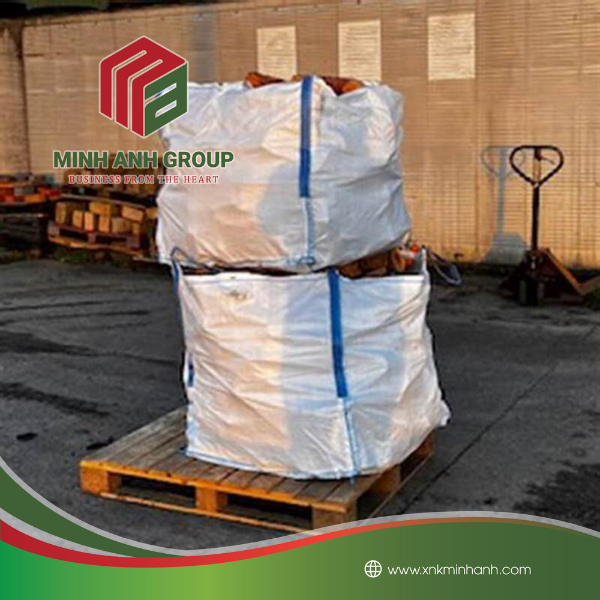
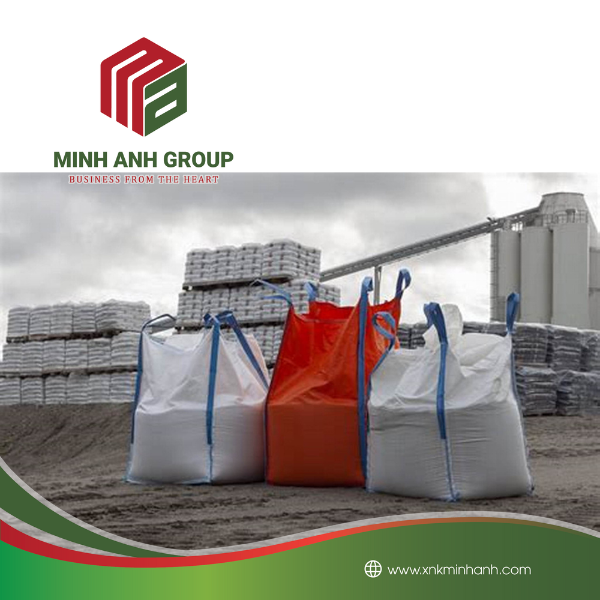
FIBC bags, also known as bulk bags or jumbo bags, are large, flexible containers made from woven polypropylene fabric. Designed to hold and transport bulk quantities of materials, these bags can carry anywhere from 500 to 2,000 kilograms of product in a single unit. Their design often includes lifting loops for easy handling and features that cater to specific needs, such as liners for moisture protection or spouts for controlled filling and discharge.

Why FIBC Bags Are Ideal for the Food Industry
The food processing industry requires packaging solutions that ensure product safety, maintain quality, and streamline logistics. FIBC bags meet these criteria exceptionally well, offering a range of benefits tailored to the sector’s unique challenges.
1. Food-Grade Standards
One of the most critical aspects of packaging in the food industry is compliance with food safety standards. FIBC bags designed for food applications are manufactured in cleanroom environments and adhere to stringent regulations such as FDA, BRC, and ISO certifications. These food-grade FIBCs are free from contaminants and often feature inner liners to provide an additional layer of protection against moisture, air, and external pollutants.
2. Versatility in Applications
FIBC bags are suitable for a wide range of food products, including grains, sugar, flour, spices, dried fruits, and more. Their customizable design allows businesses to tailor the bags to specific requirements, such as adding anti-static properties for powders or UV protection for outdoor storage. This versatility makes them a preferred choice for food processors handling diverse product lines.
3. Enhanced Efficiency
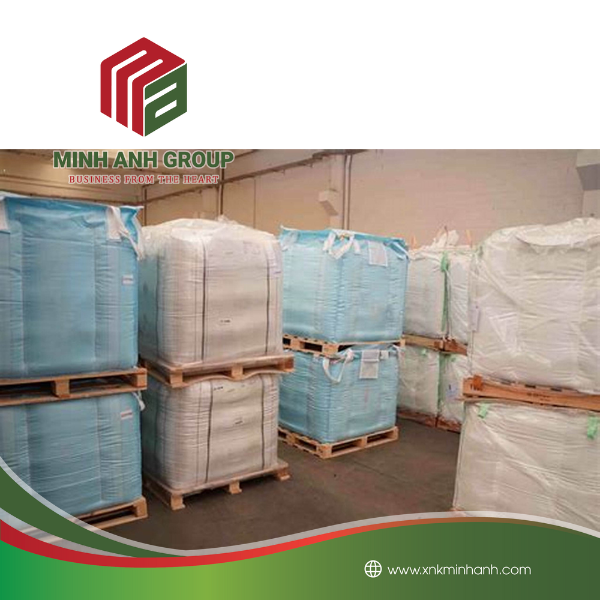
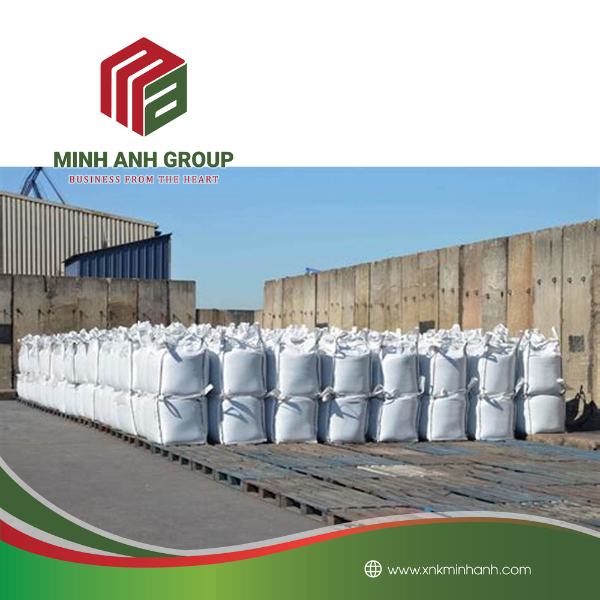
Traditional packaging methods often involve multiple smaller units that require extensive handling and storage space. FIBC bags streamline operations by consolidating large quantities into a single container. This not only reduces labor costs but also optimizes warehouse space and simplifies transportation logistics. Additionally, features like discharge spouts enable quick and controlled emptying of contents, boosting operational efficiency.
4. Cost-Effectiveness
FIBC bags offer a cost-effective alternative to rigid containers or smaller packaging units. Their lightweight design reduces transportation costs, while their reusability—when properly maintained—further enhances their economic appeal. For businesses looking to optimize their supply chain without compromising on quality, FIBCs present a compelling option.
5. Sustainability
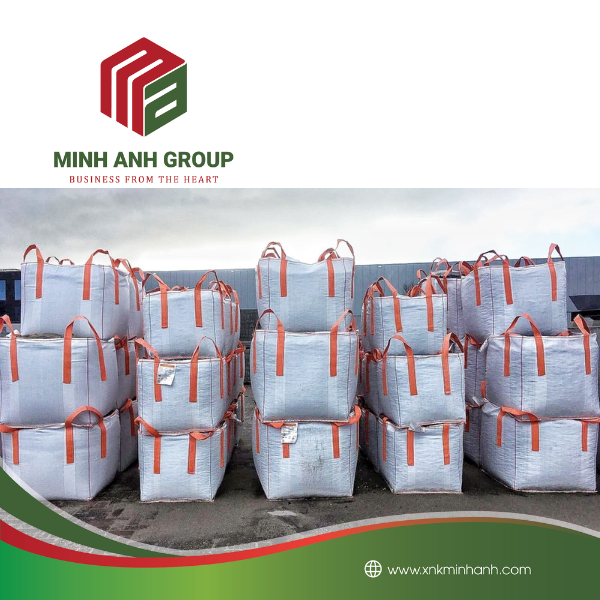
As sustainability becomes a focal point in the food industry, FIBC bags align well with eco-friendly practices. Made from recyclable materials, these bags contribute to reducing environmental impact when disposed of responsibly. Additionally, their durability and reusability minimize waste generation compared to single-use packaging solutions.
Addressing Challenges in Food Processing with FIBCs
The food processing industry faces several challenges, including maintaining product integrity during transportation, ensuring compliance with safety standards, and managing costs. FIBC bags effectively address these issues:
– Product Protection: The robust construction of FIBC bags safeguards food products from physical damage during transit. Liners and coatings further protect against contamination and spoilage.
– Regulatory Compliance: Food-grade FIBCs meet global safety standards, giving manufacturers peace of mind and ensuring consumer trust.
– Scalability: Whether a business is scaling up production or diversifying its product range, FIBCs offer a flexible solution that can adapt to changing needs.
Innovations in FIBC Technology
Advancements in FIBC manufacturing have further enhanced their utility in the food processing industry. Some notable innovations include:
– Conductive FIBCs: Designed to prevent static buildup during handling, these bags are ideal for transporting fine powders or materials in environments with flammable substances.
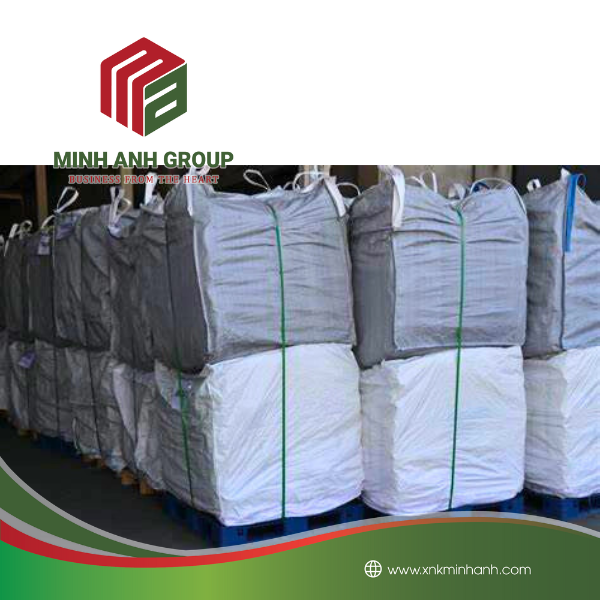
– Baffle Bags: Featuring internal baffles that maintain a square shape when filled, these FIBCs maximize storage efficiency and stability during stacking.
– Customized Liners: From aluminum foil liners for extreme moisture protection to multi-layer polyethylene liners for added durability, customization options cater to specific product requirements.
The Future of FIBC Bags in Food Processing
As global demand for processed food continues to rise, the need for efficient and reliable packaging solutions will only grow. FIBC bags are well-positioned to play a pivotal role in this landscape, driven by ongoing innovation and increasing awareness of their benefits. Their ability to combine functionality with sustainability makes them an ideal choice for businesses looking to stay competitive while meeting consumer expectations.
FIBC bags have undoubtedly become a game changer for the food processing industry. Their versatility, cost-effectiveness, and compliance with food safety standards make them an invaluable asset for manufacturers and distributors alike. As the industry moves toward more sustainable and efficient practices, the adoption of FIBC bags is set to expand further, solidifying their status as a cornerstone of modern food packaging solutions. For businesses seeking to optimize their operations while maintaining high standards of quality and safety, investing in FIBCs is not just a smart choice—it’s a necessity.
Hãy là người đầu tiên nhận xét “FIBC Bags: A Game Changer for the Food Processing Industry”
Sản phẩm tương tự

Tin Tức Bao Bì


Tin Tức Bao Bì

Tin Tức Bao Bì

Tin Tức Bao Bì

Tin Tức Bao Bì

Tin Tức Bao Bì


Đánh giá
Chưa có đánh giá nào.