
The Top Features to Look for in Can Liners
When it comes to everyday essentials, can liners might not be the first thing that comes to mind. However, these unsung heroes of cleanliness play a crucial role in keeping spaces tidy, hygienic, and odor-free. Whether you’re managing a bustling office, running a restaurant, or simply maintaining your home, choosing the right can liner can make a significant difference. But with so many options available, how do you know which one is the best fit for your needs? Let’s explore the top features to look for when selecting can liners.
When it comes to everyday essentials, can liners might not be the first thing that comes to mind. However, these unsung heroes of cleanliness play a crucial role in keeping spaces tidy, hygienic, and odor-free. Whether you’re managing a bustling office, running a restaurant, or simply maintaining your home, choosing the right can liner can make a significant difference. But with so many options available, how do you know which one is the best fit for your needs? Let’s explore the top features to look for when selecting can liners.
1. Size Matters
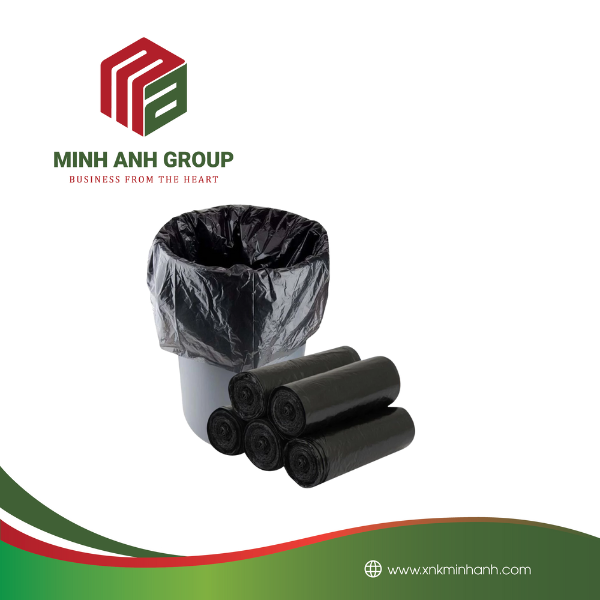
One of the most important factors to consider when purchasing can liners is size. A liner that’s too small may tear or slip into the can, while one that’s too large can lead to unnecessary waste and expense. To find the perfect fit, measure the height and diameter of your trash can and select a liner that matches those dimensions. Many manufacturers provide size guides, so don’t hesitate to consult them for guidance.
Pro Tip: Always account for overhang. A little extra length ensures the liner stays securely in place when in use.
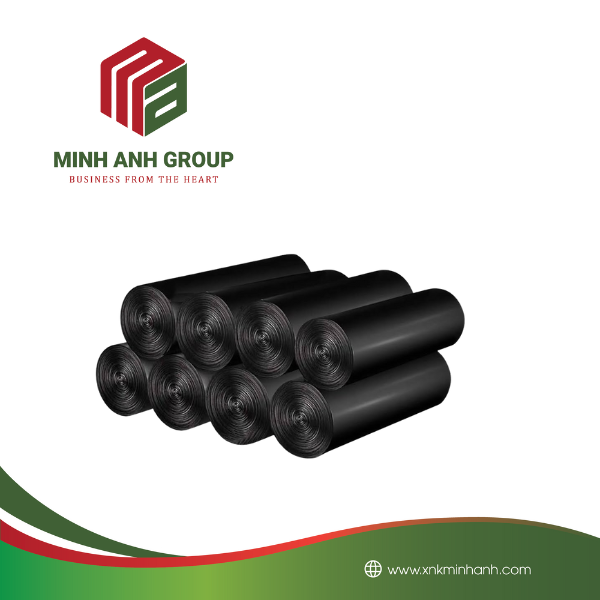
2. Strength and Durability
No one wants to deal with a liner that rips or leaks—especially if it’s holding messy or heavy waste. Strength is key, particularly for environments like kitchens or workshops where sharp objects or liquid waste are common. Look for liners made from high-quality materials such as high-density polyethylene (HDPE) or low-density polyethylene (LDPE).
– HDPE liners are lightweight but strong, making them ideal for lightweight trash like paper and tissues.
– LDPE liners are thicker and more flexible, perfect for heavier or bulkier waste.
Pay attention to the liner’s thickness, often measured in mils (thousandths of an inch). A thicker liner generally offers more durability.
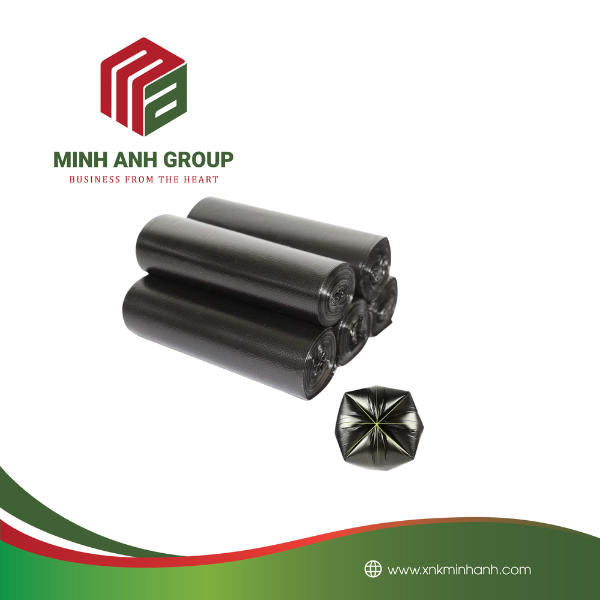
3. Capacity and Load Weight
Not all trash is created equal, and the type of waste you’re disposing of will influence the capacity and load weight your liner needs to handle. For instance:
– Light-duty liners work well for offices or bathrooms where the trash is mostly paper or lightweight items.
– Heavy-duty liners are better suited for kitchens, industrial settings, or outdoor use where heavier waste is common.
Check the liner’s weight capacity specifications to ensure it can handle your typical load without tearing.
4. Leak Resistance
There’s nothing worse than discovering a sticky puddle at the bottom of your trash can because your liner couldn’t hold liquid waste. If you’re disposing of food scraps, liquids, or other wet items, opt for liners designed with leak-resistant seams. Some premium liners even come with reinforced bottoms to prevent leaks from pooling.
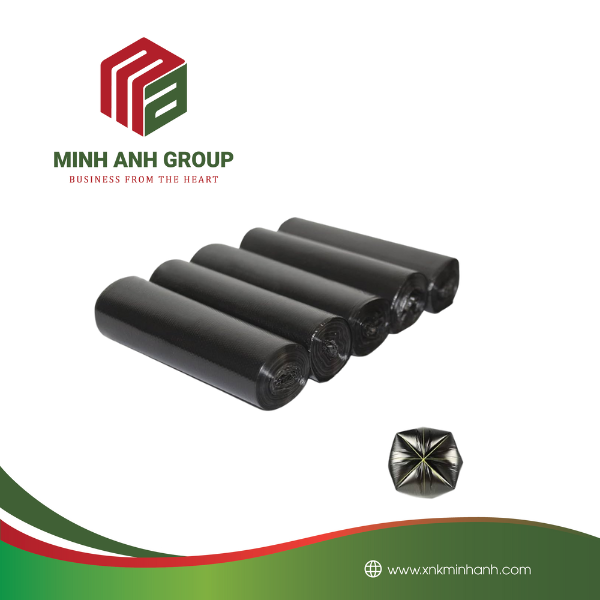
5. Odor Control
Trash doesn’t have to stink—literally! Many modern can liners come equipped with odor-neutralizing technology or scented options to help mask unpleasant smells. This feature is especially beneficial in kitchens, break rooms, or anywhere trash might linger before being taken out.
If you prefer unscented options but still want odor control, look for liners made from materials designed to trap odors naturally.
6. Eco-Friendliness
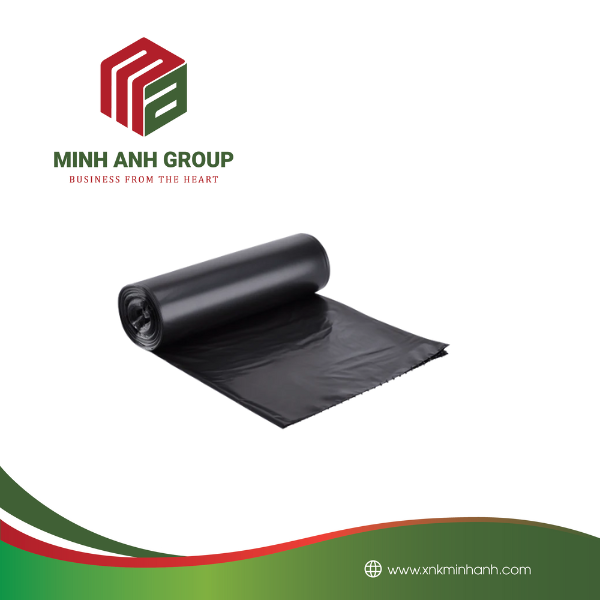
With increasing awareness about environmental sustainability, many people are seeking eco-friendly options when it comes to can liners. Biodegradable or compostable liners are excellent choices for those looking to reduce their environmental footprint.
Keep in mind:
– Biodegradable liners break down more quickly than traditional plastic when exposed to certain conditions.
– Compostable liners are designed to decompose in composting environments and are ideal for food waste disposal.
Look for certifications such as ASTM D6400 or EN 13432 to ensure the product meets recognized composting standards.
7. Easy Dispensing
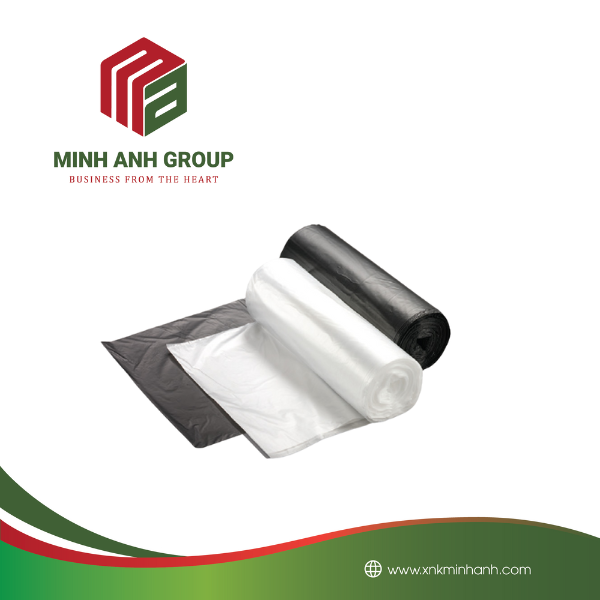
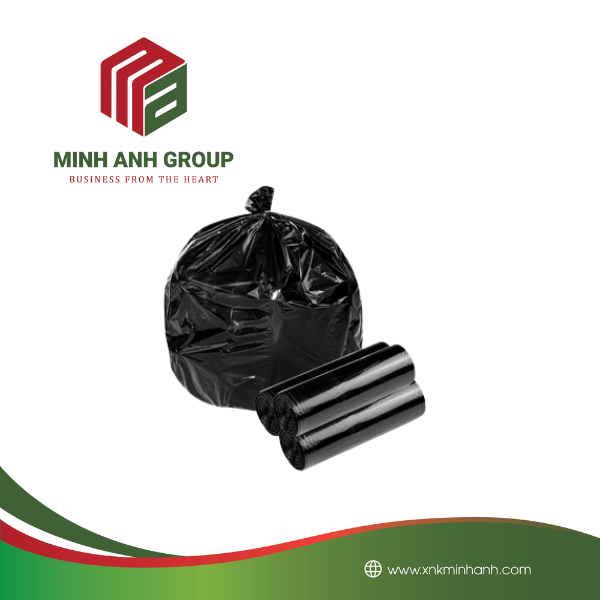
Convenience matters! Liners that come in easy-to-dispense rolls or flat packs save time and effort when replacing bags. Some brands offer perforated rolls for quick tearing, while others provide individually folded bags for grab-and-go convenience.
8. Color Options
While it might seem like a minor detail, the color of your can liner can serve a functional purpose:
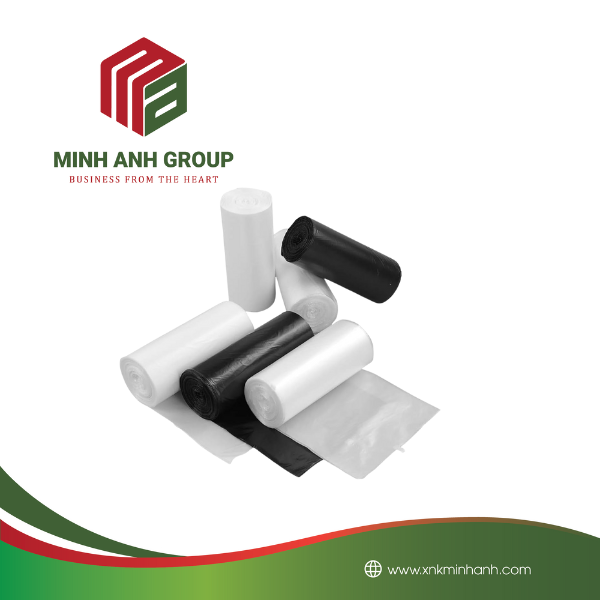
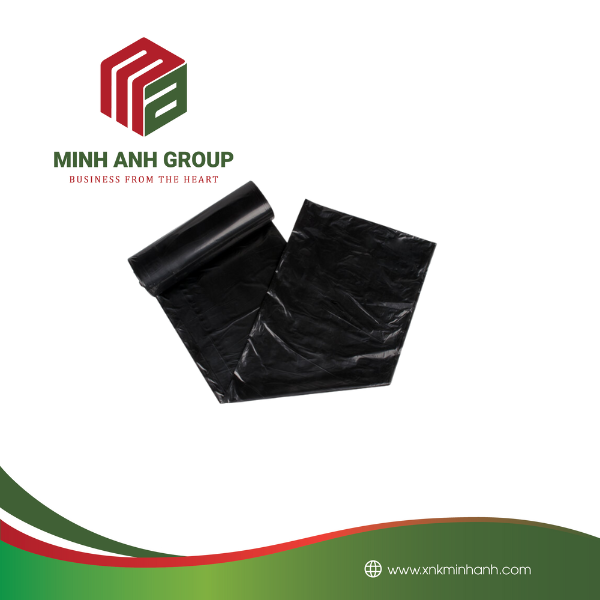
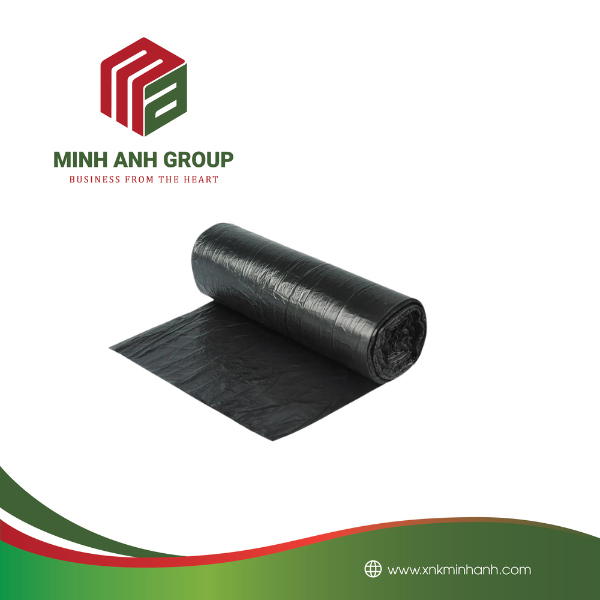
– Black liners are great for concealing unsightly trash and are often used in public spaces or outdoor bins.
– Clear liners allow visibility, which is useful for recycling programs or security purposes in sensitive areas like airports or schools.
– White liners offer a clean and professional appearance, making them popular in offices or healthcare settings.
Choose a color that suits your specific needs while keeping practicality in mind.
9. Cost-Effectiveness
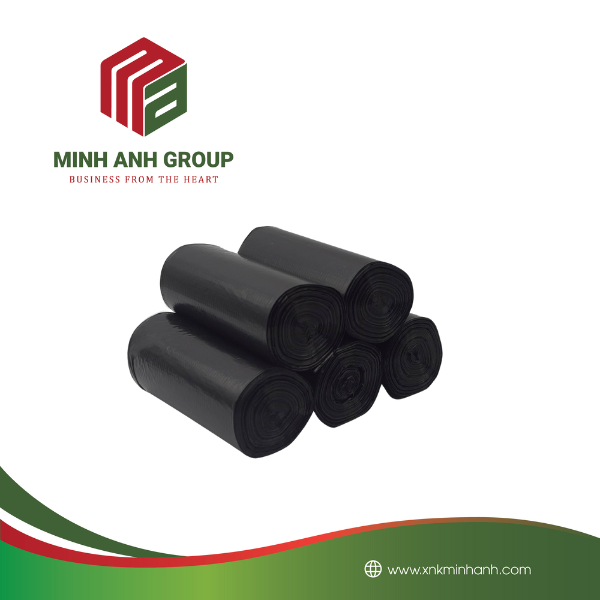
Budget considerations are always important, especially if you’re purchasing liners in bulk for commercial use. While it might be tempting to go for the cheapest option available, remember that poor-quality liners can lead to leaks, tears, and frequent replacements—costing you more in the long run. Strike a balance between quality and affordability by choosing a reliable brand that offers value for money.
10. Special Features
Depending on your unique requirements, you might want to look for additional features such as:
– Drawstring closures for easy tying and carrying.
– Antimicrobial properties to reduce bacteria growth on the liner’s surface.
– Custom sizing for specialty bins or unique trash receptacles.
Choosing the right can liner might seem like a small decision, but it can have a big impact on cleanliness, convenience, and cost-effectiveness in your space. By considering factors like size, strength, leak resistance, and eco-friendliness, you’ll be well-equipped to find a liner that meets your needs perfectly.

So next time you’re shopping for can liners, don’t just grab the first pack you see—take a moment to evaluate your options. Your trash cans (and whoever takes out the garbage) will thank you!
Hãy là người đầu tiên nhận xét “The Top Features to Look for in Can Liners”
Sản phẩm tương tự

Tin Tức Bao Bì

Tin Tức Bao Bì


Tin Tức Bao Bì


Tin Tức Bao Bì
Food Cling Film: Outstanding Advantages in Food Preservation

Tin Tức Bao Bì


Tin Tức Bao Bì


Đánh giá
Chưa có đánh giá nào.