

Picture this: a bustling factory floor where robots hum melodiously, conveyor belts glide like synchronized swimmers, and humans sip coffee while monitoring screens. No, this isn’t the set of a futuristic sci-fi movie. It’s the dawn of the smart factory era, where even the most mundane tasks are being handed over to a silent yet efficient workforce—FIBC automation.
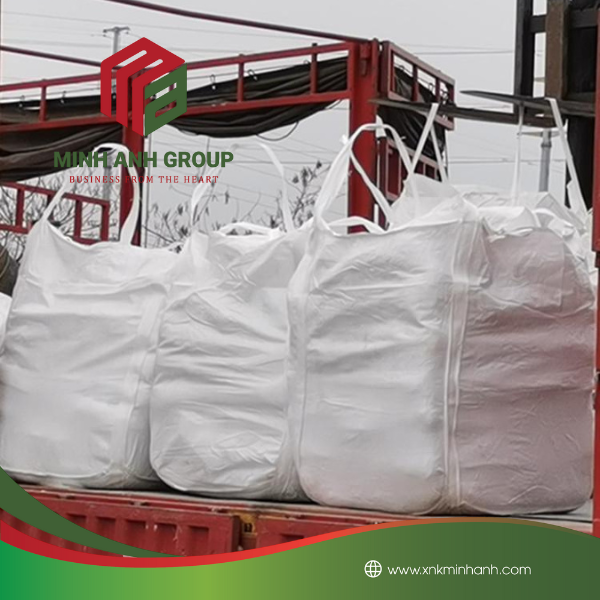
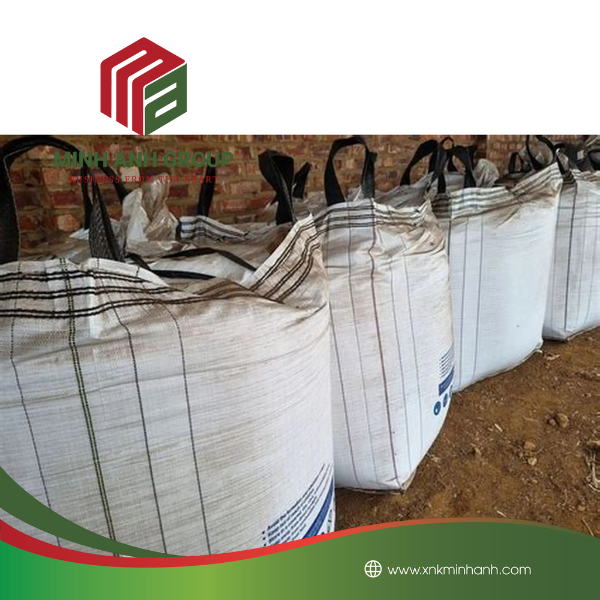
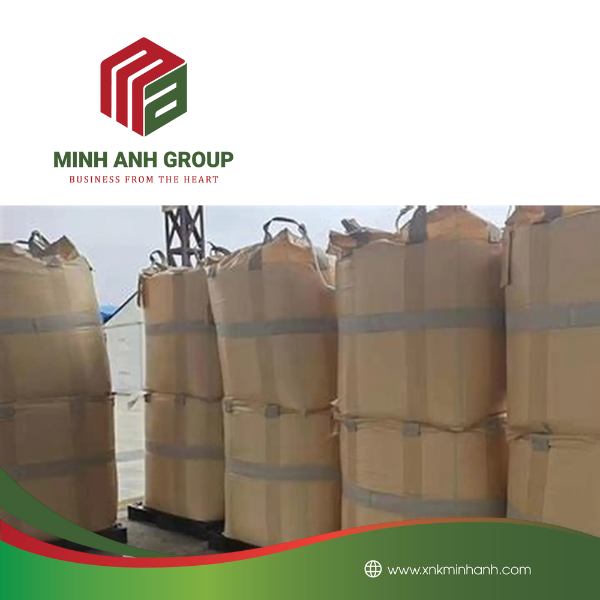
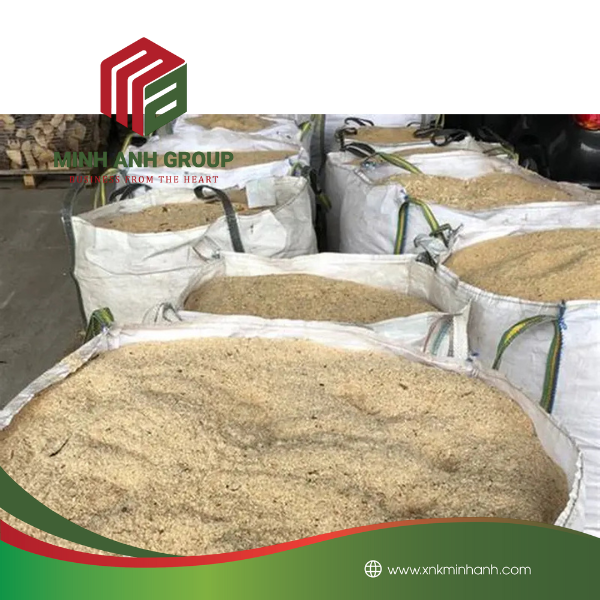
For those scratching their heads wondering what “FIBC” stands for, let me save you a Google search. It’s Flexible Intermediate Bulk Containers, also known as those massive, floppy bags that look like they could double as parachutes for elephants. These industrial giants are used to store and transport bulk materials like grains, powders, and other fun stuff that makes a mess if spilled.
Now, you might think, “What’s so exciting about a big bag?” Well, hold onto your hard hats because the way these bags are being handled in smart factories is nothing short of revolutionary. And hilarious, if you think about it.
The Rise of the Machines (and the Bags)
In the olden days (read: 10 years ago), FIBCs were manually filled, lifted, and transported by an army of workers who probably cursed the day they chose a career in bulk material handling. Enter automation, the superhero that swooped in to save the day—and some backs.
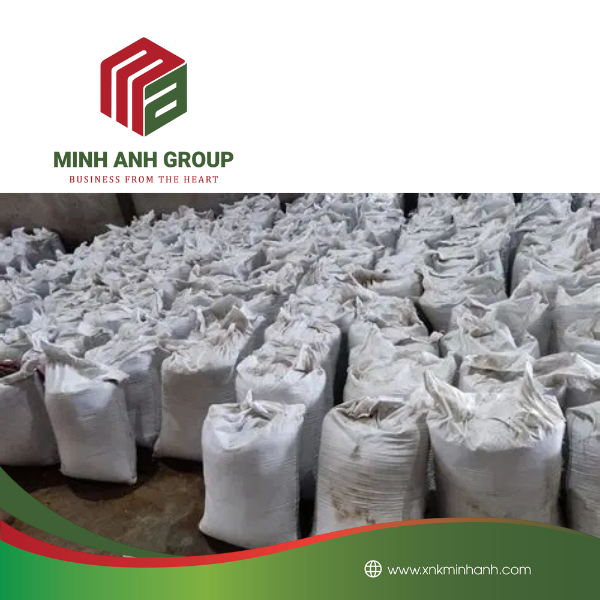
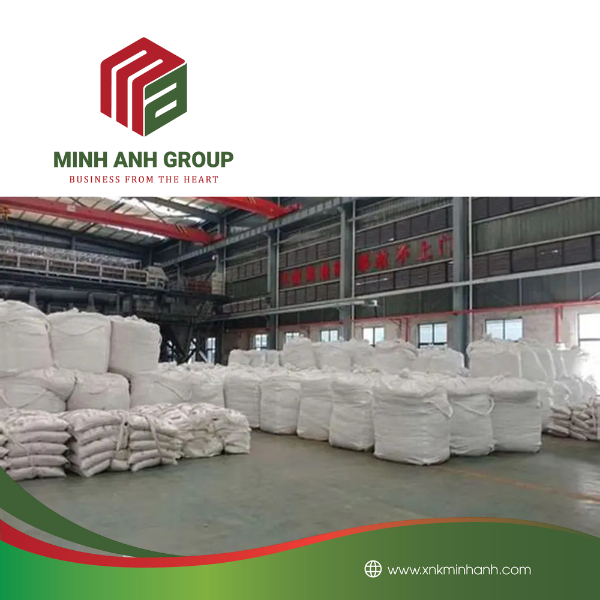
Today, smart factories have embraced automation to handle FIBCs with precision and efficiency. Robots now fill these bags with exact measurements, seal them with the finesse of a pastry chef icing a cake, and stack them like a giant game of Tetris. And let’s be honest, watching these machines work is oddly satisfying. It’s like watching a YouTube video of dominoes falling but with way more industrial flair.
The Silent Workforce That Never Complains
One of the best things about FIBC automation? These machines don’t complain. Ever. They don’t ask for coffee breaks, they don’t call in sick, and they certainly don’t engage in awkward watercooler gossip about who stole the last donut in the breakroom.
Imagine a robot saying, “Oh no, not another 2-ton load of powdered sugar! My circuits can’t handle this!” Exactly. It doesn’t happen.
Instead, these silent workers tirelessly perform their duties with the grace of ballet dancers and the endurance of marathon runners. They’re the unsung heroes of the industrial world—though if they could sing, we’d probably have a chart-topping hit called “Bulk Bag Blues.”
Smart Factories: Where Humans and Robots Coexist
Now, before you start worrying about robots taking over all the jobs (cue dramatic music), let’s clear something up. The integration of FIBC automation doesn’t mean humans are being replaced; it means humans are being upgraded to roles that don’t involve hernias and repetitive strain injuries.
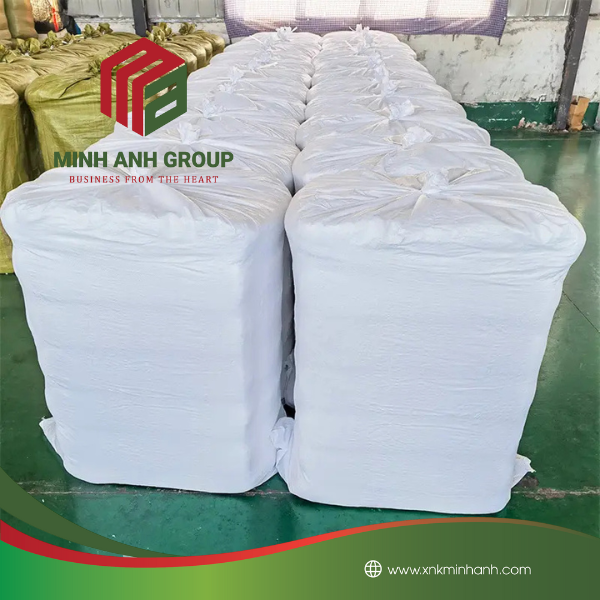
In smart factories, workers have transitioned from manual labor to supervisory roles. Instead of lifting bags, they’re lifting spirits (and maybe a cup of coffee) while ensuring the machines run smoothly. Think of it as going from being a roadie to managing the band. You’re still part of the show, but now you get to wear a snazzy headset and look important.
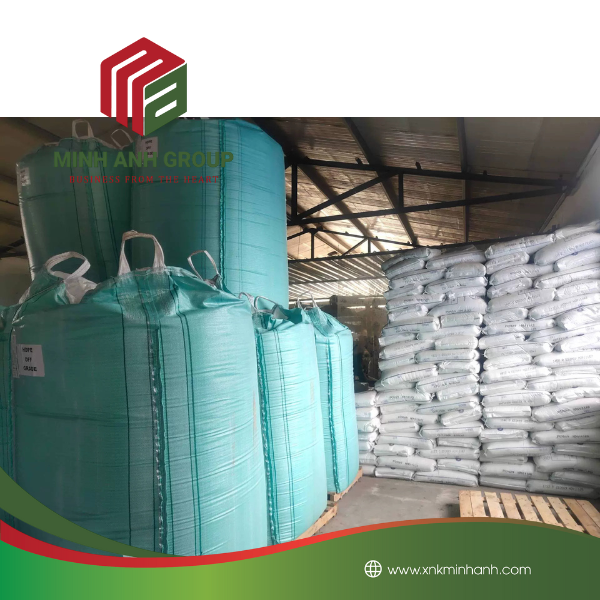
Efficiency with a Side of Comedy
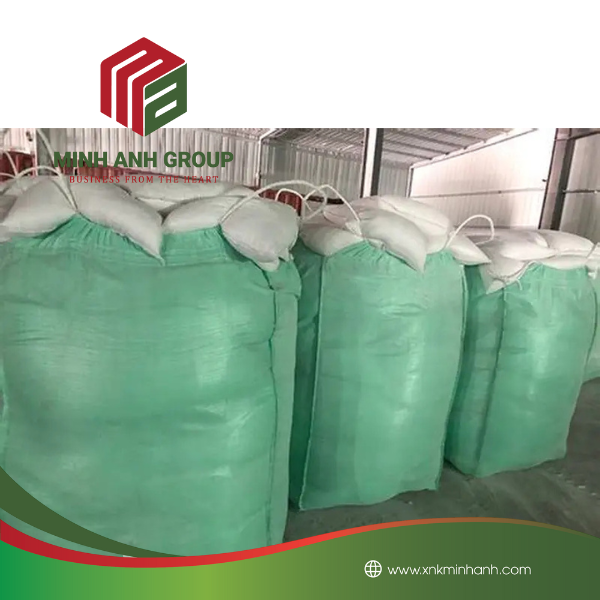
Of course, no automation system is perfect. Every now and then, even the most advanced robots have their “oops” moments. A poorly calibrated machine might overfill an FIBC until it looks like it’s auditioning for a role in a marshmallow commercial. Or a robotic arm might attempt to stack bags in a way that defies both physics and common sense.
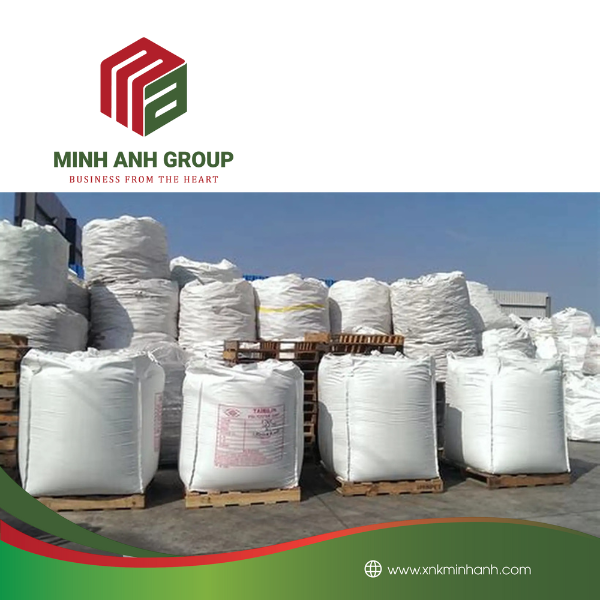
When these hiccups happen, it’s hard not to chuckle. After all, there’s something inherently funny about a robot trying so hard to be perfect and then accidentally creating what can only be described as an industrial art installation.
The Future is Bright (and Bagged)
As technology continues to advance, FIBC automation will only get smarter. We’re talking about machines that can self-diagnose issues, adapt to different materials on the fly, and maybe even crack a joke or two to keep the factory floor lively. Okay, maybe not the last one—but hey, we can dream.
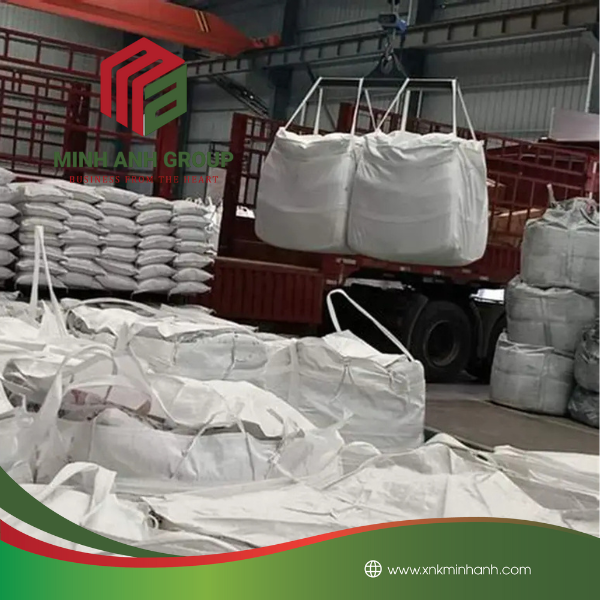
The integration of FIBC automation in smart factories is more than just a technological upgrade; it’s a testament to human ingenuity and our ability to make even the most mundane tasks efficient—and dare I say—entertaining.
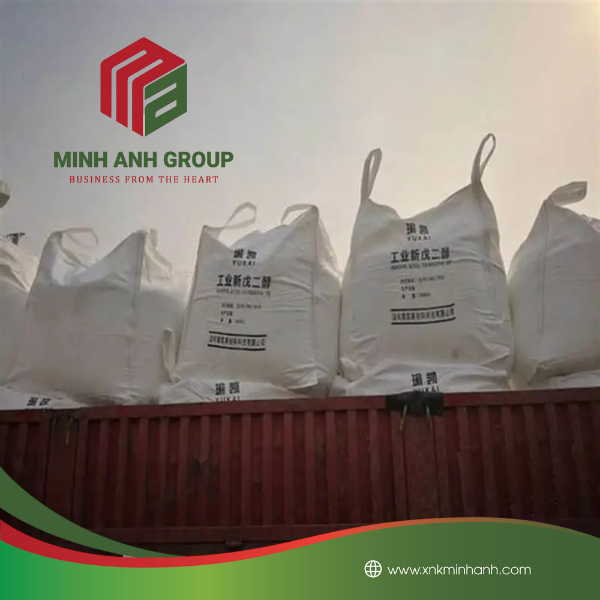
So next time you see one of those giant floppy bags, take a moment to appreciate the silent workforce behind it. They may not have voices, but they’re speaking volumes about the future of industry. And who knows? Maybe one day they’ll even get their own reality show: *The Real Robots of Bulk Bag Handling*. I’d watch that. Wouldn’t you?
Hãy là người đầu tiên nhận xét “The Silent Workforce: FIBC Automation Integration in Smart Factories”
Sản phẩm tương tự


Tin Tức Bao Bì


Tin Tức Bao Bì
Food Cling Film: Outstanding Advantages in Food Preservation

Tin Tức Bao Bì

Tin Tức Bao Bì

Tin Tức Bao Bì

Tin Tức Bao Bì


Đánh giá
Chưa có đánh giá nào.