
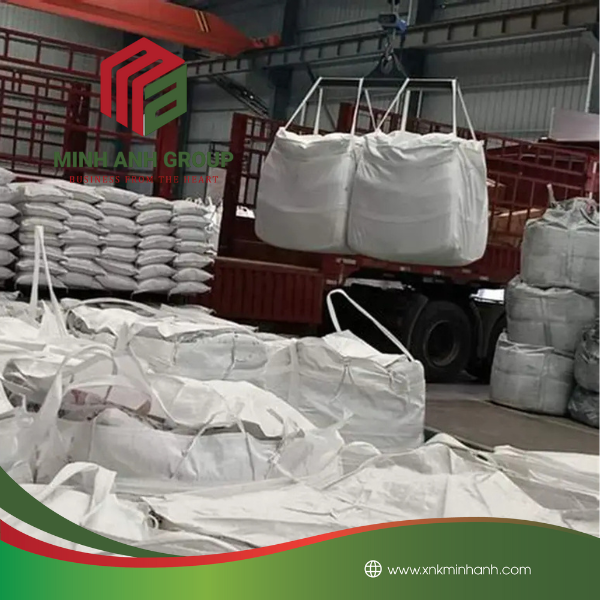
Eco-Conscious Bulk Handling: Biodegradable FIBC Options for Sustainable Logistics
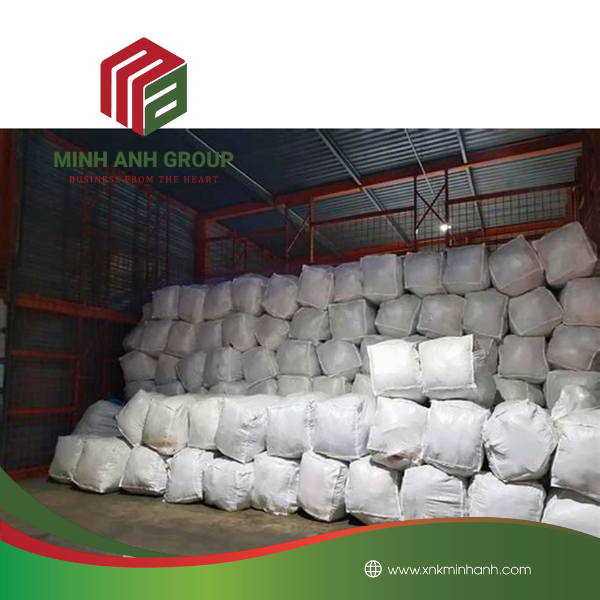
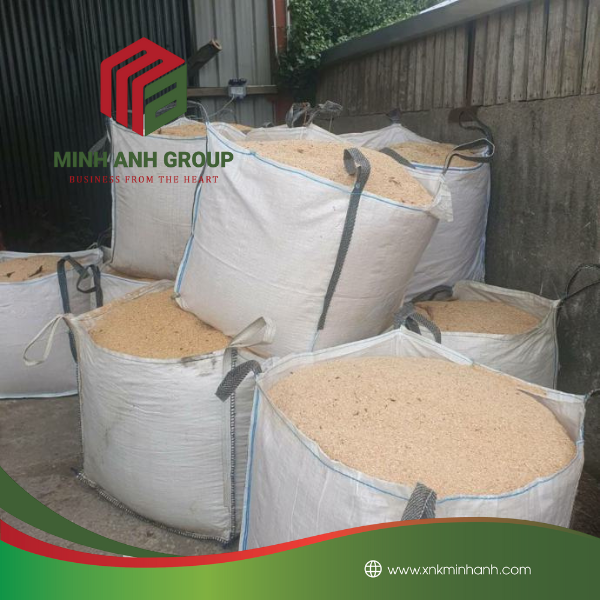
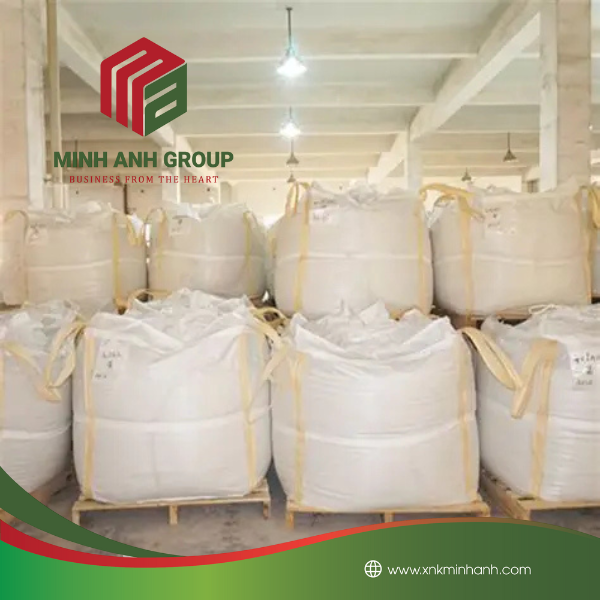
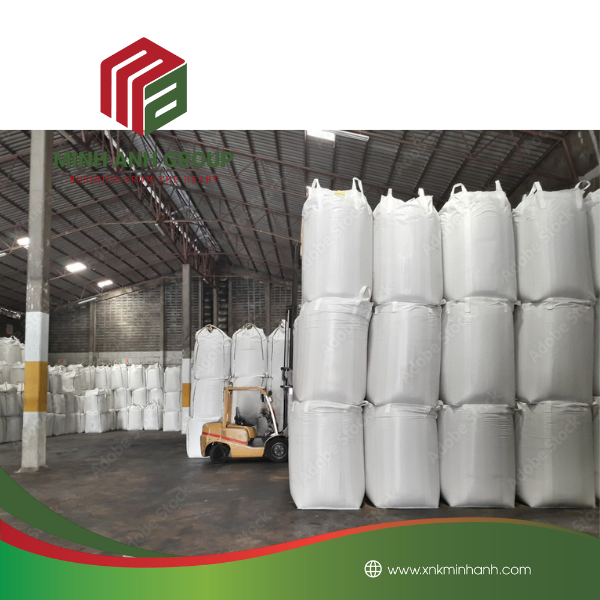
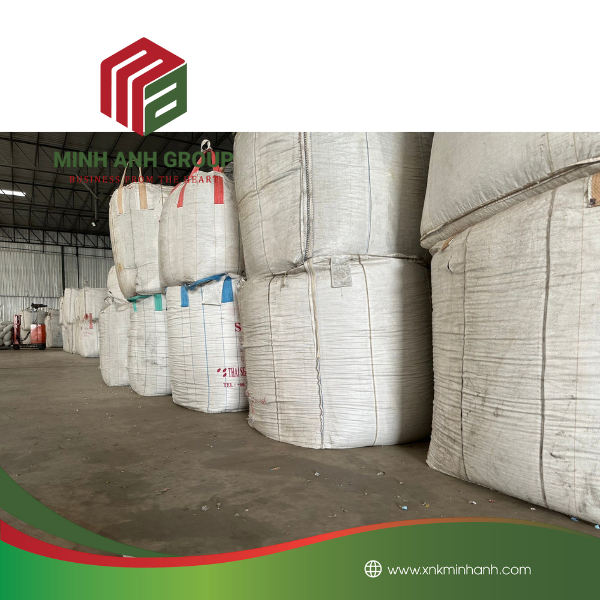
Let’s talk about something that’s not exactly cocktail party material but still deserves a standing ovation: bulk handling. Yes, you heard that right—bulk handling. Specifically, we’re diving into the glamorous world of FIBCs, also known as Flexible Intermediate Bulk Containers. These oversized bags are the unsung heroes of logistics, hauling everything from sand to sugar like the dependable workhorses they are. But wait—there’s a plot twist! What if we told you these humble giants are going green? Cue the biodegradable FIBCs.
Let’s talk about something that’s not exactly cocktail party material but still deserves a standing ovation: bulk handling. Yes, you heard that right—bulk handling. Specifically, we’re diving into the glamorous world of FIBCs, also known as Flexible Intermediate Bulk Containers. These oversized bags are the unsung heroes of logistics, hauling everything from sand to sugar like the dependable workhorses they are. But wait—there’s a plot twist! What if we told you these humble giants are going green? Cue the biodegradable FIBCs.
Now, before you roll your eyes and mutter, “Great, another ‘save the planet’ lecture,” stick with me. This story involves saving the Earth *and* looking cool while doing it. Let’s face it: nothing screams “modern hero” like switching to sustainable logistics. Capes are optional.
What Even Is a Biodegradable FIBC?
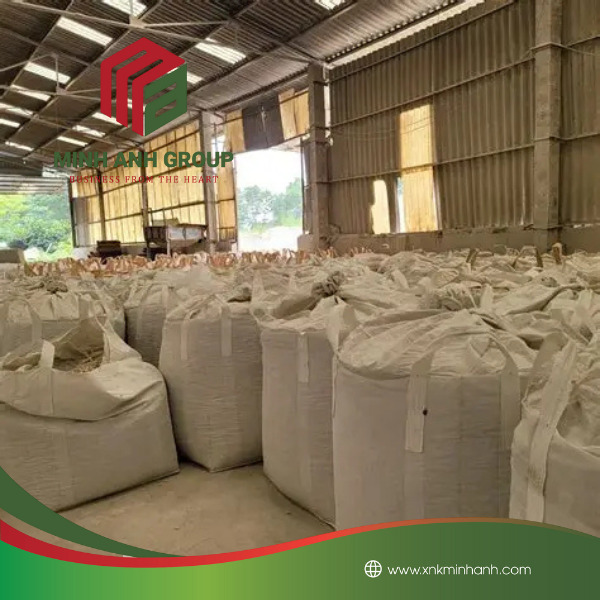
First things first: if you’re imagining a giant paper bag with “Biodegradable” stamped on it in Comic Sans, think again. Biodegradable FIBCs are designed to be just as sturdy and reliable as their traditional plastic counterparts, except they don’t spend the next 500 years haunting landfills like some kind of post-apocalyptic ghost. Instead, these eco-friendly champs break down naturally over time, leaving no trace behind—kind of like that friend who Irish exits at every party.
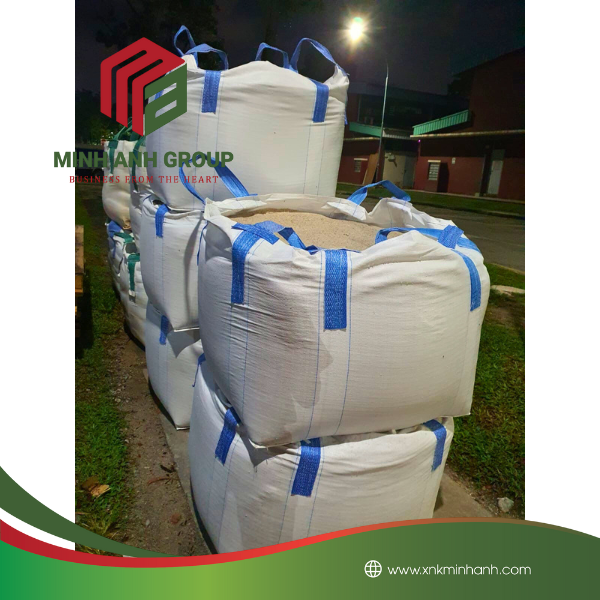
Made from materials like biodegradable plastics or plant-based fibers, these bags are tough enough to handle industrial loads but gentle enough to not destroy Mother Nature in the process. It’s like the logistics equivalent of being strong yet sensitive—a rare combo in any universe.
Why Should You Care?
Let’s be honest: unless you’re a logistics manager or someone who gets unreasonably excited about supply chain efficiency (no judgment), you probably don’t spend much time thinking about FIBCs. But here’s why you should care: the planet is kind of falling apart. Between landfills overflowing like messy closets and oceans turning into plastic soup, every little change helps. Switching to biodegradable FIBCs is like swapping out your gas-guzzling SUV for a Tesla—it’s good for the environment *and* makes you look progressive and forward-thinking.
Plus, let’s not forget the bragging rights. Imagine telling your clients, “Oh, by the way, we’ve transitioned to biodegradable bulk handling solutions because we care about sustainability.” Boom. Instant credibility. If that doesn’t get you a LinkedIn endorsement or two, I don’t know what will.
The Science Behind the Magic
For those of you who geek out over science (or just want to sound smart at your next meeting), here’s how it works: biodegradable FIBCs are made from materials that degrade when exposed to natural elements like sunlight, water, or microorganisms. Unlike traditional plastics that stubbornly stick around for centuries, these bags break down into harmless substances like water, carbon dioxide, and biomass. Translation? They vanish without leaving behind an environmental horror show.
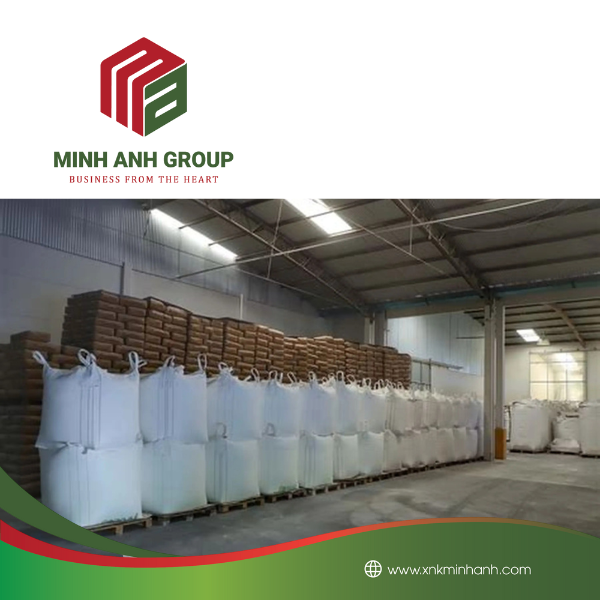
Now, I know what you’re thinking: “But what about durability? Can they handle my 1-ton shipment of gravel?” The answer is a resounding yes! These bags are designed to be as tough as their non-biodegradable cousins, so you’re not sacrificing performance for eco-friendliness. It’s like having your cake and eating it too—except the cake is made of recycled materials and comes with zero guilt.
The Cost Question: Are They Worth It?
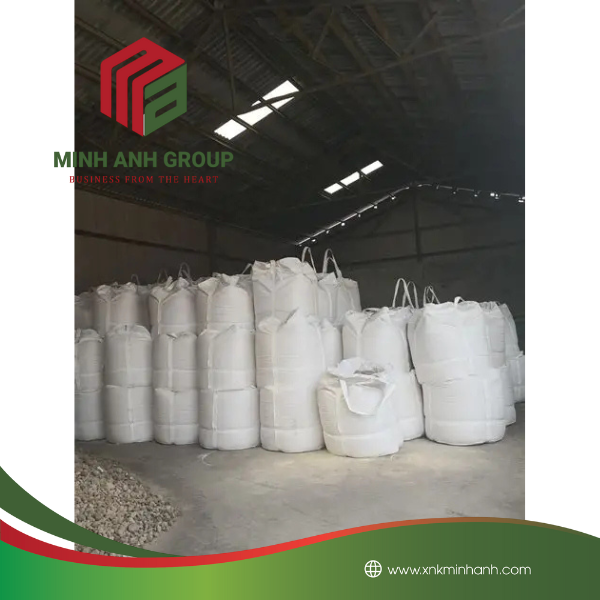
Ah, the million-dollar question: “How much is this going to cost me?” Sure, biodegradable FIBCs might have a slightly higher price tag than their traditional counterparts, but think of it as an investment in the future. Plus, with growing consumer demand for sustainable practices, using eco-friendly materials could actually boost your bottom line in the long run. It’s like paying extra for organic avocados—you’re not just buying a product; you’re buying peace of mind (and maybe a little clout).
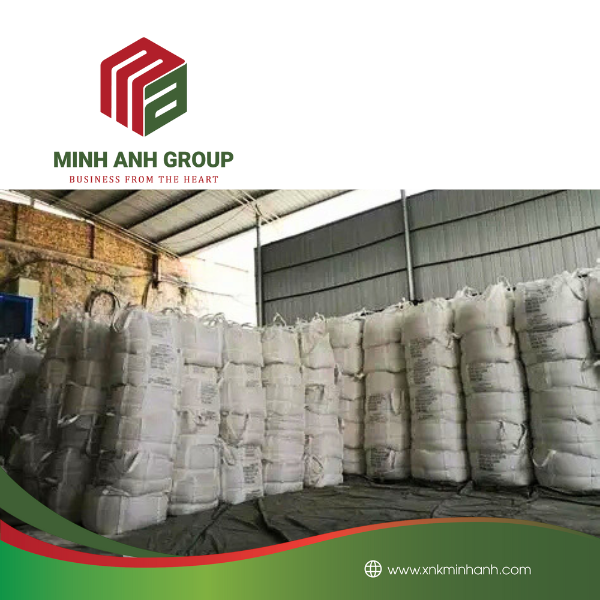
Also, let’s not forget the potential savings in waste management costs. Traditional FIBCs often require special disposal methods, whereas biodegradable ones can simply break down naturally. It’s like the difference between hiring a professional cleaner and having your mess magically disappear on its own.
The Bigger Picture
Switching to biodegradable FIBCs isn’t just about logistics—it’s about setting an example. Imagine a world where every company adopts sustainable practices. Landfills would shrink, oceans would breathe a sigh of relief, and future generations might actually have a planet worth inheriting. It’s a win-win-win situation.
And let’s be real: sustainability is no longer optional—it’s the future. Companies that fail to adapt will be left behind faster than a Blockbuster in the age of Netflix. By embracing biodegradable FIBCs now, you’re not just keeping up with the times; you’re staying ahead of them.
Final Thoughts: Saving the World Has Never Been This Fun
Who knew bulk handling could be so exciting? Okay, maybe “exciting” is a stretch, but switching to biodegradable FIBCs is definitely a step in the right direction. It’s practical, it’s responsible, and dare I say it—it’s kind of trendy. So go ahead, make the switch. Save the planet one giant bag at a time. And if anyone asks why you’re suddenly so passionate about logistics, just tell them you’re on a mission to make bulk handling sexy.
Because if biodegradable FIBCs can save the world *and* make you look good doing it, what’s not to love?
Hãy là người đầu tiên nhận xét “Eco-Conscious Bulk Handling: Biodegradable FIBC Options for Sustainable Logistics”
Sản phẩm tương tự

Tin Tức Bao Bì


Tin Tức Bao Bì

Tin Tức Bao Bì

Tin Tức Bao Bì

Tin Tức Bao Bì

Tin Tức Bao Bì


Đánh giá
Chưa có đánh giá nào.