
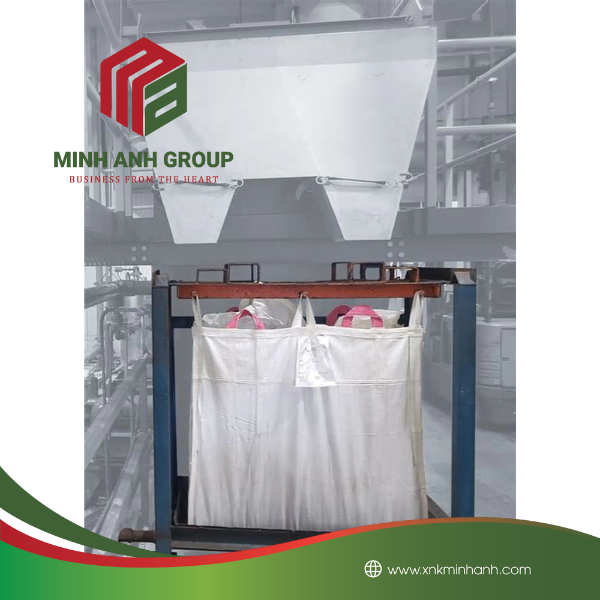
The Science Behind FIBC Bag Durability
In conclusion, FIBC bags are the unsung heroes of the industrial world. They’re strong, versatile, and reliable—basically everything you wish your group project partner could be. Whether you’re transporting sand for a construction site or storing coffee beans for your artisanal café that definitely doesn’t overcharge for lattes, these bags have your back.
Let’s talk about FIBCs—Flexible Intermediate Bulk Containers. You know, those massive bags that can carry enough materials to make you question why you ever skipped arm day at the gym. These aren’t your average grocery store totes. Oh no, these are the Chuck Norrises of the bag world, built to withstand the kind of punishment that would make even a demolition crew wince. But what makes them so tough? Is it science? Is it magic? Is it just sheer stubbornness? Let’s dig in.
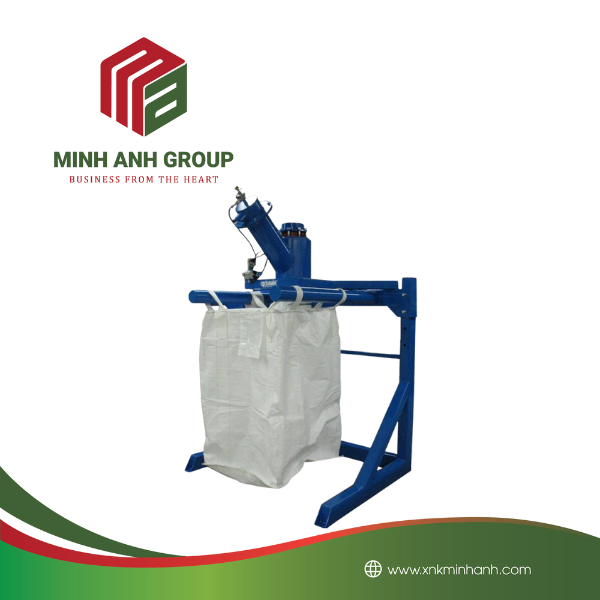
What Exactly Are FIBC Bags?
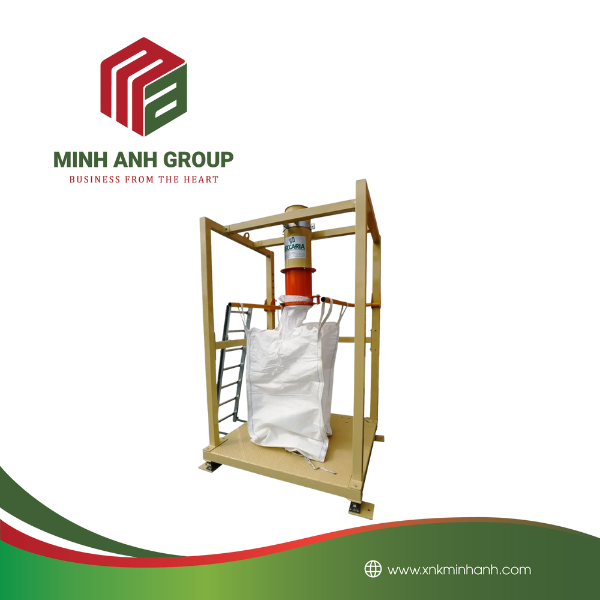
Before we dive into their durability, let’s clear up what an FIBC bag actually is. Imagine a bag big enough to fit a small car (or a very confused adult who thought it was a beanbag chair). These industrial-strength sacks are used to transport bulk materials like sand, grains, chemicals, and even your dreams of not having to clean up a spill at work. They’re made from woven polypropylene, which sounds fancy but is really just a type of plastic that decided to hit the gym and bulk up.
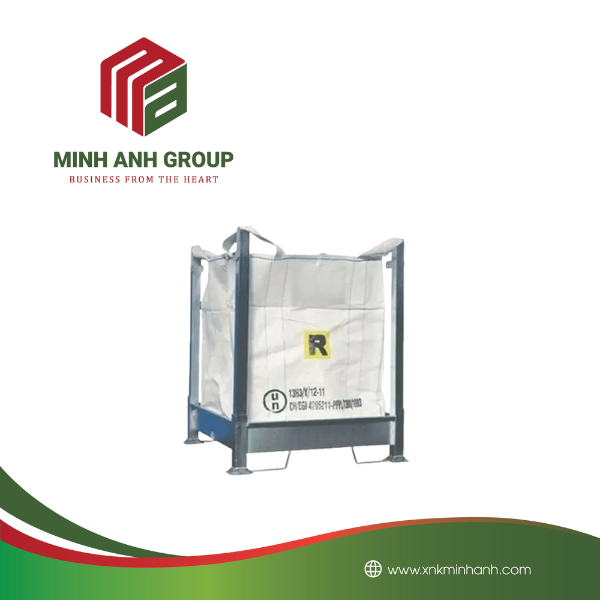
The Secret Ingredient: Polypropylene
Polypropylene is the Beyoncé of plastics—strong, versatile, and always ready to slay. This material is lightweight but incredibly durable, making it perfect for carrying heavy loads without tearing apart like your patience during rush hour. The woven structure adds an extra layer of toughness, distributing weight evenly and preventing weak spots. It’s like a chainmail vest but for stuff you need to haul around.
And here’s the kicker: polypropylene is resistant to moisture, chemicals, and UV rays. So whether you’re storing fertilizer in a rainstorm or leaving the bag out in the sun while you take a suspiciously long lunch break, these bags won’t quit on you.
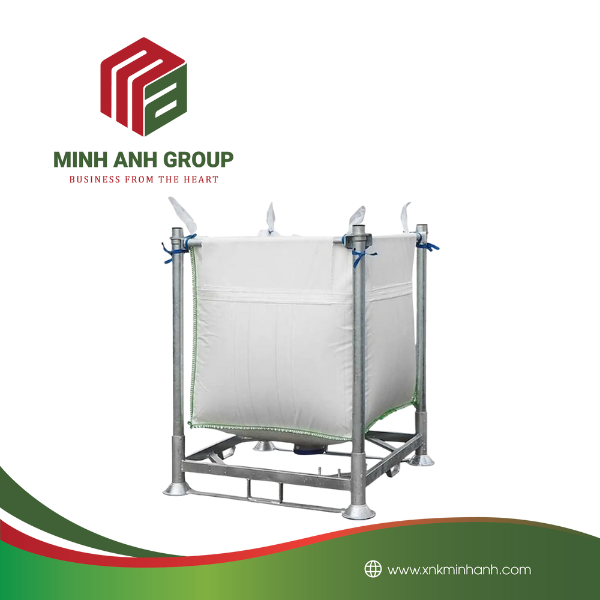
Load Capacity: The Hercules of Bags
If FIBC bags had dating profiles, they’d list their load capacity as their most attractive feature. These bags can handle anywhere from 500 kg to 2,000 kg (that’s roughly the weight of an adult polar bear or 8,000 tubs of ice cream—you’re welcome for the visual). How do they manage this? It’s all about the design.
FIBCs come with reinforced loops for lifting, sturdy stitching that would make your grandma proud, and a shape that distributes weight more evenly than your boss distributes compliments. Plus, they’re designed with safety in mind, so you don’t have to worry about them bursting open like a piñata at the worst possible moment.
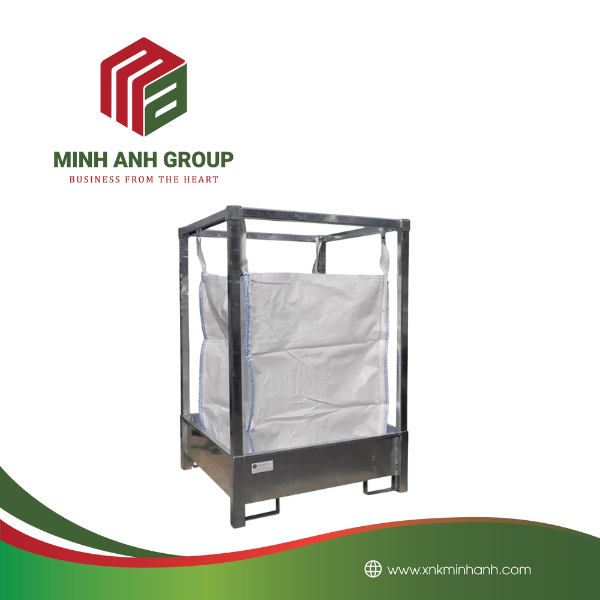
Testing Their Limits: Science Meets Sadism
Before an FIBC bag gets to hold your precious cargo, it goes through rigorous testing. Think of it as boot camp but for bags. Manufacturers test for tensile strength (how much weight it can handle before snapping), UV resistance (how long it can survive under the sun without turning into a puddle), and impact resistance (what happens if you drop it like it’s hot).
One particularly fun test involves filling the bag with heavy material and then dropping it from a height to see if it holds up. It’s like watching a trust fall exercise but with fewer tears and more science.
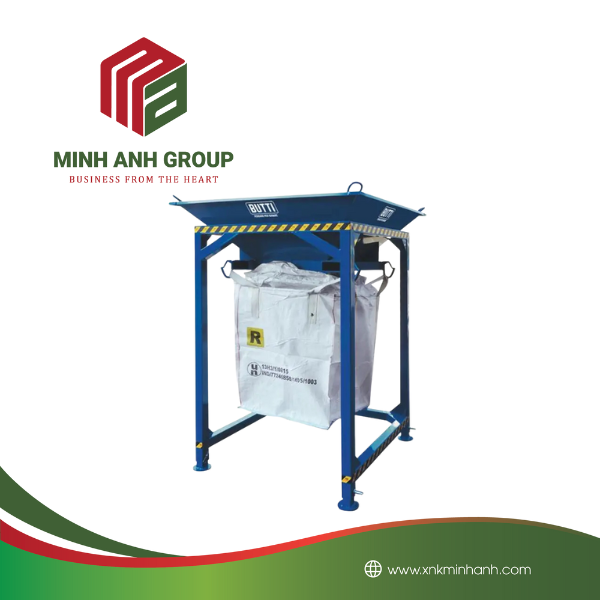
Customization: Because One Size Doesn’t Fit All
Not all FIBCs are created equal. Depending on your needs, you can customize these bags to be food-grade (for all you grain enthusiasts out there), conductive (for safely transporting flammable materials), or even coated (to keep fine powders from leaking out like secrets at an office party). You can also choose between different shapes and sizes—because who doesn’t love options?
And let’s not forget the liners. Some FIBCs come with inner liners for extra protection, kind of like wearing socks under your shoes. Except in this case, the socks are made of polyethylene and are way less likely to get lost in the laundry.
Environmental Friendliness: Saving the Planet One Bag at a Time
You might be thinking, “Okay, but aren’t these just big plastic bags? What about the environment?” Great question, eco-warrior! FIBCs are actually reusable and recyclable. With proper care and handling, they can be used multiple times before being recycled into new products. So not only are they tough, but they’re also doing their part to keep the planet from turning into one giant landfill.
Why You Should Respect FIBC Bags
In conclusion, FIBC bags are the unsung heroes of the industrial world. They’re strong, versatile, and reliable—basically everything you wish your group project partner could be. Whether you’re transporting sand for a construction site or storing coffee beans for your artisanal café that definitely doesn’t overcharge for lattes, these bags have your back.
So next time you see an FIBC bag, give it a little nod of respect. After all, it’s carrying more weight than any of us ever could—both literally and metaphorically.
Hãy là người đầu tiên nhận xét “The Science Behind FIBC Bag Durability”
Sản phẩm tương tự

Tin Tức Bao Bì


Tin Tức Bao Bì


Tin Tức Bao Bì

Tin Tức Bao Bì


Đánh giá
Chưa có đánh giá nào.