
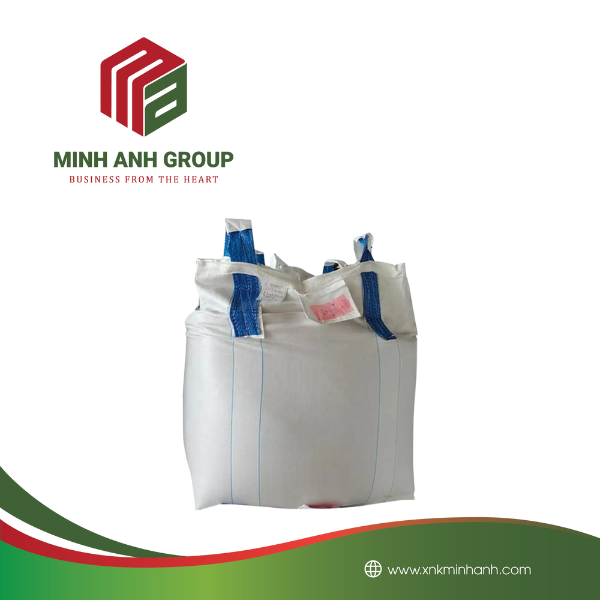
The Science Behind FIBC Bag Durability
When it comes to Flexible Intermediate Bulk Containers (FIBCs), also known as bulk bags, there’s one thing we can all agree on: these bags are the true MVPs of the storage and transportation game. They’re durable, dependable, and honestly, they might just have a better work ethic than most of us. But what makes these bags so ridiculously tough? Let’s dive into the science behind FIBC bag durability—and have some fun along the way.
When it comes to Flexible Intermediate Bulk Containers (FIBCs), also known as bulk bags, there’s one thing we can all agree on: these bags are the true MVPs of the storage and transportation game. They’re durable, dependable, and honestly, they might just have a better work ethic than most of us. But what makes these bags so ridiculously tough? Let’s dive into the science behind FIBC bag durability—and have some fun along the way.
The Secret Sauce: Polypropylene
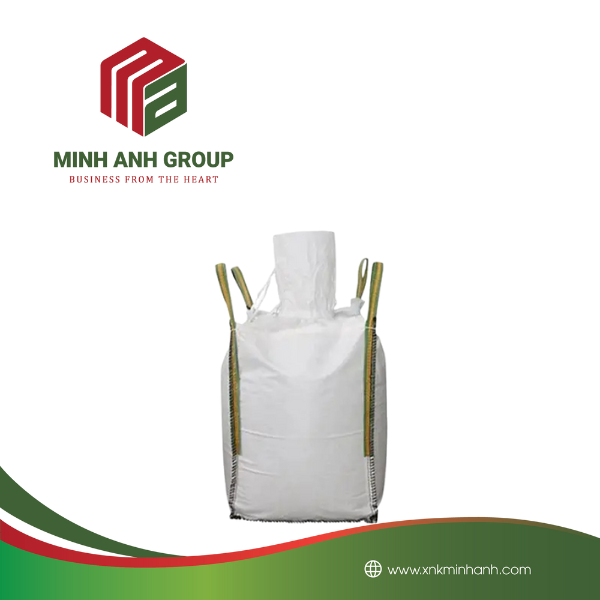
The backbone of every FIBC bag is polypropylene, a fancy term for plastic that’s got its life together. Polypropylene is like the overachiever of the polymer world. It’s lightweight, resistant to chemicals, and doesn’t break down when exposed to sunlight. Basically, it’s the material equivalent of that one friend who always has their taxes done by February.
This magical material is woven into fabric that forms the body of FIBC bags. The weaving process creates a structure that’s both strong and flexible—kind of like yoga for plastics. So, whether you’re hauling sand, fertilizer, or mysterious industrial powders that nobody wants to ask too many questions about, polypropylene has your back.
Strength in Numbers: The Weave
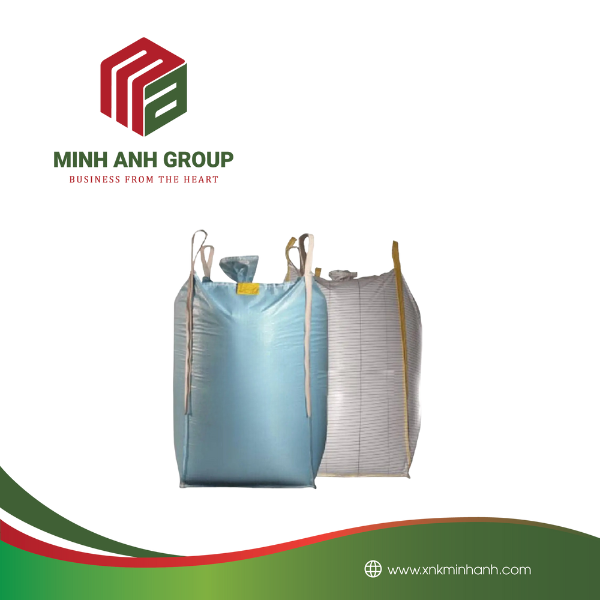
Let’s talk about the weave of FIBC bags. Imagine a group of tiny threads holding hands and chanting, “We’re in this together!” That’s essentially what’s happening here. The woven fabric is designed to distribute weight evenly, so the bag doesn’t rip or tear under pressure. It’s teamwork at its finest.
The weave also allows for breathability, which is great if your cargo needs ventilation. So while your bag is busy being strong enough to carry a literal ton of stuff, it’s also letting your goods breathe. It’s like carrying groceries home in a tote bag that doubles as a personal fan for your apples.
The Stitching: Holding It Together Like a Hot Mess on Caffeine
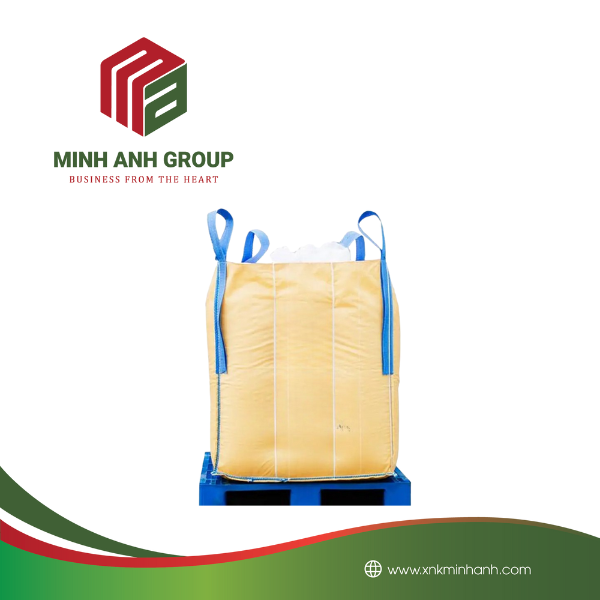
If polypropylene is the star quarterback, then stitching is the coach that keeps everything running smoothly. FIBC bags are stitched together with industrial-strength thread that laughs in the face of tension. These stitches are reinforced at key stress points, ensuring that the bag doesn’t fall apart when you load it with 2,000 pounds of gravel—or your emotional baggage.
Some FIBC bags even have additional reinforcements like cross-corner loops or extra layers at the base. These features are like the bag equivalent of wearing suspenders and a belt at the same time. Overkill? Maybe. Effective? Absolutely.
UV Resistance: A Bag That Can Handle the Heat
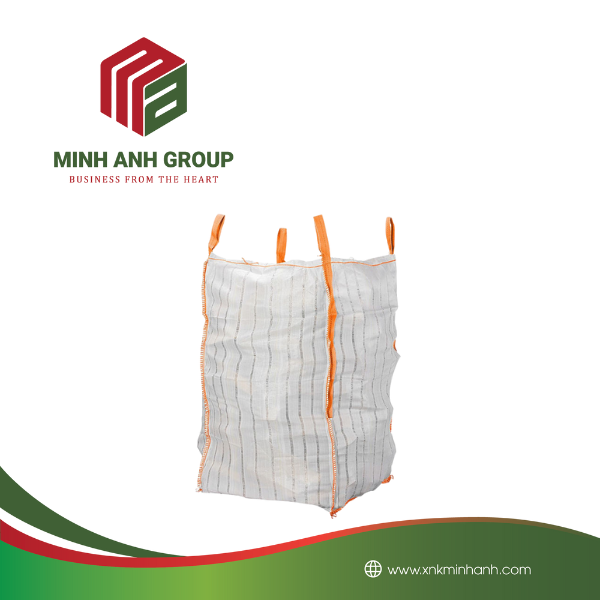
You know how some people wilt like a sad houseplant after five minutes in the sun? FIBC bags are not those people. Thanks to UV-resistant coatings, these bags can withstand prolonged exposure to sunlight without losing their strength or integrity. So if your bag ends up sitting in a warehouse yard under blazing summer rays, it won’t turn into a puddle of regret.
This UV resistance is especially important for industries that store materials outdoors. Nobody wants to deal with a bag that disintegrates faster than your New Year’s resolutions.
Static Control: No Zaps Allowed
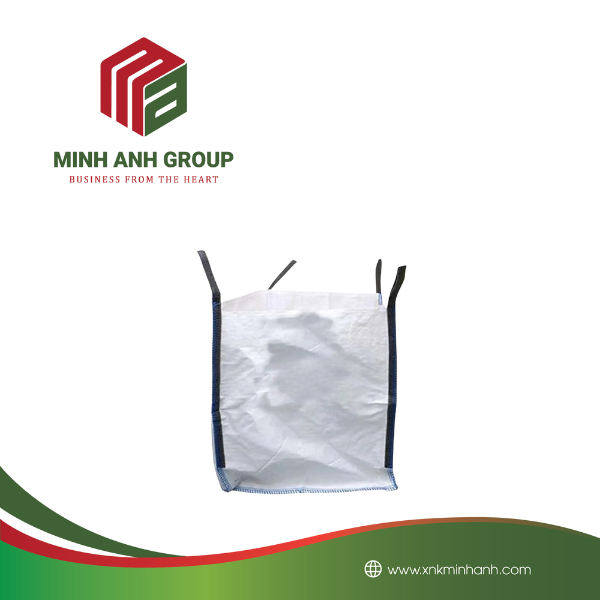
Ever gotten zapped by static electricity while folding laundry? It’s annoying, right? Now imagine that happening on an industrial scale—yikes. Thankfully, some FIBC bags are designed with anti-static properties to prevent sparks from flying (literally). These bags are made with special coatings or conductive threads that dissipate static electricity, making them safe for transporting flammable materials.
So not only are these bags durable, but they’re also looking out for your safety. Honestly, they might deserve a “Bag of the Year” award.
Testing: Because Science Never Sleeps
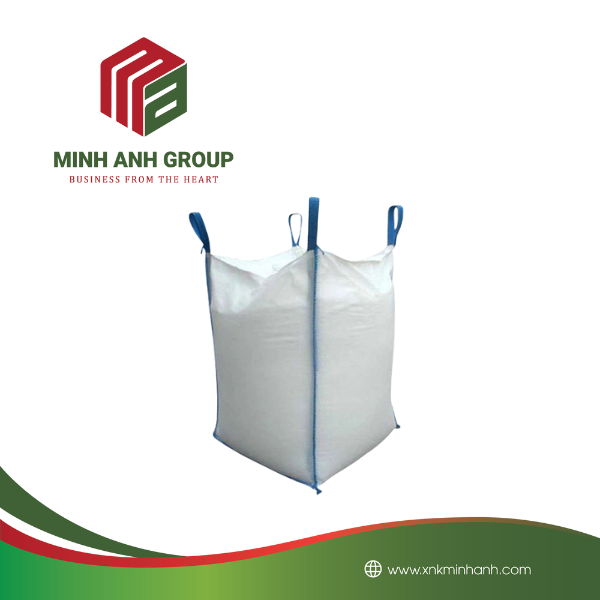
Before an FIBC bag hits the market, it goes through rigorous testing that would make most gym bros cry. Manufacturers test these bags for tensile strength, tear resistance, and load capacity. They even simulate extreme conditions to make sure the bag can handle whatever life throws at it—whether it’s a forklift mishap or an overly enthusiastic warehouse worker.
Some tests involve filling the bag to its maximum capacity and then shaking it around like a toddler hopped up on sugar. If the bag survives without bursting at the seams, it earns its badge of honor and heads off to serve humanity.
Versatility: A Bag for Every Occasion
FIBC bags come in all shapes and sizes, each designed for specific applications. Need a bag for transporting food-grade materials? There’s an FIBC for that. Need a bag that can handle hazardous waste without flinching? Yup, there’s one for that too. With so many options, these bags are basically the Swiss Army knives of industrial packaging.
Plus, they’re reusable! With proper care and handling, FIBC bags can be used multiple times, making them eco-friendly and cost-effective. Talk about being both practical and sustainable—these bags really do it all.
Bow Down to the Bulk Bag
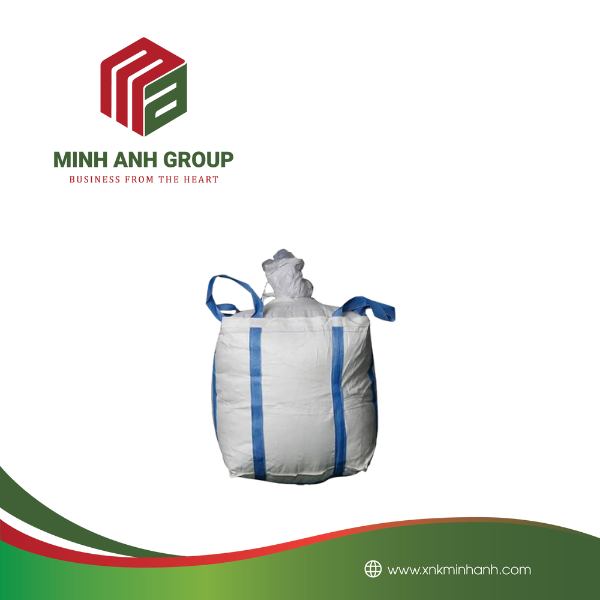
In summary, FIBC bags are built to be tough, reliable, and versatile. Whether it’s the polypropylene fabric, reinforced stitching, UV resistance, or anti-static properties, every element of these bags is designed with durability in mind. They’re like the superheroes of the packaging world—minus the capes (because let’s be real, capes would just get in the way).
So next time you see an FIBC bag doing its thing in a warehouse or construction site, take a moment to appreciate its sheer awesomeness. It’s not just a bag; it’s a testament to science, engineering, and good old-fashioned hard work. And honestly? It’s probably tougher than you’ll ever be.
Hãy là người đầu tiên nhận xét “The Science Behind FIBC Bag Durability”
Sản phẩm tương tự

Tin Tức Bao Bì


Tin Tức Bao Bì


Tin Tức Bao Bì


Tin Tức Bao Bì

Tin Tức Bao Bì


Đánh giá
Chưa có đánh giá nào.