
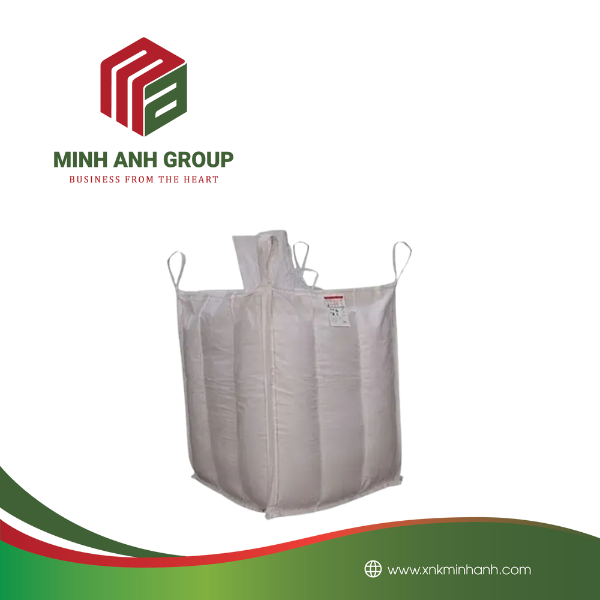
The Environmental Impact of FIBC Bags: A Comprehensive Analysis
Like most things in life (except pizza), FIBC bags fall into a gray area. They’re durable and reusable, which earns them eco-points. But they’re made from plastic and can contribute to pollution if not properly disposed of, which deducts some points. The key is responsible usage—reuse them as much as possible, recycle them when you can, and maybe turn one into a funky piece of furniture when it’s no longer fit for heavy-duty work.
Ah, FIBC bags—those big, burly sacks that look like they could carry Thor’s hammer and a week’s worth of groceries at the same time. Flexible Intermediate Bulk Containers (FIBCs, for the uninitiated) are the unsung heroes of the industrial world. They haul everything from grains to chemicals, and they do it with a swagger that says, “I can handle this.” But let’s pause for a moment and ask: what’s the deal with their environmental impact? Are these jumbo bags eco-friendly champions or sneaky polluters in disguise? Let’s unpack this (pun intended).
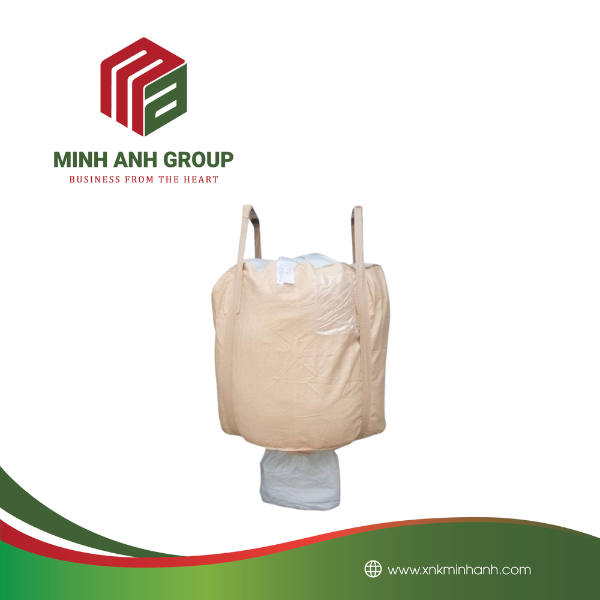
What Are FIBC Bags, Anyway?
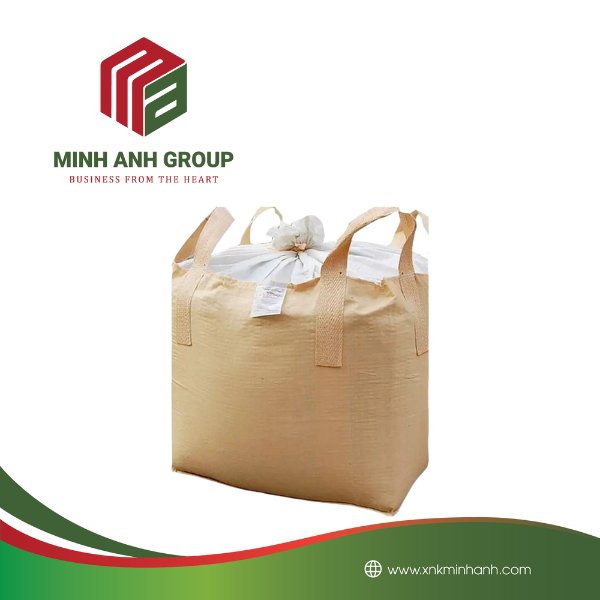
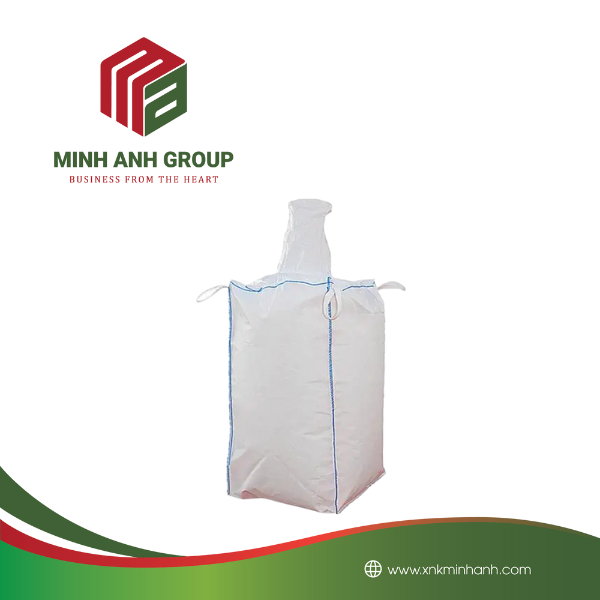
Picture a tote bag on steroids. FIBC bags are massive sacks made of woven polypropylene fabric, designed to carry heavy loads—think sand, cement, fertilizer, or your dreams of becoming a millionaire. They come with loops for easy lifting, and they’re so versatile that you might catch one moonlighting as a makeshift chair during lunch breaks at construction sites. But while they’re great at hauling stuff, their environmental footprint is a mixed bag (pun absolutely intended).
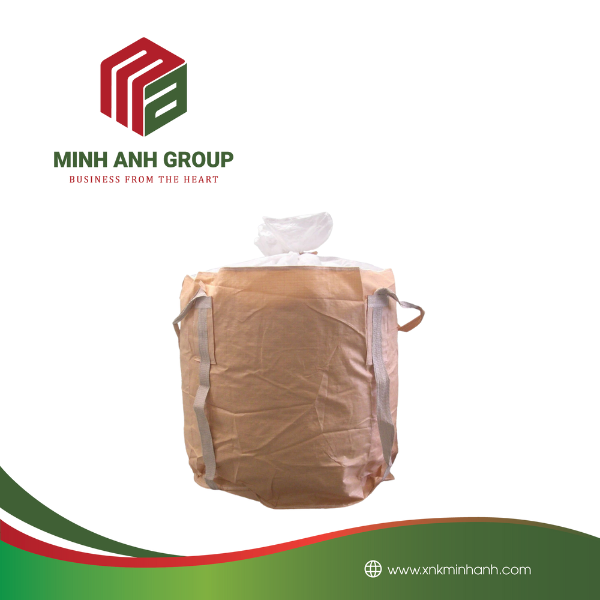
The Good: Reusability and Durability
Let’s start with the positives because we’re optimists here. FIBC bags are like the Chuck Norris of packaging—they don’t go down easily. These bags are reusable, which means they can be emptied, folded up, and reused multiple times before they start showing signs of wear and tear. In a world drowning in single-use plastics, this is a big win. Imagine if every time you bought a bag of rice, you had to toss the packaging into the trash. Now imagine that multiplied by millions of people. FIBCs swoop in like superheroes to save the day.
Plus, they’re durable. You could probably drop one from a helicopter (not recommended) and still find it intact. This sturdiness reduces the likelihood of spills during transport, which is great because cleaning up spilled fertilizer sounds like the worst chore ever.
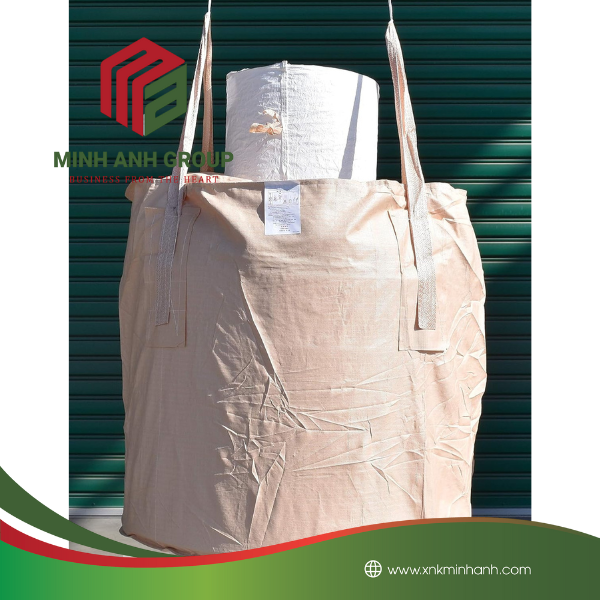
The Bad: Polypropylene Problems
Okay, now for the not-so-great news. FIBC bags are made from polypropylene, which is a fancy way of saying “plastic.” And while plastic has its perks—lightweight, strong, resistant to water—it also comes with environmental baggage (pun yet again intended). Polypropylene is derived from petroleum, so making these bags contributes to fossil fuel consumption. Cue the collective groan from Mother Nature.
And then there’s the end-of-life issue. When FIBC bags finally kick the bucket after years of hard labor, they don’t biodegrade easily. Instead, they sit in landfills doing their best impression of an immortal creature from a sci-fi movie. Recycling is an option, but it’s not as straightforward as tossing them into your curbside bin. Specialized facilities are needed to recycle polypropylene, and let’s be honest—how many people actually go out of their way to find one?
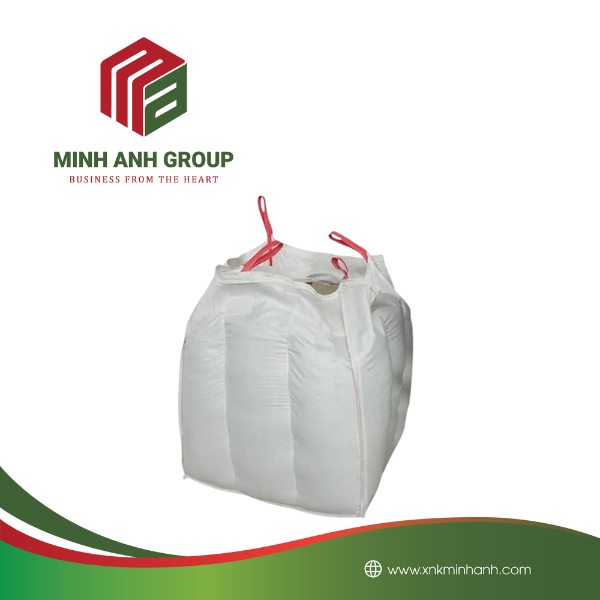
The Ugly: Microplastic Menace
Here’s where things get dicey. As FIBC bags age and degrade (slowly, like a sloth running a marathon), they can release microplastics into the environment. These tiny plastic particles are like glitter—once they’re out there, good luck cleaning them up. Microplastics have been found everywhere from the deepest oceans to the water you drink, and scientists aren’t thrilled about it. So while your trusty FIBC bag might seem harmless sitting in storage, it could be quietly shedding microplastics like an industrial-sized dandruff problem.
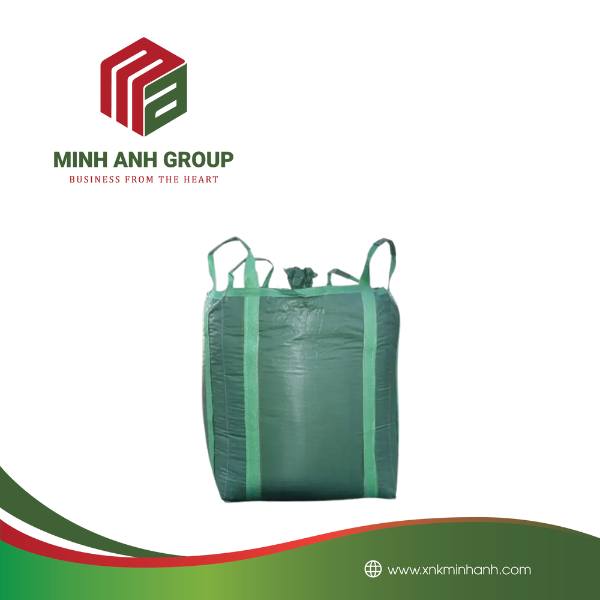
The Silver Lining: Innovation to the Rescue
Don’t despair just yet! Humans are nothing if not resourceful (except when it comes to remembering where we put our car keys). Companies are working on making FIBC bags more eco-friendly. Some manufacturers are exploring the use of recycled polypropylene to make new bags, which reduces the need for virgin plastic. Others are dabbling in biodegradable materials that won’t stick around for centuries like an unwanted house guest.
And let’s not forget about upcycling! Creative folks have found ways to repurpose old FIBC bags into everything from garden planters to hammocks. If you’ve ever wanted to lounge on a hammock made from industrial packaging, your dream is closer than you think.
So… Are FIBC Bags Good or Bad for the Environment?
Like most things in life (except pizza), FIBC bags fall into a gray area. They’re durable and reusable, which earns them eco-points. But they’re made from plastic and can contribute to pollution if not properly disposed of, which deducts some points. The key is responsible usage—reuse them as much as possible, recycle them when you can, and maybe turn one into a funky piece of furniture when it’s no longer fit for heavy-duty work.
In conclusion, FIBC bags are neither saints nor villains—they’re more like that one friend who’s fun at parties but occasionally forgets to recycle their beer cans. They have their flaws, but with innovation and responsible practices, their environmental impact can be managed. So next time you see one of these jumbo sacks in action, give it a little nod of appreciation—and maybe remind it to stay out of landfills.
Now go forth and conquer your bulk storage needs responsibly!
Hãy là người đầu tiên nhận xét “The Environmental Impact of FIBC Bags: A Comprehensive Analysis”
Sản phẩm tương tự

Tin Tức Bao Bì


Tin Tức Bao Bì


Tin Tức Bao Bì

Tin Tức Bao Bì

Tin Tức Bao Bì


Đánh giá
Chưa có đánh giá nào.