
FIBC Bags vs Traditional Packaging: A Comparative Study

Let’s be honest: traditional packaging had a good run. It’s like an old sitcom you still watch for nostalgia but wouldn’t recommend to anyone under 30. FIBC bags are the shiny new Netflix series—modern, efficient, and way more binge-worthy (if binge-watching packaging were a thing).
Packaging. It’s the unsung hero of the modern world. Without it, your rice would be rolling around in your trunk like marbles, your cement would be blowing in the wind like a sad cloud, and your dog food would be a buffet for squirrels before it even reached your pooch. But when it comes to choosing the right packaging solution, the debate between FIBC bags and traditional packaging is hotter than a microwave burrito. So, let’s dive into this epic showdown with a pinch of humor and a sprinkle of practicality.
What Are FIBC Bags? Are They Fancy?
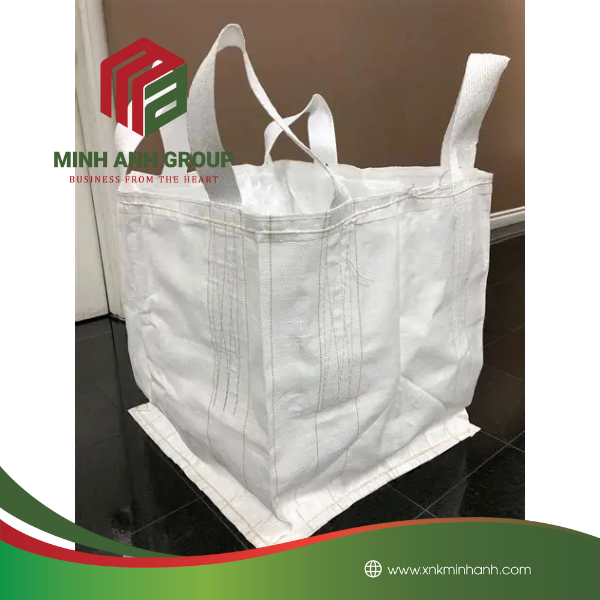
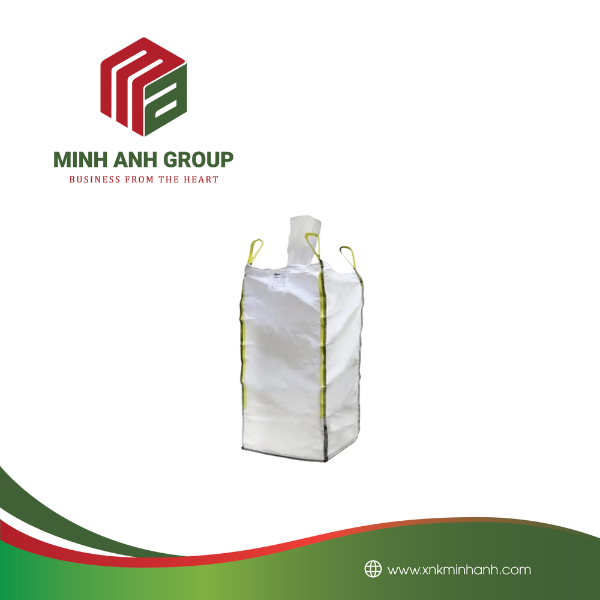
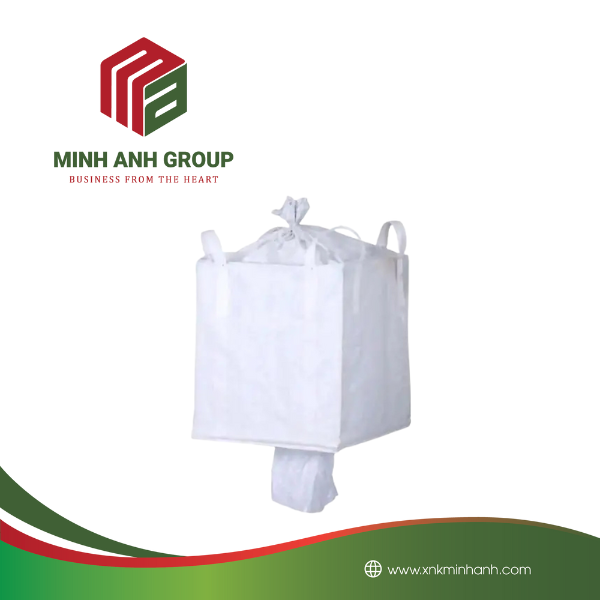
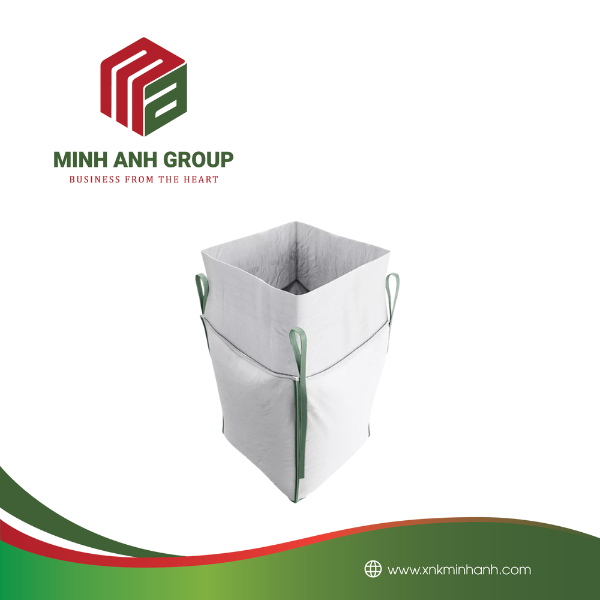
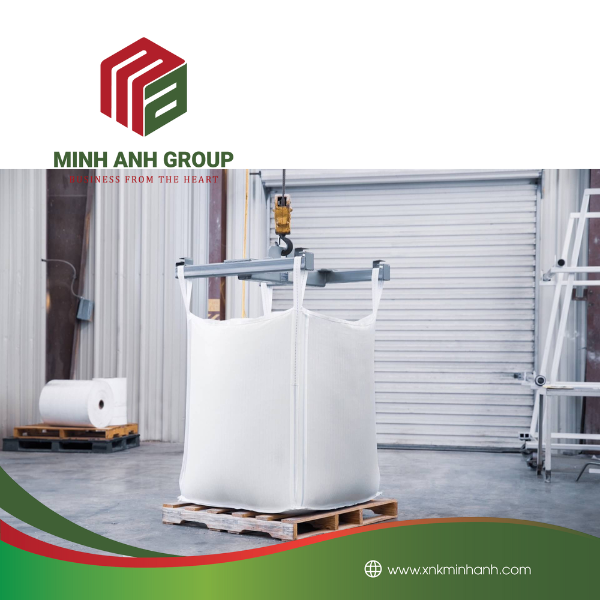
First things first: FIBC stands for Flexible Intermediate Bulk Container. Sounds like something NASA would use to store moon rocks, right? But nope, these are jumbo-sized bags made from woven polypropylene, designed to carry large quantities of stuff—grains, powders, chemicals, you name it. Think of them as the Hulk of the packaging world. They’re big, they’re strong, and they don’t wear spandex (thank goodness).
Traditional Packaging: The Old Reliable
On the other hand, traditional packaging is like your grandpa’s favorite pair of slippers—comfortable, familiar, and occasionally prone to wear and tear. It includes sacks, boxes, barrels, and other containers we’ve relied on for centuries. Sure, they’ve served us well, but let’s face it: they’re not winning any innovation awards.
Round 1: Strength and Durability
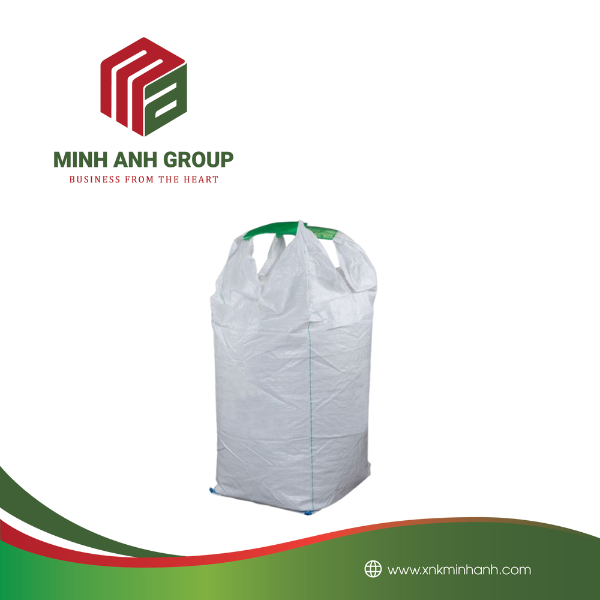
Let’s imagine you’re trying to transport 1,000 kilograms of flour. With traditional packaging, you’d need a small army of sacks or barrels, each one praying to the packaging gods that it doesn’t tear or collapse under pressure. Enter FIBC bags, which can carry up to 2,000 kilograms without breaking a sweat. These bags are the Chuck Norris of packaging—tough, dependable, and probably capable of karate-chopping a forklift if necessary.
Winner: FIBC bags. Traditional packaging taps out faster than a wrestler in a headlock.
Round 2: Space Efficiency
Ever tried stacking barrels? It’s like playing Jenga with your sanity. Traditional packaging often takes up more space than your mother-in-law’s collection of porcelain cats. FIBC bags, however, are stackable and compact, making them perfect for storage and transport. Plus, they don’t roll away when you turn your back—unlike barrels that seem to have dreams of joining the circus.
Winner: FIBC bags. They win this round with their space-saving superpowers.
Round 3: Environmental Impact
Here’s where things get serious. Traditional packaging often involves materials like plastic or metal that aren’t exactly eco-friendly. FIBC bags are reusable and recyclable, making them the Greta Thunberg-approved choice for businesses looking to reduce their carbon footprint. If traditional packaging is a gas-guzzling SUV, FIBC bags are the electric car that silently judges you from the next lane.
Winner: FIBC bags. Mother Earth sends her regards.
Round 4: Cost Effectiveness
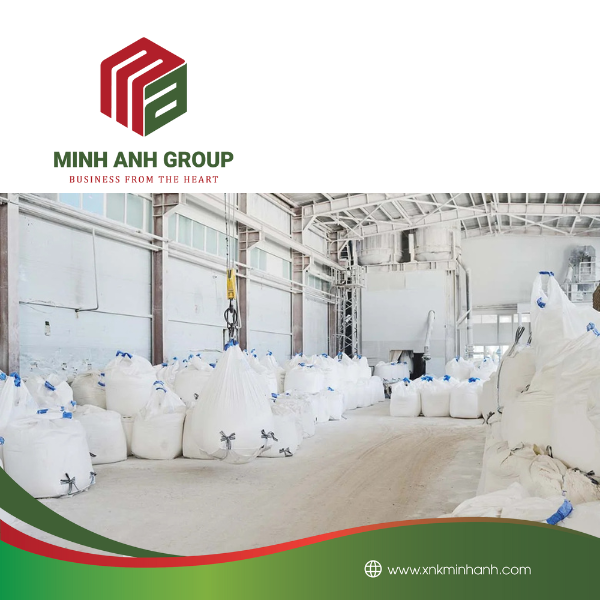
Ah, money—a topic as universally loved as puppies and pizza. Traditional packaging can be cheaper upfront but often comes with hidden costs like frequent replacements and higher transport fees due to inefficiency. FIBC bags may have a higher initial price tag, but their durability and reusability make them the budget-friendly choice in the long run.
Winner: FIBC bags. Your accountant just gave them a standing ovation.
Round 5: Versatility
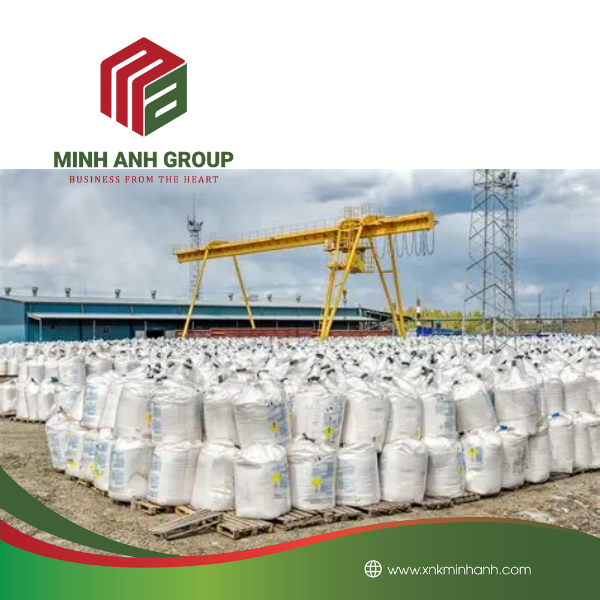
Traditional packaging is like that friend who only eats chicken nuggets—it gets the job done but isn’t exactly adventurous. FIBC bags can handle everything from fine powders to chunky gravel without batting an eye. Need a bag with a spout for easy discharge? Done. Want one that’s UV-resistant? No problem. These bags are basically the Swiss Army knife of packaging solutions.
Winner: FIBC bags. Traditional packaging just can’t keep up with their flexibility.
The Verdict
Let’s be honest: traditional packaging had a good run. It’s like an old sitcom you still watch for nostalgia but wouldn’t recommend to anyone under 30. FIBC bags are the shiny new Netflix series—modern, efficient, and way more binge-worthy (if binge-watching packaging were a thing).
So, whether you’re in agriculture, construction, or any industry that requires moving large quantities of stuff from Point A to Point B without losing your sanity, FIBC bags are clearly the way to go. They’re strong, versatile, eco-friendly, and cost-effective—basically everything you wish your ex had been.
In the battle of FIBC bags vs traditional packaging, there’s no contest. FIBC bags are the future of bulk transportation and storage, while traditional packaging can retire gracefully with its lifetime achievement award. So next time you’re choosing your container comrades, remember: go big or go home—and by big, we mean FIBC big!
Hãy là người đầu tiên nhận xét “FIBC Bags vs Traditional Packaging: A Comparative Study”
Sản phẩm tương tự

Tin Tức Bao Bì

Tin Tức Bao Bì


Tin Tức Bao Bì

Tin Tức Bao Bì

Tin Tức Bao Bì


Tin Tức Bao Bì


Đánh giá
Chưa có đánh giá nào.