
How to Properly Store and Maintain FIBC Bags

Flexible Intermediate Bulk Containers (FIBCs), commonly known as bulk bags, are an essential component in various industries for transporting and storing dry, flowable products. Ensuring their longevity and maintaining their integrity is crucial for safety and cost-effectiveness. This article outlines the best practices for storing and maintaining FIBC bags to optimize their use and extend their lifespan.
Flexible Intermediate Bulk Containers (FIBCs), commonly known as bulk bags, are an essential component in various industries for transporting and storing dry, flowable products. Ensuring their longevity and maintaining their integrity is crucial for safety and cost-effectiveness. This article outlines the best practices for storing and maintaining FIBC bags to optimize their use and extend their lifespan.
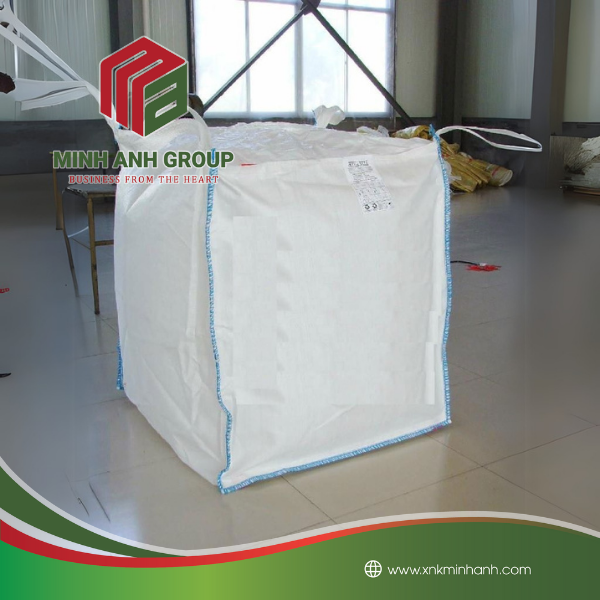
Before delving into storage and maintenance, it’s important to understand the basic structure of FIBC bags. These bags are typically made from woven polypropylene fabric, designed to handle a wide range of materials, from agricultural products to industrial chemicals. Their design allows them to carry large quantities, typically ranging from 500 to 2000 kg.

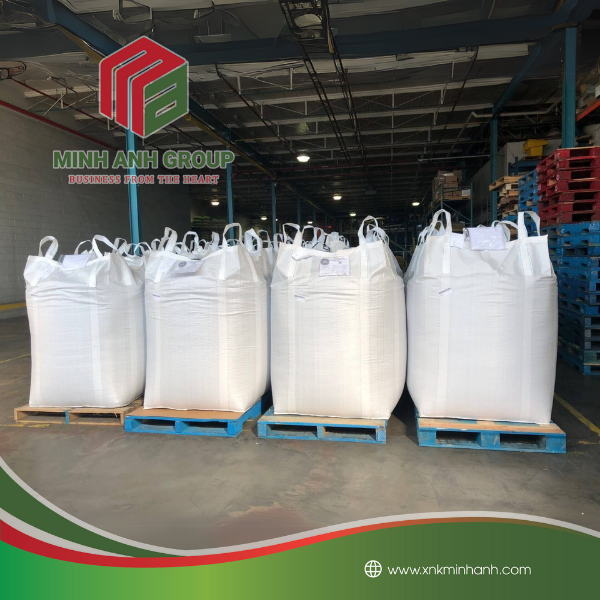
Proper storage of FIBC bags is paramount in preserving their quality and functionality. Here are some key guidelines:
1. Environment Control: Store FIBC bags in a clean, dry environment. Exposure to moisture can weaken the fabric and seams, compromising the bag’s structural integrity. Ensure the storage area is free from sharp objects or surfaces that could puncture or tear the material.
2. Protection from UV Exposure: Prolonged exposure to sunlight can degrade the polypropylene fabric, reducing the bag’s strength. Store FIBCs indoors or under UV-protective covers if outdoor storage is unavoidable.
3. Temperature Regulation: Extreme temperatures can affect the material properties of FIBCs. Maintain a stable temperature in the storage area to prevent material brittleness or melting.
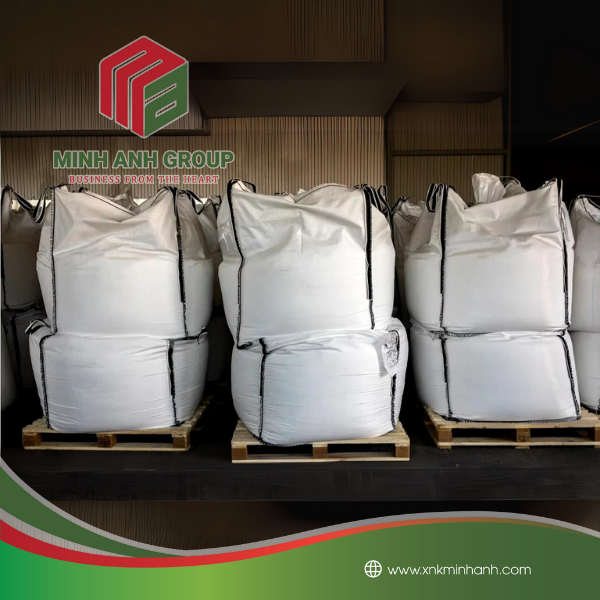
4. Stacking Protocols: If stacking is necessary, adhere strictly to manufacturer guidelines regarding stacking height and method. Improper stacking can lead to deformation or damage to lower layers.
5. Pest Control: Implement pest control measures to protect FIBCs from rodents and insects, which can cause significant damage.
Regular maintenance of FIBC bags ensures they remain in optimal condition for reuse:
1. Inspection: Conduct regular inspections for signs of wear and tear, such as fraying seams, holes, or weakened fabric. Address any issues promptly to prevent further damage.
2. Cleaning: Clean FIBCs as needed using appropriate methods based on the contents previously stored. Avoid harsh chemicals that could degrade the fabric.
3. Repair: Minor repairs can extend the life of an FIBC bag. Use recommended repair kits or services that comply with industry standards to ensure safety and effectiveness.
4. Documentation: Keep detailed records of each bag’s usage, inspections, and repairs. This documentation helps in tracking the lifecycle of the bags and planning replacements or additional maintenance.
Proper handling is as crucial as storage and maintenance:
1. Loading and Unloading: Use appropriate equipment and techniques for loading and unloading FIBCs to prevent damage. Avoid dragging bags across rough surfaces.
2. Weight Limits: Never exceed the weight limit specified by the manufacturer. Overloading can lead to catastrophic failure during handling or transportation.
3. Training: Ensure all personnel involved in handling FIBCs are adequately trained in safe handling practices and aware of potential risks.

Proper storage and maintenance of FIBC bags not only ensure safety but also contribute to cost savings by extending their usability. By adhering to these best practices, industries can maximize the efficiency of their bulk handling processes while minimizing risks associated with material transport and storage. Regular training and adherence to manufacturer guidelines will further enhance the longevity and reliability of these versatile containers.
Hãy là người đầu tiên nhận xét “How to Properly Store and Maintain FIBC Bags”
Sản phẩm tương tự


Tin Tức Bao Bì

Tin Tức Bao Bì

Tin Tức Bao Bì

Tin Tức Bao Bì

Tin Tức Bao Bì


Đánh giá
Chưa có đánh giá nào.