
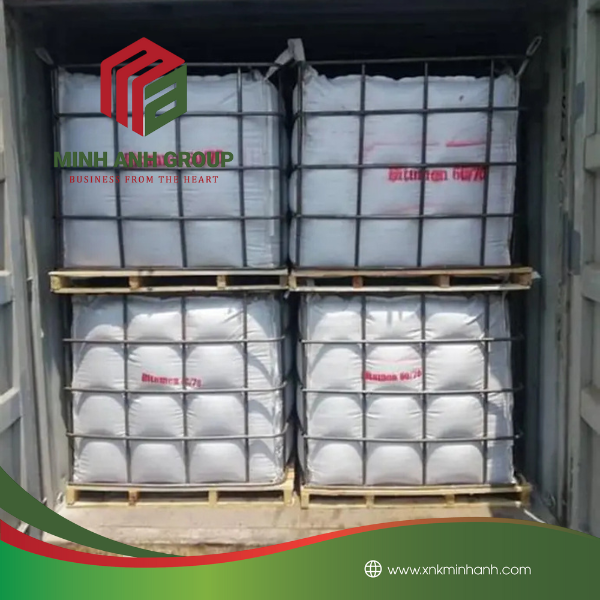
The Evolution of FIBC Bags: From Concept to Global Adoption

In conclusion, the journey of FIBC bags is proof that even the most mundane objects can have fascinating histories. From their humble beginnings as wartime coal carriers to their current status as industrial MVPs, these bags have truly come a long way. So next time you see one of these giants on a construction site or in a warehouse, give it a little nod of respect – it’s earned it!
Ah, the humble FIBC bag – the unsung hero of the industrial world. You know, those massive, squishy sacks that look like they could double as parachutes for giants or make excellent beanbags if you’re feeling adventurous. But how did these oversized bags go from being a twinkle in someone’s eye to ruling the global packaging game? Buckle up, folks, because we’re about to dive into the surprisingly entertaining history of Flexible Intermediate Bulk Containers (FIBCs). Spoiler alert: It’s more thrilling than you’d expect for a story about bags.
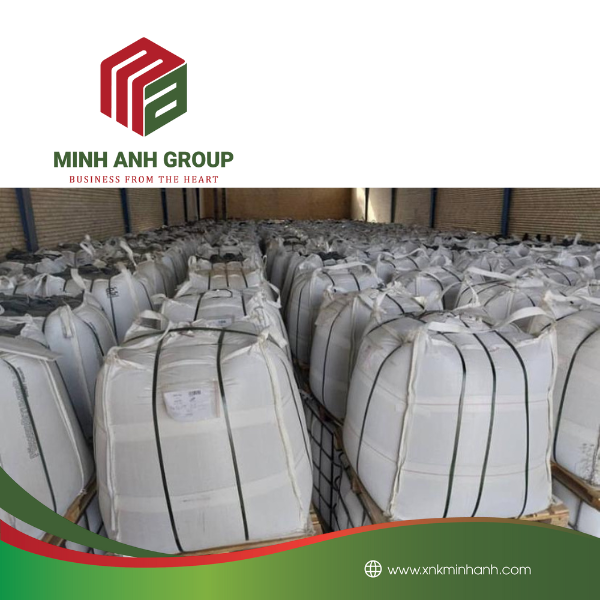
The Birth of the Big Bag
Let’s rewind to the 1940s. World War II was raging, and while humanity was busy inventing radar and jet engines, someone somewhere thought, “You know what the world really needs? Giant bags.” Okay, maybe it didn’t happen exactly like that, but FIBCs were indeed born out of necessity during wartime. Early versions of these bags were made of heavy-duty PVC-coated nylon and were used to transport coal and cement. Nothing screams “glamorous origins” like lugging around coal dust, right?
These early FIBCs were revolutionary for their time. Imagine trying to move hundreds of kilograms of material without them – it would’ve been like trying to carry your groceries home in wet tissue paper. Thanks to these sturdy sacks, industries could finally move bulk materials without breaking a sweat (or their backs).
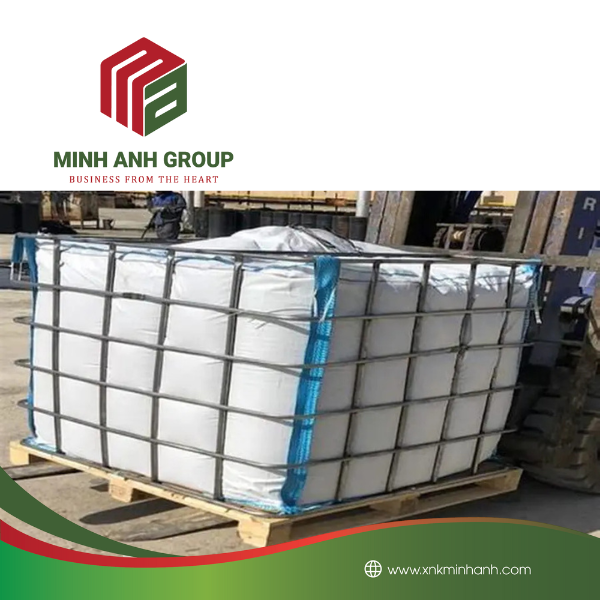
The Swinging ’60s: FIBCs Get Groovy
Fast forward to the 1960s, a decade known for bell-bottoms, flower power, and apparently, bag innovation. This was when FIBCs got their first major makeover. Engineers began experimenting with woven polypropylene fabrics, which were lighter, stronger, and way less prone to looking like sad deflated balloons after use.
It was also around this time that FIBCs started popping up in industries beyond coal and cement. Chemicals, fertilizers, and food products all wanted in on the big bag action. Suddenly, FIBCs weren’t just functional; they were fashionable (well, as fashionable as industrial bags can get).
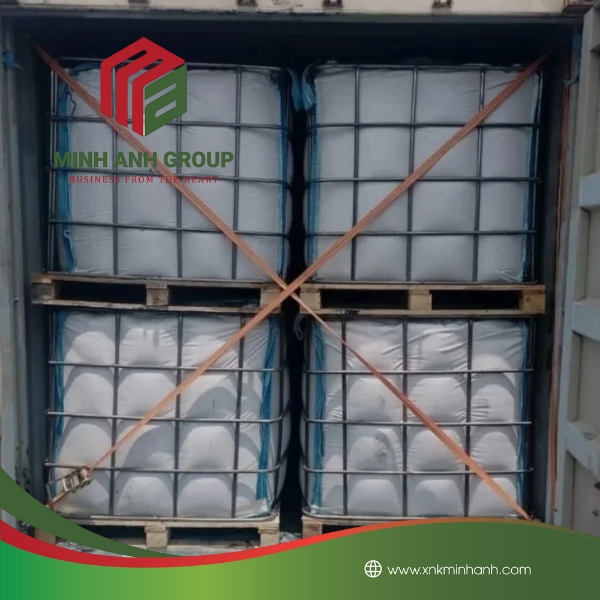
The 1980s: Safety First!
Ah, the ’80s – big hair, neon everything, and an obsession with safety regulations. The FIBC industry wasn’t immune to this trend. As the bags became more popular, people realized that transporting hazardous materials in giant sacks might require a little more than “just winging it.” This led to the development of specialized FIBCs designed to prevent static electricity buildup.
Why was this important? Well, imagine you’re transporting flammable chemicals in a giant bag and someone decides to rub their hands together like they’re starting a campfire. Boom – instant catastrophe. Thanks to anti-static FIBCs, industries could breathe a little easier knowing their products weren’t one spark away from disaster.
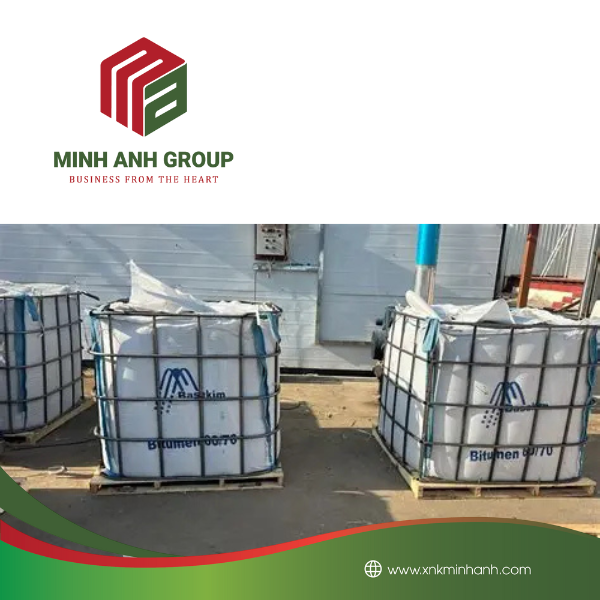
The Global Takeover
By the 1990s and early 2000s, FIBCs had officially gone global. They were everywhere – from construction sites in Dubai to coffee plantations in Brazil. They became the Beyoncé of industrial packaging: universally loved and impossible to replace.
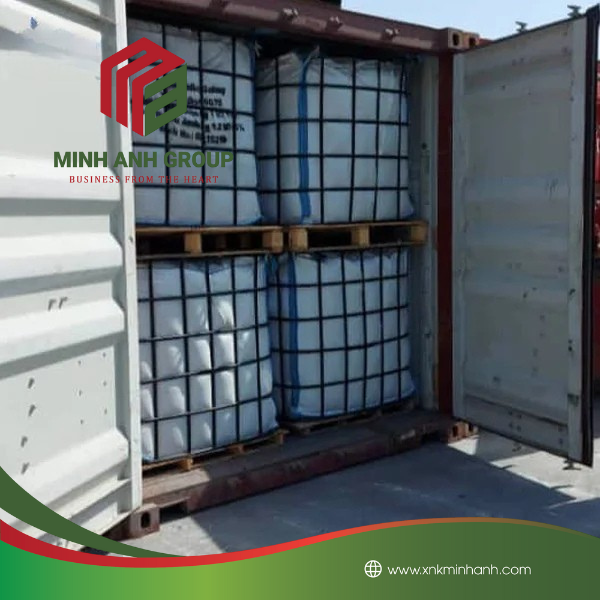
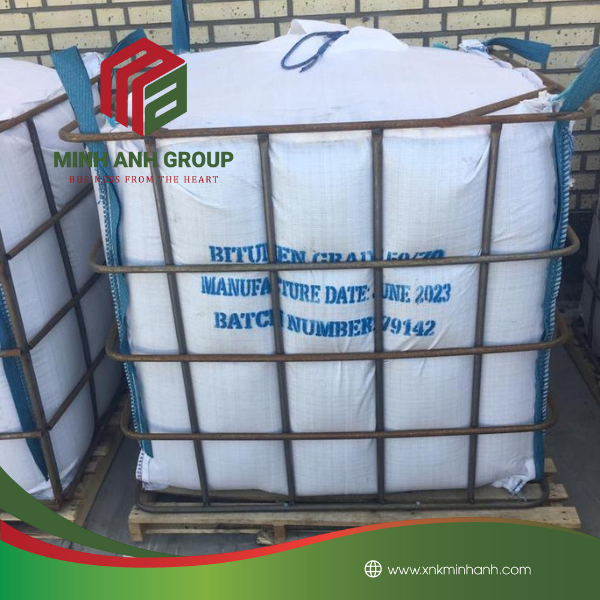
And let’s not forget their versatility. Need a bag that can handle 2 tons of gravel? No problem. Want one that can store food-grade materials without contamination? Easy peasy. Looking for a sack that can survive being dropped from a forklift? Done. FIBCs were like the Swiss Army knives of bulk containers – minus the blades and corkscrews.
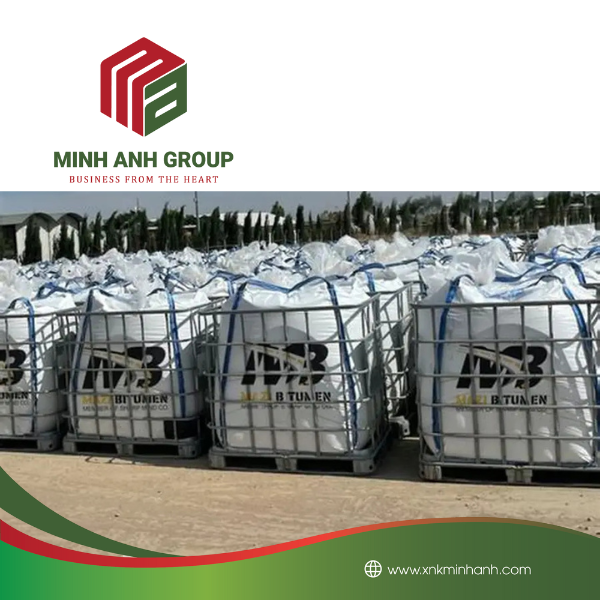
FIBCs Today: Bigger, Better, Bulkier
Fast forward to today, and FIBCs are living their best lives. They come in all shapes and sizes – square ones, round ones, ones with spouts, ones with flaps – it’s like Tinder for bags out there. They’re used in industries ranging from agriculture to pharmaceuticals, proving that no matter what you’re hauling, there’s an FIBC for you.
And let’s talk about sustainability because even bags need a PR makeover these days. Modern FIBCs are often designed to be reusable and recyclable, making them a hit with eco-conscious companies. Some manufacturers even offer biodegradable options because nothing says “saving the planet” like a giant sack that can decompose gracefully.
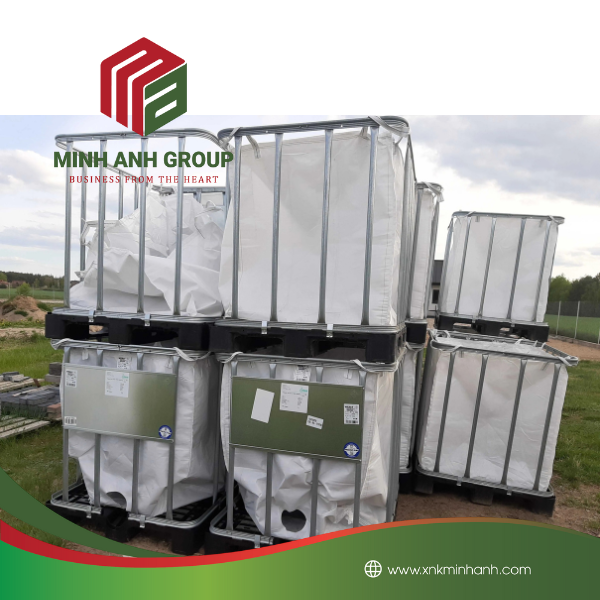
The Future of FIBCs: Jetpacks?
So what’s next for FIBCs? Will they start flying around on jetpacks or come equipped with Wi-Fi? Probably not (but hey, never say never). What’s certain is that these bags will continue to evolve alongside industry needs. Whether it’s stronger materials, smarter designs, or even more sustainable options, the future looks bright for our favorite oversized sacks.
In conclusion, the journey of FIBC bags is proof that even the most mundane objects can have fascinating histories. From their humble beginnings as wartime coal carriers to their current status as industrial MVPs, these bags have truly come a long way. So next time you see one of these giants on a construction site or in a warehouse, give it a little nod of respect – it’s earned it!
Ah, the humble FIBC bag – the unsung hero of the industrial world. You know, those massive, squishy sacks that look like they could double as parachutes for giants or make excellent beanbags if you’re feeling adventurous. But how did these oversized bags go from being a twinkle in someone’s eye to ruling the global packaging game? Buckle up, folks, because we’re about to dive into the surprisingly entertaining history of Flexible Intermediate Bulk Containers (FIBCs). Spoiler alert: It’s more thrilling than you’d expect for a story about bags.
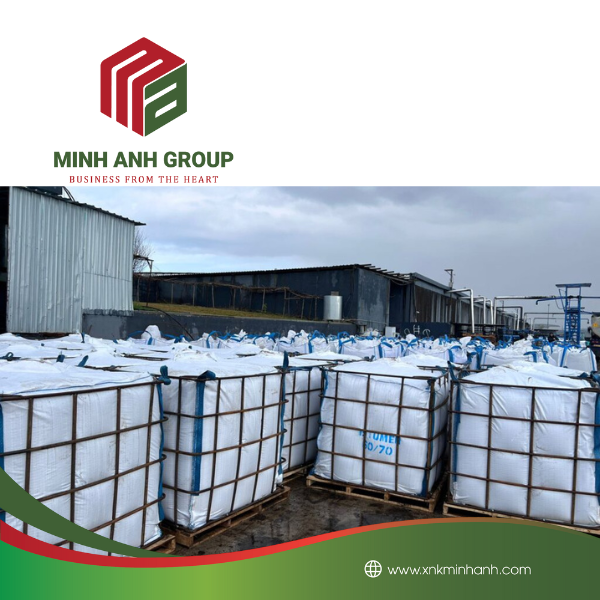
The Birth of the Big Bag
Let’s rewind to the 1940s. World War II was raging, and while humanity was busy inventing radar and jet engines, someone somewhere thought, “You know what the world really needs? Giant bags.” Okay, maybe it didn’t happen exactly like that, but FIBCs were indeed born out of necessity during wartime. Early versions of these bags were made of heavy-duty PVC-coated nylon and were used to transport coal and cement. Nothing screams “glamorous origins” like lugging around coal dust, right?
These early FIBCs were revolutionary for their time. Imagine trying to move hundreds of kilograms of material without them – it would’ve been like trying to carry your groceries home in wet tissue paper. Thanks to these sturdy sacks, industries could finally move bulk materials without breaking a sweat (or their backs).
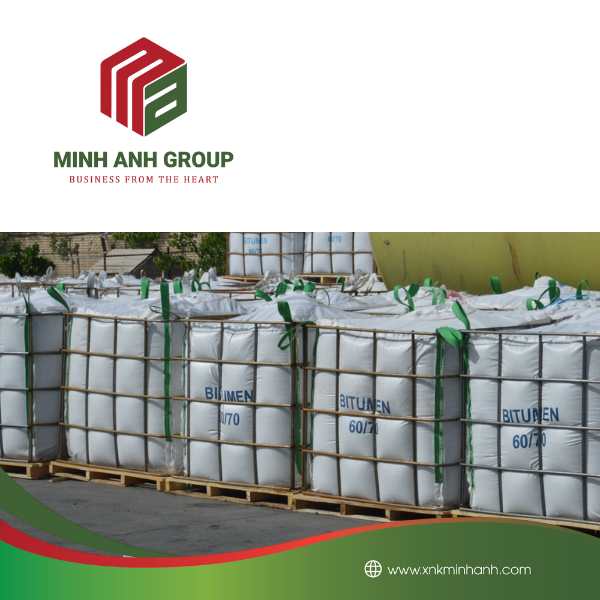
The Swinging ’60s: FIBCs Get Groovy
Fast forward to the 1960s, a decade known for bell-bottoms, flower power, and apparently, bag innovation. This was when FIBCs got their first major makeover. Engineers began experimenting with woven polypropylene fabrics, which were lighter, stronger, and way less prone to looking like sad deflated balloons after use.
It was also around this time that FIBCs started popping up in industries beyond coal and cement. Chemicals, fertilizers, and food products all wanted in on the big bag action. Suddenly, FIBCs weren’t just functional; they were fashionable (well, as fashionable as industrial bags can get).
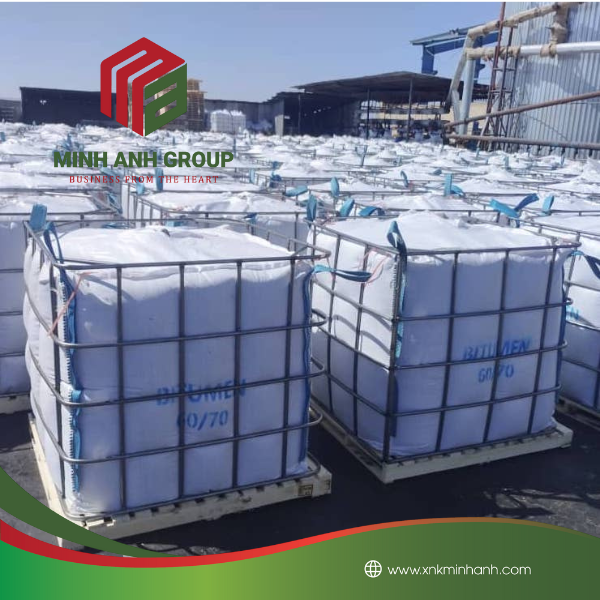
The 1980s: Safety First!
Ah, the ’80s – big hair, neon everything, and an obsession with safety regulations. The FIBC industry wasn’t immune to this trend. As the bags became more popular, people realized that transporting hazardous materials in giant sacks might require a little more than “just winging it.” This led to the development of specialized FIBCs designed to prevent static electricity buildup.
Why was this important? Well, imagine you’re transporting flammable chemicals in a giant bag and someone decides to rub their hands together like they’re starting a campfire. Boom – instant catastrophe. Thanks to anti-static FIBCs, industries could breathe a little easier knowing their products weren’t one spark away from disaster.
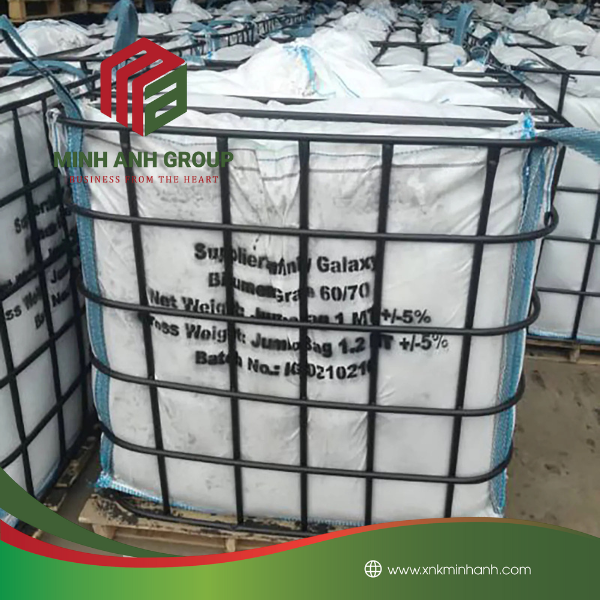
The Global Takeover
By the 1990s and early 2000s, FIBCs had officially gone global. They were everywhere – from construction sites in Dubai to coffee plantations in Brazil. They became the Beyoncé of industrial packaging: universally loved and impossible to replace.
And let’s not forget their versatility. Need a bag that can handle 2 tons of gravel? No problem. Want one that can store food-grade materials without contamination? Easy peasy. Looking for a sack that can survive being dropped from a forklift? Done. FIBCs were like the Swiss Army knives of bulk containers – minus the blades and corkscrews.
FIBCs Today: Bigger, Better, Bulkier
Fast forward to today, and FIBCs are living their best lives. They come in all shapes and sizes – square ones, round ones, ones with spouts, ones with flaps – it’s like Tinder for bags out there. They’re used in industries ranging from agriculture to pharmaceuticals, proving that no matter what you’re hauling, there’s an FIBC for you.
And let’s talk about sustainability because even bags need a PR makeover these days. Modern FIBCs are often designed to be reusable and recyclable, making them a hit with eco-conscious companies. Some manufacturers even offer biodegradable options because nothing says “saving the planet” like a giant sack that can decompose gracefully.
The Future of FIBCs: Jetpacks?
So what’s next for FIBCs? Will they start flying around on jetpacks or come equipped with Wi-Fi? Probably not (but hey, never say never). What’s certain is that these bags will continue to evolve alongside industry needs. Whether it’s stronger materials, smarter designs, or even more sustainable options, the future looks bright for our favorite oversized sacks.
In conclusion, the journey of FIBC bags is proof that even the most mundane objects can have fascinating histories. From their humble beginnings as wartime coal carriers to their current status as industrial MVPs, these bags have truly come a long way. So next time you see one of these giants on a construction site or in a warehouse, give it a little nod of respect – it’s earned it!
Hãy là người đầu tiên nhận xét “The Evolution of FIBC Bags: From Concept to Global Adoption”
Sản phẩm tương tự

Tin Tức Bao Bì

Tin Tức Bao Bì


Tin Tức Bao Bì

Tin Tức Bao Bì

Tin Tức Bao Bì


Tin Tức Bao Bì
Food Cling Film: Outstanding Advantages in Food Preservation


Đánh giá
Chưa có đánh giá nào.