
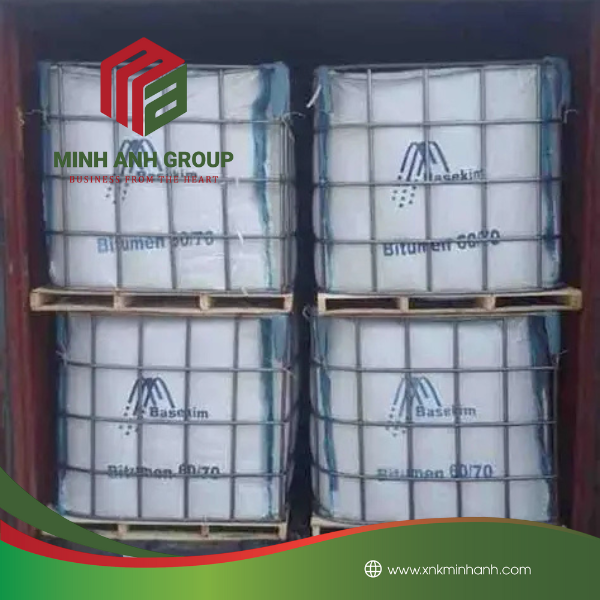
Ah, FIBC bags, those large, sturdy sacks that can carry everything from sand to sugar without breaking a sweat. Known formally as Flexible Intermediate Bulk Containers, these industrial workhorses are the unsung heroes of logistics and storage. But, like every hero, they have their flaws. Today, we’re diving into the environmental impact of FIBC bags, because let’s face it: even superheroes need an eco-audit.
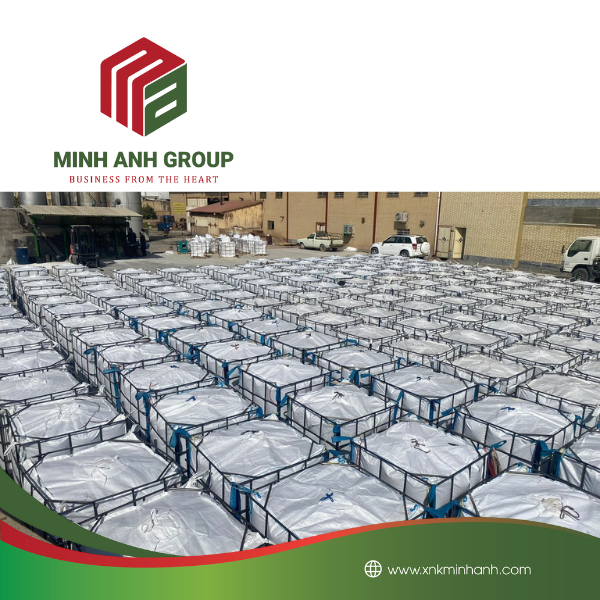
What Are FIBC Bags Made Of?
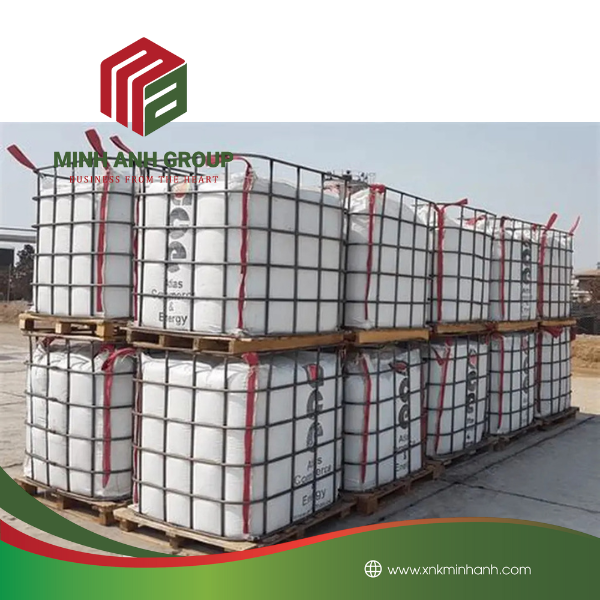
First things first: FIBC bags are typically made from woven polypropylene, a type of plastic that’s durable, lightweight, and, brace yourself, non-biodegradable. Yes, these bags are basically immortal in the eyes of Mother Nature. While that’s great news for your warehouse operations, it’s not exactly music to the ears of environmentalists.
Polypropylene is derived from petroleum, which means that every FIBC bag starts its life as a tiny contribution to fossil fuel consumption. And while these bags can be reused multiple times (a point in their favor), their eventual disposal presents a problem. Burning them releases harmful chemicals into the air, and dumping them in landfills means they’ll be sticking around longer than your favorite TV series.
The Good News: Reusability
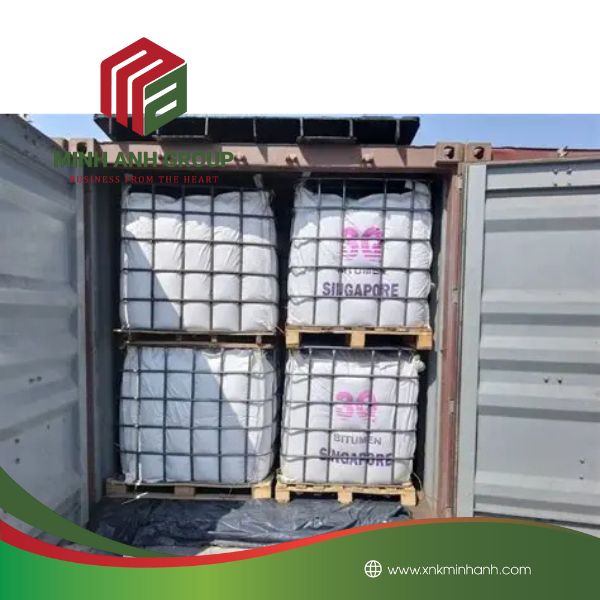
Before we get too gloomy, let’s talk about the silver lining, or should I say the polypropylene lining? One of the most redeeming qualities of FIBC bags is their reusability. These bags are built to last, and with proper care, they can be reused dozens of times. This reduces the need for single-use packaging materials like cardboard boxes or paper sacks, which often have a higher carbon footprint due to production and transportation.
Some companies even offer recycling programs for FIBC bags, turning old sacks into new ones or repurposing them into other products. It’s like reincarnation but for packaging, who wouldn’t want to come back as a stylish tote bag?
The Bad News: Microplastics
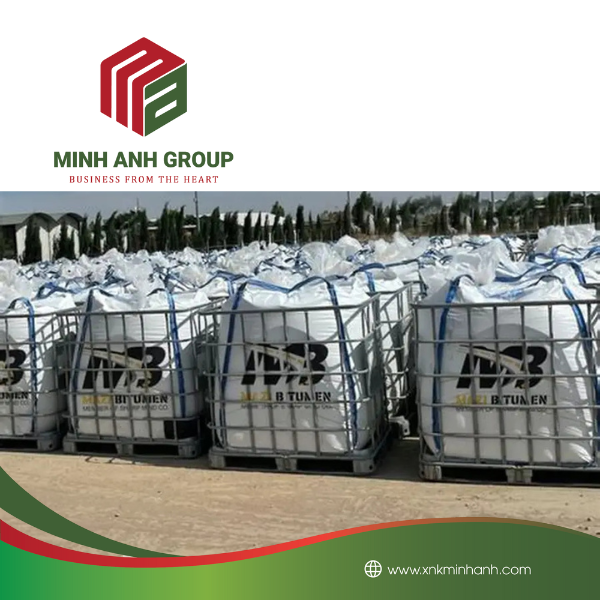
Now, here’s where things get tricky. Over time, polypropylene can break down into microplastics. These tiny particles are like glitter: they get everywhere and never truly disappear. Microplastics often end up in soil and waterways, where they can wreak havoc on ecosystems and even enter the food chain. So while your old FIBC bag might not be sitting in a landfill anymore, its microscopic remnants could be mingling with marine life.
Transportation and Carbon Footprint
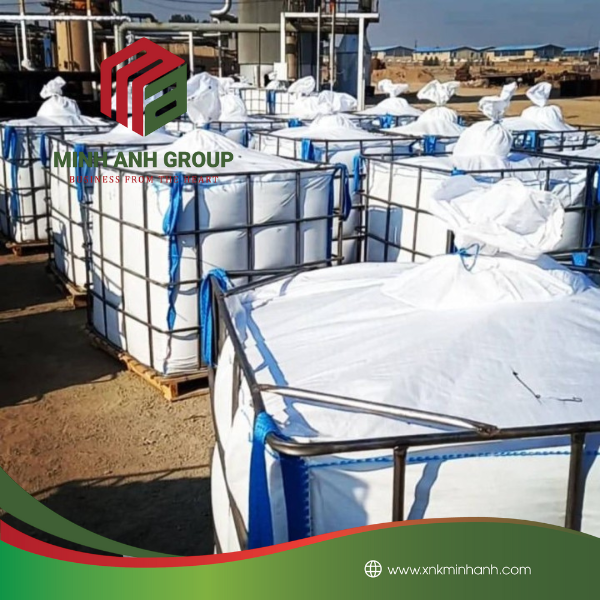
Another aspect to consider is the transportation of FIBC bags. Because they’re lightweight and compact when empty, they require less fuel to transport compared to heavier alternatives like steel drums or wooden crates. This is a win for reducing greenhouse gas emissions during shipping.
However, most FIBC bags are manufactured overseas in countries like India or China. The carbon footprint of shipping these bags halfway across the globe can’t be ignored. Unless you’re buying locally-produced FIBCs (a rarity), your eco-friendly intentions might be offset by the environmental cost of international logistics.
Alternatives: Are They Any Better?
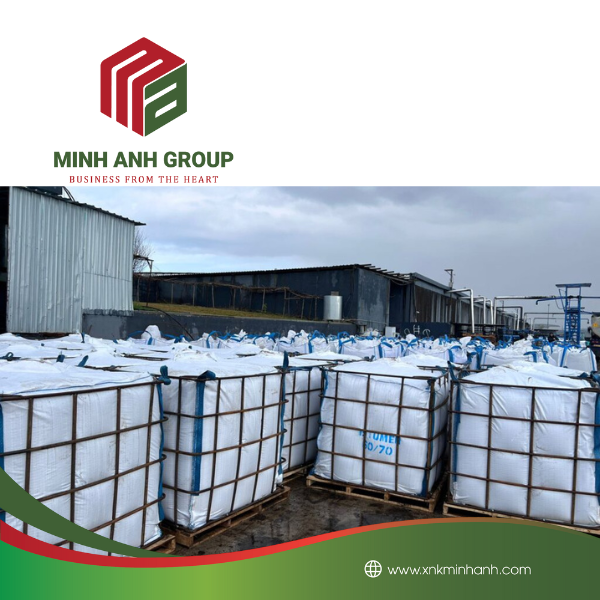
If you’re looking for alternatives to FIBC bags, you’ll find options like jute sacks, paper bags, or even biodegradable plastics. But let’s not kid ourselves, none of these are perfect. Jute sacks are biodegradable but less durable; paper bags tear easily and require deforestation; and biodegradable plastics often need specific conditions to break down properly.
In many cases, the environmental impact of producing these alternatives can be higher than sticking with polypropylene. It’s a classic case of “pick your poison,” and FIBC bags might just be the least toxic option in certain scenarios.
What Can We Do?
So, what’s the takeaway here? Should we stage a mass boycott of FIBC bags? Probably not. Instead, we should focus on smarter usage and disposal practices. Here are a few ideas:
1. Reuse Them: Treat your FIBC bags like your favorite pair of jeans, use them until they absolutely can’t be used anymore.
2. Recycle Them: Look for companies that offer recycling programs for polypropylene products. Your old bag could live on as something new.
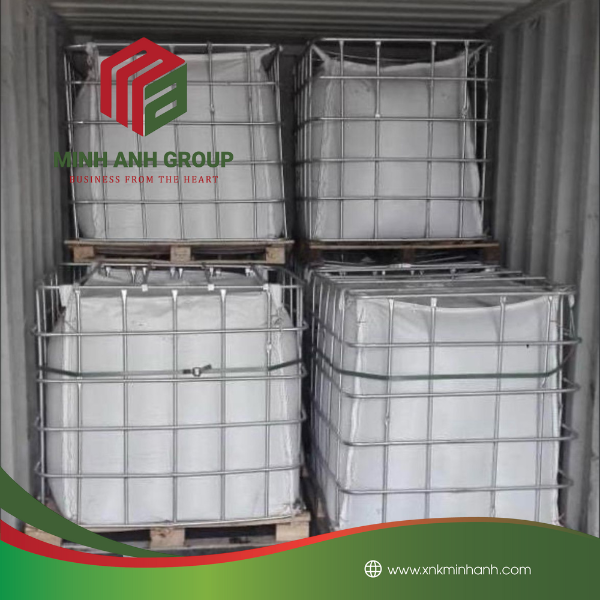
3. Buy Locally: If possible, source your FIBC bags from local manufacturers to cut down on shipping-related emissions.
4. Explore Alternatives: For smaller or less demanding applications, consider using eco-friendly packaging materials that align with your sustainability goals.
FIBC bags are a bit like that friend who’s great at parties but terrible at texting back, they have their strengths and weaknesses. On one hand, they’re durable, reusable, and efficient; on the other hand, their non-biodegradable nature and microplastic potential make them an environmental headache.
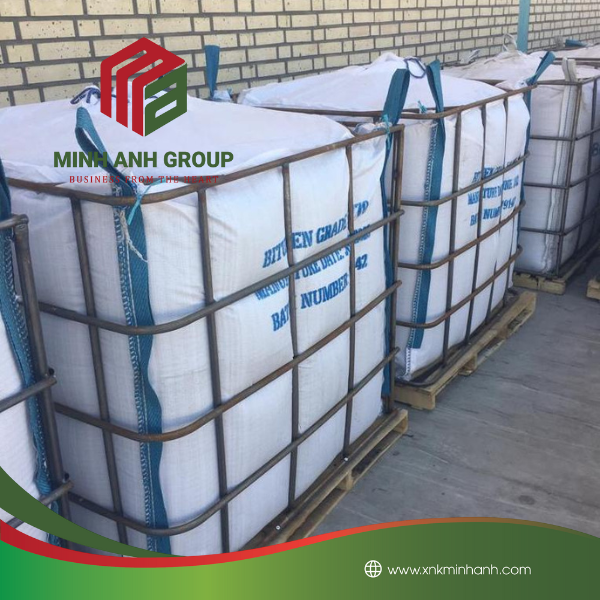
The key is balance. By using these bags responsibly and exploring recycling options, we can minimize their impact while still benefiting from their practicality. After all, no packaging solution is perfect, so let’s work with what we’ve got and aim for progress over perfection.
And hey, if all else fails, maybe we can turn old FIBC bags into furniture or avant-garde fashion statements. Who says sustainability can’t be stylish?
Hãy là người đầu tiên nhận xét “The Environmental Impact of FIBC Bags: A Comprehensive Analysis”
Sản phẩm tương tự

Tin Tức Bao Bì

Tin Tức Bao Bì

Tin Tức Bao Bì

Tin Tức Bao Bì

Tin Tức Bao Bì

Tin Tức Bao Bì

Tin Tức Bao Bì

Tin Tức Bao Bì


Đánh giá
Chưa có đánh giá nào.