

The Benefits of Polypropylene Sacks Manufacturer in the Industry


Polypropylene sacks, also known as polypropylene bags, have become an essential part of various industries due to their numerous benefits and versatile applications. These sacks are made from polypropylene, a thermoplastic polymer that is known for its exceptional properties such as high tensile strength, chemical resistance, and durability. In the industry, polypropylene sacks are widely used for packaging, transportation, and storage of a wide range of products including agricultural produce, chemicals, minerals, and construction materials. This article will explore the benefits of polypropylene sacks in the industry and how they contribute to efficient and sustainable operations.
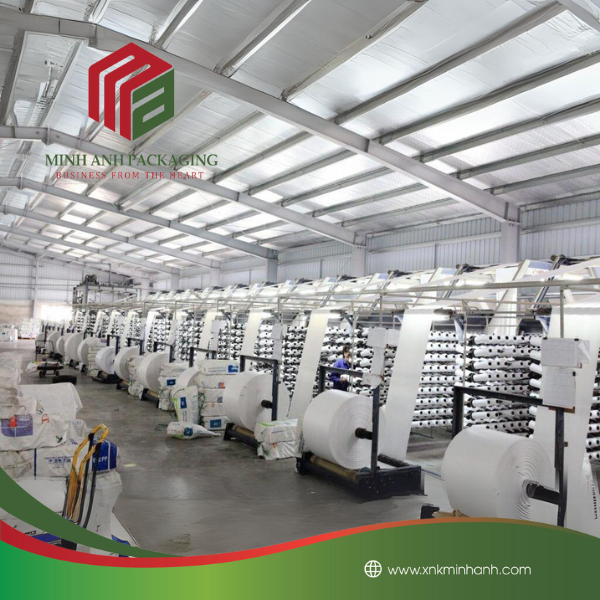
One of the key benefits of polypropylene sacks is their strength and durability. These sacks are capable of withstanding heavy loads and rough handling, making them suitable for the transportation and storage of heavy or bulky products. The high tensile strength of polypropylene ensures that the sacks can hold their contents securely without tearing or breaking, providing reliable protection for the packaged goods.
Additionally, polypropylene sacks offer excellent resistance to moisture, chemicals, and UV radiation. This makes them ideal for outdoor storage and transportation, as they can withstand exposure to harsh weather conditions and environmental factors. The chemical resistance of polypropylene also ensures that the sacks can safely contain and transport a wide variety of products without the risk of contamination or degradation.
Furthermore, polypropylene sacks are lightweight and easy to handle, which contributes to cost-effective transportation and logistics. Their lightweight nature helps to reduce the overall weight of the packaged goods, leading to lower shipping costs and improved fuel efficiency. Moreover, the ease of handling polypropylene sacks simplifies the loading and unloading process, saving time and labor during operations.
In addition to their physical properties, polypropylene sacks are also highly customizable, allowing for branding, labeling, and printing options. This makes them an effective tool for product promotion and marketing, as companies can showcase their logos, product information, and branding messages directly on the sacks. Customized polypropylene sacks not only serve as functional packaging solutions but also as a means of enhancing brand visibility and recognition.
From an environmental perspective, polypropylene sacks offer sustainable benefits compared to traditional packaging materials. Polypropylene is a recyclable material, and many polypropylene sacks are manufactured using recycled content, contributing to the circular economy and reducing the consumption of virgin resources. Additionally, the durability of polypropylene sacks prolongs their lifespan, leading to fewer replacements and reduced waste generation.
Moreover, the versatility of polypropylene sacks extends to their ability to be reused or repurposed for secondary applications. Once their primary use is complete, polypropylene sacks can be cleaned and reused for storage or transportation, reducing the need for single-use packaging and minimizing environmental impact. Alternatively, they can be repurposed for various creative or functional uses, showcasing the potential for innovative recycling and upcycling initiatives.
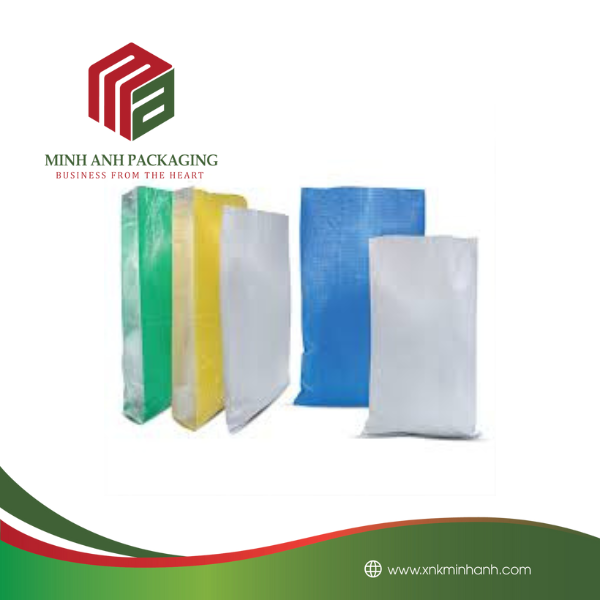
In conclusion, polypropylene sacks play a crucial role in the industry by offering a wide range of benefits including strength, durability, resistance to environmental factors, customization options, and sustainability. As businesses continue to prioritize efficiency, cost-effectiveness, and environmental responsibility, the use of polypropylene sacks is expected to grow across diverse sectors. By leveraging the advantages of polypropylene sacks, industries can optimize their packaging and logistics processes while contributing to sustainable practices.

Hãy là người đầu tiên nhận xét “The Benefits of Polypropylene Sacks Manufacturer in the Industry”
Sản phẩm tương tự

Tin Tức Bao Bì

Tin Tức Bao Bì

Tin Tức Bao Bì


Tin Tức Bao Bì


Đánh giá
Chưa có đánh giá nào.