

How to Ensure Proper Loading of FIBC Bags
Flexible Intermediate Bulk Containers (FIBCs), commonly referred to as bulk bags or jumbo bags, are widely used across industries for the storage and transportation of dry, flowable materials such as grains, chemicals, construction materials, and more. Proper loading of FIBC bags is crucial not only for maintaining the integrity of the bag but also for ensuring safety during handling, transportation, and storage. Improper loading can lead to product loss, damage to the bag, or even accidents. This article outlines the best practices and key considerations for ensuring the proper loading of FIBC bags.
Flexible Intermediate Bulk Containers (FIBCs), commonly referred to as bulk bags or jumbo bags, are widely used across industries for the storage and transportation of dry, flowable materials such as grains, chemicals, construction materials, and more. Proper loading of FIBC bags is crucial not only for maintaining the integrity of the bag but also for ensuring safety during handling, transportation, and storage. Improper loading can lead to product loss, damage to the bag, or even accidents. This article outlines the best practices and key considerations for ensuring the proper loading of FIBC bags.

1. Understand the Specifications of the FIBC Bag
Before loading begins, it is essential to understand the specifications and limitations of the FIBC bag being used. Each bag is designed for specific applications and has distinct characteristics such as:
– Safe Working Load (SWL): This indicates the maximum weight the bag can safely hold. Exceeding this limit can compromise the bag’s structural integrity.
– Safety Factor (SF): Most FIBCs are designed with a safety factor of 5:1 or 6:1, meaning they can withstand up to five or six times their SWL during testing.
– Bag Design: FIBCs come in various designs, such as U-panel bags, circular bags, or baffle bags. The design impacts how the bag holds its shape when filled and how it should be loaded.
– Material Compatibility: Ensure that the bag is compatible with the material being loaded. For example, some bags are coated or lined to prevent moisture ingress or leakage of fine powders.
Always refer to the manufacturer’s guidelines and specifications before use.

2. Inspect the Bag Before Use
Before loading any material into an FIBC bag, conduct a thorough inspection to ensure it is free from defects. Look for signs of wear and tear, such as frayed loops, punctures, or weakened seams. Using a compromised bag increases the risk of failure during handling.

3. Prepare the Loading Area
A well-organized and safe loading area is critical for efficient operations. Follow these steps to prepare the loading environment:
– Flat and Stable Surface: Place the FIBC on a clean, flat, and stable surface to ensure even weight distribution during filling.
– Proper Equipment: Use appropriate equipment such as forklifts, cranes, or hoists to handle the bag. Ensure that lifting devices are compatible with the bag’s loops or sleeves.
– Adequate Space: Allow sufficient space around the loading area for workers and machinery to operate safely.
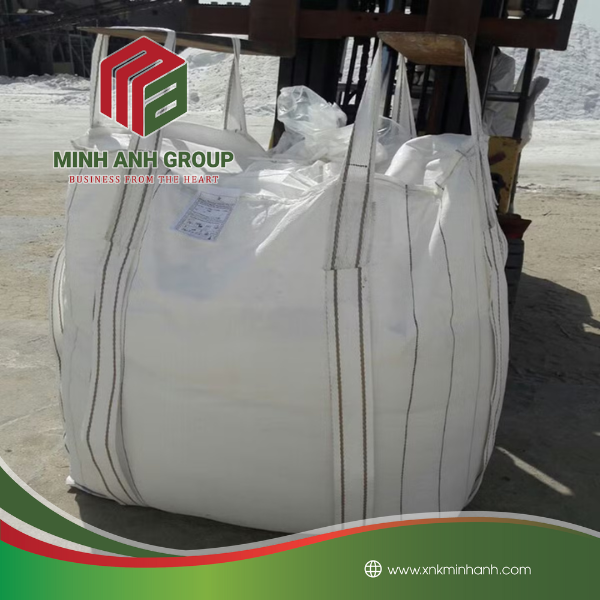
4. Use a Secure Filling Station
Filling stations or frames are designed to hold FIBC bags securely during loading. They help maintain the bag’s shape and prevent tipping or collapsing. Attach the bag’s lifting loops to the filling station hooks to keep it upright and stable.
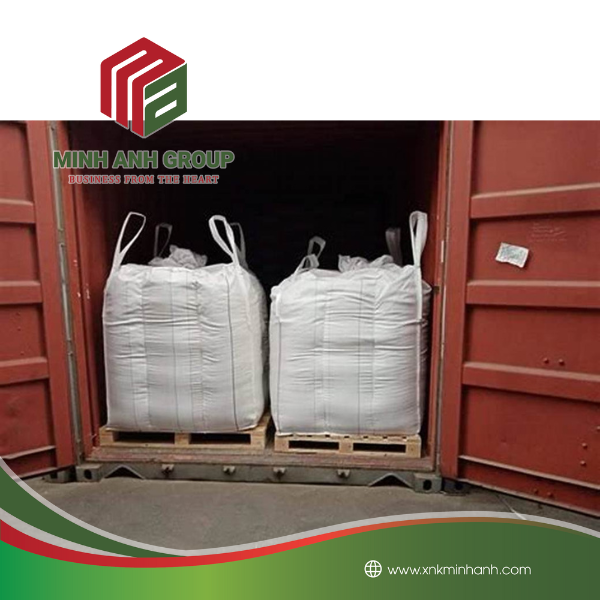
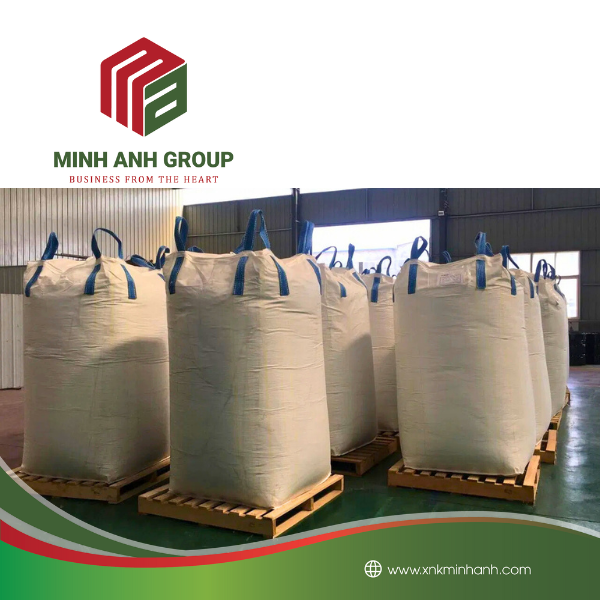
5. Load Material Evenly
Uneven loading can cause instability in the bag, making it prone to tipping or tearing during transport. To ensure even loading:
– Center the Material: Always pour material into the center of the bag to distribute weight evenly.
– Monitor Fill Levels: Use visual markers or sensors to monitor fill levels and avoid overfilling.
– Shake or Vibrate: If necessary, gently shake or vibrate the bag during filling to help settle the material and eliminate air pockets.
6. Avoid Overfilling
Overfilling an FIBC bag can exceed its SWL and compromise its safety. It may also make handling more difficult and increase the risk of spillage. Always adhere to the recommended fill level specified by the manufacturer.

7. Secure Closures Properly
Once the bag is filled, secure its closure system properly to prevent leakage or contamination. Common closure methods include:
– Drawstring Closures: Pull the drawstring tightly and knot it securely.
– Spout Closures: Fold and tie off spouts using straps or bands.
– Zipper Closures: Ensure zippers are fully closed for a tight seal.
Properly securing closures is especially important when transporting fine powders or materials sensitive to moisture.
8. Handle Bags with Care
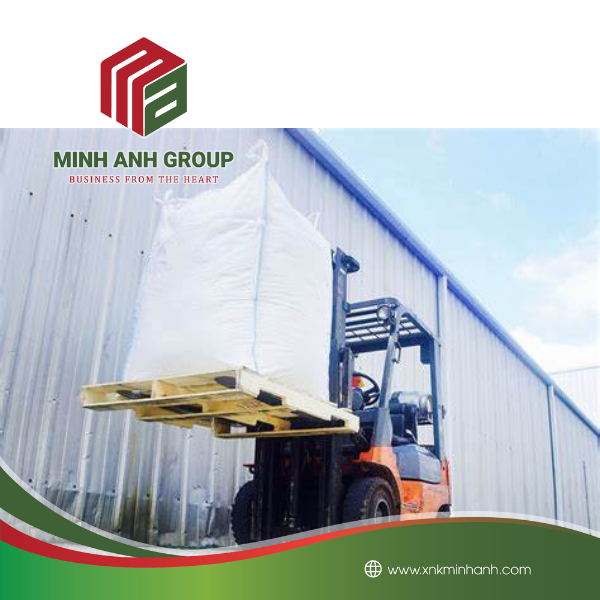
Improper handling can damage a perfectly loaded FIBC bag. Follow these guidelines for safe handling:
– Use Correct Equipment: Always use equipment designed for FIBCs, such as forklifts with rounded tines or cranes with soft slings.
– Lift by Loops: Never lift a bag by its fabric body; always use its designated lifting loops.
– Avoid Dragging: Dragging a filled bag across rough surfaces can cause abrasion and weaken its structure.
9. Conduct Regular Training for Workers
Proper training ensures that workers understand how to handle FIBCs safely and efficiently. Training should cover:
– Reading and understanding manufacturer guidelines.
– Inspecting bags before use.
– Using appropriate lifting and handling techniques.
– Recognizing potential hazards during loading and transport.
Well-trained workers are less likely to make errors that could compromise safety or efficiency.
10. Adhere to Industry Standards
Compliance with industry standards is essential for ensuring safety and quality when using FIBC bags. Some key standards include:
– ISO 21898: This international standard specifies requirements for FIBCs used for non-dangerous goods.
– UN Certification: For hazardous materials, use UN-certified FIBCs that meet specific testing requirements.

Always ensure that your operations align with applicable regulations and standards in your region.
Proper loading of FIBC bags is a critical step in ensuring safe and efficient material handling. By understanding bag specifications, inspecting bags before use, preparing a secure loading area, and adhering to best practices during filling and handling, you can minimize risks and maximize productivity. Remember that safety should always be a top priority—invest in quality bags, proper equipment, and worker training to achieve optimal results.
By following these guidelines, you can ensure that your FIBC operations run smoothly while protecting both your workforce and your materials.
Hãy là người đầu tiên nhận xét “How to Ensure Proper Loading of FIBC Bags”
Sản phẩm tương tự

Tin Tức Bao Bì

Tin Tức Bao Bì


Tin Tức Bao Bì

Tin Tức Bao Bì

Tin Tức Bao Bì

Tin Tức Bao Bì

Tin Tức Bao Bì


Đánh giá
Chưa có đánh giá nào.