
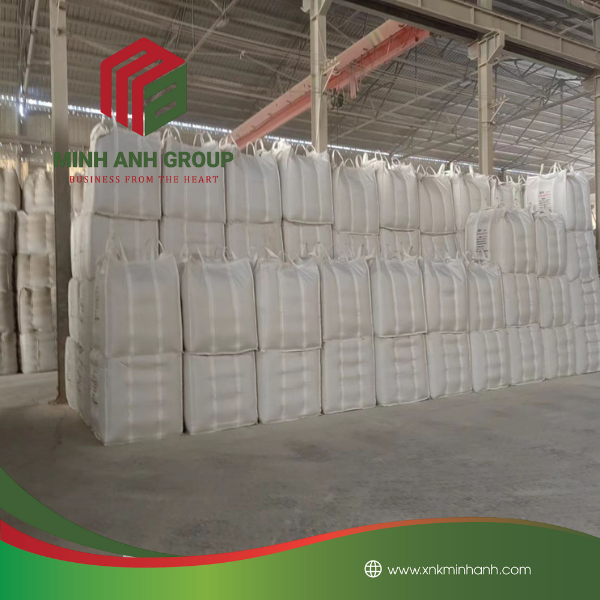
AI-Optimized FIBC Designs: Reducing Material Waste by 37% Through Algorithms”

Let’s be real—most people don’t wake up in the morning thinking about bulk containers. But here’s why you should care: This isn’t just about bags. It’s about using technology to solve real-world problems in creative ways. By reducing material waste in FIBC production, we’re taking a small but important step toward a more sustainable future. And if AI can optimize something as seemingly mundane as a giant sack, imagine what else it can do. Self-folding laundry? A dishwasher that loads itself? The possibilities are endless.
Ladies and gentlemen, gather ’round, because we’re about to talk about something that will blow your socks off—or at least your packaging. That’s right, we’re diving into the world of FIBCs (Flexible Intermediate Bulk Containers). Wait, don’t leave yet! I promise this is more exciting than it sounds. We’re talking about artificial intelligence, fancy algorithms, and saving the planet—all while reducing material waste by a whopping 37%. Who knew big bags could be so high-tech?
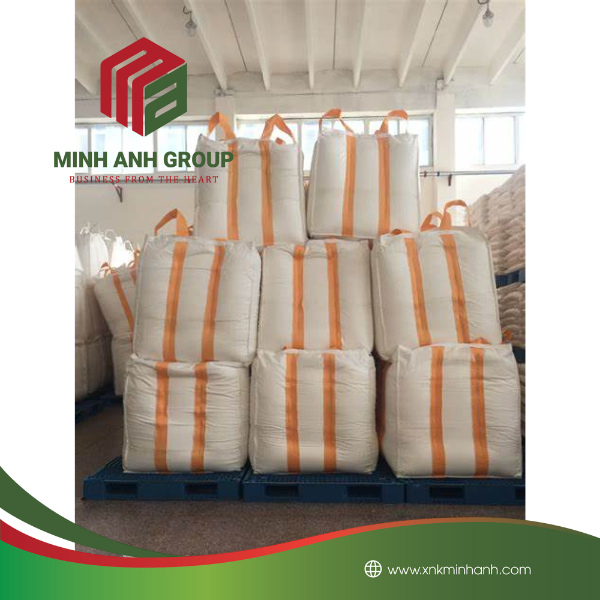
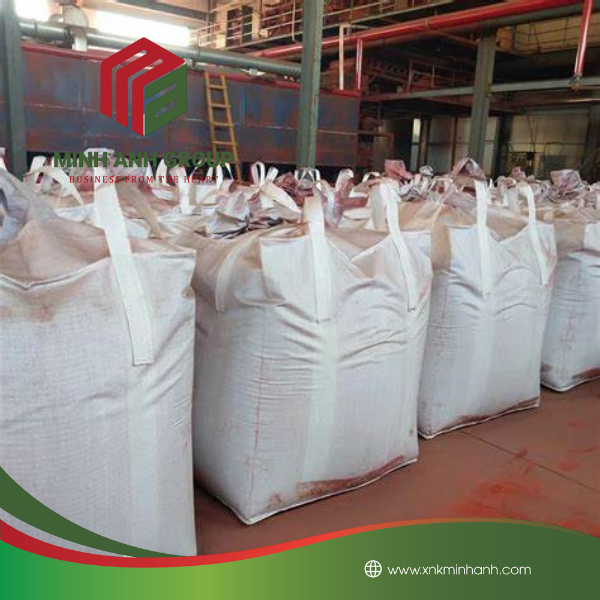
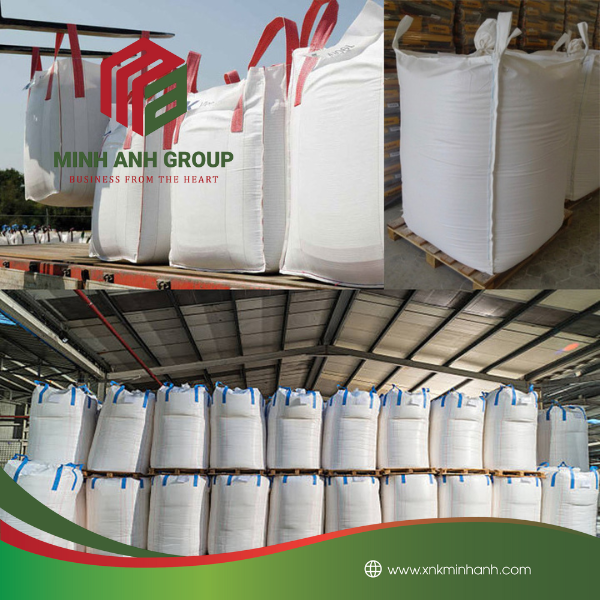
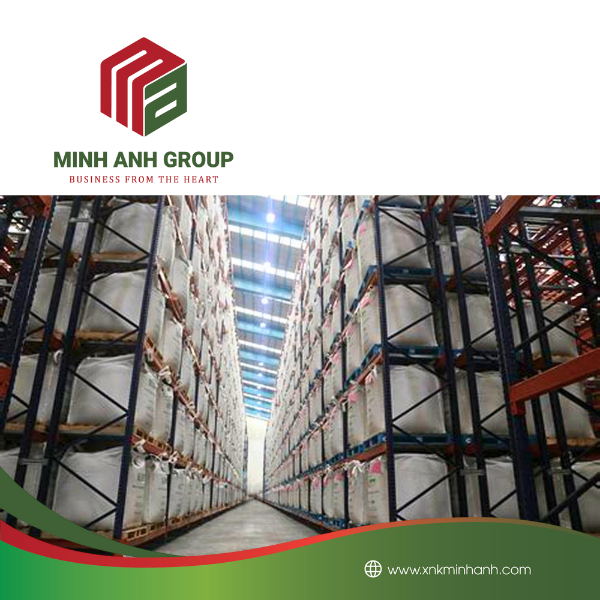
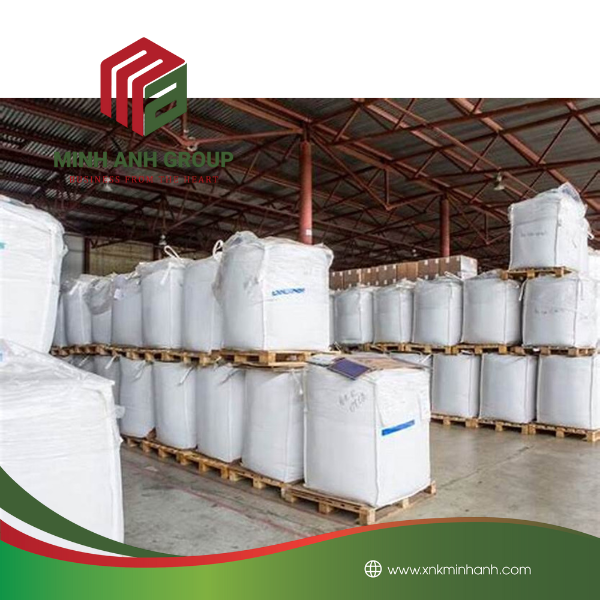
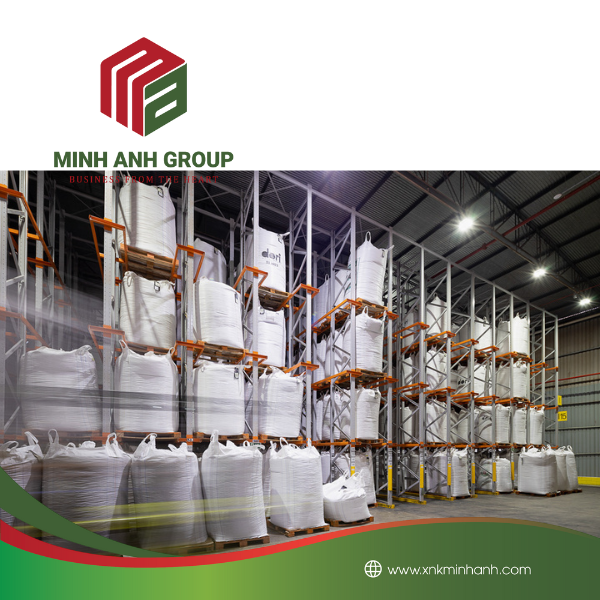
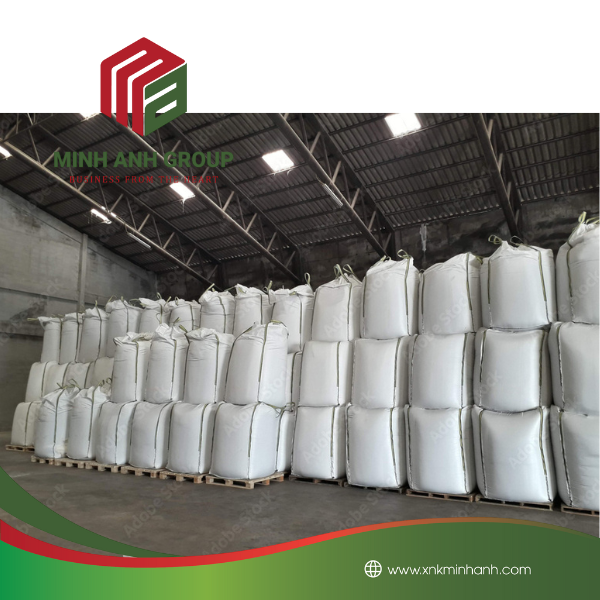
First off, let’s address the elephant in the room: What on Earth is an FIBC? Great question! An FIBC is essentially a giant, glorified bag used to transport bulk materials like sand, grains, or, if you’re feeling fancy, glitter. Think of it as the superhero of the packaging world—strong, flexible, and capable of carrying up to 2,000 pounds without breaking a sweat. But even superheroes need a sidekick, and in this case, AI has swooped in to save the day.
The Problem: Too Much Bag, Not Enough Brains
For years, FIBCs have been doing their job like your overly enthusiastic coworker who insists on carrying all the groceries in one trip. Sure, they get the job done, but at what cost? Traditional FIBC designs often use more material than necessary, leading to waste. And let’s face it—nobody likes waste. It’s bad for the environment, bad for business, and bad for those of us who feel personally attacked every time we throw away a plastic straw.
Enter AI. Like a nerdy kid who just got invited to sit with the cool kids at lunch, artificial intelligence has revolutionized the packaging game. By using algorithms to optimize FIBC designs, we can now create bags that use less material without sacrificing strength or durability. It’s like going on a diet but still eating pizza—everyone wins.
How Does It Work? (Spoiler: It’s Magic)
Okay, it’s not *technically* magic, but it might as well be. AI algorithms analyze every aspect of an FIBC’s design, from the type of fabric used to the way it’s stitched together. Think of it as a personal trainer for your bag, except instead of yelling at it to do more squats, the AI figures out how to make it leaner and meaner.
Here’s the fun part: The AI doesn’t just stop at analyzing. It also simulates different scenarios to test the bag’s performance. Will it hold up under pressure? Can it survive being dropped from a forklift? What happens if you fill it with marshmallows instead of gravel? The AI runs all these tests (and probably more) in a virtual environment, so by the time the bag is actually manufactured, it’s already been through the wringer.
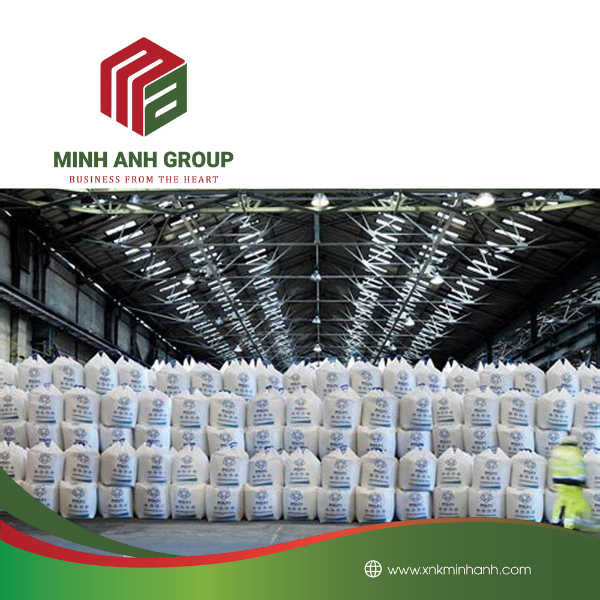
The result? A bag that uses 37% less material but still gets the job done like a champ. It’s lighter, cheaper to produce, and easier to transport. Plus, it makes you look super eco-friendly, which is always a bonus.
Why Should You Care? (Besides the Fact That It’s Cool)
Let’s be real—most people don’t wake up in the morning thinking about bulk containers. But here’s why you should care: This isn’t just about bags. It’s about using technology to solve real-world problems in creative ways. By reducing material waste in FIBC production, we’re taking a small but important step toward a more sustainable future. And if AI can optimize something as seemingly mundane as a giant sack, imagine what else it can do. Self-folding laundry? A dishwasher that loads itself? The possibilities are endless.
Plus, there’s something inherently satisfying about knowing that even the most unglamorous industries are getting a high-tech makeover. Who says packaging can’t be sexy?
The Future of FIBCs: Smarter, Greener, and Maybe Even Self-Aware?
As AI continues to evolve, so will FIBC designs. We’re already seeing innovations like bags with built-in sensors that can monitor temperature and humidity levels. (Yes, your bag might soon be smarter than your thermostat.) And who knows? Maybe one day we’ll have self-repairing bags or ones that can transform into umbrellas when it rains. Okay, that last one might be a stretch, but you get the idea.
In the meantime, let’s take a moment to appreciate how far we’ve come. Thanks to AI-optimized designs, we’re not just saving money and resources—we’re also proving that even the most ordinary objects can benefit from a little technological TLC.
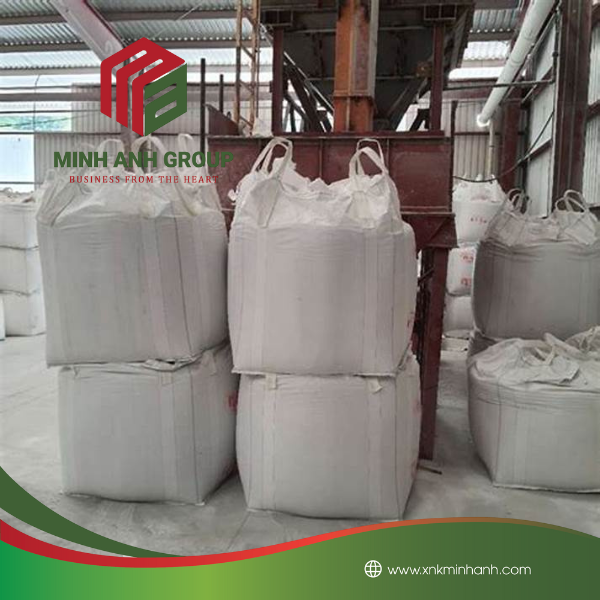
So here’s to FIBCs: the unsung heroes of the industrial world. May they continue to carry our sand, our glitter, and our hopes for a better future—one algorithm at a time. And may we never take them for granted again.
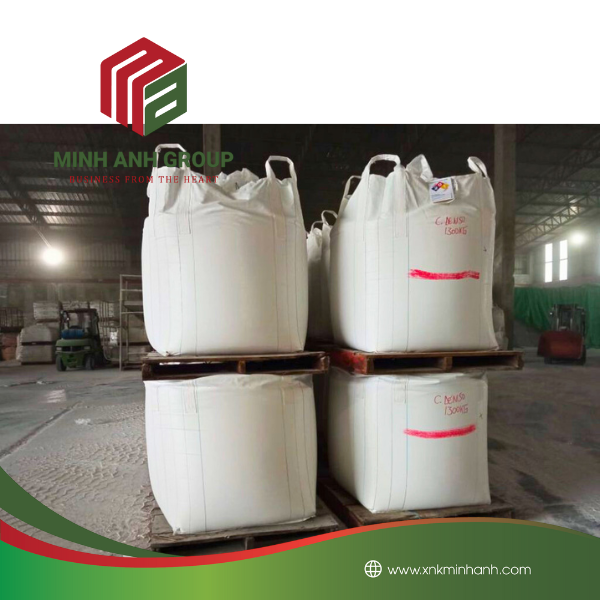
Now if you’ll excuse me, I’m off to see if AI can optimize my snack bag so I stop spilling chips everywhere.
Hãy là người đầu tiên nhận xét “AI-Optimized FIBC Designs: Reducing Material Waste by 37% Through Algorithms””
Sản phẩm tương tự


Tin Tức Bao Bì


Tin Tức Bao Bì


Tin Tức Bao Bì


Đánh giá
Chưa có đánh giá nào.