
Plastic Granules: A Comprehensive Guide


Plastic granules are used in a wide range of applications across various industries. In the packaging industry, they are used to produce plastic bags, containers, and bottles. In the automotive industry, they are used to manufacture interior and exterior components such as dashboards, bumpers, and trims. In the construction industry, they are used to produce pipes, fittings, and profiles. Additionally, plastic granules are also used in the production of household items, toys, medical devices, and electronic goods.
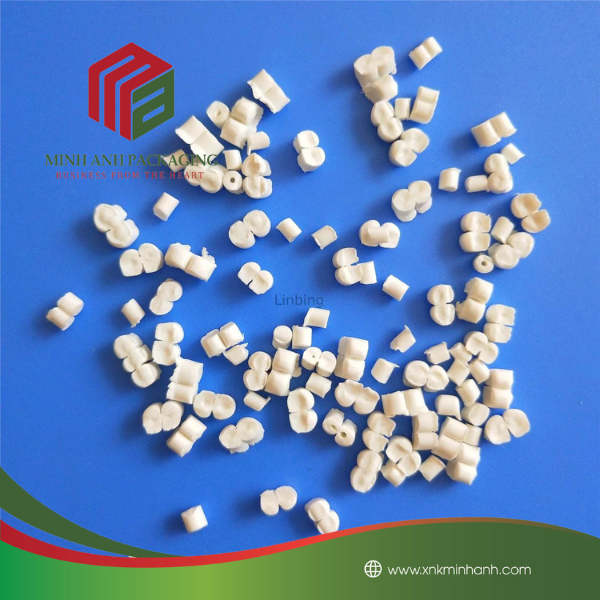
Plastic granules are small, free-flowing particles that are used as raw material in the manufacturing of plastic products. They are typically made from a variety of plastic resins such as polyethylene (PE), polypropylene (PP), polyvinyl chloride (PVC), and polystyrene (PS). These granules play a crucial role in the plastic industry, serving as the building blocks for a wide range of consumer and industrial goods.
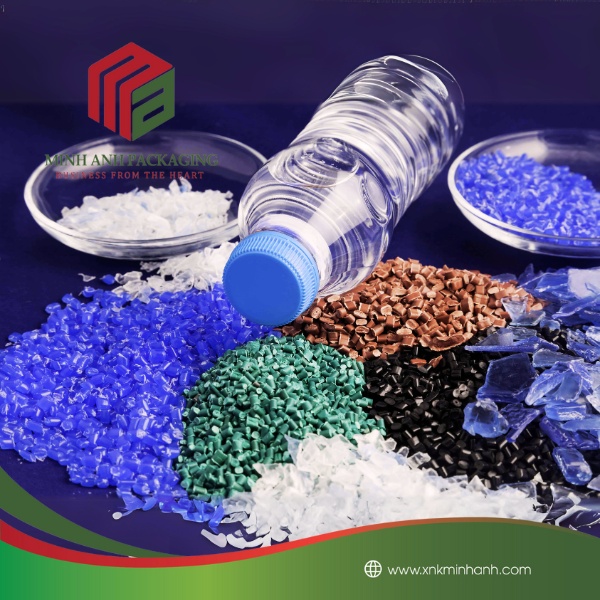
The production of plastic granules involves several key steps. The first step is the collection of plastic waste, which can come from various sources such as post-consumer recycling, industrial scrap, and post-industrial waste. This collected plastic waste is then sorted and cleaned to remove any contaminants such as dirt, metal, or other non-plastic materials.
Once the plastic waste has been sorted and cleaned, it is then processed through a series of machines to be shredded into small pieces. These shredded pieces are then melted and formed into small pellets or granules using extrusion or injection molding processes. The resulting plastic granules are then cooled and solidified before being packaged and shipped to manufacturers for further processing.
Plastic granules are used in a wide range of applications across various industries. In the packaging industry, they are used to produce plastic bags, containers, and bottles. In the automotive industry, they are used to manufacture interior and exterior components such as dashboards, bumpers, and trims. In the construction industry, they are used to produce pipes, fittings, and profiles. Additionally, plastic granules are also used in the production of household items, toys, medical devices, and electronic goods.
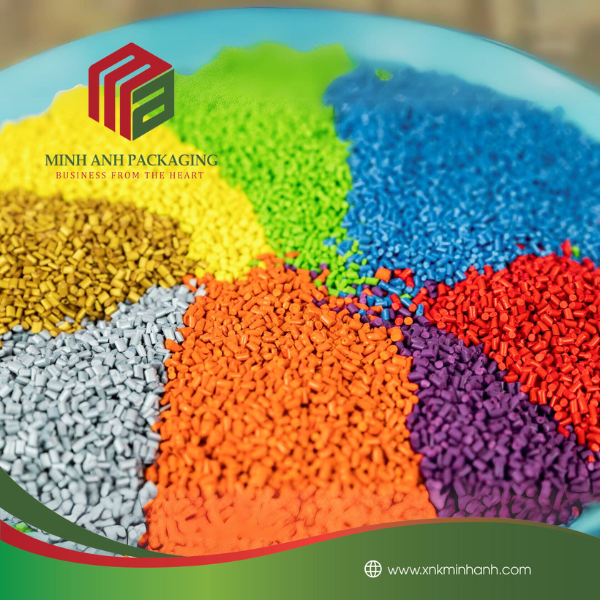
The use of plastic granules offers several advantages. Firstly, they provide a cost-effective raw material for manufacturers, as they can be produced from recycled plastic waste. This helps in reducing the demand for virgin plastic resin and contributes to environmental sustainability. Secondly, plastic granules offer versatility in terms of properties and colors, allowing manufacturers to create a wide range of products with different specifications. Furthermore, plastic granules exhibit excellent durability, chemical resistance, and thermal stability, making them suitable for various applications.
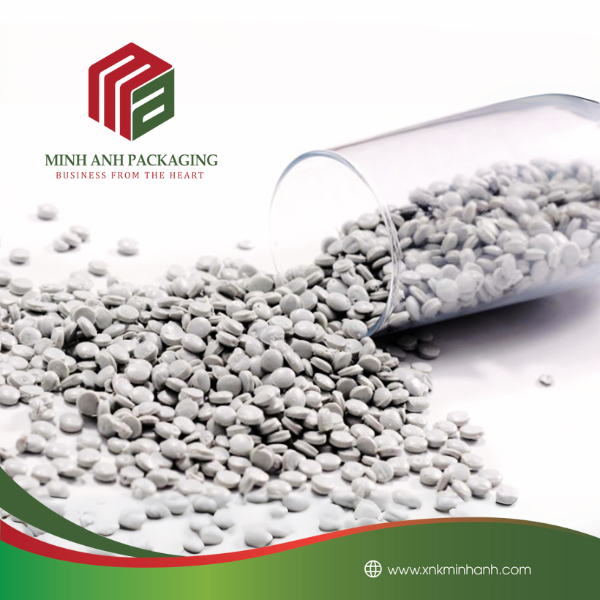
Despite their numerous advantages, the use of plastic granules also presents certain challenges. One of the primary challenges is the environmental impact of plastic waste. Improper disposal of plastic products made from granules can lead to pollution of land and water bodies. Additionally, the production and processing of plastic granules can contribute to greenhouse gas emissions and energy consumption. Furthermore, there is growing concern about the potential health risks associated with exposure to certain chemicals used in the production of plastic granules.
To address these challenges, various regulations and standards have been put in place to govern the production, use, and disposal of plastic granules. These regulations aim to promote sustainable practices in the plastic industry by encouraging recycling, reducing waste generation, and minimizing environmental impact. Additionally, there is increasing emphasis on the development of biodegradable and compostable alternatives to traditional plastic granules to mitigate their environmental footprint.
Looking ahead, the future of plastic granules lies in the development of innovative technologies and materials that prioritize sustainability and circularity. This includes advancements in recycling processes, the use of bio-based plastics, and the adoption of eco-friendly manufacturing practices. Furthermore, there is a growing trend towards product design for recyclability and the implementation of extended producer responsibility programs to ensure proper management of plastic waste.

In conclusion, plastic granules play a vital role in the plastics industry and have widespread applications across various sectors. While they offer numerous benefits in terms of cost-effectiveness and versatility, it is important to address the environmental and health concerns associated with their production and use. By embracing sustainable practices and fostering innovation, the plastic industry can work towards a more sustainable future for plastic granules and their applications.
Hãy là người đầu tiên nhận xét “Plastic Granules: A Comprehensive Guide”
Sản phẩm tương tự

Tin Tức Bao Bì


Tin Tức Bao Bì

Tin Tức Bao Bì

Tin Tức Bao Bì


Tin Tức Bao Bì


Đánh giá
Chưa có đánh giá nào.