

Exploring the Market for Plastic Granules


As the demand for plastic products continues to rise, the market for plastic granules is also experiencing significant growth and evolution. In this article, we will explore the current state of the market for plastic granules, including key trends, challenges, and opportunities.
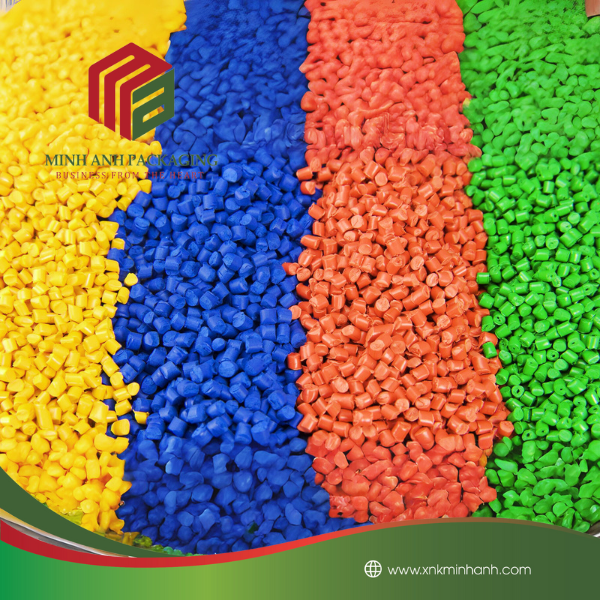
Plastic granules are a fundamental component in the production of various plastic products. These small, pellet-like materials serve as the raw material for manufacturing a wide range of plastic goods, including packaging materials, automotive parts, construction materials, and consumer products. As the demand for plastic products continues to rise, the market for plastic granules is also experiencing significant growth and evolution. In this article, we will explore the current state of the market for plastic granules, including key trends, challenges, and opportunities.

The global market for plastic granules is witnessing robust growth, driven by increasing demand from end-use industries such as packaging, automotive, electronics, and construction. The versatility of plastic granules, coupled with their cost-effectiveness and ease of processing, has made them a preferred choice for manufacturers across various sectors. According to industry reports, the market for plastic granules is expected to continue expanding at a steady pace in the coming years, fueled by technological advancements and emerging applications.
Several trends are shaping the market for plastic granules. One notable trend is the growing emphasis on sustainability and environmental responsibility. With increasing concerns about plastic pollution and its impact on the environment, there is a rising demand for eco-friendly and recyclable plastic materials. As a result, manufacturers are exploring innovative ways to produce plastic granules from recycled materials and biodegradable sources, aligning with the global push towards a circular economy.

Another significant trend is the shift towards high-performance plastic granules with enhanced mechanical, thermal, and chemical properties. This trend is driven by the need for advanced materials that can withstand demanding operating conditions in industries such as automotive, aerospace, and electronics. As a result, there is a growing demand for specialty plastic granules that offer superior strength, durability, and resistance to extreme temperatures and corrosive environments.
Despite the positive outlook for the market, the industry faces several challenges that warrant attention. One of the primary challenges is the fluctuating prices of raw materials, particularly petroleum-based feedstocks used in the production of plastic granules. Volatility in oil prices can significantly impact the cost structure of plastic granule manufacturers, leading to margin pressures and supply chain disruptions. To mitigate this challenge, companies are exploring alternative feedstock sources and investing in research and development to develop new formulations with reduced reliance on traditional raw materials.
Another challenge is the regulatory landscape governing the use and disposal of plastic materials. Increasingly stringent regulations aimed at reducing single-use plastics and promoting recycling initiatives have prompted manufacturers to reevaluate their production processes and product designs. Compliance with evolving regulatory requirements necessitates investment in sustainable practices, waste management systems, and product innovation to align with emerging standards and expectations.
Amidst these challenges, the market for plastic granules presents several opportunities for growth and innovation. One such opportunity lies in leveraging advanced manufacturing technologies to enhance the efficiency and quality of plastic granule production. Automation, digitalization, and process optimization can streamline operations, reduce costs, and improve product consistency, thereby enhancing competitiveness in the market.

Furthermore, there is an opportunity to capitalize on the growing demand for customized and specialty plastic granules tailored to specific industry needs. By collaborating closely with end-users and understanding their unique requirements, manufacturers can develop bespoke formulations that offer distinct performance advantages, opening up new revenue streams and strengthening customer relationships.
Moreover, the increasing focus on sustainable practices presents an opportunity for companies to differentiate themselves by offering eco-friendly plastic granules made from recycled materials or bio-based sources. By embracing circular economy principles and investing in sustainable technologies, manufacturers can position themselves as environmentally responsible partners and gain a competitive edge in the market.
In conclusion, the market for plastic granules is poised for continued growth and innovation driven by evolving consumer preferences, technological advancements, and regulatory developments. While facing challenges related to raw material costs and regulatory compliance, industry players have opportunities to thrive by embracing sustainability, technological advancements, and customer-centric strategies. As the demand for plastic products continues to expand globally, the market for plastic granules will remain a dynamic and pivotal segment of the plastics industry, shaping the future of material innovation and industrial applications.
Hãy là người đầu tiên nhận xét “Exploring the Market for Plastic Granules”
Sản phẩm tương tự

Tin Tức Bao Bì

Tin Tức Bao Bì

Tin Tức Bao Bì

Tin Tức Bao Bì

Tin Tức Bao Bì

Tin Tức Bao Bì

Tin Tức Bao Bì

Tin Tức Bao Bì


Đánh giá
Chưa có đánh giá nào.