
PA/PE Bags vs Other Packaging Materials: A Comparison
Packaging plays a crucial role in modern industries, ensuring that products are protected, preserved, and presented effectively. Among the wide array of packaging options available, PA/PE bags have gained significant popularity. But how do they compare to other materials, and what makes them stand out? Let’s dive into this friendly comparison to help you better understand the strengths and weaknesses of PA/PE bags versus other common packaging materials.
Packaging plays a crucial role in modern industries, ensuring that products are protected, preserved, and presented effectively. Among the wide array of packaging options available, PA/PE bags have gained significant popularity. But how do they compare to other materials, and what makes them stand out? Let’s dive into this friendly comparison to help you better understand the strengths and weaknesses of PA/PE bags versus other common packaging materials.
What Are PA/PE Bags?
PA/PE bags are made from a combination of polyamide (PA) and polyethylene (PE). Polyamide, commonly known as nylon, is known for its excellent strength and resistance to punctures, while polyethylene is lauded for its flexibility and sealing capabilities. By combining these two materials, PA/PE bags offer a versatile packaging solution that balances durability, flexibility, and barrier properties.

Key Features of PA/PE Bags
Before comparing them to other materials, let’s highlight some of the standout features of PA/PE bags:
1. High Barrier Properties: These bags provide excellent protection against oxygen, moisture, and other external elements, making them ideal for food preservation and sensitive products.
2. Durability: Thanks to the strength of polyamide, PA/PE bags are resistant to tears and punctures.
3. Flexibility: The polyethylene layer ensures that the bags are pliable and easy to seal.
4. Transparency: Many PA/PE bags are clear, allowing consumers to see the product inside without opening the package.
5. Customization: They can be tailored to specific sizes, thicknesses, and barrier requirements.
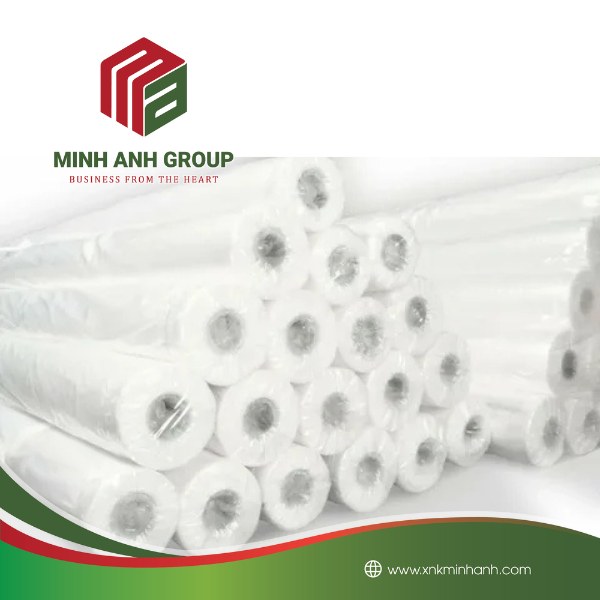
Now that we’ve covered what makes PA/PE bags unique, let’s compare them to other popular packaging materials.
PA/PE Bags vs. Plastic Bags (Single-Layer PE or PP)
Plastic bags made from single-layer polyethylene (PE) or polypropylene (PP) are widely used due to their low cost and lightweight nature. However, PA/PE bags offer several advantages over these simpler options:

– Barrier Protection: Single-layer plastic bags typically lack strong barrier properties against oxygen and moisture. PA/PE bags, on the other hand, excel in preserving freshness and extending shelf life.
– Durability: While single-layer bags may tear or puncture easily, the polyamide layer in PA/PE bags provides superior strength.
– Environmental Impact: While both options are plastic-based, PA/PE bags are often used more efficiently because they can preserve products for longer periods, potentially reducing food waste.
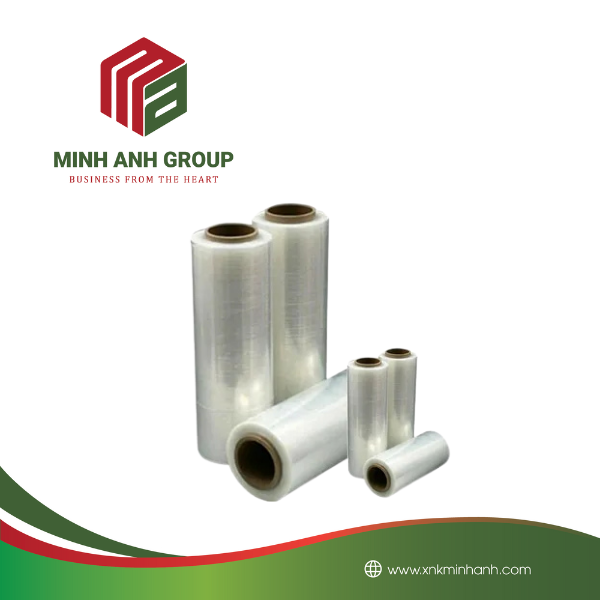
That said, single-layer plastic bags may still be a better option for lightweight or non-perishable items due to their cost-effectiveness.
PA/PE Bags vs. Paper Packaging
Paper packaging has become increasingly popular in recent years due to its eco-friendly appeal. But how does it stack up against PA/PE bags?
– Sustainability: Paper is biodegradable and often recyclable, making it a more environmentally friendly choice compared to plastic-based PA/PE bags. However, many paper products require additional coatings or laminations for moisture resistance, which can complicate recycling efforts.
– Barrier Properties: Paper generally offers poor protection against oxygen and moisture unless treated with special coatings. In contrast, PA/PE bags excel in preserving freshness and protecting sensitive items like food or pharmaceuticals.
– Durability: Paper is prone to tearing and may not hold up well in humid or wet environments. PA/PE bags are far more robust and reliable for heavy-duty applications.
– Cost: Paper packaging can sometimes be more expensive than plastic alternatives due to production processes and material sourcing.
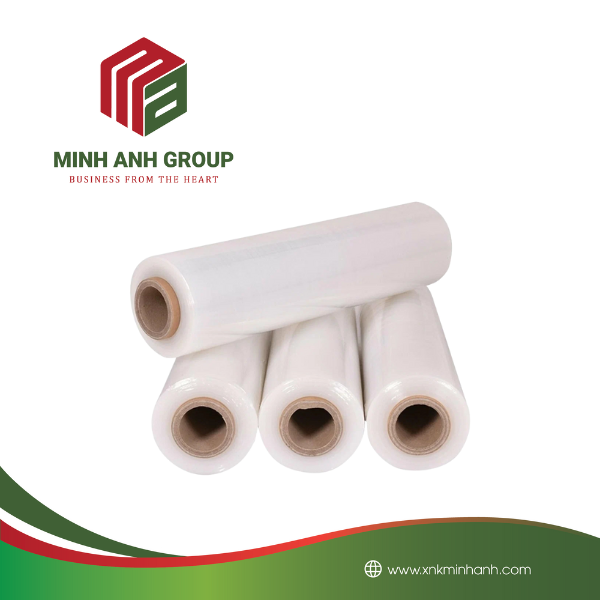
Ultimately, paper packaging is an excellent choice for branding and sustainability-focused businesses but may not be suitable for products requiring high levels of protection or durability.
PA/PE Bags vs. Aluminum Foil Packaging
Aluminum foil is another popular material used in packaging, particularly for food items that require superior barrier protection. So how do PA/PE bags compare?
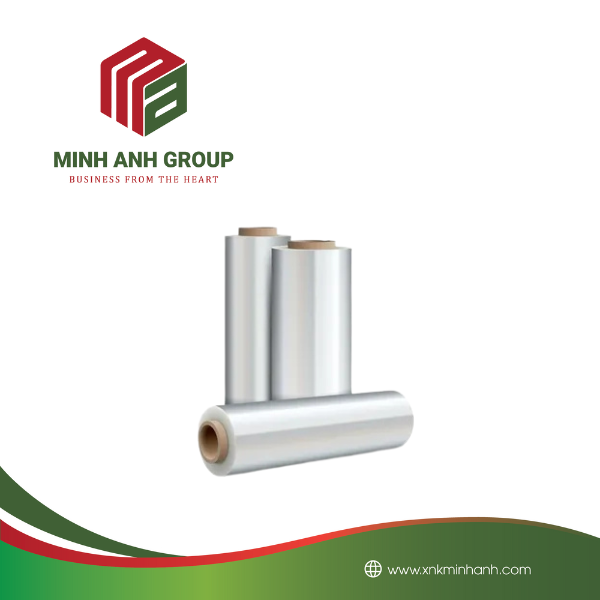
– Barrier Properties: Aluminum foil provides an almost impenetrable barrier against light, air, and moisture. While PA/PE bags offer excellent barrier protection, they don’t match the absolute impermeability of aluminum foil.
– Flexibility: PA/PE bags are more flexible and easier to handle than rigid or semi-rigid aluminum foil packaging. This makes them better suited for certain shapes and applications.
– Weight: Aluminum foil is heavier than PA/PE bags, which can increase shipping costs over time.
– Cost: Aluminum foil packaging tends to be more expensive due to material costs and processing requirements. PA/PE bags are a more budget-friendly option for many applications.
While aluminum foil is unbeatable for highly sensitive products like pharmaceuticals or premium food items, PA/PE bags offer a more practical solution for everyday use.
PA/PE Bags vs. Glass Containers
Glass containers are often associated with premium packaging due to their elegant appearance and recyclability. However, they come with their own set of challenges when compared to PA/PE bags:
– Durability: Glass is fragile and prone to breaking during transport or handling, whereas PA/PE bags are lightweight and resistant to damage.
– Weight: Glass containers are significantly heavier than PA/PE bags, leading to higher shipping costs and logistical challenges.
– Barrier Properties: Both glass containers and PA/PE bags offer excellent protection against external elements like oxygen and moisture. However, glass provides an absolute barrier, while PA/PE bags rely on multi-layer technology for similar results.
– Sustainability: Glass is 100% recyclable and reusable but requires significant energy to produce and recycle. PA/PE bags, while less eco-friendly in terms of material composition, can reduce waste by extending product shelf life.
Glass containers remain a top choice for luxury or reusable packaging but may not be practical for everyday consumer goods due to their weight and fragility.
PA/PE Bags vs. Biodegradable Plastics
Biodegradable plastics are gaining traction as an eco-friendly alternative to traditional plastic packaging. How do they compare with PA/PE bags?
– Environmental Impact: Biodegradable plastics break down more easily in the environment compared to standard plastics used in PA/PE bags. However, their decomposition often requires specific conditions (e.g., industrial composting), which may not always be available.
– Durability: Biodegradable plastics may not be as strong or long-lasting as PA/PE bags, especially for heavy-duty applications or long-term storage needs.
– Barrier Properties: Biodegradable plastics often fall short in terms of oxygen and moisture resistance compared to the advanced barrier technology in PA/PE bags.
– Cost: Biodegradable plastics are typically more expensive than traditional plastics, which might not be feasible for all businesses.
While biodegradable plastics are a step forward in sustainability, they may not yet match the performance of PA/PE bags for certain applications.
When it comes to choosing the right packaging material, there’s no one-size-fits-all solution—it all depends on your specific needs and priorities. PA/PE bags shine in applications where durability, flexibility, and high barrier properties are essential. They’re especially well-suited for food preservation, pharmaceuticals, and other sensitive products that require reliable protection.
That said, other materials like paper or biodegradable plastics may be preferable if sustainability is your top priority, while glass or aluminum might be better for premium products requiring absolute protection or aesthetic appeal.
By understanding the strengths and weaknesses of each option, you can make an informed decision that balances functionality, cost-effectiveness, and environmental impact. Whether you choose PA/PE bags or another material, the key is finding a solution that aligns with your product’s needs and your brand’s values.
So next time you’re considering your packaging options, give a little thought to what matters most—because great packaging is about more than just wrapping; it’s about protecting what matters!
Hãy là người đầu tiên nhận xét “PA/PE Bags vs Other Packaging Materials: A Comparison”
Sản phẩm tương tự

Tin Tức Bao Bì

Tin Tức Bao Bì

Tin Tức Bao Bì

Tin Tức Bao Bì


Tin Tức Bao Bì

Tin Tức Bao Bì

Tin Tức Bao Bì


Đánh giá
Chưa có đánh giá nào.