

How to Train Employees on Proper Jumbo Bag Usage


Jumbo bags, also known as FIBCs (Flexible Intermediate Bulk Containers), are widely used across various industries for the storage and transportation of bulk materials. While these bags are highly efficient and durable, improper handling or usage can lead to accidents, damage to goods, or even safety hazards in the workplace. To ensure optimal use and maintain a safe work environment, it is essential to train employees on the correct handling and usage of jumbo bags. Below is a guide to effectively train your workforce.
Jumbo bags, also known as FIBCs (Flexible Intermediate Bulk Containers), are widely used across various industries for the storage and transportation of bulk materials. While these bags are highly efficient and durable, improper handling or usage can lead to accidents, damage to goods, or even safety hazards in the workplace. To ensure optimal use and maintain a safe work environment, it is essential to train employees on the correct handling and usage of jumbo bags. Below is a guide to effectively train your workforce.
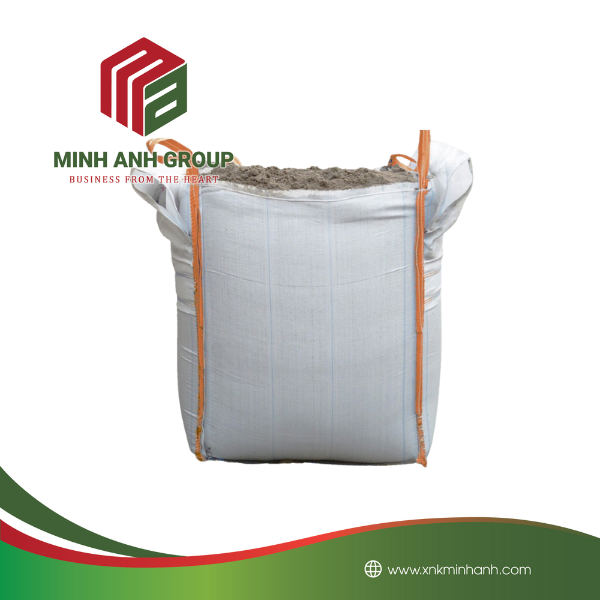
1. Understand the Importance of Training
Before initiating a training program, it is crucial to understand why proper jumbo bag usage matters. Improper handling of jumbo bags can result in:
– Workplace injuries due to bag failure or mishandling.
– Damage to products or materials being transported.
– Increased operational costs due to frequent replacements or repairs.
– Non-compliance with safety regulations and standards.
By emphasizing these points, employees will recognize the importance of adhering to proper procedures.
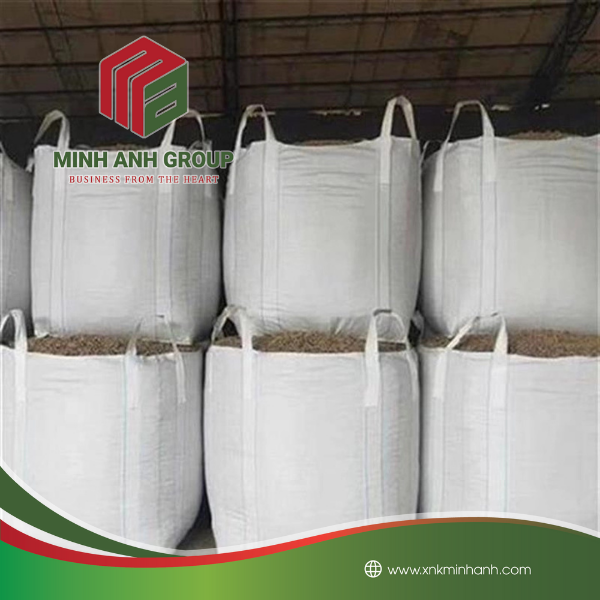
2. Develop a Comprehensive Training Program
A structured training program should cover all aspects of jumbo bag usage, including handling, storage, lifting, and disposal. The program should be tailored to the specific needs of your organization and the type of jumbo bags being used.
Key Components of the Training Program:
– Introduction to Jumbo Bags: Explain what jumbo bags are, their purpose, and their benefits. Include an overview of different types of bags (e.g., single-loop, multi-loop, ventilated) and their applications.
– Safety Standards: Familiarize employees with relevant safety regulations and standards, such as ISO guidelines or local workplace safety codes.
– Load Capacity Awareness: Teach employees how to identify and adhere to the Safe Working Load (SWL) and safety factor (SF) of each bag. Overloading can compromise the bag’s integrity.
– Inspection Procedures: Train employees to inspect bags for damage, wear, or defects before use. Highlight common issues such as tears, loose stitching, or compromised lifting loops.
– Proper Handling Techniques: Demonstrate safe methods for filling, lifting, transporting, and emptying jumbo bags. Emphasize the use of appropriate equipment such as forklifts or cranes.
– Storage Guidelines: Provide instructions on how to store jumbo bags properly to prevent damage from environmental factors like moisture, UV exposure, or pests.
– Disposal Practices: Educate employees on how to dispose of damaged or unusable bags in an environmentally responsible manner.
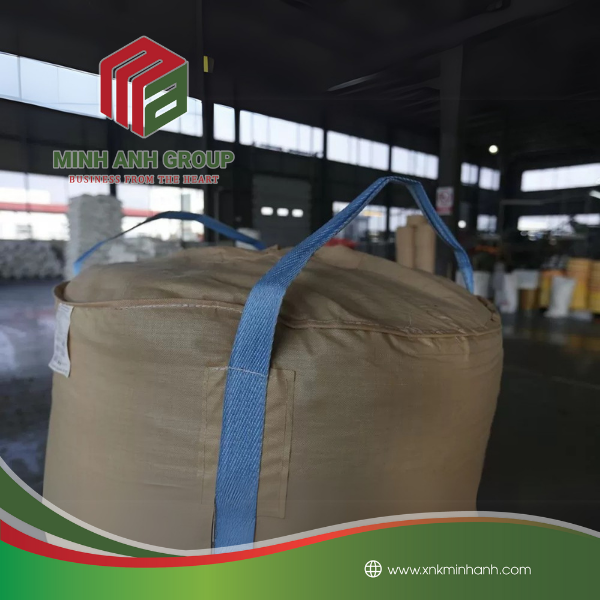
3. Incorporate Hands-On Training
While theoretical knowledge is important, practical experience ensures that employees can confidently apply what they’ve learned. Organize hands-on training sessions where employees practice handling jumbo bags under supervision. Use real-world scenarios to simulate day-to-day tasks.
Practical Training Activities:
– Demonstrating how to attach lifting loops securely to equipment.
– Practicing proper filling techniques to avoid overloading or uneven distribution.
– Simulating emergency situations, such as handling a torn bag or spilled contents.
Encourage employees to ask questions and seek clarification during these sessions.
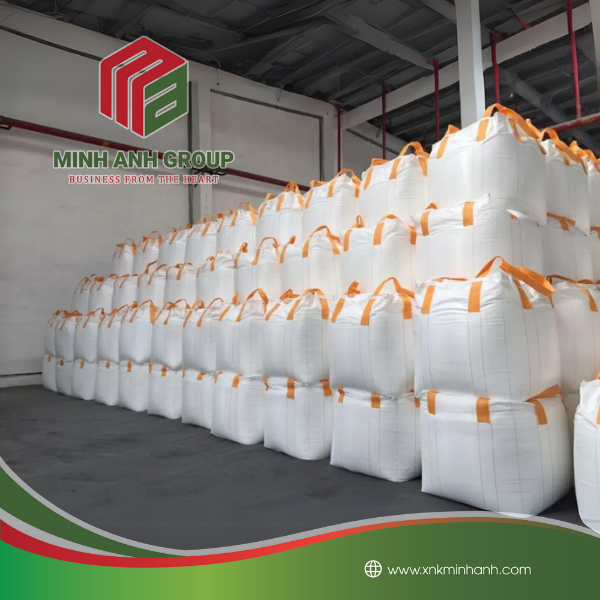
4. Provide Visual Aids and Reference Materials
Visual aids such as diagrams, videos, and infographics can enhance understanding and retention of information. Create reference materials like laminated guides or posters that employees can consult when needed. Place these materials in areas where jumbo bags are frequently used for easy access.
5. Focus on Equipment Training
Since jumbo bags often require specialized equipment for handling, it is essential to train employees on the proper use of these tools. Ensure that operators are certified to use forklifts, cranes, or other machinery involved in lifting and transporting the bags.

Key Points for Equipment Training:
– Proper attachment of lifting loops to hooks or forks.
– Avoiding sudden movements that could destabilize the load.
– Ensuring that equipment is in good working condition before use.

6. Promote a Culture of Safety
Encourage employees to prioritize safety at all times by fostering a culture of accountability and vigilance. Regularly remind them of the risks associated with improper usage and encourage them to report any issues with bags or equipment immediately.
Tips for Reinforcing Safety:
– Conduct regular safety briefings and refresher courses.
– Appoint safety champions or supervisors to oversee compliance.
– Recognize and reward employees who consistently follow best practices.
7. Evaluate and Update Training Programs
Employee training should not be a one-time event. Periodically assess the effectiveness of your training program by gathering feedback from employees and observing their practices in the workplace. Update the program as needed to incorporate new industry standards, technologies, or company policies.
Evaluation Methods:
– Conduct post-training assessments through quizzes or practical tests.
– Monitor workplace incidents related to jumbo bag handling and identify areas for improvement.
– Solicit suggestions from employees on how training can be enhanced.

8. Leverage External Expertise
If your organization lacks in-house expertise on jumbo bag usage, consider partnering with external trainers or consultants who specialize in this area. They can provide valuable insights and ensure that your training program aligns with industry best practices.

Training employees on proper jumbo bag usage is essential for maintaining a safe and efficient workplace. By implementing a comprehensive training program that combines theoretical knowledge with hands-on practice, you can minimize risks, protect your workforce, and optimize operations. Remember, ongoing education and a commitment to safety are key to long-term success in handling jumbo bags effectively.
Hãy là người đầu tiên nhận xét “How to Train Employees on Proper Jumbo Bag Usage”
Sản phẩm tương tự

Tin Tức Bao Bì


Tin Tức Bao Bì

Tin Tức Bao Bì

Tin Tức Bao Bì

Tin Tức Bao Bì


Tin Tức Bao Bì
Food Cling Film: Outstanding Advantages in Food Preservation

Tin Tức Bao Bì


Đánh giá
Chưa có đánh giá nào.