

FIBC Sling Bags vs Traditional Bags: Which Is Better?

When it comes to transporting goods, the choice of bag can make a significant impact on efficiency, safety, and overall cost. In recent years, FIBC (Flexible Intermediate Bulk Containers) sling bags have emerged as a popular alternative to traditional bags for a variety of applications. But are they really better? Let’s take a closer look at the key differences between FIBC sling bags and traditional bags to determine which is the superior option.
When it comes to transporting goods, the choice of bag can make a significant impact on efficiency, safety, and overall cost. In recent years, FIBC (Flexible Intermediate Bulk Containers) sling bags have emerged as a popular alternative to traditional bags for a variety of applications. But are they really better? Let’s take a closer look at the key differences between FIBC sling bags and traditional bags to determine which is the superior option.
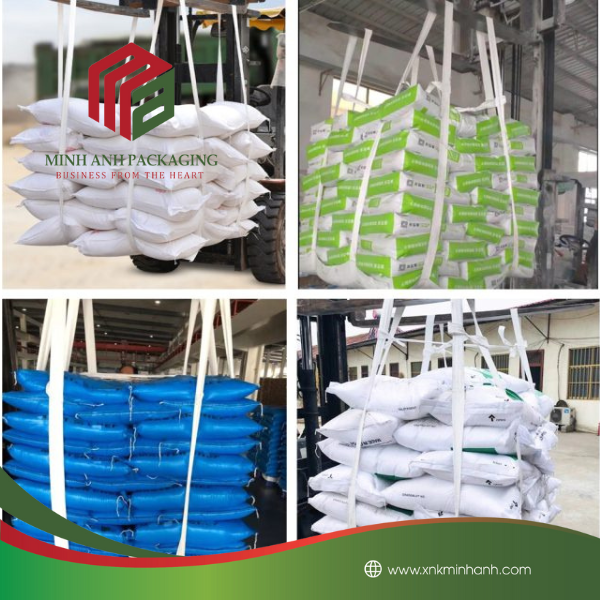
FIBC sling bags, also known as bulk bags or super sacks, are designed to transport and store large quantities of goods, typically in the range of 500kg to 2000kg. These bags are made from woven polypropylene fabric and are equipped with lifting loops or straps for easy handling using forklifts, cranes, or other material handling equipment. FIBC sling bags offer several advantages over traditional bags, including:
1. Increased Efficiency: FIBC sling bags can be filled and discharged much more quickly than traditional bags, reducing loading and unloading times and increasing overall productivity.
2. Improved Safety: The use of lifting loops or straps ensures secure handling and reduces the risk of accidents during transportation and storage.
3. Cost Savings: Due to their larger capacity and faster handling, FIBC sling bags can result in lower labor costs and reduced transportation expenses.

Traditional bags, such as paper or woven polypropylene sacks, have been used for decades to transport and store a wide range of goods, from agricultural products to industrial materials. While they may lack some of the modern features of FIBC sling bags, traditional bags offer their own set of advantages, including:
1. Versatility: Traditional bags come in a variety of sizes and styles, making them suitable for different types of goods and applications.
2. Accessibility: Traditional bags are widely available and can be purchased in smaller quantities, making them a practical choice for small-scale operations.
3. Familiarity: Many businesses are accustomed to using traditional bags and may be hesitant to switch to a new type of packaging.
The choice between FIBC sling bags and traditional bags ultimately depends on the specific needs and priorities of the user. For large-scale operations that require efficient handling of bulk materials, FIBC sling bags offer clear advantages in terms of speed, safety, and cost-effectiveness. On the other hand, traditional bags remain a viable option for smaller quantities and diverse product types.

In conclusion, both FIBC sling bags and traditional bags have their own strengths and weaknesses. The key is to carefully evaluate the requirements of each application and select the most suitable packaging solution based on factors such as capacity, handling ease, safety, and cost. By weighing these considerations, businesses can make an informed decision about whether FIBC sling bags or traditional bags are better suited to their specific needs.
Hãy là người đầu tiên nhận xét “FIBC Sling Bags vs Traditional Bags: Which Is Better?”
Sản phẩm tương tự

Tin Tức Bao Bì


Tin Tức Bao Bì

Tin Tức Bao Bì

Tin Tức Bao Bì


Tin Tức Bao Bì
Food Cling Film: Outstanding Advantages in Food Preservation

Tin Tức Bao Bì


Đánh giá
Chưa có đánh giá nào.