
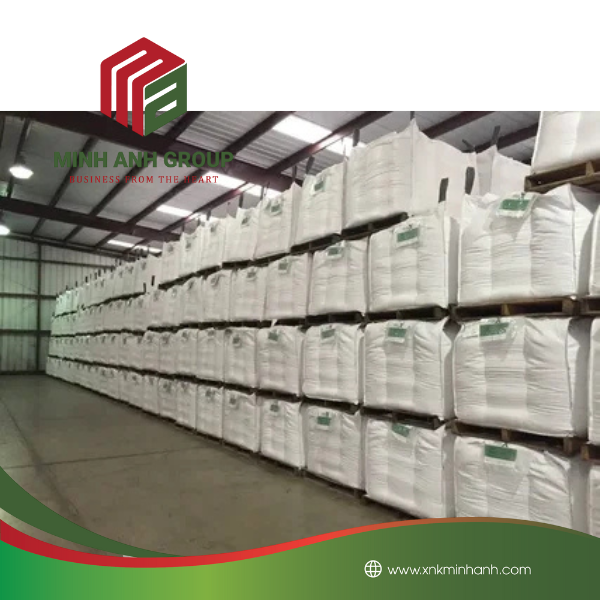
FIBC Bags in Hazardous Material Handling: Protocols and Innovations
Ah, the mighty FIBC bag—Flexible Intermediate Bulk Container for those who like their acronyms long and their containers sturdy. These jumbo bags are the unsung heroes of material handling, and when it comes to hazardous materials, they’re the overachieving students of the packaging world. But let’s not kid ourselves—handling hazardous materials is no joke. It’s a science, an art, and occasionally, a high-stakes game of “don’t drop that!” So, let’s dive into the protocols and innovations that make FIBC bags the MVPs of this dangerous dance.
Ah, the mighty FIBC bag—Flexible Intermediate Bulk Container for those who like their acronyms long and their containers sturdy. These jumbo bags are the unsung heroes of material handling, and when it comes to hazardous materials, they’re the overachieving students of the packaging world. But let’s not kid ourselves—handling hazardous materials is no joke. It’s a science, an art, and occasionally, a high-stakes game of “don’t drop that!” So, let’s dive into the protocols and innovations that make FIBC bags the MVPs of this dangerous dance.
x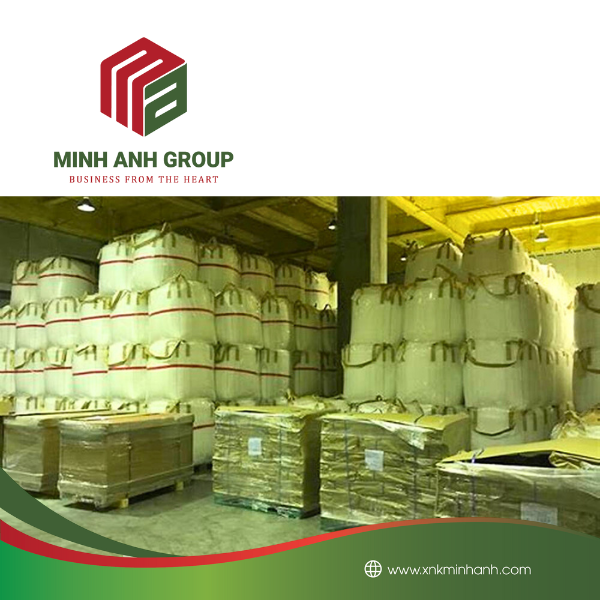
What Makes FIBC Bags So Special?
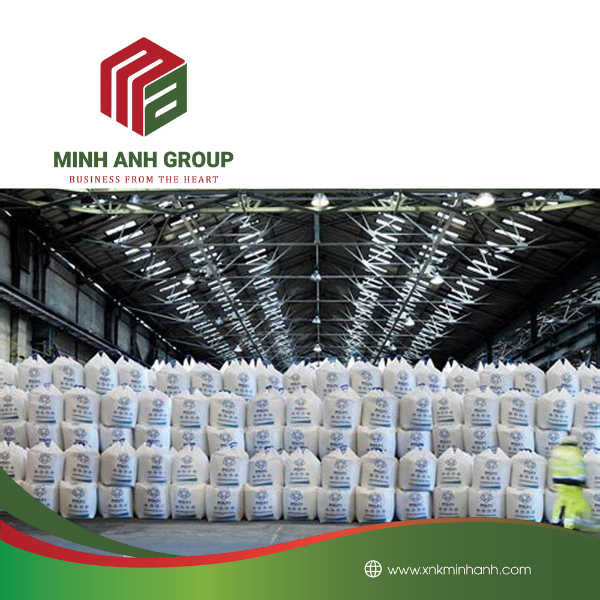
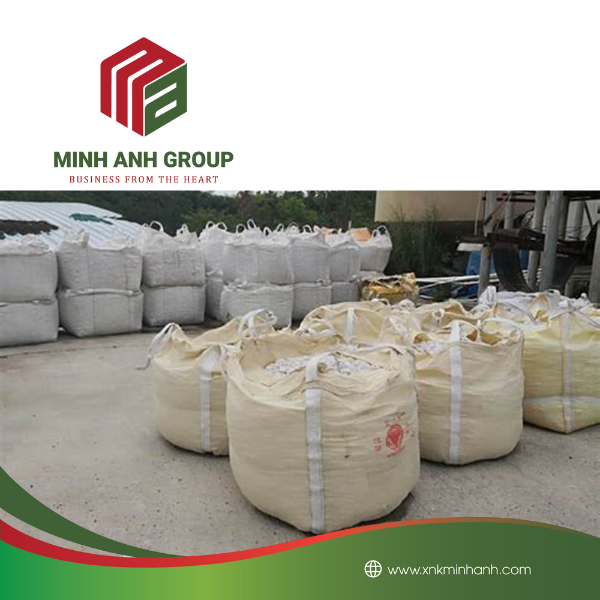
First off, let’s appreciate the sheer genius of FIBC bags. They’re lightweight yet capable of carrying up to 2,000 kilograms. They’re reusable, recyclable, and come in all sorts of designs to suit your hazardous material needs. Need a bag that can handle static electricity? Check. How about one that’s resistant to moisture? Double check. You name it, there’s probably an FIBC bag for it.
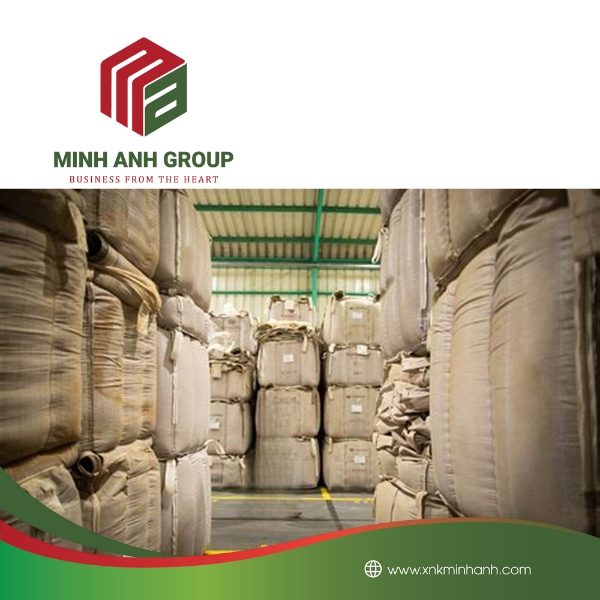
But when hazardous materials are involved, these bags become more than just big, flexible sacks. They turn into highly engineered safety systems. Think of them as the James Bond of packaging—suave, adaptable, and always ready to save the day.
Protocols: The Rules of the Game
Handling hazardous materials is not the time to wing it. There are strict protocols in place to ensure safety, and FIBC bags are designed to meet these requirements with flair.
1. Know Your Bag Types
FIBCs come in four types—A, B, C, and D. Each type has its own superpower:
– Type A: Basic but reliable. Great for non-flammable materials.
– Type B: A step up with anti-static properties but still no superhero cape.
– Type C: Conductive bags that require grounding. Think of them as the bags that need a little extra TLC.
– Type D: The rockstars of the FIBC world. They’re anti-static and don’t need grounding. Just fill them up and let them do their thing.
Using the wrong type of bag for your material is like wearing flip-flops to a marathon—just don’t do it.

2. Follow Filling and Discharge Guidelines
You can’t just toss hazardous materials into an FIBC bag like you’re packing for a weekend getaway. There are filling and discharge procedures to follow. For instance, grounding Type C bags during filling is non-negotiable unless you enjoy playing with static explosions (spoiler: you don’t).
3. Inspection and Maintenance
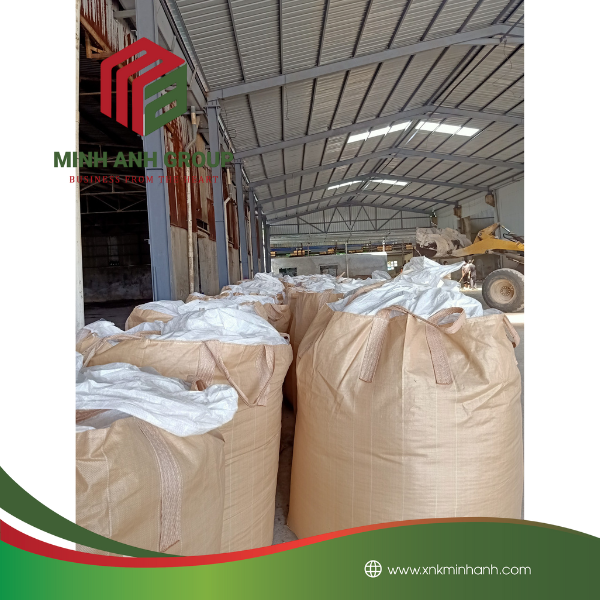
Before you even think about using an FIBC bag, give it a thorough once-over. Look for tears, weak seams, or any signs that it might not be up to the task. Because nothing says “hazardous” quite like a bag giving up mid-lift.
4. Storage Matters
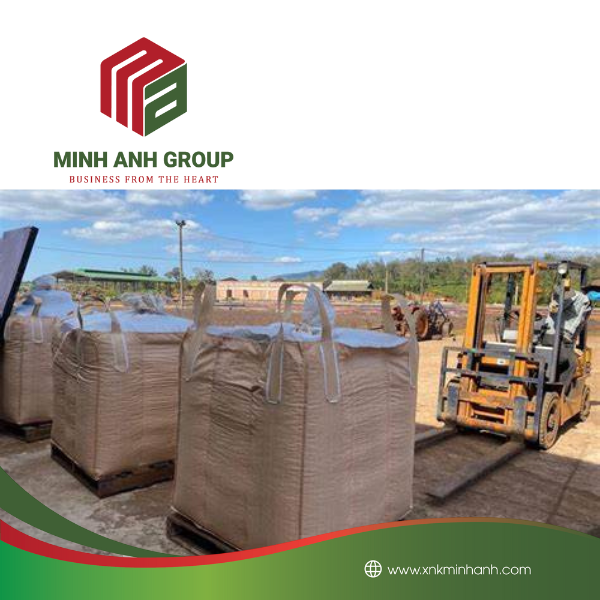
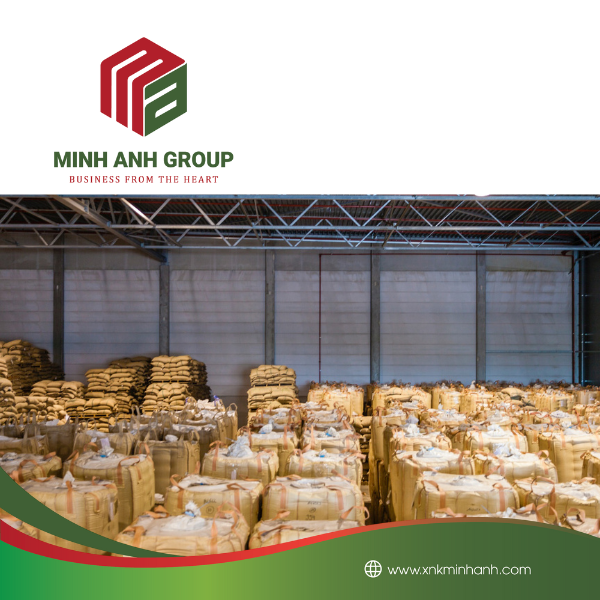
Hazardous materials don’t care about your storage space issues. Keep FIBC bags in a clean, dry area away from sharp objects or extreme temperatures. Treat them like royalty—they’re carrying dangerous cargo, after all.
Innovations: The Future is Flexible (and Safe)
The world of FIBC bags isn’t stuck in the past. Oh no, it’s moving forward faster than you can say “polypropylene.” Here are some innovations making waves in hazardous material handling:
1. Smart Bags
Yes, even bags are getting smart these days. Some FIBCs now come equipped with RFID tags for tracking and monitoring. Need to know where your bag is or what it’s carrying? Just scan it like you’re checking out groceries.
2. Eco-Friendly Materials
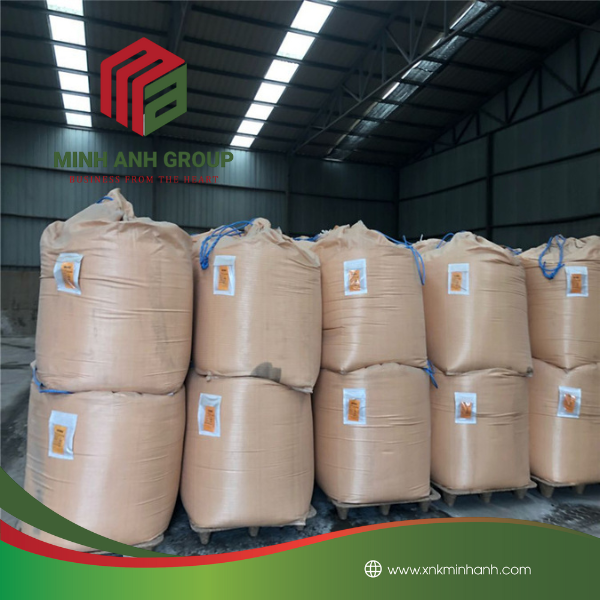
With sustainability on everyone’s mind, manufacturers are exploring eco-friendly materials for FIBCs. Imagine a world where your hazardous material bag is both safe and kind to the planet. It’s like having your cake and eating it too—except the cake is made of polypropylene.
3. Enhanced Anti-Static Technology
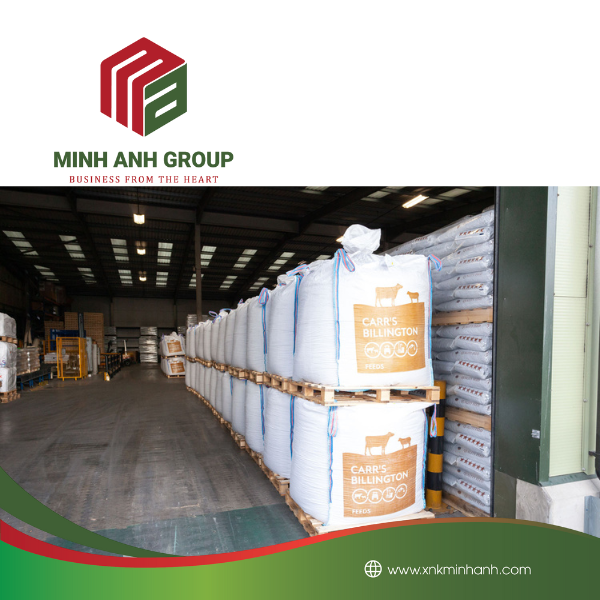
Static electricity is the arch-nemesis of hazardous material handling. New advancements in anti-static technology are making FIBCs safer than ever. Type D bags are leading the charge with their ability to dissipate static without grounding. It’s like magic, but with science.
4. Customization Galore
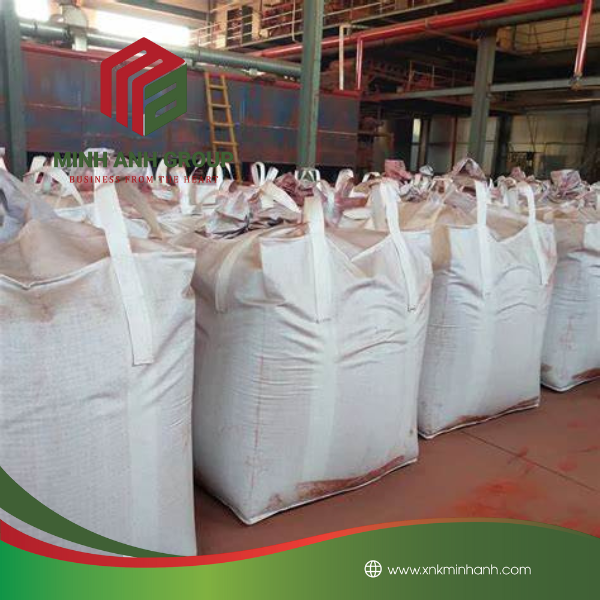
Need a bag with a specific shape, size, or feature? The FIBC industry has you covered. From UV protection to special liners for extra containment, customization options are endless. It’s like ordering a bespoke suit but for dangerous goods.
The Human Element: Training is Key
Even the fanciest FIBC bag won’t save the day if the people handling it don’t know what they’re doing. Training is absolutely essential when dealing with hazardous materials. Workers need to understand everything from bag types to proper lifting techniques. And while we’re at it, let’s make sure everyone knows what to do in case of an emergency—because “panic and hope for the best” is not a solid plan.
Final Thoughts: A Bag Above the Rest
FIBC bags are more than just oversized sacks—they’re lifesavers in the world of hazardous material handling. By following protocols and embracing innovations, these bags help keep people safe while getting the job done efficiently. So next time you see one of these jumbo bags in action, give it a little nod of respect. It’s out there doing the hard work so you don’t have to.
And remember: when it comes to hazardous materials, safety isn’t just a protocol—it’s a lifestyle. Stay safe, stay witty, and always respect the bag!
Hãy là người đầu tiên nhận xét “FIBC Bags in Hazardous Material Handling: Protocols and Innovations”
Sản phẩm tương tự

Tin Tức Bao Bì


Tin Tức Bao Bì

Tin Tức Bao Bì


Tin Tức Bao Bì

Tin Tức Bao Bì

Tin Tức Bao Bì


Đánh giá
Chưa có đánh giá nào.