

FIBC Bags as Synthetic Coral Reefs: Regenerating Marine Biodiversity

Despite the challenges, the potential is enormous. With proper research and implementation, FIBC bags could play a significant role in regenerating marine biodiversity. Imagine a world where discarded industrial bags are repurposed to save entire ecosystems. It’s like turning trash into treasure—except this treasure is covered in barnacles and has clownfish living in it.
When you think of FIBC bags—those big, burly, flexible intermediate bulk containers—you probably imagine them hauling grain, sand, or some other boring bulk material. But what if I told you that these industrial giants could moonlight as oceanic superheroes? Yes, FIBC bags are making waves (pun intended) as synthetic coral reefs, and it’s as wild as it sounds. Move over, Aquaman; there’s a new marine savior in town, and it’s made of polypropylene.
Coral Reefs: Nature’s Underwater Condos
Coral reefs are like the Manhattan of the ocean—prime real estate, bustling with life, and always in high demand. They’re home to a staggering 25% of all marine species. Fish, crabs, eels, and even those weird little sea slugs all rely on reefs for food, shelter, and the occasional underwater rave.
But here’s the bad news: coral reefs are in trouble. Thanks to climate change, pollution, and overenthusiastic snorkelers who can’t resist touching things they shouldn’t, coral reefs are dying faster than your houseplants under your care. Enter FIBC bags, the unlikely heroes of the deep.
From Bulk Bags to Biodiversity Boosters
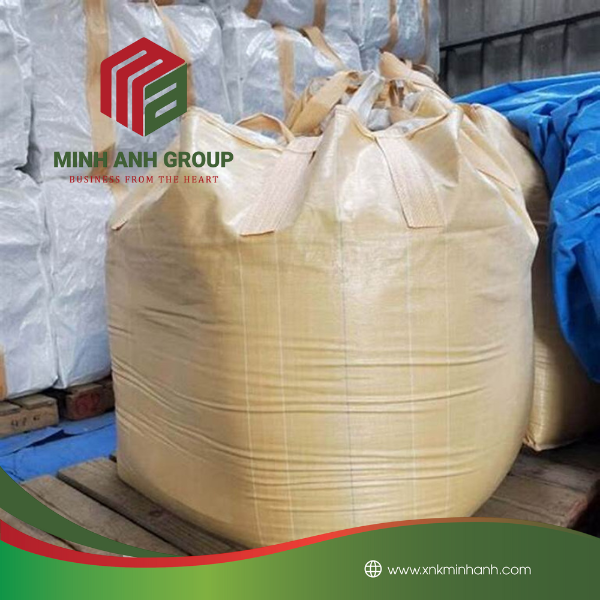
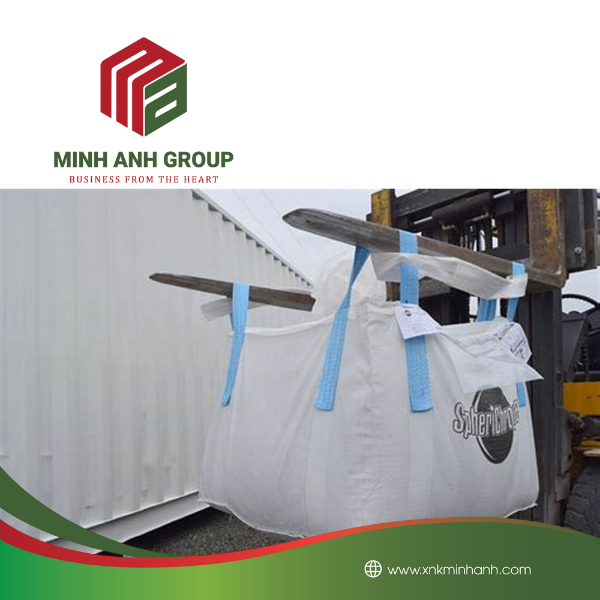
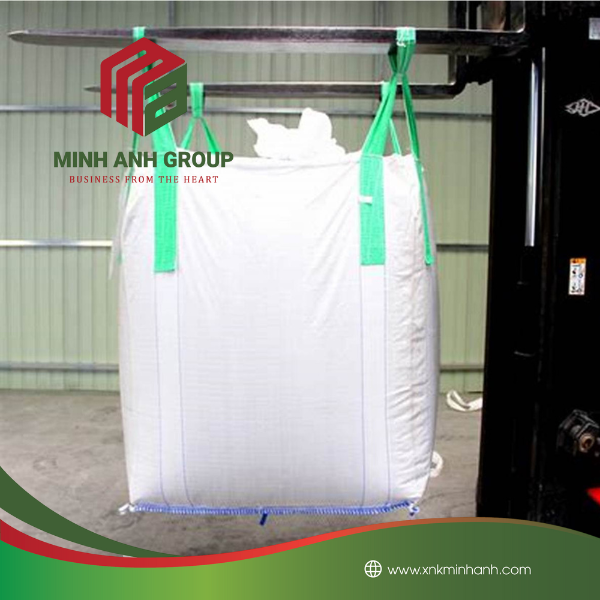
So, how do these industrial workhorses transform into underwater ecosystems? It all starts with their sturdy structure. FIBC bags are made from durable materials like woven polypropylene, which can withstand harsh marine conditions. When strategically placed in the ocean, these bags create a framework for marine life to cling to and grow on—kind of like a Pinterest DIY project for Mother Nature.
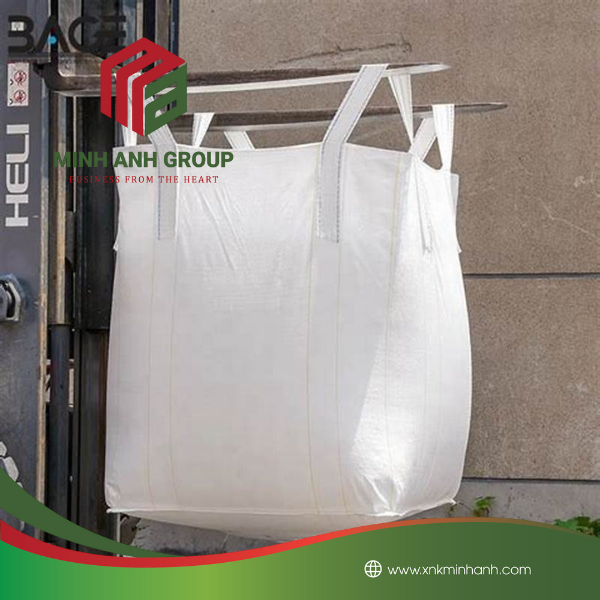
Researchers have discovered that when FIBC bags are filled with rocks, sand, or other natural materials and sunk in strategic locations, they mimic the nooks and crannies of coral reefs. Fish move in, seaweed starts decorating like it’s on HGTV, and before you know it, you’ve got a thriving underwater community. It’s like turning an empty parking lot into a bustling city center—except wetter.
Nemo’s New Digs
Imagine Nemo swimming around his new FIBC bag reef. “Wow,” he’d say (if fish could talk), “this place is spacious! And look at all these hiding spots!” Dory would probably forget where she was five seconds later, but she’d still appreciate the vibrant marine life moving back into the area.
And let’s not forget the crustaceans. Crabs would finally have a place to throw their infamous underwater parties without worrying about predators crashing the scene. Shrimp would set up shop in the bag’s creases, opening tiny seafood restaurants (serving anything but shrimp, obviously).
The Environmental Win-Win
Using FIBC bags as synthetic coral reefs isn’t just fun for fish—it’s good for the planet too. Recycling these bags for marine restoration reduces waste and gives them a second life. Instead of ending up in landfills or floating aimlessly in the ocean like a sad plastic jellyfish impersonator, these bags become a force for good.
Plus, synthetic reefs help combat overfishing by providing safe habitats for fish populations to recover. It’s like giving marine life a gated community where they can thrive without worrying about humans showing up with fishing nets or sushi cravings.
Challenges: Because Nothing Is Ever Easy
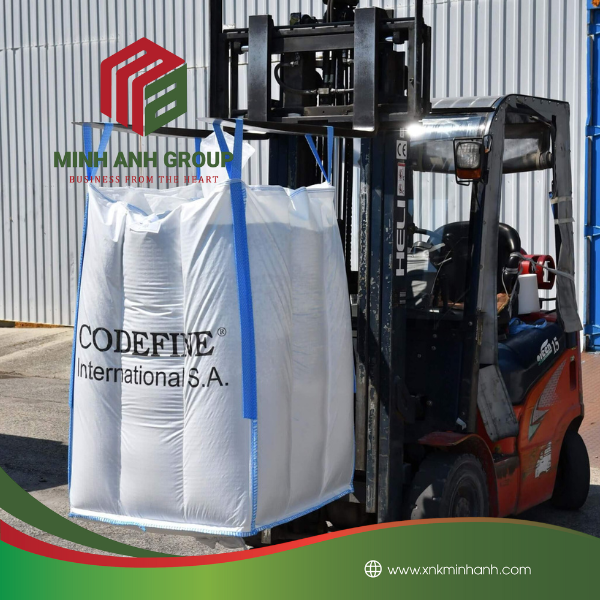
Of course, no good idea comes without its share of challenges. For starters, not all FIBC bags are created equal. Some materials may leach chemicals into the water or degrade too quickly. Scientists are working to ensure that only eco-friendly variants are used for reef-building purposes—because no one wants a reef that doubles as an oceanic toxic waste dump.

Then there’s the issue of placement. You can’t just toss an FIBC bag into the ocean like you’re skipping stones at the beach. Strategic planning is required to ensure these synthetic reefs don’t disrupt existing ecosystems or accidentally become underwater tripping hazards (for fish, obviously).
The Future of Synthetic Coral Reefs
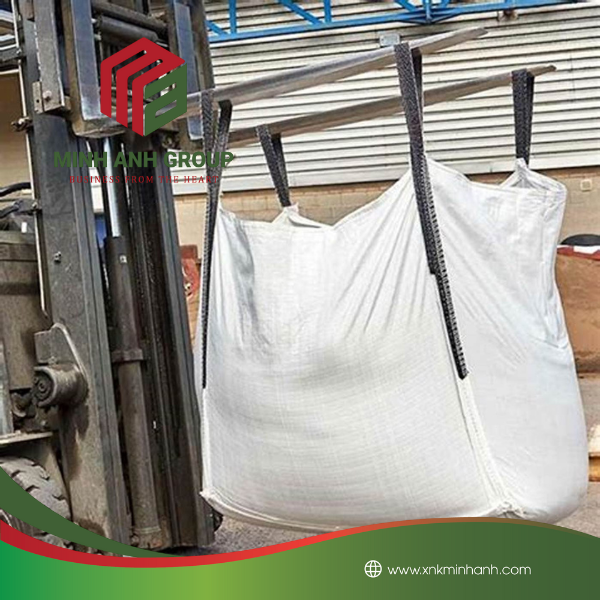
Despite the challenges, the potential is enormous. With proper research and implementation, FIBC bags could play a significant role in regenerating marine biodiversity. Imagine a world where discarded industrial bags are repurposed to save entire ecosystems. It’s like turning trash into treasure—except this treasure is covered in barnacles and has clownfish living in it.
So next time you see an FIBC bag hauling sand or fertilizer, give it a nod of respect. Who knows? That bag might one day retire to the ocean and become a coral reef hero. And if that isn’t an inspiring second act, I don’t know what is.
Hãy là người đầu tiên nhận xét “FIBC Bags as Synthetic Coral Reefs: Regenerating Marine Biodiversity”
Sản phẩm tương tự


Tin Tức Bao Bì
Food Cling Film: Outstanding Advantages in Food Preservation

Tin Tức Bao Bì


Tin Tức Bao Bì

Tin Tức Bao Bì

Tin Tức Bao Bì


Tin Tức Bao Bì


Đánh giá
Chưa có đánh giá nào.